Cambodia
Home All Destinations Cambodia

Cambodia is a destination rich in history, culture and atmosphere, best known for the remarkable temples of Angkor and its deeply rooted traditions. From ancient ruins to vibrant local life, the country offers a travel experience that is both immersive and meaningful.
Beyond its iconic landmarks, Cambodia reveals river landscapes, rural settings and a slower pace of travel that invites deeper connection. With its combination of heritage and authenticity, it provides a journey that is both engaging and memorable.
Cambodia offers a range of destinations combining temple landscapes, riverside cities and tropical coastline within one highly atmospheric Southeast Asian country. Different regions provide distinct travel rhythms and environments, allowing travellers to balance cultural exploration, relaxation and scenic immersion.
The destination is especially well suited to multi-centre itineraries where travellers can experience heritage, local life and slower travel atmospheres within manageable distances.
Siem Reap is Cambodia’s main cultural and hospitality centre, providing access to Angkor while offering markets, gastronomy and relaxed urban atmosphere. The town appeals particularly to travellers seeking immersive cultural travel balanced with comfort and boutique hospitality.
Accommodation ranges from luxury resorts and heritage-inspired hotels to boutique retreats and smaller lifestyle properties integrated into tropical surroundings.
Phnom Penh combines riverside scenery, historic landmarks and contemporary Cambodian life within the country’s capital city. The atmosphere feels energetic yet relatively manageable compared with larger Southeast Asian capitals.
Accommodation includes luxury urban hotels, boutique riverside properties and heritage-style stays connected closely to the city’s cultural atmosphere.
Cambodia’s southern coastline offers slower and more nature-focused beach experiences through coastal towns such as Kep and nearby tropical regions. These destinations appeal particularly to travellers seeking tranquillity and understated seaside atmosphere.
Accommodation often focuses on boutique coastal stays, eco-retreats and smaller beachfront properties integrated into the surrounding landscape.
Cambodia’s islands provide quieter tropical environments shaped by beaches, forested interiors and relaxed island rhythm. Koh Rong and nearby islands are especially popular among travellers seeking simpler and less commercialised tropical escapes.
Accommodation ranges from boutique beachfront lodges to eco-focused island retreats designed around nature immersion and slower travel.
The country also offers riverside lodges and countryside retreats where travellers can experience calm landscapes and stronger connection with rural Cambodia. These regions appeal particularly to travellers interested in authenticity and reflective travel.
Accommodation frequently focuses on tranquillity, local atmosphere and integration with natural surroundings.
Cambodia has developed a strong boutique hospitality sector combining Khmer-inspired design, personalised service and immersive atmosphere. Luxury travel here often focuses on emotional connection, architecture and cultural integration rather than excessive scale.
Many properties are designed around tropical gardens, open-air spaces and slower travel rhythms.
The country naturally supports wellness-oriented travel through calm hospitality environments, spiritual atmosphere and slower pace of exploration. Boutique resorts and riverside retreats often focus on relaxation, balance and emotional restoration.
These stays are especially appealing for travellers seeking meaningful and restorative travel experiences.
Cambodia is best experienced through itineraries that combine temples, cities, countryside and coastline in order to reveal the country’s emotional and environmental diversity. Travellers can move gradually between highly different atmospheres while maintaining continuity through culture and hospitality.
This structure creates journeys that feel immersive, reflective and deeply memorable throughout the overall travel experience.
The best time to visit Cambodia is between November and March, when the weather is drier and more comfortable. The hotter months and rainy season can affect travel conditions, particularly in rural areas.
Cambodia has a tropical climate, with distinct dry and wet seasons.
The country hosts traditional festivals that reflect its cultural heritage.
The local currency is the Cambodian Riel (KHR), though US dollars are widely used.
Cambodian cuisine offers a mix of local flavours and regional influences.
Cambodia offers a travel experience shaped by ancient temples, riverside life and authentic Southeast Asian atmosphere. Travellers can explore archaeological wonders, tropical landscapes and local communities while experiencing one of the region’s most emotionally immersive destinations.
The country rewards slower and experiential travel where culture, spirituality and atmosphere become central parts of the journey.
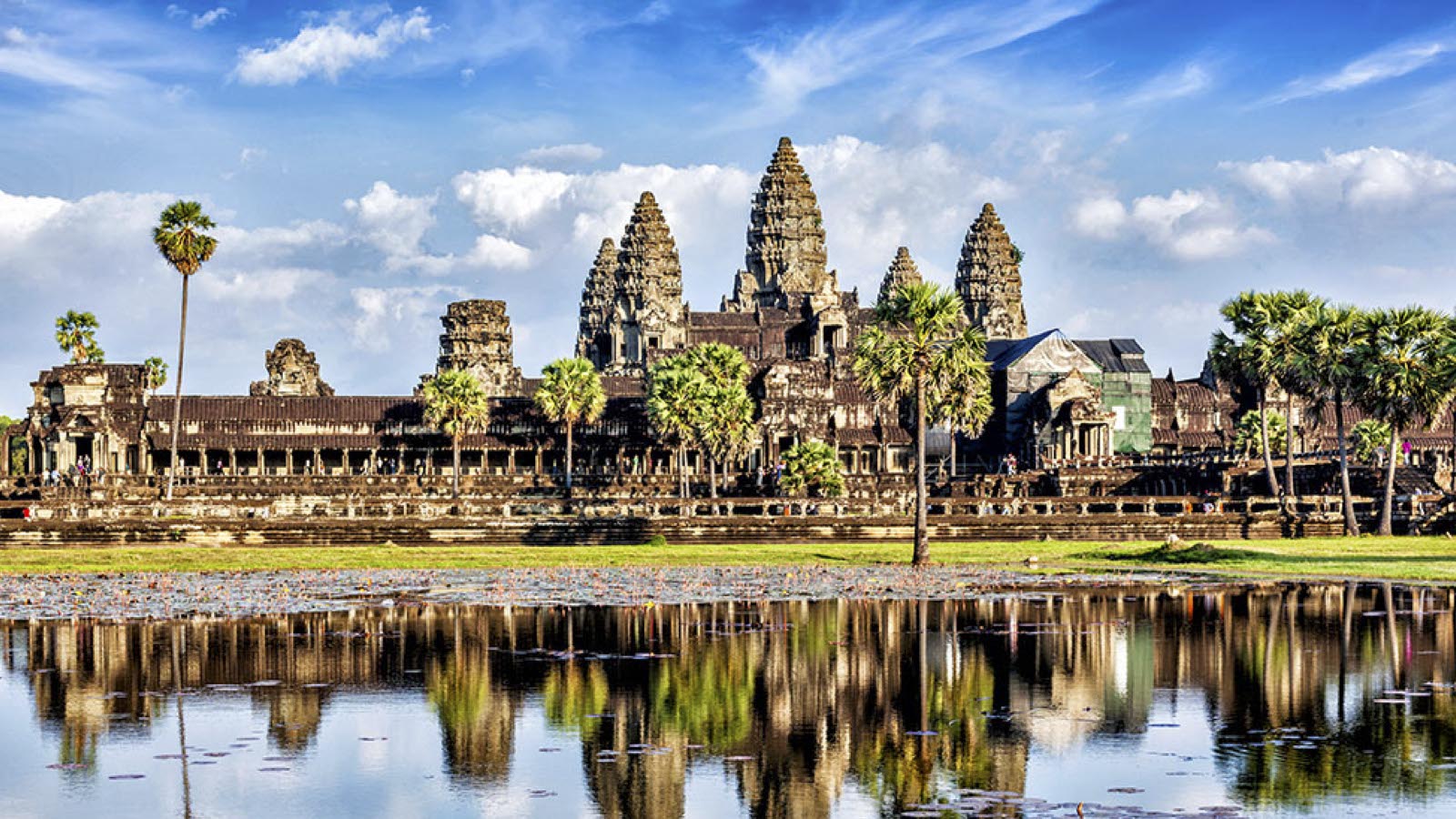
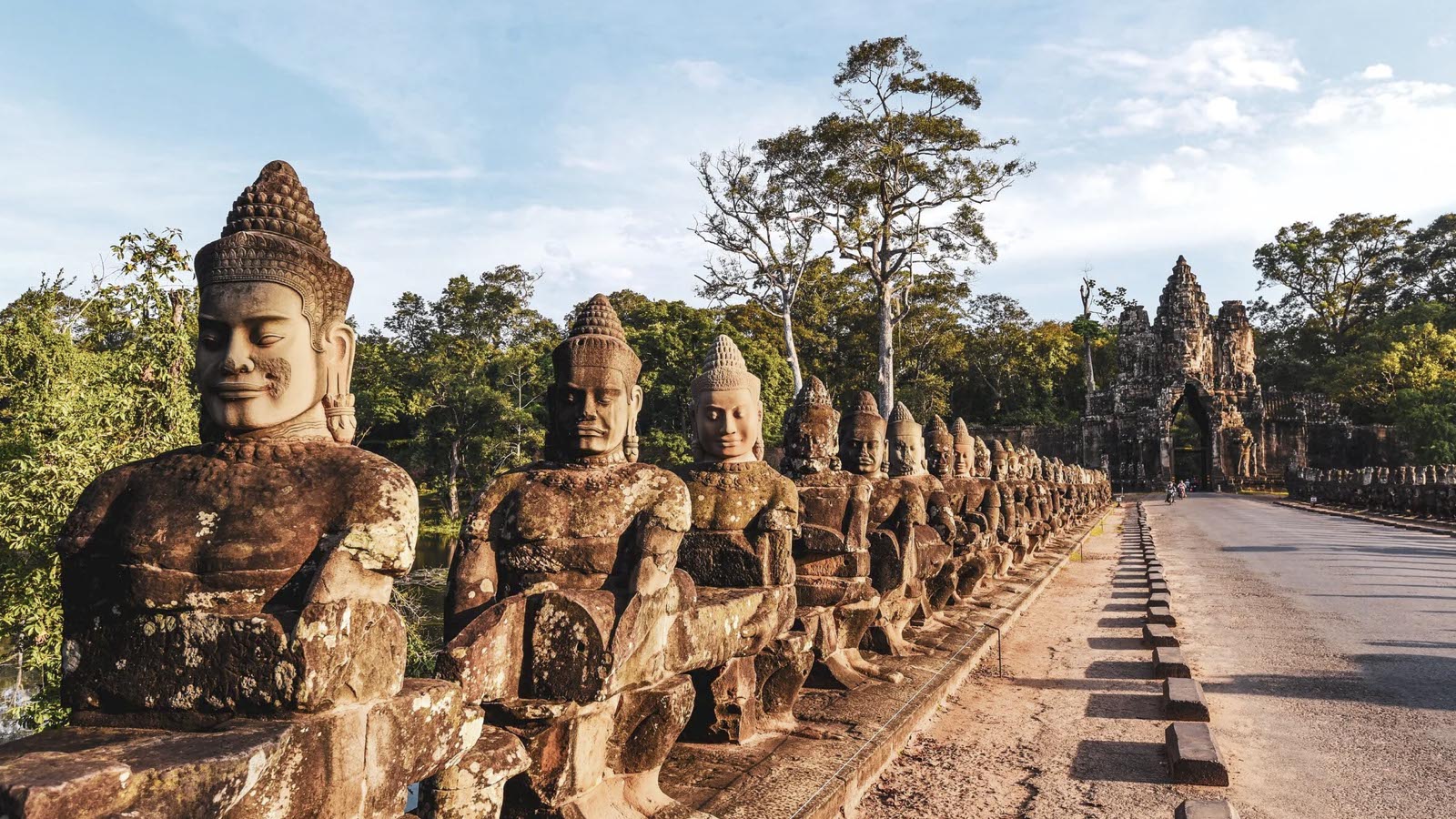
Angkor is Cambodia’s most iconic destination, offering extraordinary temple complexes surrounded by jungle landscapes and spiritual atmosphere. Exploring the temples often feels cinematic and emotionally powerful because of their scale, symbolism and connection with nature.
Travellers frequently experience sunrise visits, quiet forest paths and architectural detail as some of the most memorable moments of travelling through Cambodia.
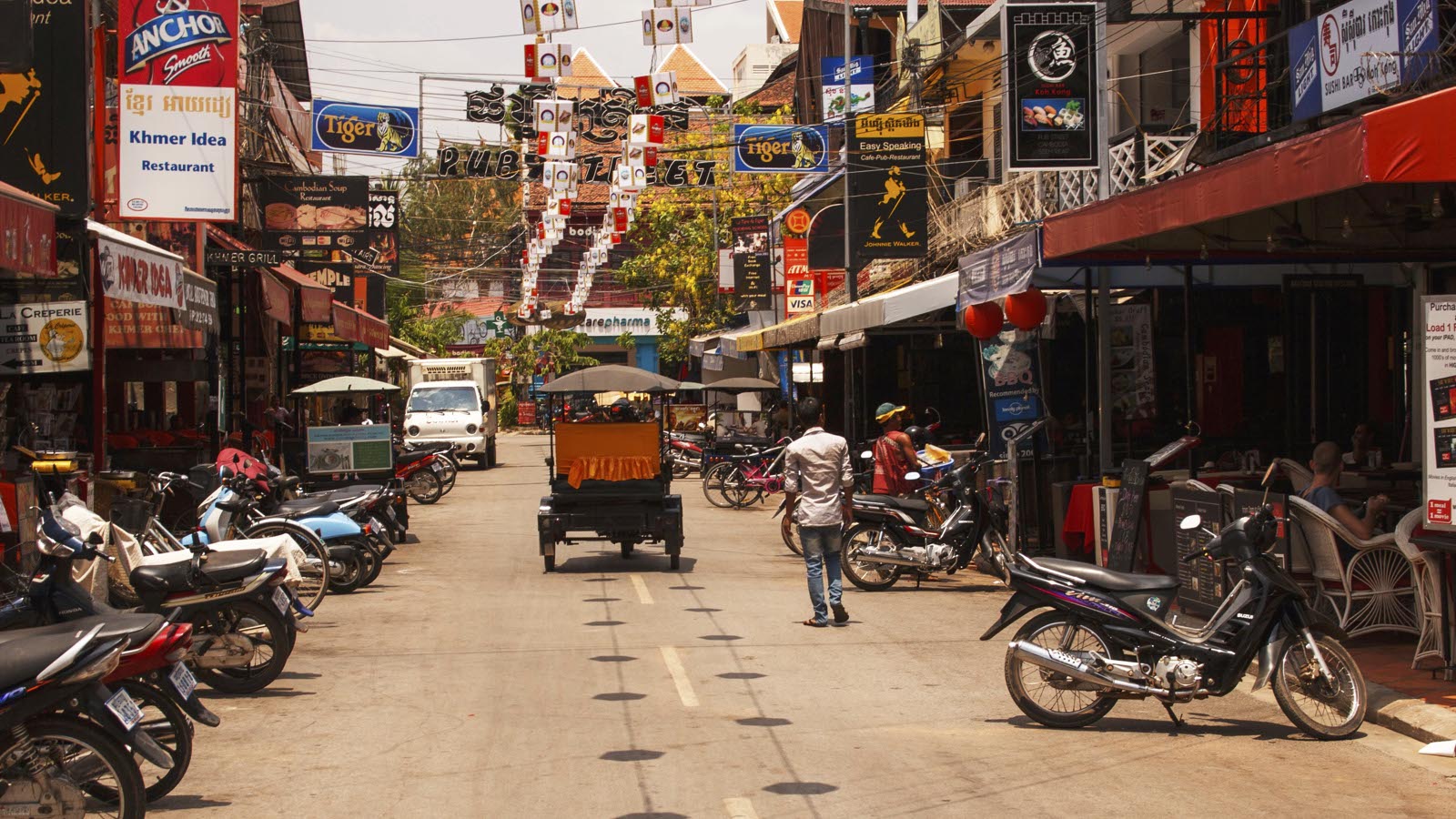
Siem Reap combines cultural atmosphere, markets and hospitality with access to the Angkor region. The town offers a balance between local life, gastronomy and slower exploration within a relaxed and welcoming environment.
Travellers can experience Cambodian cuisine, cafés and traditional arts while maintaining strong connection with nearby heritage landscapes.
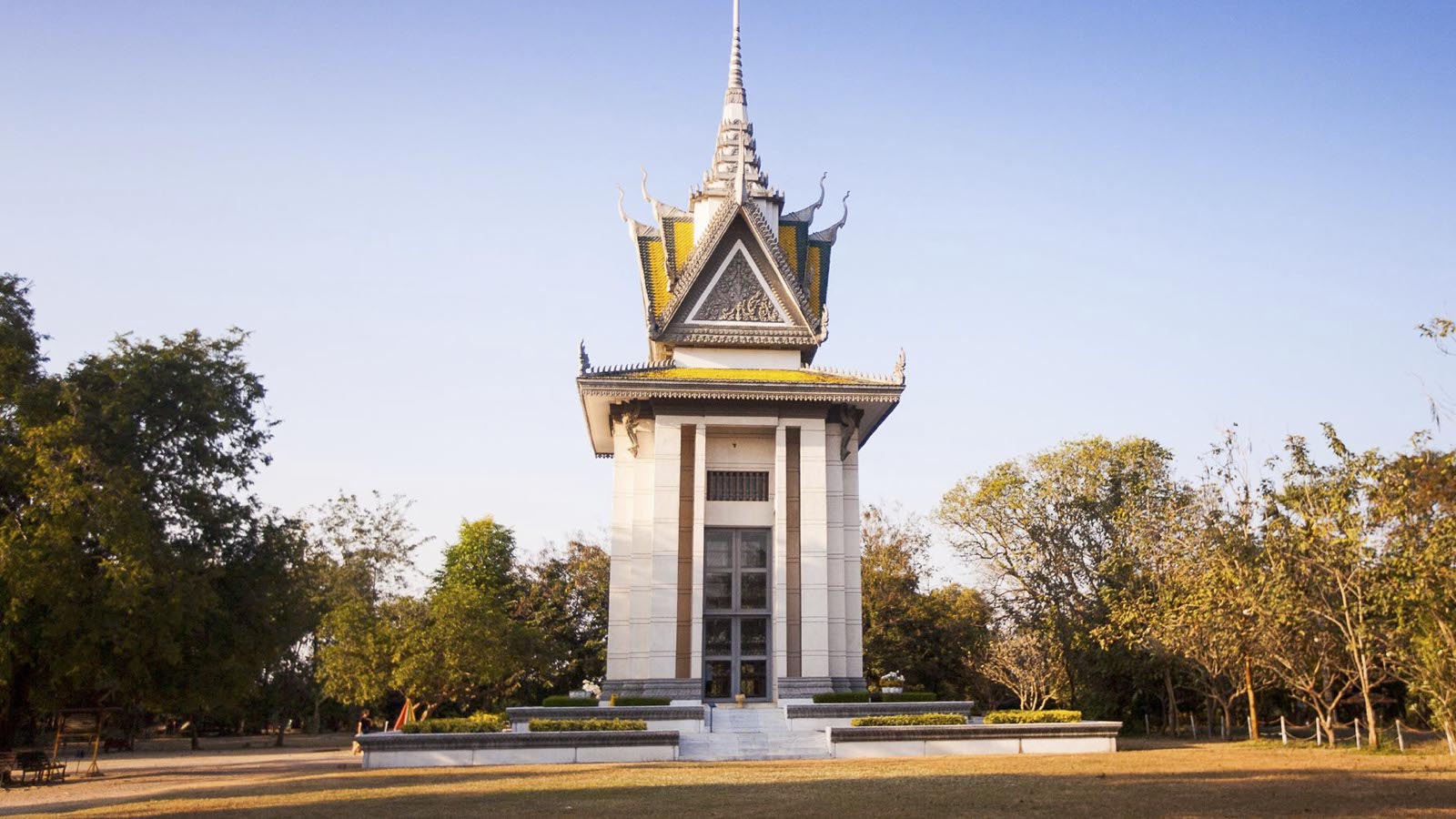
Phnom Penh provides insight into Cambodia’s modern identity through riverside life, markets and historical landmarks connected to the country’s past. The capital combines colonial influences, Buddhist culture and contemporary Cambodian urban life.
Travelling through Phnom Penh often feels emotionally engaging because of the city’s layered history and strong local atmosphere.
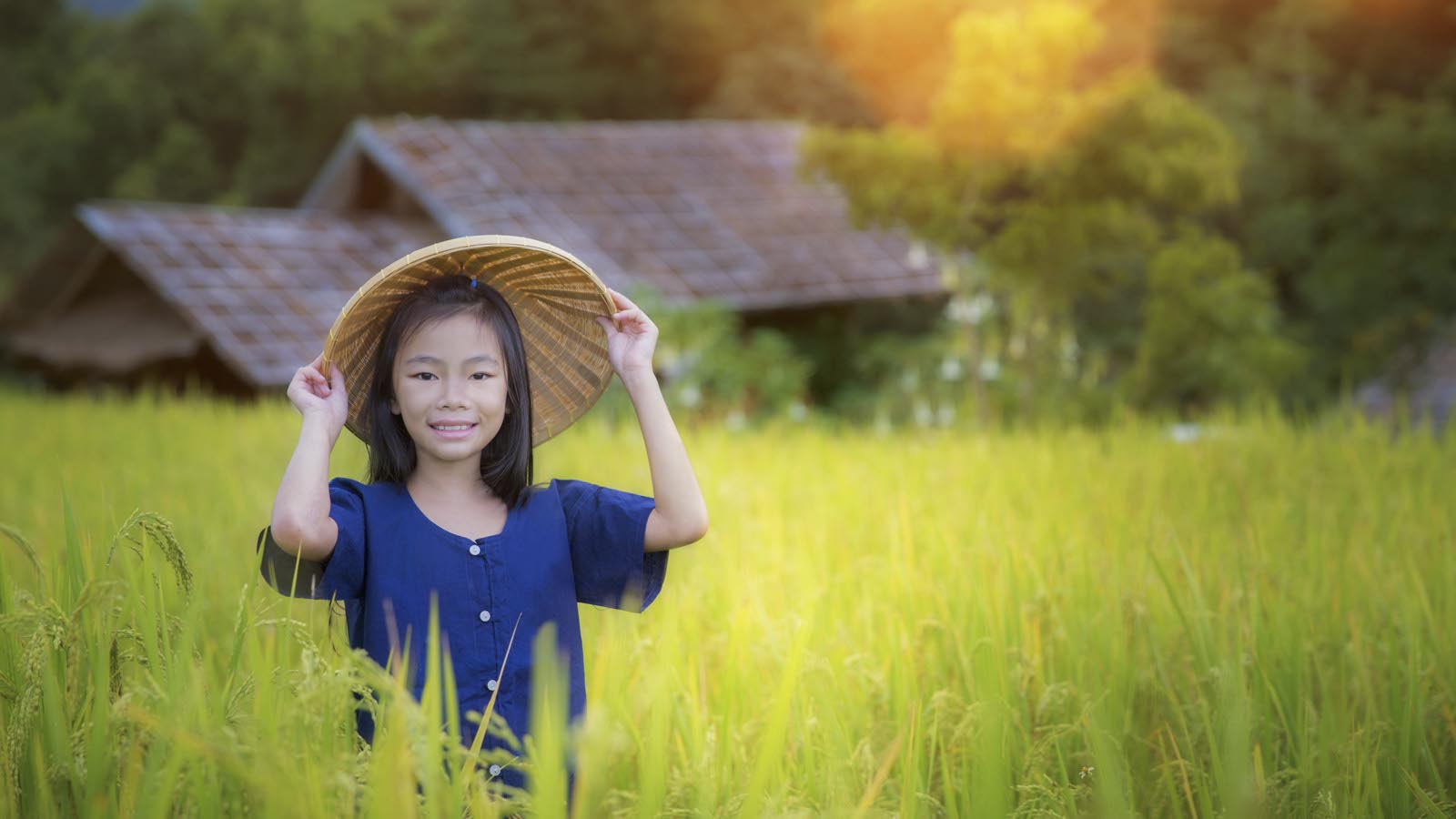
Cambodia’s rivers and rural regions provide opportunities for scenic travel and slower immersion in local life. Countryside landscapes, rice fields and small villages reveal another side of the country beyond its major landmarks.
Overland and riverside travel frequently becomes an important part of experiencing Cambodia’s atmosphere and rhythm.
The southern coast and nearby islands offer quieter tropical environments with beaches, fishing communities and slower travel rhythms. Coastal Cambodia appeals particularly to travellers seeking simplicity and less commercialised island experiences.
Beach travel here is generally centred on relaxation and natural surroundings rather than intensive resort tourism.
Food forms an important part of travelling through Cambodia, with markets and local restaurants providing insight into regional flavours and everyday social life. Dining experiences are often relaxed and closely connected to local atmosphere.
Culinary exploration here frequently feels authentic and community-oriented rather than highly formal or tourism-driven.
Boutique hospitality has become an important part of Cambodia’s travel experience, particularly through heritage-inspired hotels, jungle lodges and riverside retreats focused on atmosphere and tranquillity.
Wellness travel here is often shaped by calm surroundings, slower rhythms and emotional restoration rather than highly structured luxury concepts.
Cambodia is especially rewarding for travellers who combine temples, cities, countryside and coastline within one itinerary. Different regions contribute unique atmospheres while maintaining strong cultural identity throughout the journey.
This diversity creates travel experiences that feel layered, reflective and deeply immersive from beginning to end.
Cambodia offers a deeply atmospheric Southeast Asian travel experience shaped by ancient temples, river landscapes and resilient cultural identity. The country combines spiritual heritage, tropical scenery and authentic local life within a destination that feels immersive, emotional and visually distinctive.
Travellers can move between archaeological wonders, colonial towns, countryside regions and tropical coastline while continuously experiencing slower rhythms and strong cultural connection. Cambodia is particularly rewarding for travellers seeking history, authenticity and journeys shaped by atmosphere as much as by landmarks.
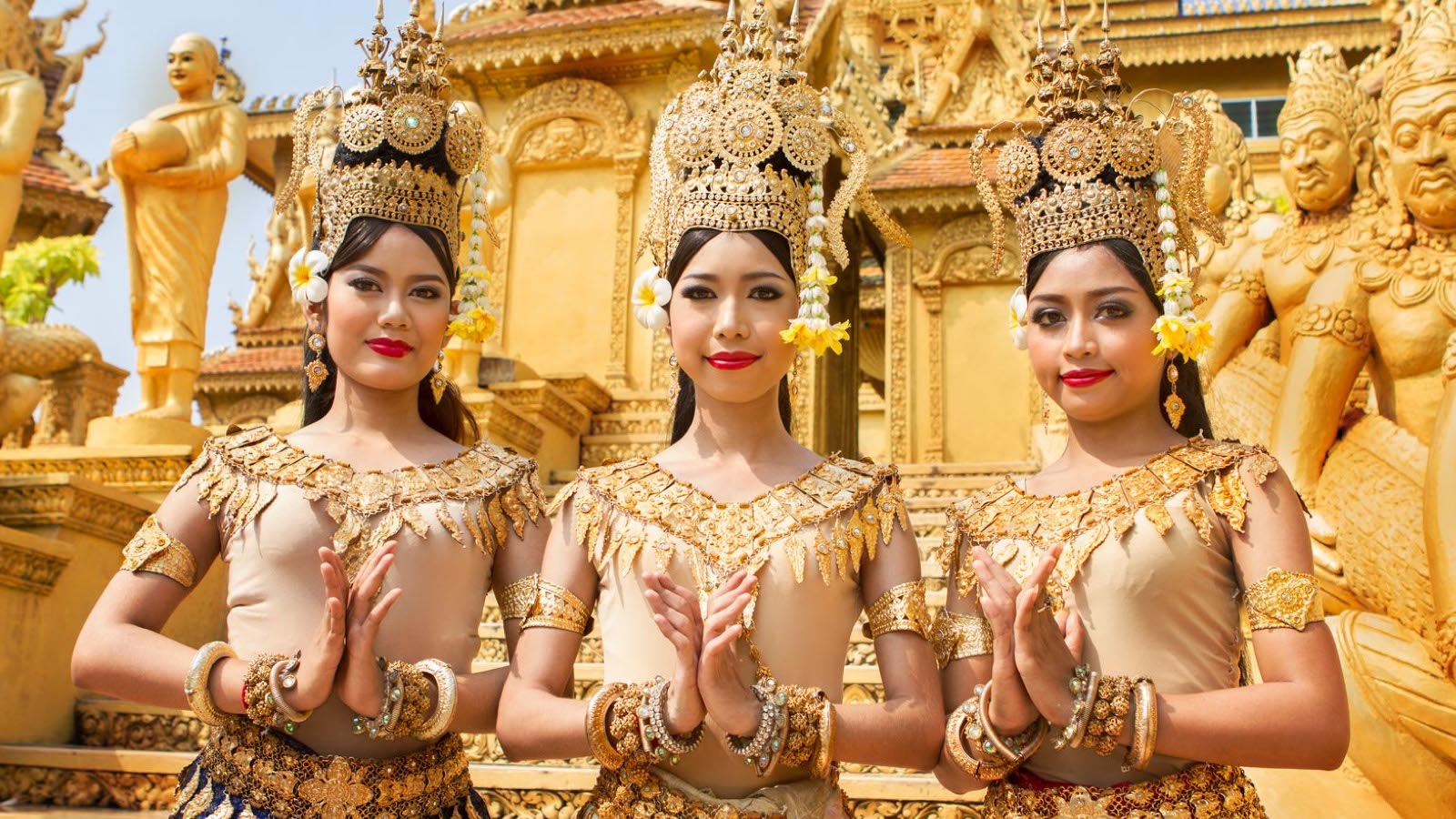
Cambodia’s cultural identity is strongly connected to its Khmer heritage, Buddhist traditions and historic legacy visible throughout the country. Destinations such as Siem Reap and Phnom Penh provide highly immersive cultural environments where temples, markets and local life remain closely integrated.
Cultural travel here often feels emotionally powerful because history and spirituality continue to shape everyday rhythms and social atmosphere.
The country is internationally recognised for Angkor and its extraordinary temple landscapes, which provide some of the world’s most iconic archaeological experiences. Temple exploration in Cambodia often feels immersive and cinematic because ruins remain deeply connected to jungle environments and spiritual atmosphere.
Travellers frequently experience these sites as emotional highlights due to their scale, symbolism and visual impact.
Cambodia appeals strongly to travellers seeking authentic and immersive experiences shaped by local communities, slower travel rhythms and meaningful cultural interaction. Markets, riverside towns and countryside landscapes contribute naturally to the journey.
The destination encourages observation and gradual exploration rather than fast-paced tourism or highly commercialised travel environments.
Beyond its temples, Cambodia offers rivers, countryside landscapes, forests and tropical coastline that create strong environmental contrast and opportunities for scenic travel. Overland journeys frequently become rewarding parts of the experience themselves.
Nature travel here often feels calm and restorative while remaining closely connected to local life and atmosphere.
Cambodia’s southern coastline and islands provide quieter tropical experiences compared with some neighbouring beach destinations. Coastal travel generally focuses on simplicity, relaxation and natural surroundings rather than large-scale resort tourism.
The beaches and islands appeal especially to travellers seeking slower and less commercialised tropical escapes.
The country has developed a growing boutique hospitality sector combining heritage hotels, jungle retreats and luxury resorts with strong local identity and atmosphere. Luxury travel in Cambodia often focuses on cultural immersion, personalised service and scenic integration.
Many properties are designed around tranquillity, architecture and emotional connection with the surrounding environment.
Cambodia naturally supports slower and wellness-oriented travel styles through its spiritual atmosphere, countryside landscapes and calm hospitality environments. Wellness travel here is generally understated and closely connected to simplicity and emotional balance.
Travellers frequently experience a strong sense of reflection and disconnection from routine throughout the journey.
Cambodia is particularly rewarding for travellers willing to combine cities, temples, countryside and coastline within one itinerary. Different regions contribute distinct atmospheres while maintaining strong cultural continuity.
This diversity creates journeys that feel layered, authentic and emotionally memorable throughout the travel experience.
The best time to visit Cambodia is generally during the dry season, between November and April, when temperatures are more comfortable and conditions are ideal for cultural sightseeing and regional exploration.
This period is particularly popular for visiting temple complexes, river regions and coastal areas, although Cambodia can still offer rewarding experiences throughout much of the year depending on the style of itinerary.
Most international travellers require a visa to enter Cambodia, although the process is usually straightforward and many nationalities can apply online for an electronic tourist visa.
As visa regulations may change over time, travellers should always verify the latest entry requirements through official Cambodian government or consular sources before departure.
Cambodia is generally considered safe for tourism, particularly in well-established visitor areas such as Siem Reap, Phnom Penh and major cultural destinations.
Travellers should still take normal precautions regarding valuables, transport arrangements and busy urban environments, especially when travelling independently.
The official currency of Cambodia is the Cambodian Riel (KHR), although US Dollars are widely used and accepted throughout much of the country.
Cash remains important in many local areas, although cards are increasingly accepted in hotels, restaurants and tourism-related businesses.
Travelling around Cambodia is relatively straightforward through a combination of road transport, private transfers and short regional flights connecting the country’s main tourism areas.
Many travellers use organised transfers between destinations such as Siem Reap, Phnom Penh and coastal regions in order to travel comfortably and efficiently.
A stay of five to eight days is ideal for most travellers wishing to experience Cambodia’s key cultural highlights, particularly Angkor Wat and the country’s main historical regions.
Longer stays can be especially rewarding for travellers interested in slower cultural immersion, rural landscapes or combining Cambodia with neighbouring Southeast Asian destinations.
Yes, Cambodia is exceptionally well suited to multi-country itineraries and is commonly combined with Thailand, Vietnam or Laos.
Its location, regional flight connections and cultural contrast make Cambodia an excellent addition to broader Southeast Asia journeys focused on heritage, food, nature and immersive travel experiences.
Explore a visual glimpse of Cambodia through images that capture its temples, landscapes and culture.
Discover the scenes that define this immersive destination.