China
Home All Destinations China

China is one of the world’s most expansive and culturally rich destinations, where ancient history and modern development exist side by side. From imperial landmarks and historic cities to vast landscapes and dynamic urban centres, the country offers a travel experience defined by scale and diversity.
Travellers can explore centuries-old heritage, contrasting regions and evolving cities, creating journeys that reveal multiple layers of culture and identity. China’s magnitude and complexity make it a destination that is both immersive and deeply engaging.
China offers an extraordinary variety of destinations combining imperial cities, futuristic urban centres and dramatic natural landscapes across one of the world’s most geographically and culturally diverse countries. Different regions provide varied travel atmospheres ranging from luxury metropolitan environments and heritage districts to mountain retreats and traditional villages.
The destination is especially well suited to multi-region itineraries where travellers can balance culture, discovery and scenic exploration.
Beijing is China’s historical and political centre, combining imperial landmarks, cultural heritage and modern urban rhythm within one of Asia’s most important capitals.
Accommodation ranges from luxury international hotels and heritage courtyard stays to contemporary lifestyle properties integrated into historic districts.
Shanghai offers a highly cosmopolitan atmosphere through skyline architecture, waterfront districts and contemporary cultural energy within one of Asia’s most dynamic cities.
Accommodation includes luxury skyscraper hotels, boutique design stays and elegant waterfront properties connected closely to the city’s modern identity.
Guilin provides some of China’s most iconic natural scenery through rivers, karst mountains and rural landscapes that create highly immersive travel environments.
Accommodation often focuses on boutique nature lodges, riverside retreats and luxury scenic resorts designed around environmental immersion.
Yunnan offers slower rhythms, mountain landscapes and strong cultural diversity within one of China’s most atmospheric and visually rich regions.
Accommodation includes heritage-inspired boutique stays, countryside retreats and culturally immersive lodges integrated into local communities and landscapes.
China has developed a sophisticated hospitality sector centred on contemporary luxury, cultural identity and strong architectural design.
Luxury travel here is generally experience-oriented and visually refined while maintaining strong connection with local aesthetics and regional atmosphere.
The country naturally supports wellness-oriented travel through tea regions, mountain resorts and slower hospitality environments shaped by nature and traditional philosophy.
These stays appeal especially to travellers seeking emotional balance, scenic immersion and culturally rooted relaxation.
China’s historic towns provide accommodation experiences connected closely to heritage architecture, local traditions and slower travel rhythms.
Many stays focus on authenticity, atmosphere and emotional immersion within culturally rich environments.
China is best experienced through itineraries that combine cities, heritage regions and scenic landscapes in order to reveal the country’s extraordinary environmental and cultural diversity.
This structure creates journeys that feel expansive, immersive and emotionally rich while maintaining continuity through Chinese heritage, hospitality and identity.
The best time to visit China is during spring (April to June) and autumn (September to October), when the weather is more moderate across most regions. Summer can be hot and busy, while winter offers quieter travel conditions in many areas.
China has a diverse climate, with significant regional variation.
Major festivals, such as Chinese New Year, influence travel patterns.
The local currency is the Chinese Yuan (CNY).
Chinese cuisine is varied and regionally distinct.
China offers a travel experience shaped by ancient civilisation, futuristic cities and extraordinary natural diversity across one of the world’s most culturally immersive destinations. Travellers can explore imperial landmarks, mountain landscapes and vibrant urban centres while experiencing journeys that feel expansive, dynamic and deeply memorable.
The country rewards experiential travel where heritage, regional identity and environmental contrast become central parts of the journey.
Beijing combines imperial architecture, cultural landmarks and modern urban rhythm within one of Asia’s most historically significant capitals.
The city often feels emotionally layered because ancient history and contemporary life remain deeply interconnected throughout daily atmosphere.
Shanghai reveals China’s contemporary identity through skyline architecture, waterfront districts and highly dynamic cosmopolitan energy.
Urban exploration here often feels visually striking because innovation and tradition coexist so closely throughout the city.
China’s landscapes range from dramatic mountain ranges and rice terraces to river valleys and rural villages that create some of Asia’s most visually extraordinary travel environments.
Nature travel here frequently feels cinematic because scenery and cultural atmosphere remain closely connected.
The country’s historic towns and traditional regions reveal another dimension of China through temples, local markets and slower travel rhythms shaped by centuries of cultural continuity.
Cultural exploration here often feels immersive because traditions remain strongly integrated into everyday life.
Cuisine forms an essential part of travelling through China, reflecting enormous regional diversity and deeply rooted culinary traditions.
Food experiences here often become defining highlights because flavours, ingredients and dining culture vary so dramatically across the country.
Tea houses, mountain retreats and traditional wellness practices contribute strongly to slower and more reflective travel experiences throughout China.
Travellers frequently experience emotional balance and cultural immersion through quieter regions and traditional hospitality environments.
China offers a sophisticated hospitality sector combining luxury city stays, heritage-inspired properties and nature-integrated resorts designed around comfort and atmosphere.
Relaxation travel here is often associated with scenic immersion, personalised hospitality and cultural refinement.
China is especially rewarding for travellers seeking a combination of culture, cities and dramatic landscapes within one highly diverse destination. Different regions provide extraordinary variation while maintaining continuity through heritage and identity.
This diversity creates journeys that feel expansive, immersive and emotionally unforgettable from beginning to end.
China offers one of the world’s most expansive and culturally layered travel experiences, combining ancient heritage, futuristic cities and extraordinary natural diversity across a destination shaped by history, scale and transformation. The country balances tradition, innovation and dramatic landscapes in a way that creates journeys that feel immersive, dynamic and emotionally unforgettable.
Travellers can move between imperial capitals, mountain landscapes, rural villages and ultra-modern skylines while continuously experiencing strong cultural identity and environmental contrast. China is particularly rewarding for travellers seeking heritage, discovery and multi-region journeys shaped by both ancient civilisation and contemporary energy.
China is internationally recognised for its extraordinary historical depth through temples, imperial architecture, ancient cities and cultural traditions that span thousands of years.
Cultural travel here often feels deeply immersive because heritage remains highly visible throughout daily life, public spaces and regional identity.
Cities such as Beijing, Shanghai and Shenzhen reveal another side of China through futuristic architecture, technology and highly dynamic urban environments.
Urban travel here often feels energetic and visually striking because modernity and historical continuity coexist remarkably closely.
The country offers extraordinary environmental diversity through mountains, rivers, rice terraces and desert landscapes that create some of Asia’s most dramatic travel scenery.
Scenic travel frequently becomes one of the defining parts of the journey because landscapes vary so dramatically between regions.
China appeals strongly to travellers seeking immersive cultural experiences shaped by local markets, traditional communities and regional lifestyles that differ greatly across the country.
Travelling here often feels emotionally engaging because each region maintains strong local identity and atmosphere.
China offers a sophisticated hospitality sector combining luxury city hotels, heritage-inspired resorts and nature-integrated retreats designed around comfort and cultural atmosphere.
Luxury travel here often balances contemporary elegance with strong connection to local aesthetics and regional identity.
Cuisine forms an essential part of travelling through China, reflecting extraordinary regional diversity through flavours, cooking traditions and local dining culture.
Food travel here often becomes a defining aspect of the journey because gastronomy remains deeply connected to geography and cultural identity.
The country naturally supports slower and reflective travel styles through mountain retreats, tea culture and traditional wellness practices connected closely to philosophy and nature.
Travellers frequently experience emotional balance through quieter landscapes and culturally rooted hospitality environments.
China is particularly rewarding for travellers willing to combine cities, heritage sites and scenic regions within one itinerary. Beijing, Guilin and Yunnan all provide dramatically different atmospheres while maintaining continuity through Chinese culture and history.
This diversity creates journeys that feel expansive, immersive and emotionally unforgettable throughout the travel experience.
Spring and autumn are generally considered the best times to visit China, as temperatures are often more comfortable and conditions are ideal for combining cities, cultural landmarks and scenic regions.
Due to the country’s vast size, climate conditions can vary significantly between regions, so the ideal travel period may depend on the specific itinerary and experiences included in the journey.
Most international travellers require a visa before travelling to China, although entry policies and visa exemptions can vary depending on nationality and transit arrangements.
As regulations may change over time, travellers should always verify the latest visa requirements and entry procedures through official Chinese government or consular sources before departure.
China is generally considered a safe destination for international travellers, particularly within major cities, tourism regions and organised travel routes.
Travellers should still take standard precautions regarding valuables, travel documents and busy public areas, especially in large urban centres and transport hubs.
The official currency of China is the Chinese Yuan (CNY), also known as Renminbi (RMB).
Digital payments are extremely common throughout the country, although international travellers may still find cash and international cards useful in certain situations depending on the region and provider.
Travelling around China is relatively efficient thanks to the country’s extensive high-speed rail network and strong domestic flight connections between major cities and tourism regions.
High-speed trains are particularly popular for medium-distance travel, offering comfortable and well-organised connections across many parts of the country.
A stay of 10 to 16 days is ideal for most travellers wishing to combine several regions such as Beijing, Shanghai, cultural heritage areas and scenic landscapes within one itinerary.
Longer journeys can be especially rewarding for travellers interested in deeper cultural immersion, regional diversity and slower multi-centre exploration.
Yes, China is exceptionally well suited to structured multi-centre itineraries thanks to its extraordinary geographic, cultural and historical diversity.
Travellers can combine imperial cities, futuristic skylines, mountain landscapes, traditional villages and regional culinary experiences within one journey, creating highly immersive and visually unforgettable travel experiences.
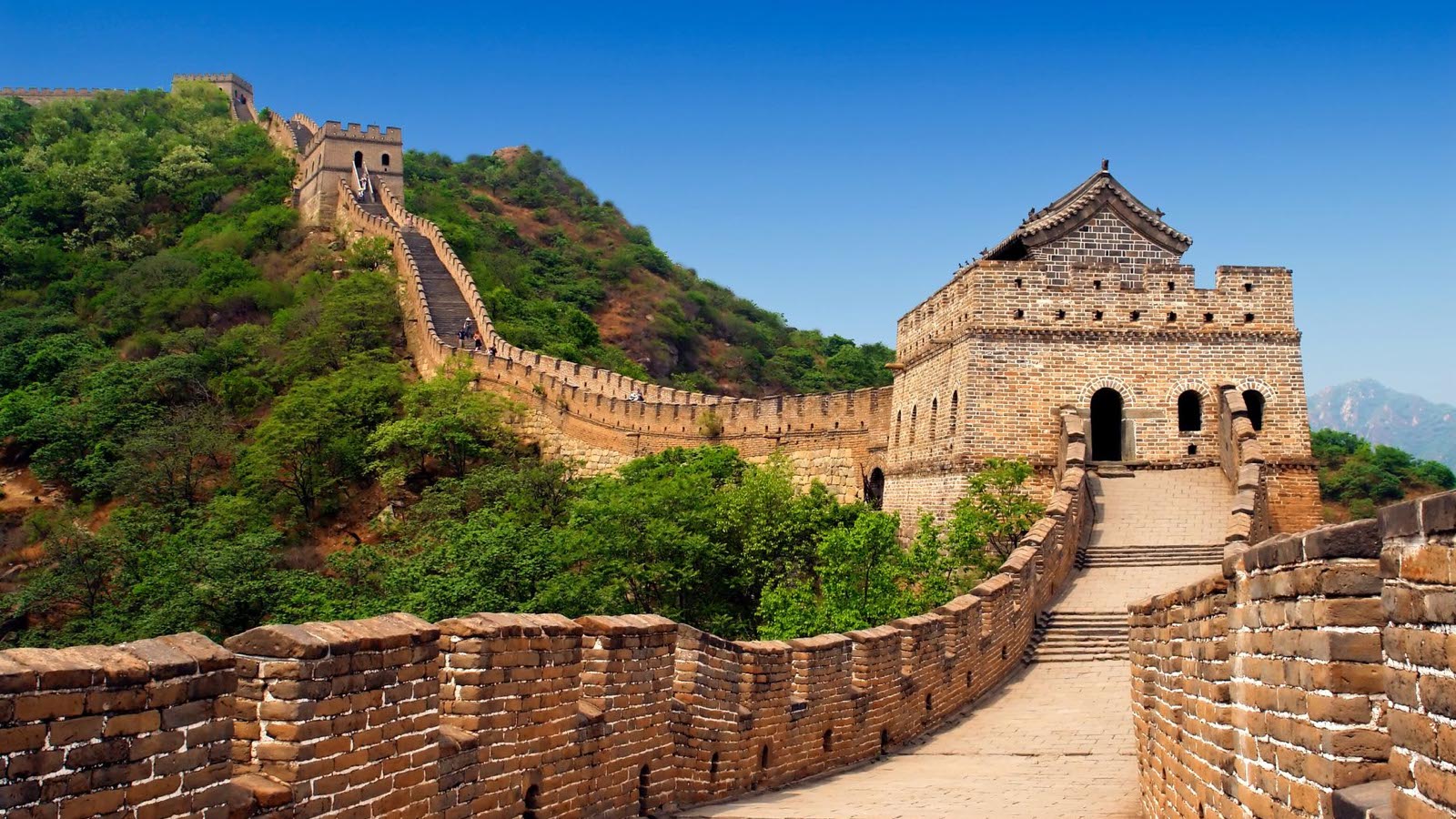
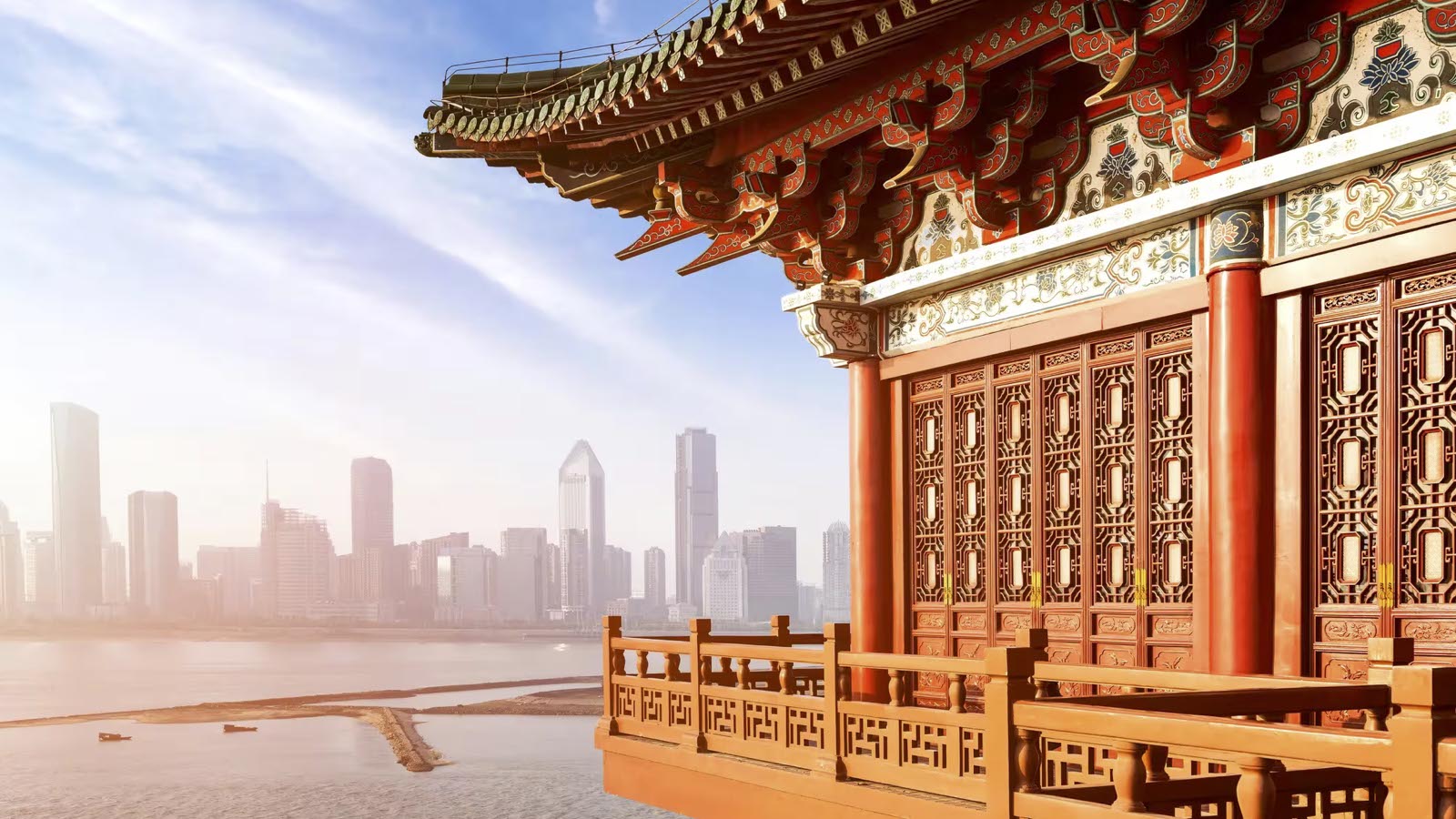
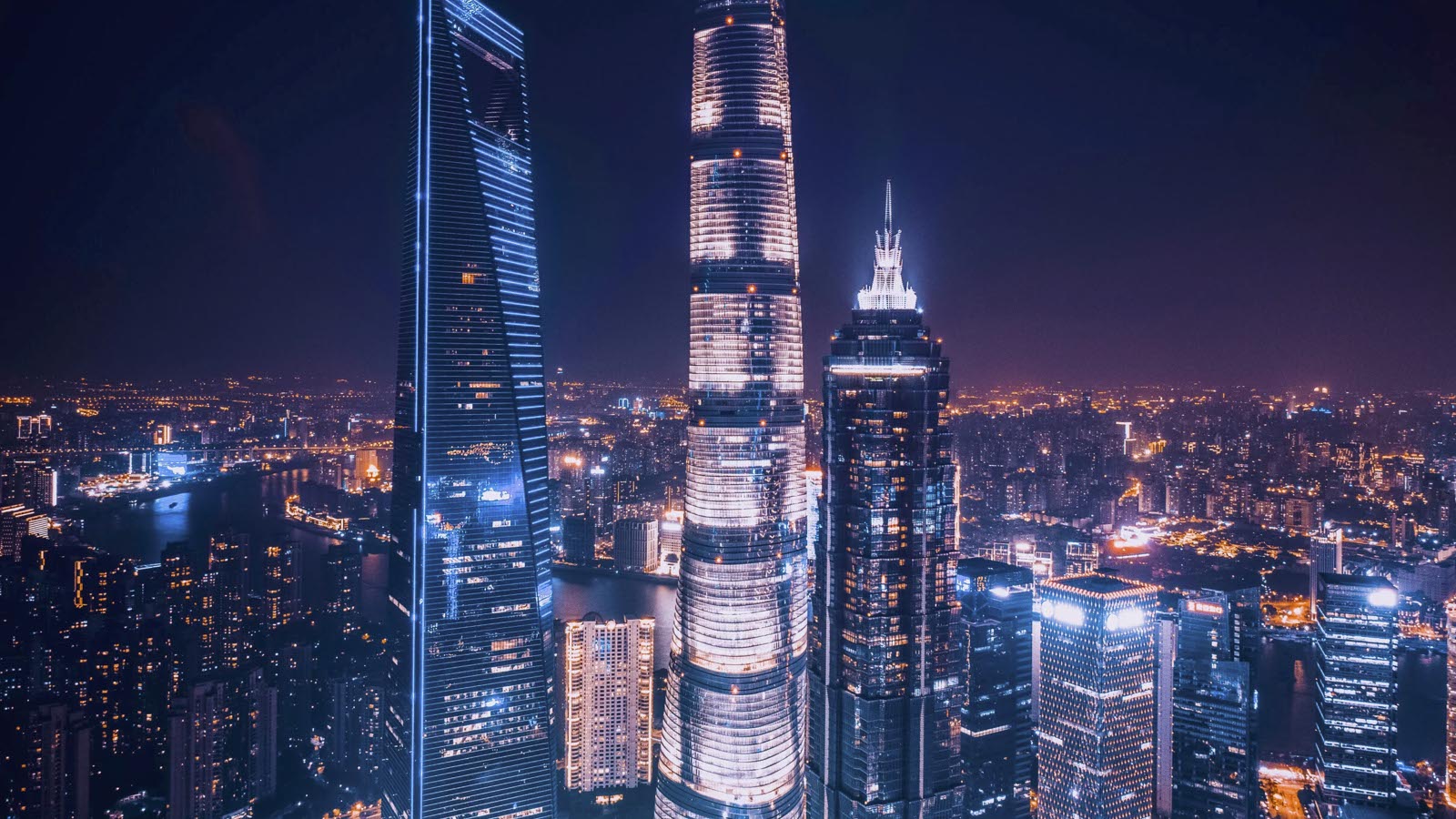
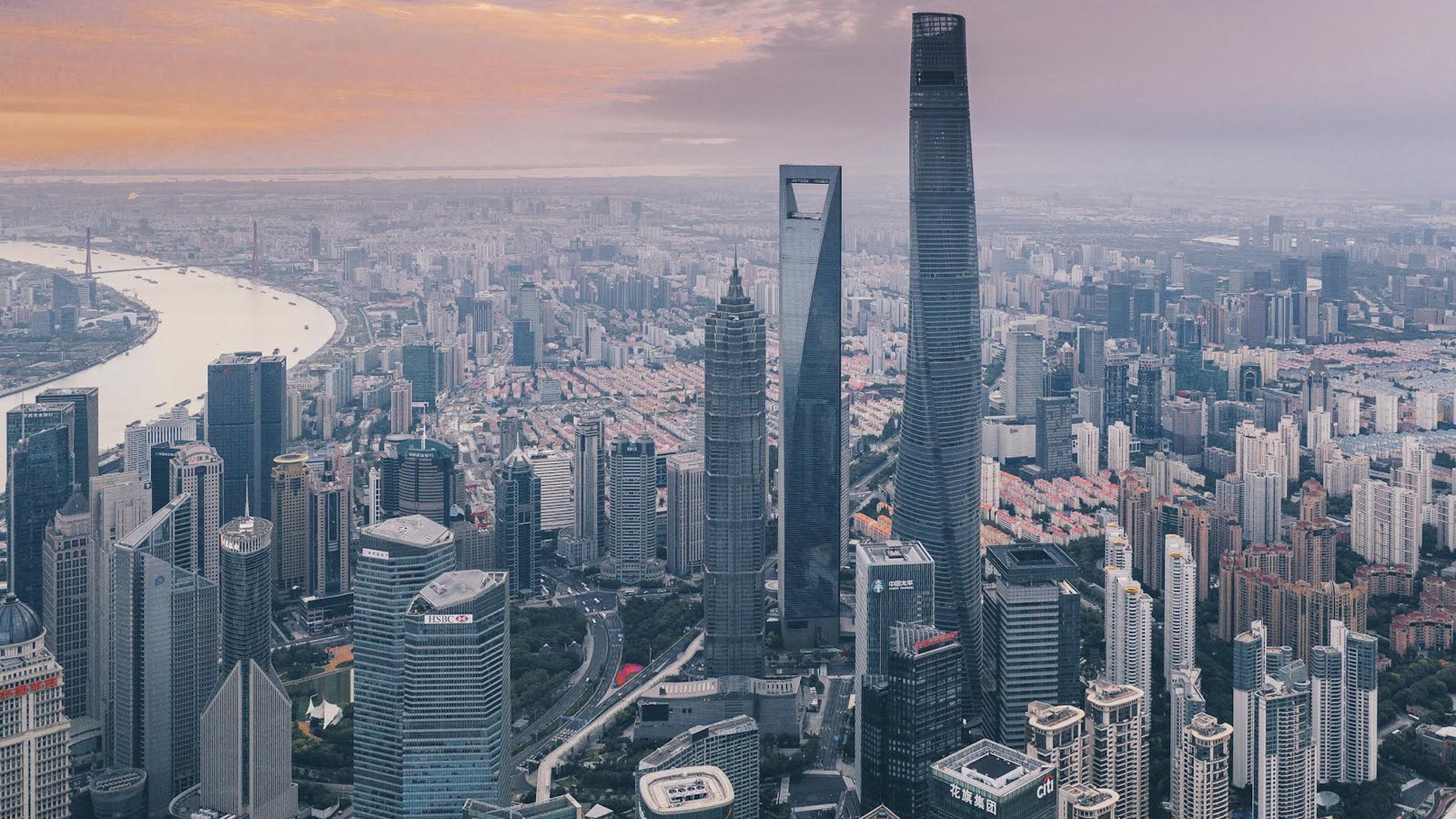
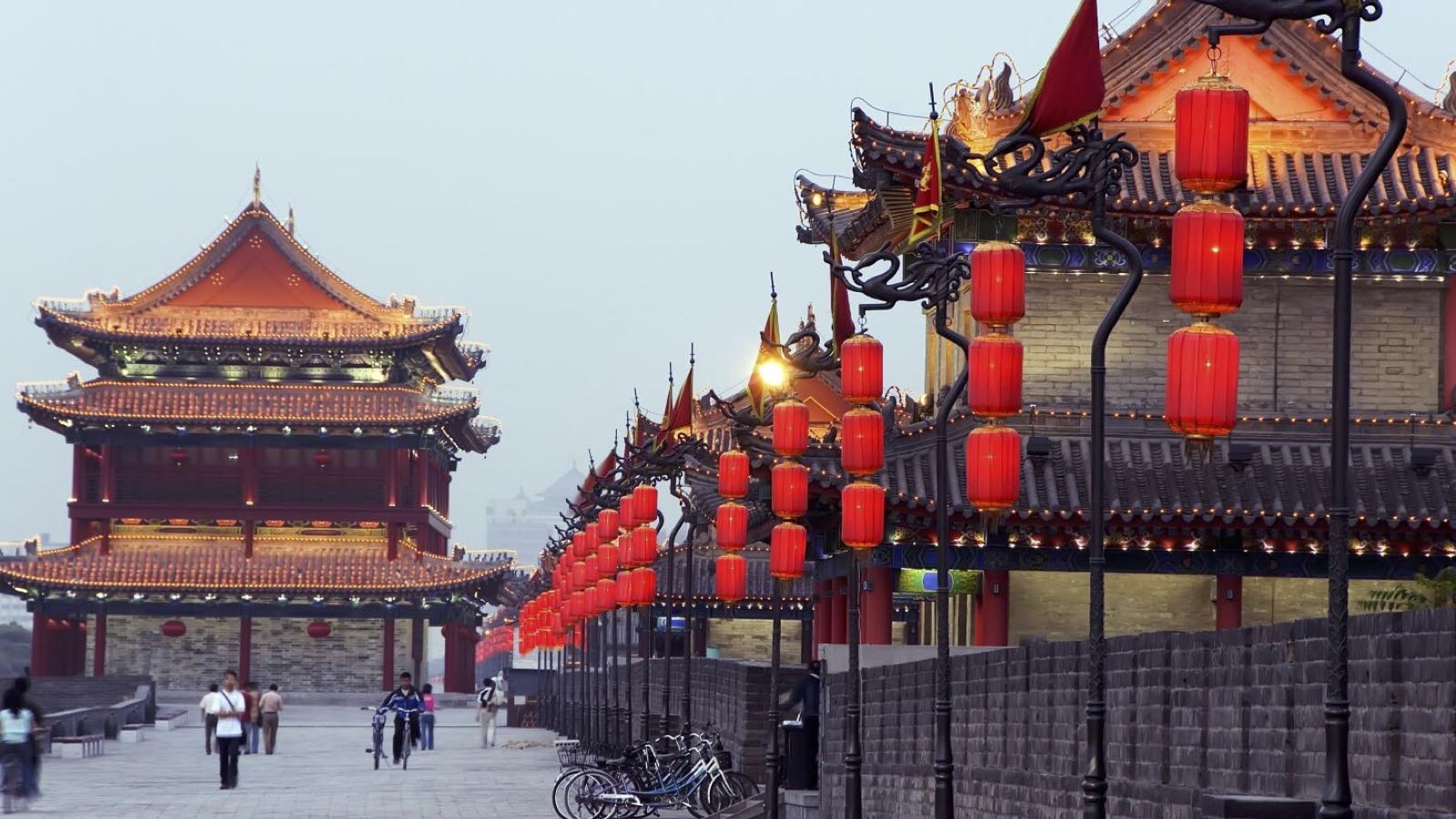
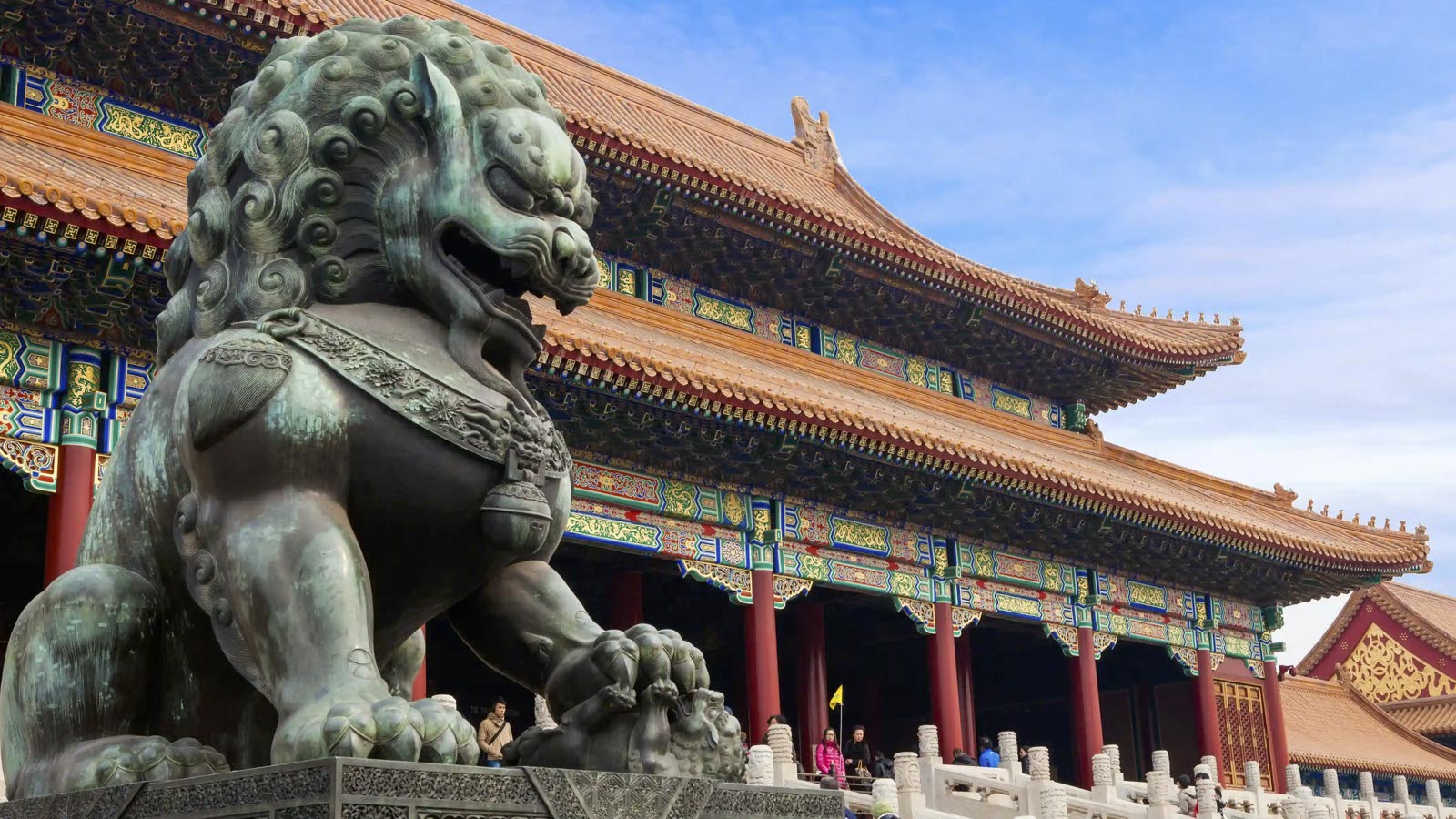
Explore a visual glimpse of China through images that capture its landmarks, cities and landscapes.
Discover the scenes that define this vast and diverse destination.