Costa Rica
Home All Destinations Costa Rica

Costa Rica is a destination defined by nature, where rainforests, volcanoes and coastlines come together in a compact and accessible landscape. Known for its biodiversity and commitment to conservation, the country offers a travel experience centred on exploration, wildlife and outdoor activities.
From the cloud forests of Monteverde to the beaches of the Pacific coast and the volcanic landscapes of Arenal, Costa Rica provides a balance of adventure and relaxation. Its welcoming atmosphere and well-developed infrastructure make it an ideal destination for travellers seeking both nature and ease of travel.
Costa Rica offers a diverse range of destinations shaped by rainforests, volcanoes, beaches and mountain landscapes. Each region presents a distinct atmosphere and environmental identity, allowing travellers to create itineraries that balance adventure, nature and relaxation throughout the journey.
The destination is particularly well suited to multi-centre travel where travellers move gradually between volcanic regions, wildlife areas, cloud forests and coastal environments while continuously experiencing strong environmental contrast.
San José acts as Costa Rica’s main gateway and transport hub, providing access to the country’s different regions and landscapes. While many travellers stay briefly before continuing towards nature-focused destinations, the Central Valley also offers cultural sites, coffee regions and scenic mountain surroundings.
Accommodation ranges from modern city hotels to boutique properties and countryside retreats located in the surrounding hills and plantation areas.
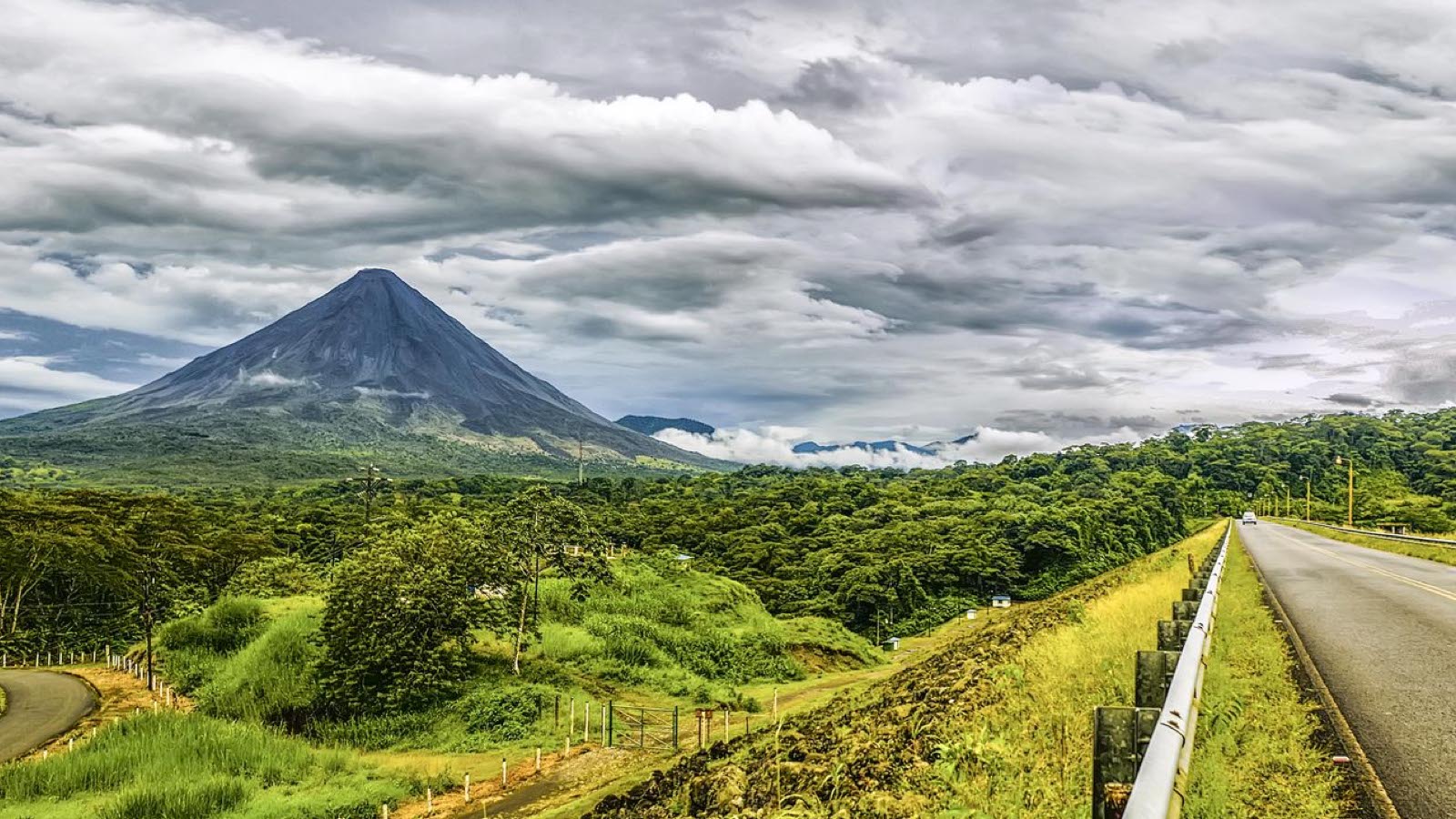
Arenal is one of Costa Rica’s most iconic destinations, known for volcanic landscapes, rainforest environments and geothermal activity. The region combines outdoor adventure with relaxation, making it one of the country’s most balanced travel areas.
Accommodation often focuses on volcano views, hot springs and integration with the surrounding rainforest. Eco-lodges, luxury resorts and nature-focused retreats are especially popular throughout the area.
Monteverde offers a cooler and more elevated environment characterised by cloud forests, biodiversity and scenic mountain landscapes. The region appeals particularly to travellers interested in nature observation, walking trails and slower-paced exploration.
Accommodation here is generally smaller in scale and closely integrated into the surrounding environment, ranging from eco-lodges and boutique hotels to nature retreats with panoramic forest views.
Costa Rica’s Pacific coastline includes a wide variety of beach destinations ranging from lively surf towns to quieter and more exclusive coastal retreats. Regions such as Guanacaste and Manuel Antonio combine beaches, tropical scenery and strong access to outdoor activities.
Accommodation along the Pacific coast ranges from eco-luxury resorts and beachfront villas to boutique hotels integrated into jungle and coastal environments. Many travellers combine these stays with inland rainforest and volcanic regions.
Manuel Antonio combines rainforest landscapes, beaches and wildlife within one of Costa Rica’s most accessible coastal national park regions. Travellers can experience monkeys, tropical vegetation and ocean views within relatively compact distances.
The area is particularly popular for travellers seeking a balance between beach relaxation and nature immersion. Accommodation frequently focuses on scenic views and direct connection with the surrounding environment.
The Caribbean side of Costa Rica offers a different cultural and environmental atmosphere compared with the Pacific regions, combining tropical coastline, rainforest scenery and Afro-Caribbean influences. The pace of travel here tends to feel slower and more relaxed.
Accommodation ranges from rustic beachfront stays to boutique eco-lodges surrounded by tropical vegetation and coastal landscapes. The region appeals particularly to travellers seeking quieter and less developed environments.
Costa Rica is internationally recognised for its eco-lodge sector, with many properties designed around sustainability, environmental immersion and connection with local ecosystems. Accommodation often forms part of the nature experience itself rather than simply serving as a base for excursions.
Eco-lodges range from simple rainforest retreats to highly refined luxury properties that combine environmental responsibility with strong hospitality standards and scenic settings.
Luxury hospitality in Costa Rica is generally defined by landscape integration, privacy and experiential travel rather than large-scale urban sophistication. High-end properties often focus on rainforest environments, volcanic scenery and personalised service.
Wellness retreats, thermal resorts and boutique nature lodges create journeys centred on balance, relaxation and immersion in the surrounding environment, making Costa Rica particularly appealing for slower and restorative travel styles.
Costa Rica is best experienced through multi-region itineraries that combine volcanoes, rainforests, wildlife areas and coastlines within one journey. Travellers frequently move between different ecosystems and climates while maintaining manageable travel distances.
This structure creates itineraries that feel dynamic and immersive without becoming overly complex, allowing accommodation choices to shape the rhythm and atmosphere of the overall experience.
The best time to visit Costa Rica is generally during the dry season from December to April, when conditions are ideal for travel and outdoor activities. The green season from May to November brings more rainfall, but also lush landscapes and fewer crowds.
Costa Rica has a tropical climate, with variations depending on altitude and region.
The country celebrates a range of national holidays reflecting its culture and traditions.
The local currency is the Costa Rican Colón (CRC), though US dollars are widely accepted in tourist areas.
Costa Rican cuisine focuses on fresh ingredients, with a mix of local and international options.
Costa Rica offers a highly immersive travel experience centred on rainforests, wildlife, volcanoes and coastline. The country encourages active exploration and close interaction with nature, creating journeys shaped by biodiversity, landscapes and outdoor experiences rather than traditional urban sightseeing.
The destination’s compact geography allows travellers to move relatively easily between beaches, cloud forests and volcanic regions while continuously experiencing environmental diversity and changing atmospheres throughout the journey.
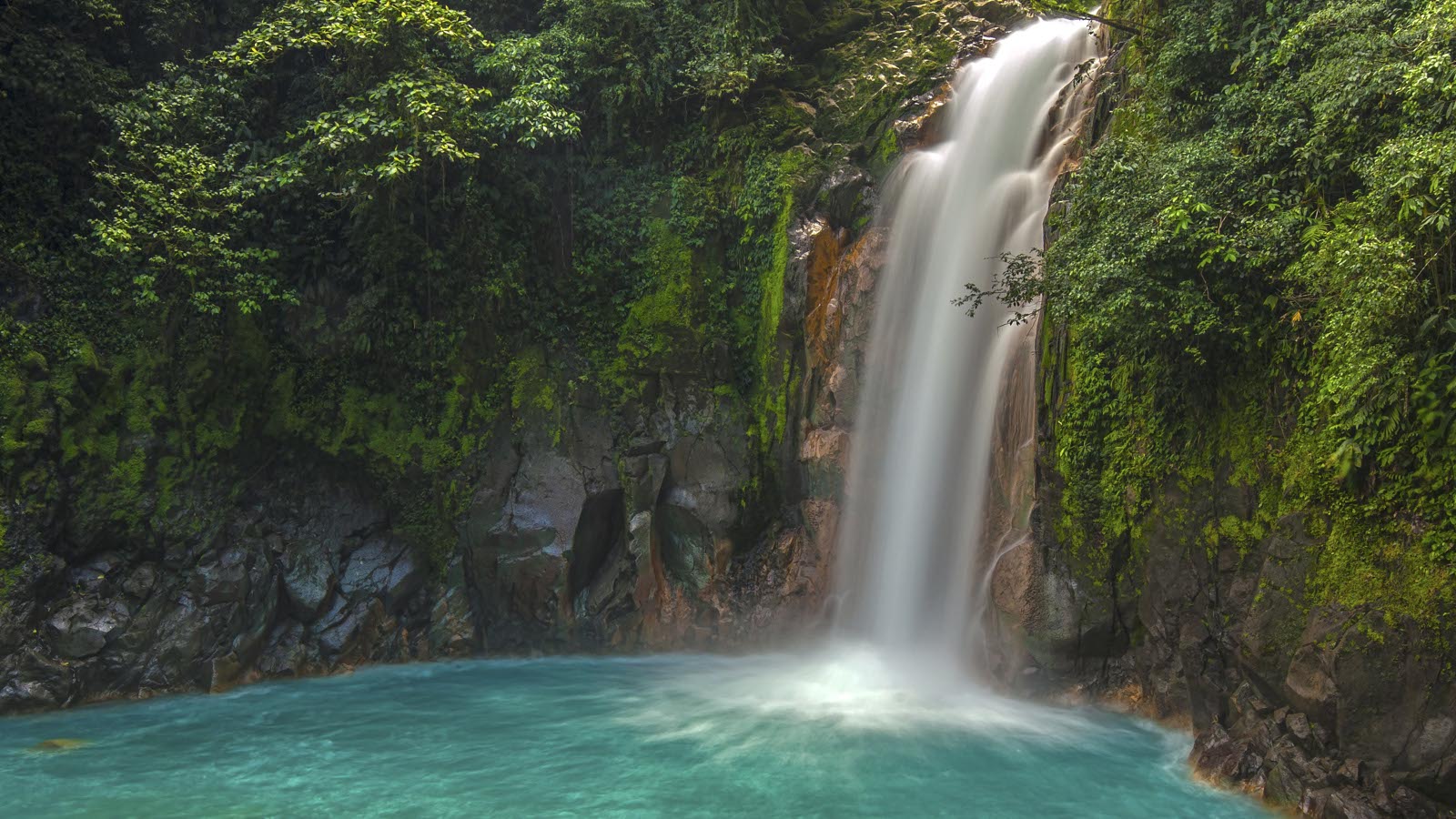
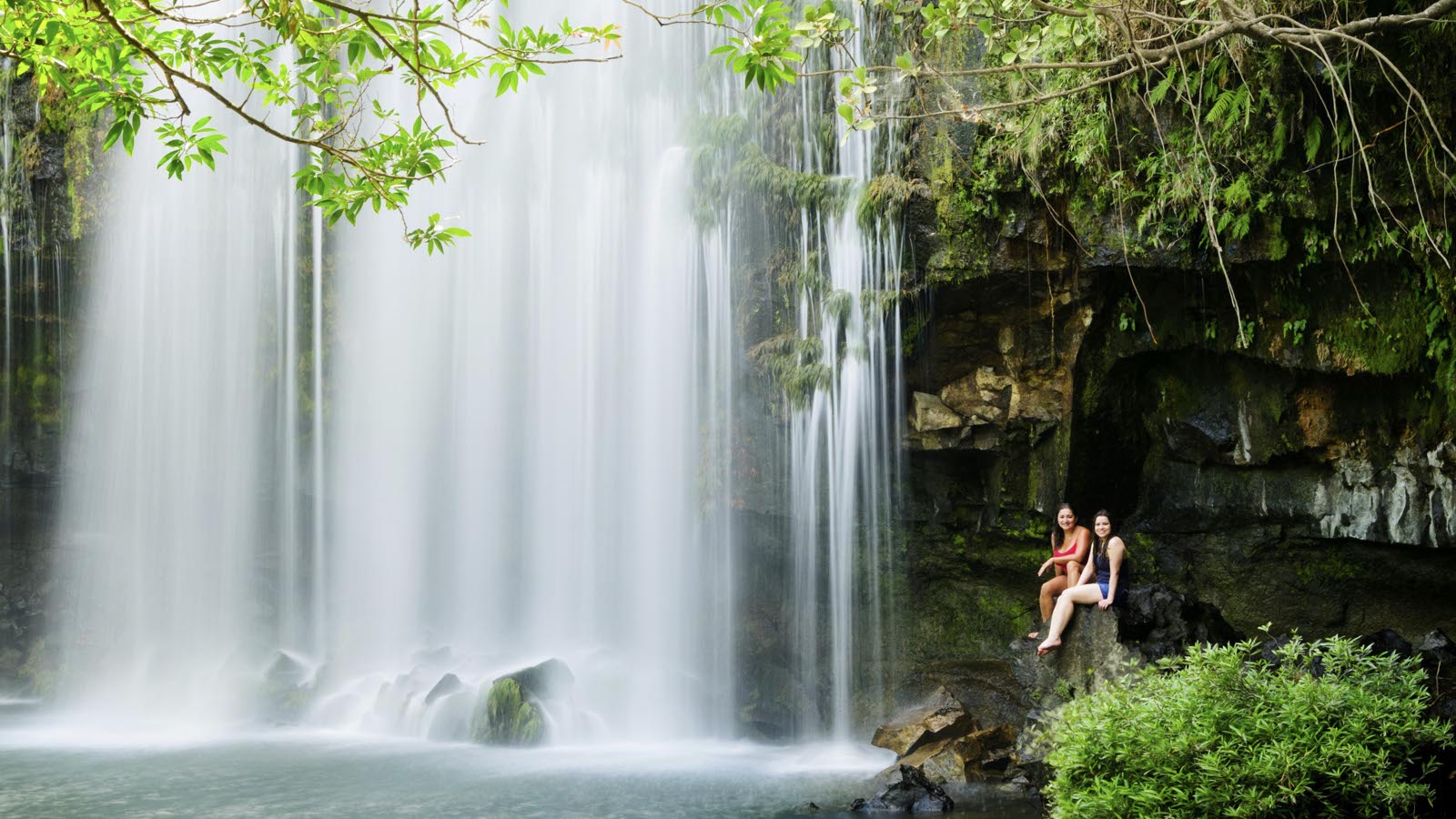
Costa Rica is internationally recognised for its protected natural areas and extraordinary biodiversity, with national parks and rainforest reserves forming a central part of many itineraries. Travellers can explore tropical forests filled with wildlife, waterfalls and scenic walking trails across different regions of the country.
Nature exploration often feels immersive and accessible because wildlife and rainforest environments remain closely integrated into everyday travel experiences and accommodation settings.
Volcanic regions such as Arenal provide some of Costa Rica’s most iconic landscapes, combining rainforest scenery, lava-shaped terrain and geothermal activity. Travellers can explore scenic viewpoints, forest trails and thermal spring environments shaped by volcanic geography.
These regions often become central highlights of the itinerary because they combine outdoor activity with relaxation and dramatic natural scenery within the same environment.
Wildlife encounters are one of Costa Rica’s defining travel experiences, with monkeys, sloths, tropical birds and marine life visible throughout many parts of the country. Biodiversity is not limited to isolated reserves, but forms part of the atmosphere of travelling through Costa Rica itself.
Travellers frequently experience wildlife while hiking, relaxing in eco-lodges or simply moving between destinations, creating journeys strongly connected to the natural environment.
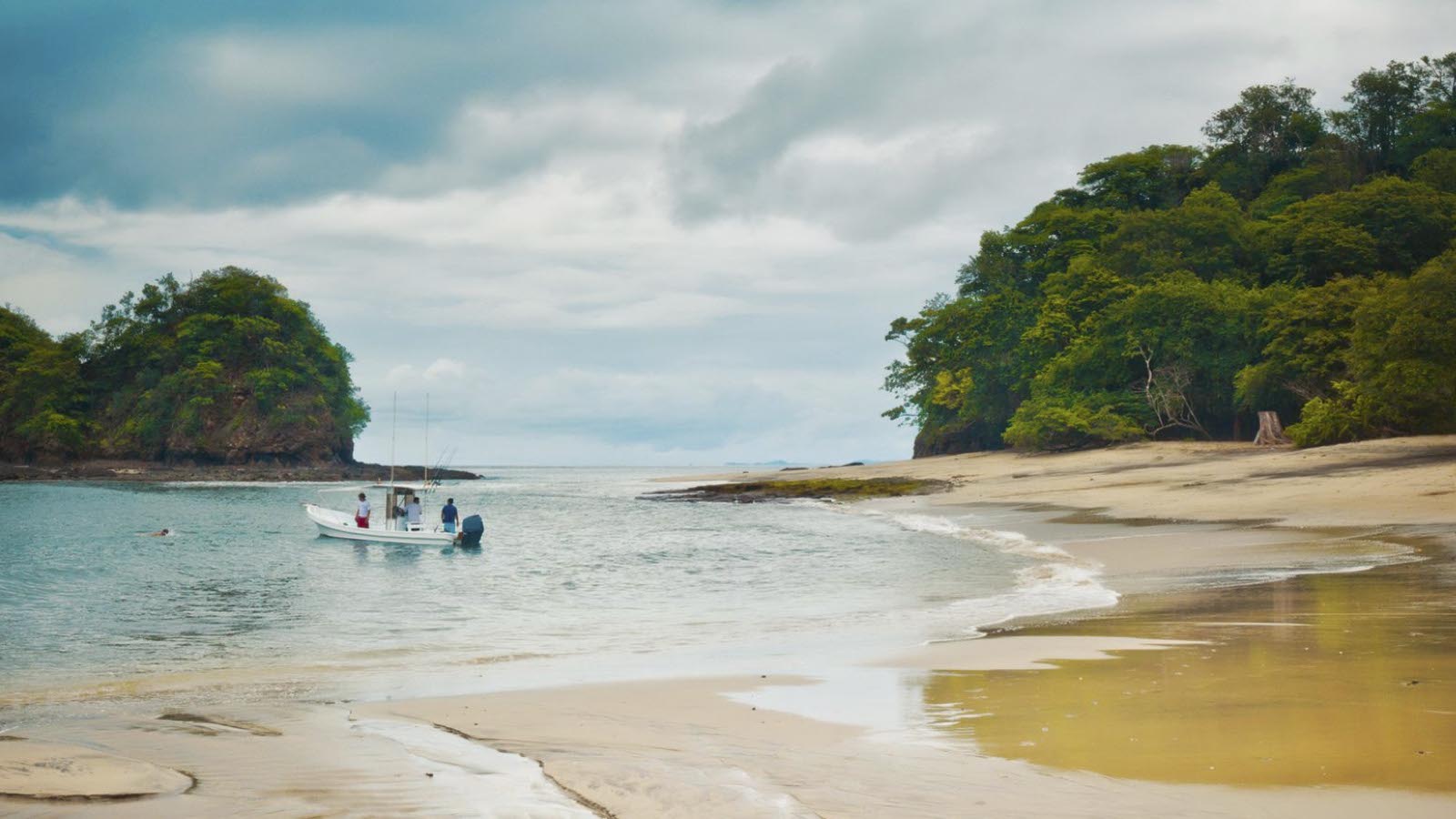
Costa Rica’s coastlines provide a wide variety of beach experiences ranging from surf-oriented beach towns to quieter tropical retreats surrounded by rainforest landscapes. The Pacific coast is especially popular for scenic beaches, outdoor activities and eco-luxury stays.
Beach experiences in Costa Rica often feel closely connected to nature rather than heavily urbanised resort environments, creating a more relaxed and environmentally integrated atmosphere.
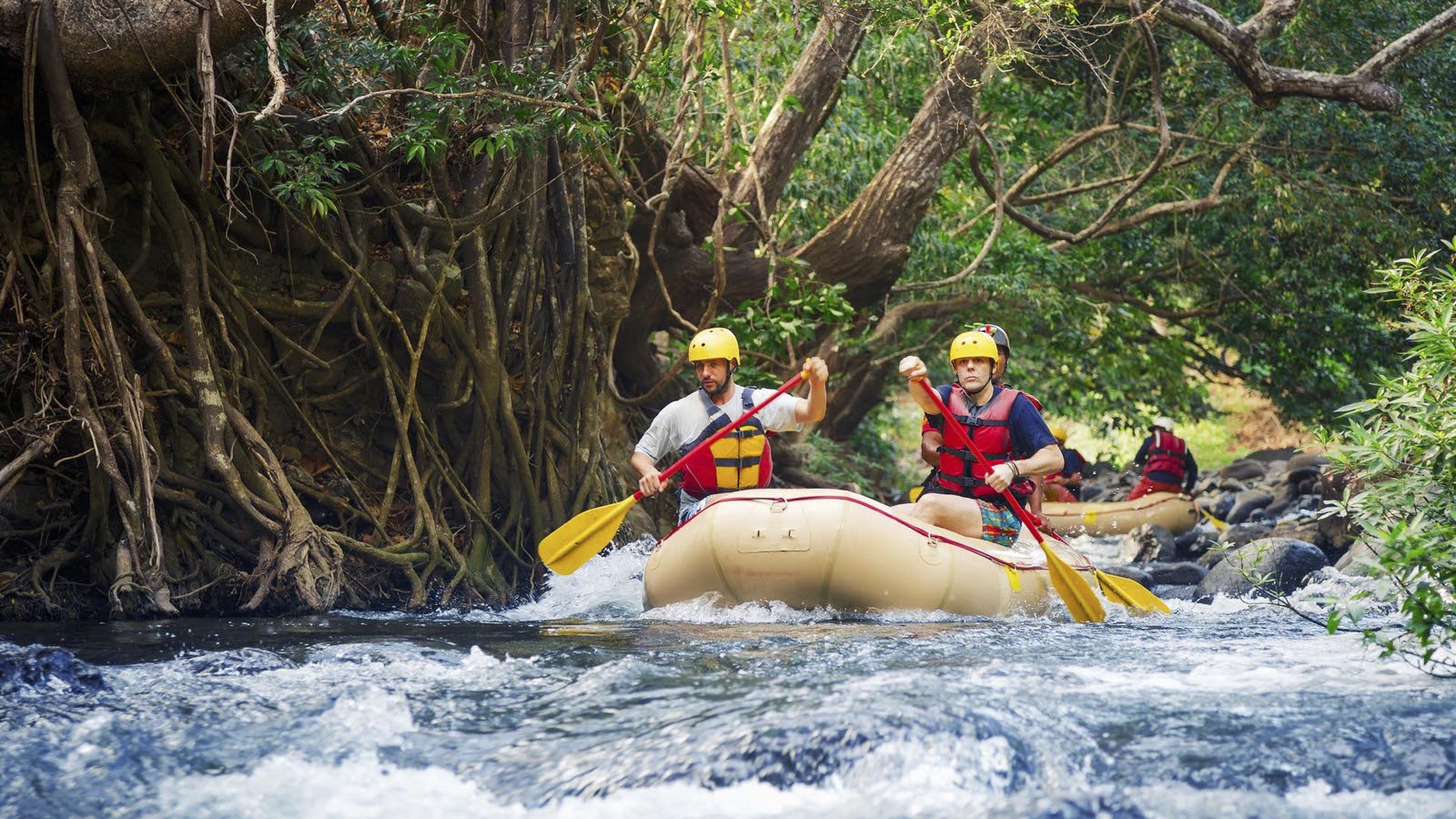
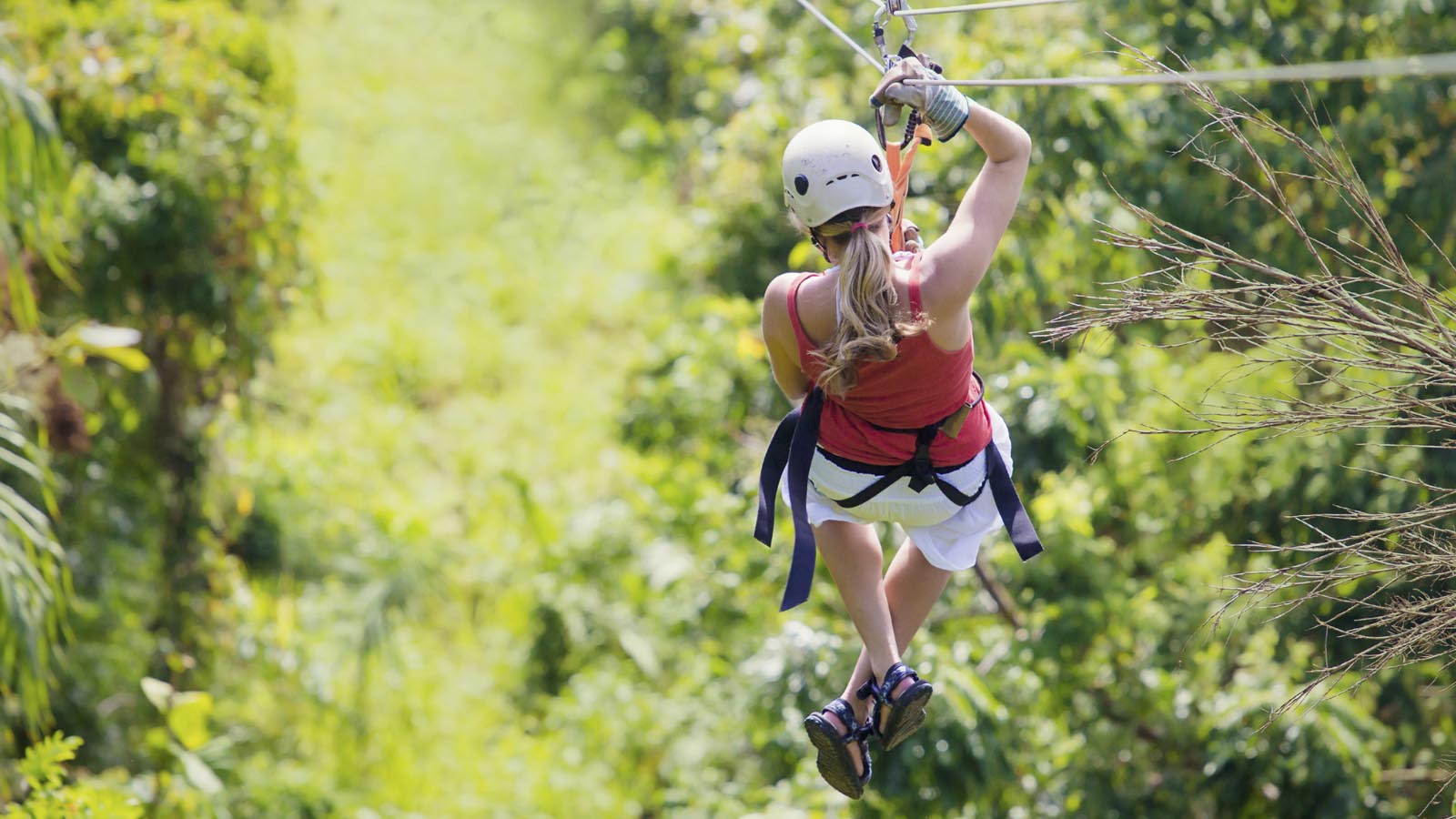
Costa Rica is one of the region’s leading destinations for outdoor adventure, offering activities such as zip-lining, rafting, hiking and canopy exploration. The country’s landscapes naturally support active travel experiences without requiring extreme physical difficulty.
Adventure activities are often integrated into rainforest and volcanic environments, allowing travellers to combine excitement with scenic immersion and wildlife observation.
Mountain and cloud forest regions such as Monteverde provide cooler climates and highly distinctive environments characterised by mist-covered forests and elevated landscapes. These areas offer a quieter and more reflective contrast to the coastlines and tropical lowlands.
Travellers visiting the highlands often focus on nature observation, walking trails and slower-paced exploration shaped by scenery and environmental atmosphere.
Thermal springs and nature-focused wellness experiences are an important part of many Costa Rican itineraries, particularly in volcanic regions. Hot spring resorts and rainforest retreats combine relaxation with scenic surroundings and slower rhythms of travel.
Wellness experiences in Costa Rica are often connected to outdoor environments and environmental harmony rather than urban spa culture, creating journeys focused on balance and restoration.
Costa Rica is particularly well suited to experiential travel because of the diversity it offers within relatively short travel distances. Travellers can combine volcanoes, wildlife reserves, cloud forests and beaches within one itinerary while maintaining strong continuity throughout the journey.
This flexibility creates travel experiences that feel varied, immersive and highly connected to the natural world, making Costa Rica especially rewarding for travellers seeking exploration and environmental engagement.
Costa Rica offers a travel experience centred on nature, biodiversity and outdoor exploration, combining rainforests, volcanoes, coastlines and wildlife within a relatively compact destination. The country is internationally recognised for its environmental focus and its ability to balance adventure, comfort and accessibility.
Travellers can move between jungle regions, cloud forests, beaches and volcanic landscapes while experiencing strong environmental contrast throughout the journey. Costa Rica is particularly well suited to travellers seeking immersive and active experiences closely connected to nature.
Nature forms the foundation of travelling through Costa Rica, where national parks, protected reserves and rainforest environments create opportunities for constant interaction with wildlife and landscapes. Travellers frequently encounter tropical birds, monkeys and diverse ecosystems throughout the country.
The destination’s environmental richness allows journeys to feel immersive without requiring extreme or remote exploration. Wildlife and natural scenery are integrated naturally into many itineraries and accommodation experiences.
Costa Rica is one of the leading destinations in the Americas for outdoor and adventure-focused travel, offering activities shaped by rainforest environments, rivers, volcanoes and coastline. Hiking, zip-lining, rafting and canopy experiences are particularly popular throughout different regions.
Adventure travel in Costa Rica is generally accessible rather than extreme, making it appealing to a broad range of travellers seeking active exploration combined with comfort and strong natural scenery.
Costa Rica’s Pacific and Caribbean coastlines offer very different atmospheres, ranging from surf-oriented beach towns to quieter tropical environments focused on relaxation and nature. Coastal regions combine beaches with rainforest landscapes, creating strong environmental continuity throughout the journey.
Beach travel here is often integrated into broader itineraries that also include volcanoes, wildlife reserves and mountain regions rather than existing as a standalone resort experience alone.
Costa Rica has developed a strong eco-luxury hospitality sector focused on sustainability, landscape integration and immersive natural environments. Many lodges and resorts are designed around rainforest settings, volcanic scenery or coastal ecosystems while maintaining high levels of comfort and personalised service.
Luxury travel in Costa Rica is often defined by environmental connection and authenticity rather than urban sophistication or large-scale resort development. This creates journeys that feel refined while remaining closely linked to nature.
The country’s landscapes and slower rhythms naturally support wellness-focused travel experiences centred on relaxation, outdoor living and connection with nature. Hot springs, rainforest retreats and coastal wellness resorts are particularly popular among travellers seeking restorative journeys.
Wellness travel in Costa Rica often combines physical activity with calmer experiences such as yoga, thermal bathing and nature immersion, creating balanced itineraries focused on wellbeing and environmental harmony.
Costa Rica’s relatively compact geography makes it ideal for multi-region itineraries where travellers can experience volcanoes, rainforests, beaches and wildlife within one trip. Journeys frequently involve scenic road travel through changing landscapes and ecosystems.
This environmental diversity creates itineraries that feel dynamic and continuously engaging while remaining manageable in terms of travel time and logistics.
Costa Rica is particularly rewarding for travellers seeking experiences shaped by interaction with landscapes and wildlife rather than traditional sightseeing alone. Many memorable moments come from immersion in rainforest environments, outdoor exploration and encounters with nature.
The destination encourages slower observation and engagement with the environment, creating journeys that feel restorative, active and emotionally connected to the natural world.
Costa Rica appeals strongly to both families and couples because of its balance between accessibility, safety and environmental diversity. The destination offers experiences suitable for different ages and travel styles without losing a sense of adventure and discovery.
Families often value the combination of wildlife and outdoor activities, while couples are drawn to eco-luxury lodges, scenic landscapes and slower-paced coastal environments.
The dry season, generally between December and April, is the most popular time to visit Costa Rica thanks to sunnier conditions and easier access to many of the country’s beaches, rainforests and national parks.
However, the green season can also be extremely rewarding, offering lush landscapes, fewer crowds and vibrant natural scenery, particularly for travellers interested in wildlife and nature-focused experiences.
Many travellers can enter Costa Rica visa-free for short tourist stays, although entry requirements depend on nationality and the duration of travel.
As immigration policies may change over time, travellers should always verify the latest requirements through official Costa Rican government or consular sources before departure.
Costa Rica is widely considered one of Central America’s safest and most accessible travel destinations, particularly in tourism regions and organised travel routes.
Travellers should still follow normal precautions regarding valuables, transport and personal belongings, especially in busy public areas and larger towns.
The official currency of Costa Rica is the Costa Rican Colón (CRC), although US Dollars are widely accepted throughout many tourism areas, hotels and restaurants.
Credit and debit cards are commonly used across most tourism regions, making payments relatively straightforward for international visitors.
Travelling around Costa Rica is relatively straightforward through a combination of road transfers, private transport and short domestic flights connecting key tourism regions.
Journey times can sometimes be longer than expected due to mountain roads and rainforest terrain, so well-planned itineraries help create a more comfortable and enjoyable travel experience.
Lightweight clothing suitable for warm and humid conditions is recommended, along with rain protection and comfortable footwear for nature activities and outdoor exploration.
Travellers visiting rainforest, volcano or wildlife regions may also benefit from packing insect repellent, swimwear and lightweight layers for cooler mountain areas.
A stay of 10 to 14 days is ideal for most travellers wishing to combine several regions such as rainforests, volcanoes, beaches and wildlife reserves within one itinerary.
Longer stays can be especially rewarding for travellers interested in slower eco-travel, adventure activities or immersive nature experiences across different parts of the country.
Yes, Costa Rica is considered an excellent destination for family travel thanks to its combination of wildlife experiences, outdoor activities and relatively accessible tourism infrastructure.
Families can enjoy activities such as wildlife observation, hanging bridges, beaches, volcanoes and rainforest exploration while experiencing a safe and welcoming atmosphere throughout much of the country.
Explore a visual glimpse of Costa Rica through images that capture its rainforests, wildlife and coastal landscapes.
Discover the scenes that define this nature-focused destination.