Croatia
Home All Destinations Croatia

Croatia is a Mediterranean destination known for its dramatic coastline, historic cities and clear Adriatic waters. Combining cultural heritage with natural beauty, it offers a travel experience that feels both scenic and immersive.
Travellers can explore walled cities such as Dubrovnik, discover coastal towns and islands, and experience a relaxed yet visually striking environment. Croatia’s blend of history, landscape and atmosphere makes it one of Europe’s most distinctive coastal destinations.
Croatia offers a diverse collection of destinations combining Adriatic coastline, historic towns and island landscapes within one of Europe’s most scenic Mediterranean travel environments. Different regions provide varied atmospheres ranging from elegant coastal cities and luxury island resorts to nature-focused retreats and quieter seaside villages.
The destination is especially well suited to travellers seeking balanced itineraries combining culture, coastline and relaxed Mediterranean lifestyle.
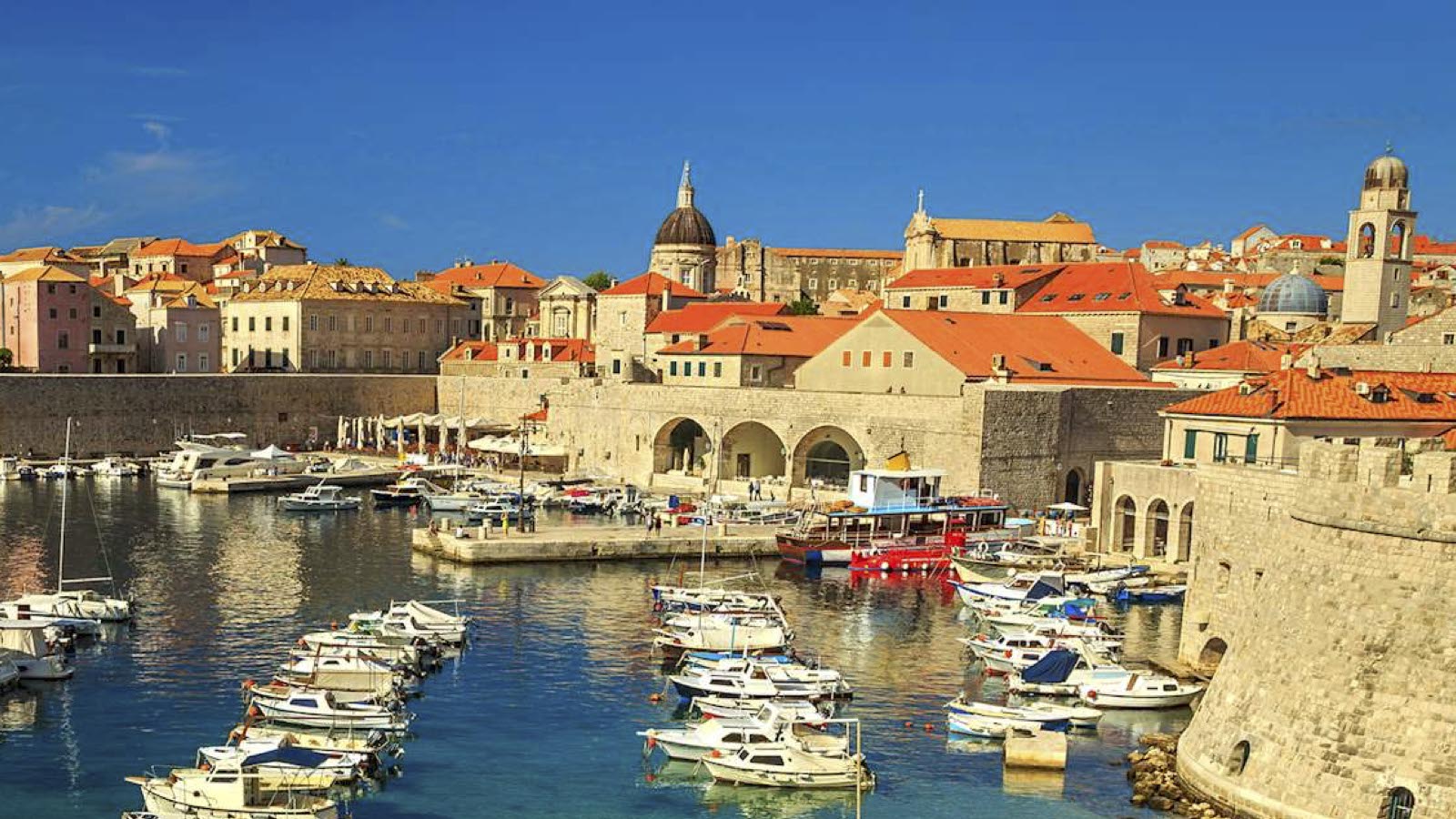
Dubrovnik is Croatia’s most iconic coastal destination, combining medieval architecture, Adriatic scenery and elegant historic atmosphere within one highly immersive environment.
Accommodation ranges from luxury cliffside hotels and heritage-inspired stays to boutique properties integrated into the city’s historic districts.
Split combines Roman heritage, vibrant waterfront atmosphere and easy access to nearby islands within one of Croatia’s most dynamic coastal cities.
Accommodation includes boutique city hotels, luxury seaside stays and lifestyle-oriented properties connected closely to the Adriatic coast.
Hvar and Croatia’s island regions offer beaches, sailing culture and refined Mediterranean atmosphere within some of the country’s most scenic environments.
Accommodation ranges from luxury villas and boutique island resorts to relaxed coastal lodges designed around outdoor living and sea views.
Istria provides vineyard landscapes, hilltop towns and strong culinary identity within one of Croatia’s most refined countryside and coastal regions.
Accommodation often focuses on boutique vineyard stays, countryside retreats and heritage-inspired properties connected closely to gastronomy and local culture.
Croatia’s protected landscapes offer peaceful and visually immersive travel environments shaped by lakes, waterfalls and forest scenery.
Accommodation includes eco-lodges, boutique countryside stays and nature-focused retreats designed around tranquillity and environmental immersion.
Croatia has developed a refined hospitality sector centred on Mediterranean elegance, scenic immersion and personalised experiences.
Luxury travel here is generally relaxed and atmosphere-focused rather than highly formal or commercialised.
The country naturally supports wellness-oriented travel through island resorts, spa hotels and slower coastal environments shaped by sea views and outdoor living.
These stays appeal especially to travellers seeking emotional restoration, Mediterranean rhythm and scenic tranquillity.
Croatia is best experienced through itineraries that combine coastal cities, islands and nature regions in order to reveal the country’s extraordinary environmental and cultural diversity.
This structure creates journeys that feel scenic, immersive and emotionally rich while maintaining continuity through Adriatic hospitality, heritage and Mediterranean lifestyle.
The best time to visit Croatia is between May and September, when the weather is warm and suitable for coastal travel. Spring and early autumn offer milder conditions and fewer crowds.
Croatia has a Mediterranean climate along the coast and a continental climate inland.
Festivals reflect local traditions and seasonal events.
The official currency is the Euro (EUR).
Dining reflects Mediterranean and regional cuisine.
Croatia offers a travel experience shaped by Adriatic coastline, historic cities and extraordinary natural beauty within one of Europe’s most visually immersive destinations. Travellers can explore islands, medieval towns and national parks while experiencing journeys that feel scenic, elegant and emotionally restorative.
The country rewards experiential travel where the sea, atmosphere and slower Mediterranean rhythm become central parts of the journey.
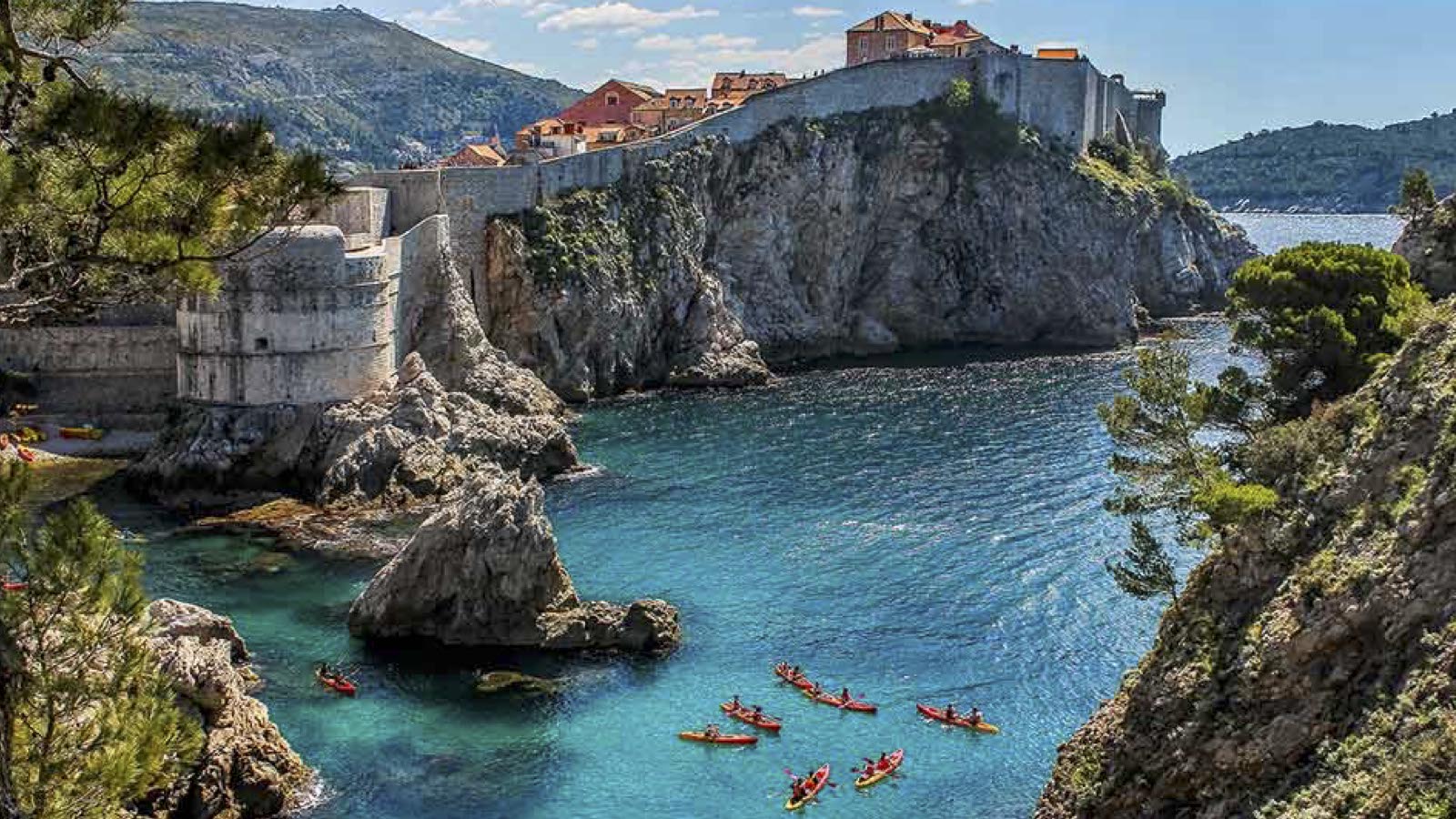
Dubrovnik combines medieval walls, Adriatic scenery and elegant historic atmosphere within one of the Mediterranean’s most iconic coastal cities.
The city often feels cinematic because architecture, sea views and cultural heritage remain deeply interconnected throughout daily life.
Croatia’s islands provide some of Europe’s most scenic coastal travel experiences through harbours, turquoise waters and relaxed Mediterranean atmosphere.
Island exploration here often feels immersive because travelling across the Adriatic becomes part of the emotional journey itself.
Split combines Roman heritage, seaside atmosphere and vibrant outdoor culture within one of Croatia’s most dynamic coastal destinations.
Urban exploration here often feels balanced because historic identity and contemporary Mediterranean lifestyle coexist naturally.
Croatia offers extraordinary natural scenery through waterfalls, lakes and protected landscapes that create visually dramatic and emotionally calming travel environments.
Nature travel here often feels highly accessible because scenic landscapes remain closely connected to major travel routes.
The country’s coastline offers beaches, seaside cafés and relaxed outdoor rhythm that appeal especially to travellers seeking slower and lifestyle-oriented travel experiences.
Coastal travel here often feels elegant and restorative because social life remains closely connected to the sea and outdoor living.
Cuisine forms an important part of travelling through Croatia, particularly through seafood, Mediterranean ingredients and regional wine traditions.
Food experiences here often feel authentic and atmospheric because dining remains closely connected to local lifestyle and coastal culture.
Croatia offers a refined hospitality sector combining luxury villas, boutique seaside hotels and island retreats designed around scenery and Mediterranean elegance.
Relaxation travel here is strongly associated with sea views, slower rhythm and emotional connection with place.
Croatia is especially rewarding for travellers seeking a combination of coastline, culture and scenic landscapes within one highly accessible destination. Different regions provide meaningful contrast while maintaining continuity through Adriatic beauty and hospitality.
This diversity creates journeys that feel immersive, scenic and emotionally unforgettable from beginning to end.
Croatia offers a Mediterranean travel experience shaped by Adriatic coastline, historic cities and island landscapes within a destination where natural beauty and cultural heritage coexist effortlessly. The country balances seaside relaxation, scenic exploration and atmospheric old towns in a way that creates journeys that feel elegant, immersive and emotionally restorative.
Travellers can move between walled cities, island harbours, national parks and coastal villages while continuously experiencing strong connection with the sea and outdoor lifestyle. Croatia is particularly rewarding for travellers seeking scenic travel, Mediterranean atmosphere and balanced itineraries combining coastline, culture and nature.
Croatia is internationally recognised for its Adriatic coastline, crystal-clear waters and island landscapes that create some of Europe’s most visually striking seaside travel environments.
Coastal travel here often feels immersive and emotionally relaxing because the sea remains central to daily rhythm, atmosphere and lifestyle.
The country’s historic cities, Venetian architecture and medieval old towns reveal centuries of Mediterranean and Central European influence throughout the coastline and inland regions.
Cultural travel here often feels atmospheric because history remains highly visible in streets, harbours and public spaces.
Croatia offers remarkable environmental diversity through islands, waterfalls, mountains and national parks that create highly cinematic travel experiences.
Scenic exploration frequently becomes a defining part of the journey because landscapes remain visually dramatic and highly accessible.
The destination offers a refined hospitality sector combining boutique coastal hotels, luxury villas and heritage-inspired stays designed around scenery and Mediterranean atmosphere.
Luxury travel here often feels understated and experience-oriented rather than excessively formal.
Croatia naturally supports sailing and island-hopping experiences through calm Adriatic waters, picturesque harbours and scenic coastal routes.
Marine travel here often feels elegant and liberating because movement between islands becomes part of the emotional experience itself.
Cuisine forms an important part of travelling through Croatia, reflecting Mediterranean influences through seafood, local wines and outdoor dining culture.
Food travel here often feels relaxed and authentic because gastronomy remains closely connected to coastal lifestyle and regional traditions.
The country naturally supports slower and wellness-oriented travel styles through island rhythm, coastal scenery and relaxed outdoor living.
Travellers frequently experience emotional balance and tranquillity throughout journeys shaped by the sea and Mediterranean atmosphere.
Croatia is particularly rewarding for travellers willing to combine cities, islands and natural landscapes within one itinerary. Dubrovnik, Split and Hvar all provide distinct atmospheres while maintaining continuity through Adriatic beauty and cultural heritage.
This diversity creates journeys that feel scenic, immersive and emotionally memorable throughout the travel experience.
The best time to visit Croatia is generally between late spring and early autumn, when temperatures are warm and conditions are ideal for coastal travel, island exploration and outdoor dining.
Summer is particularly popular along the Adriatic coast, while spring and early autumn often provide a more relaxed atmosphere with pleasant weather and fewer crowds.
Croatia is part of the Schengen Area, so visa requirements depend on your nationality and the duration of your stay. Many travellers from the United Kingdom, Europe and several international markets can enter visa-free for short tourist visits.
As immigration regulations may change over time, travellers should always verify the latest requirements through official government or consular sources before travelling.
Croatia is widely considered one of Europe’s safest and most accessible coastal destinations, particularly within tourism regions and historic cities.
Travellers should still take normal precautions regarding valuables and personal belongings, especially in busy ports, public transport areas and popular summer destinations.
The official currency of Croatia is the Euro (EUR).
Credit and debit cards are widely accepted throughout the country, particularly in hotels, restaurants and tourism-related businesses along the coast and in major cities.
Travelling around Croatia is relatively straightforward thanks to modern roads, ferry services and domestic transport connections linking the coast, islands and inland regions.
Ferries play an important role in connecting Croatia’s Adriatic islands, making coastal and island-hopping itineraries especially enjoyable and accessible.
A stay of seven to ten days is ideal for most travellers wishing to combine historic coastal cities, Adriatic islands and scenic seaside regions within one itinerary.
Longer journeys can be especially rewarding for travellers interested in slower coastal travel, sailing experiences or exploring both the coastline and inland cultural regions.
Yes, Croatia is considered one of Europe’s best destinations for island-hopping thanks to its extensive Adriatic coastline and large number of accessible islands.
Travellers can combine historic ports, beach destinations, sailing experiences and quieter island atmospheres within one journey, creating highly scenic and immersive Mediterranean travel experiences.
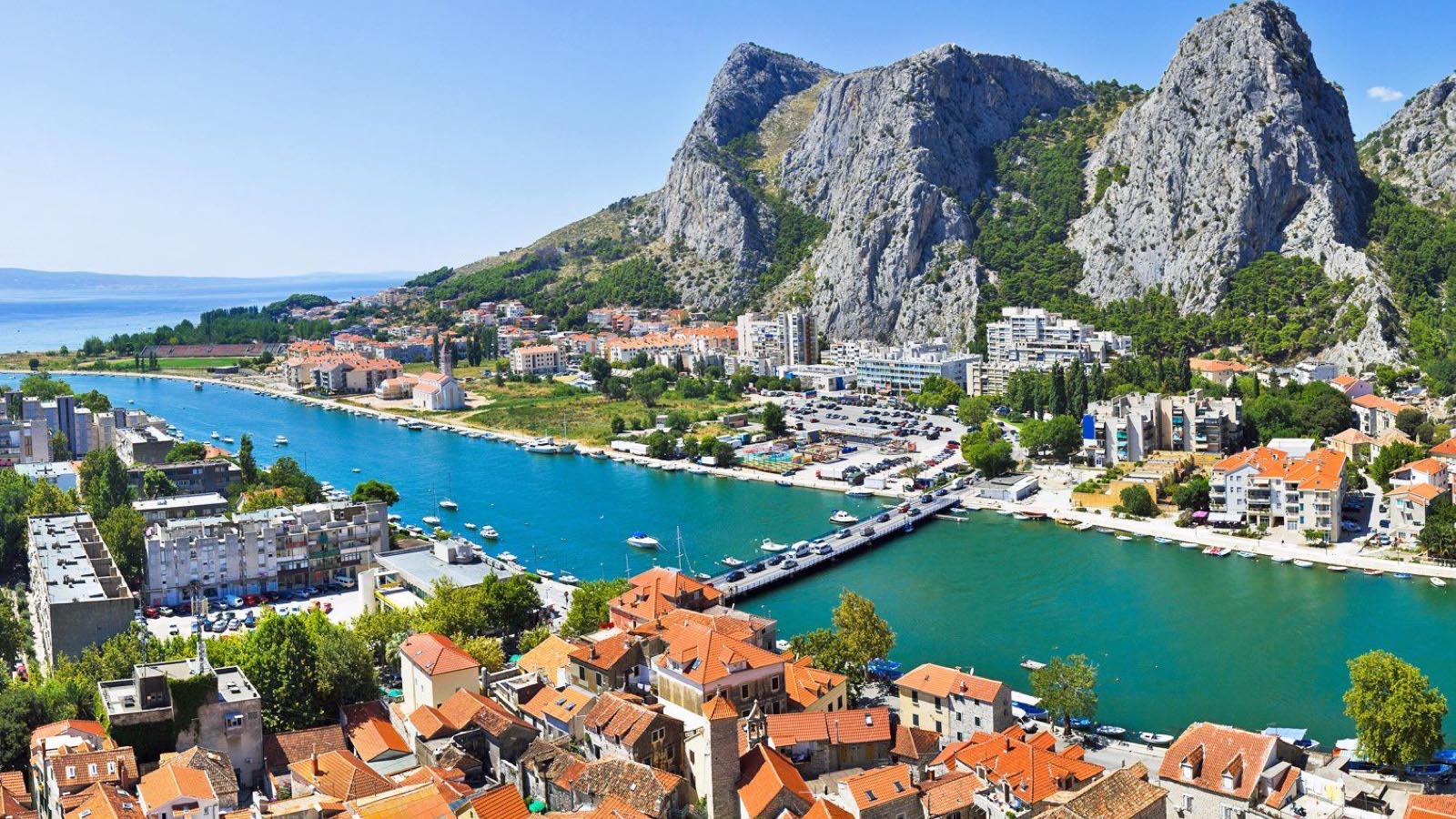
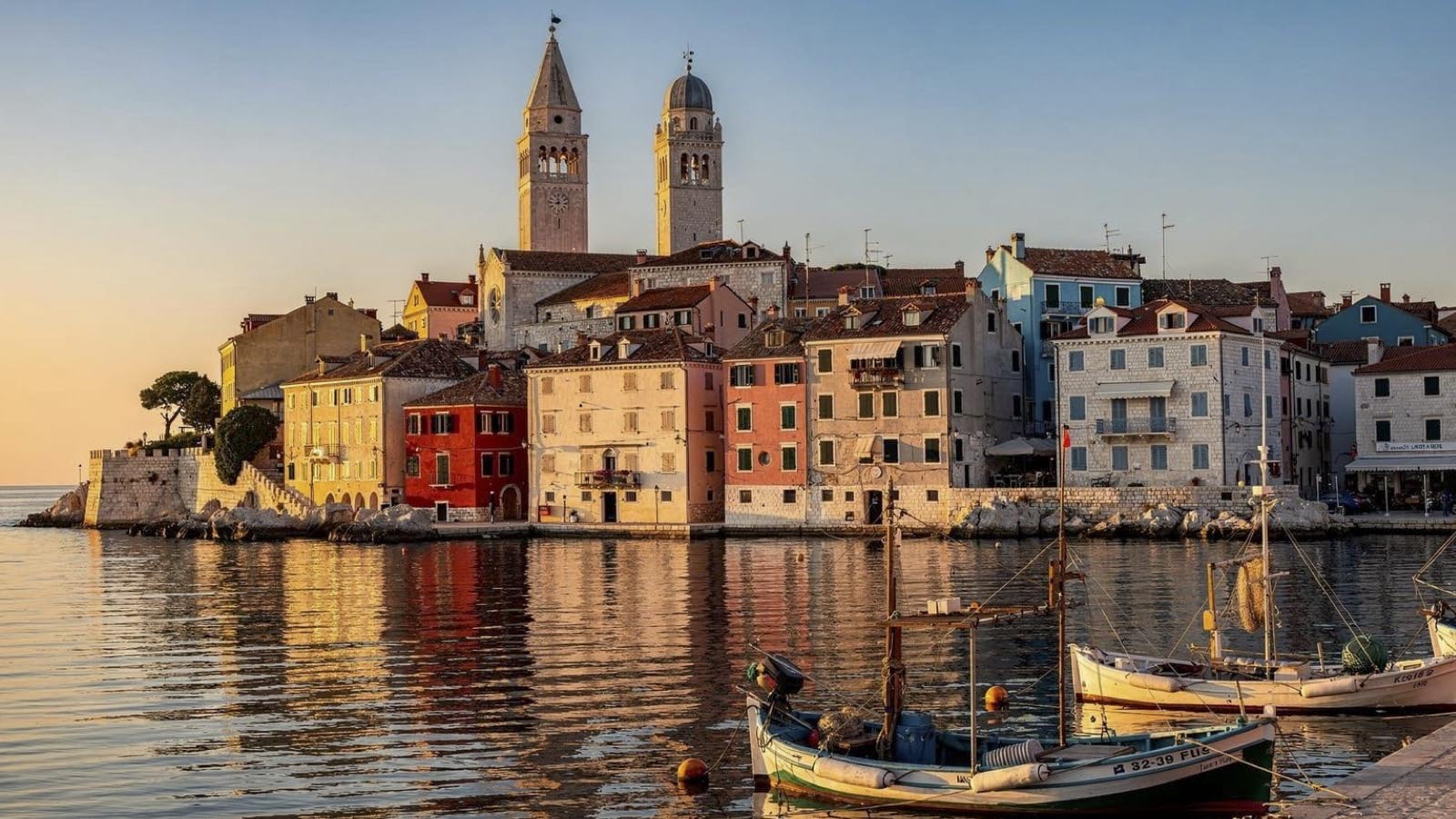
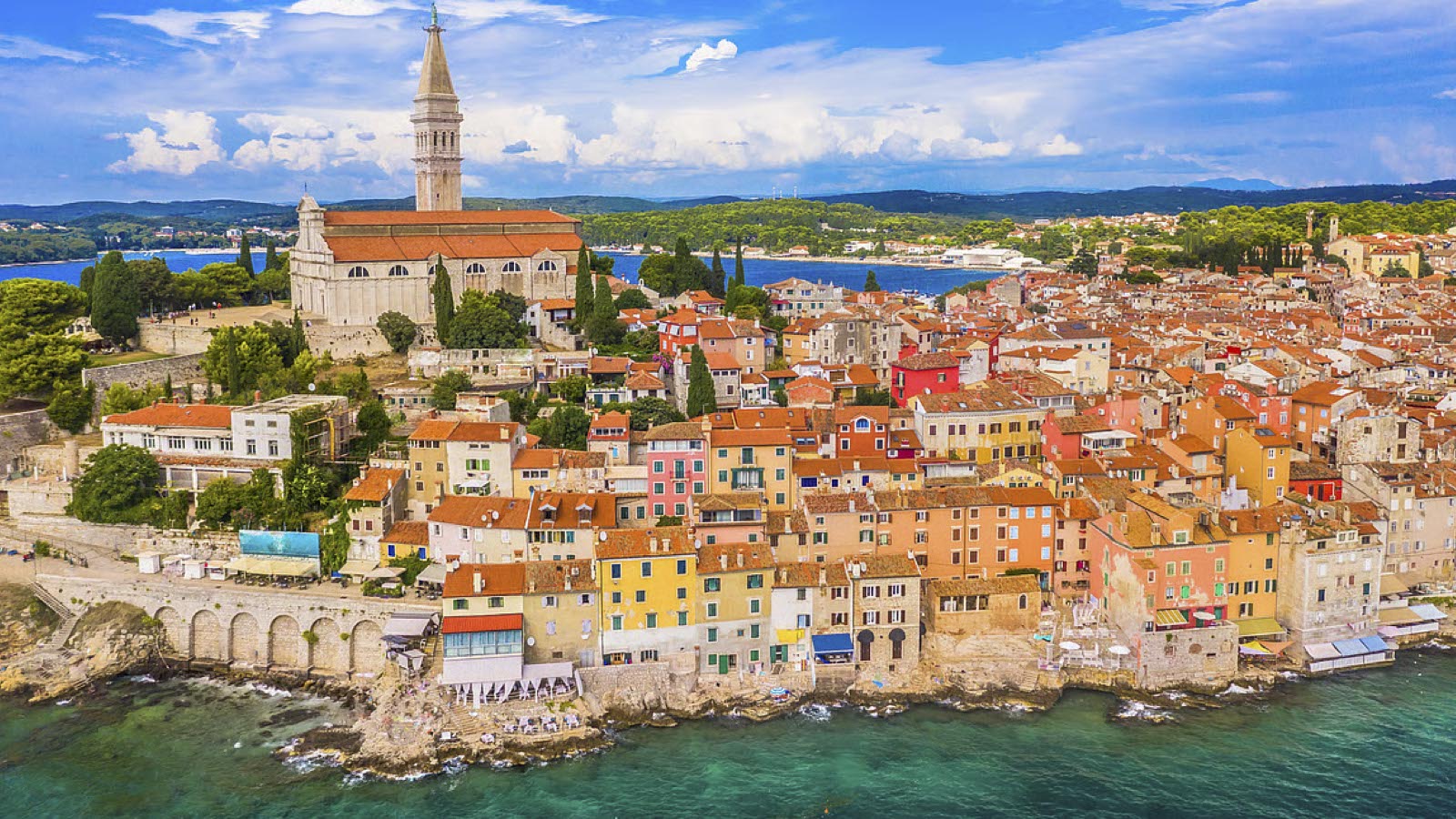
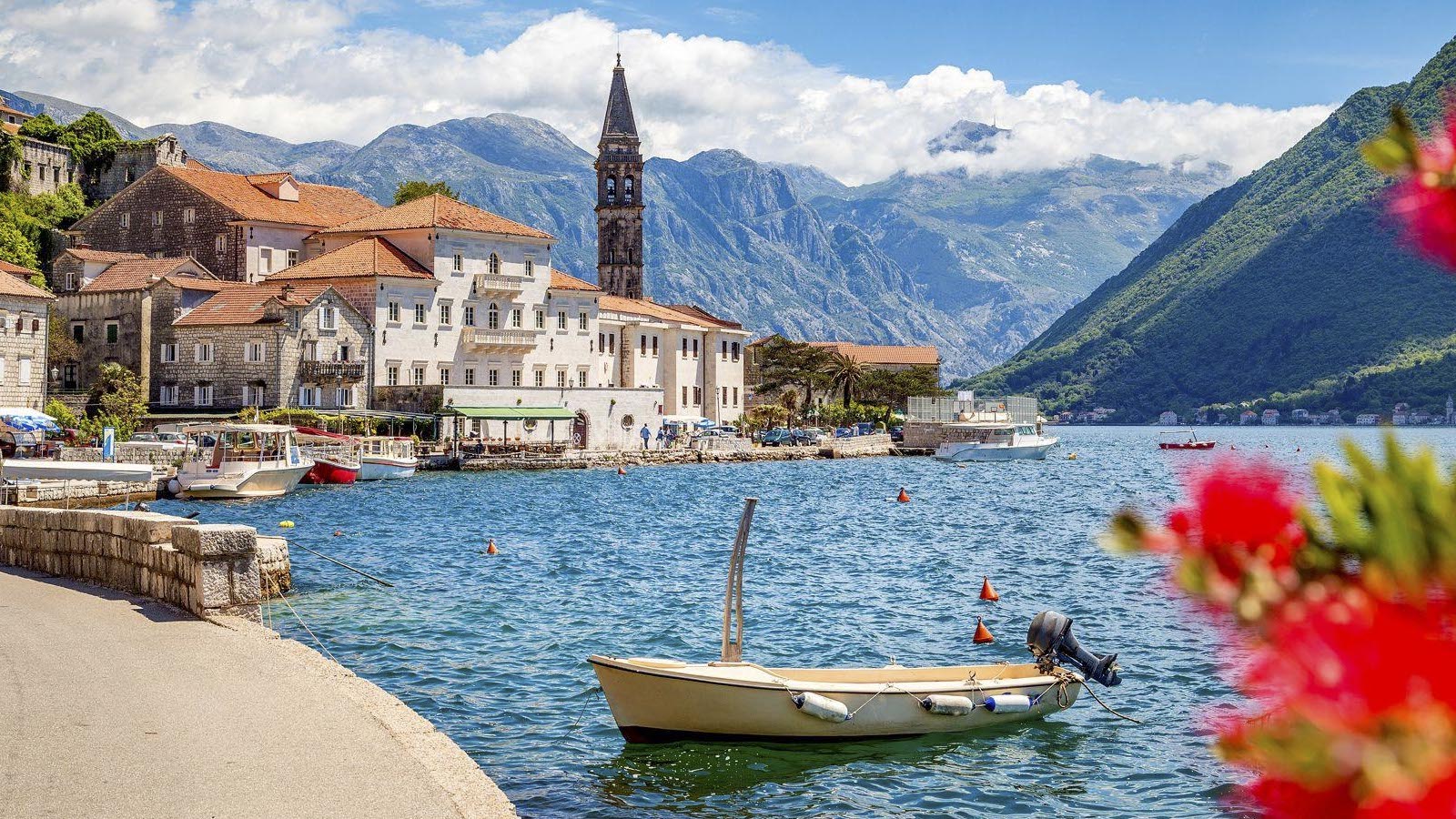
Explore a visual glimpse of Croatia through images that capture its coastline, cities and landscapes.
Discover the light and scenery that define the Adriatic experience.