Cuba
Home All Destinations Cuba

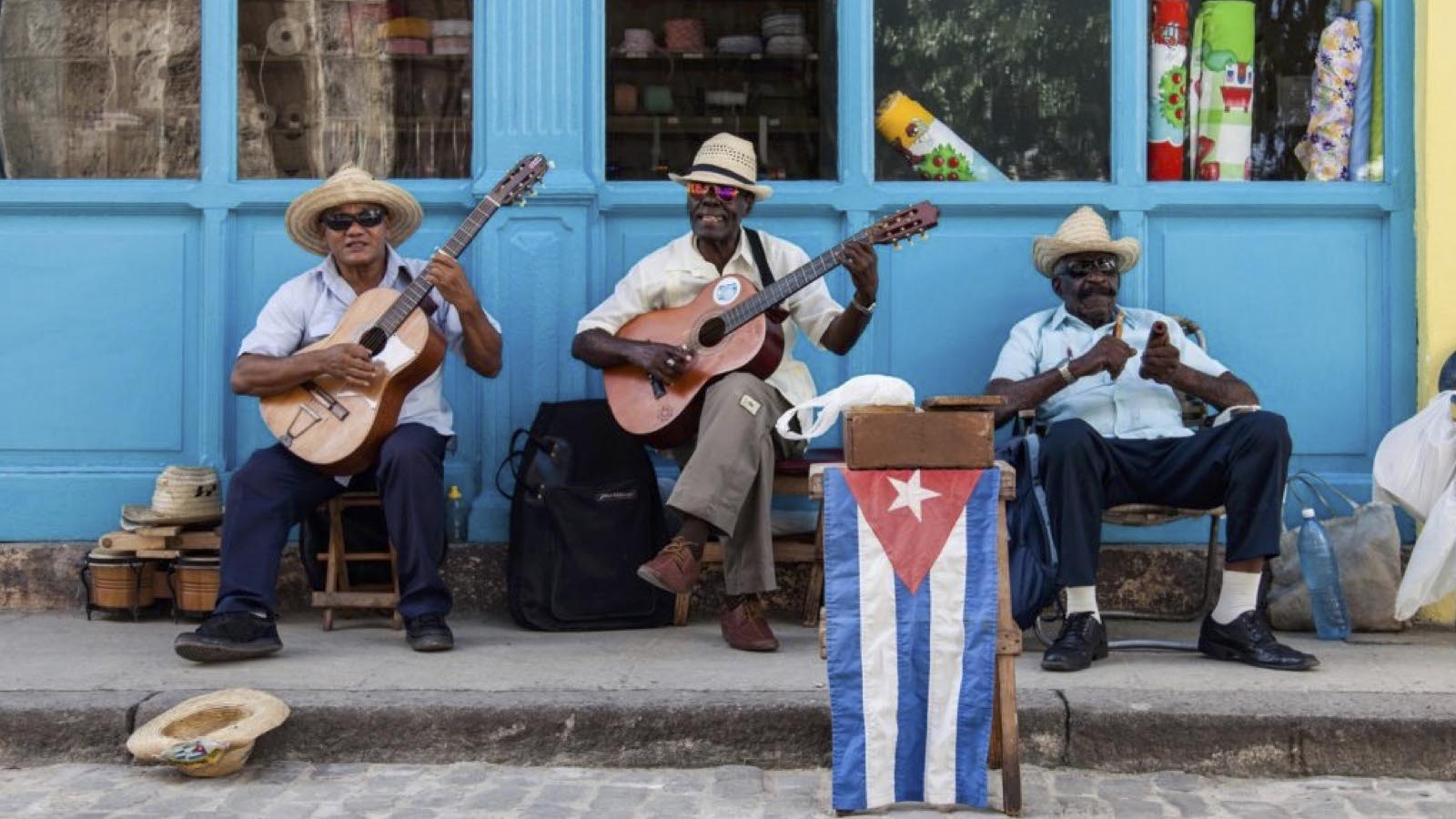
The Caribbean with a twist; a history of communist struggle, a society of citizens that go crazy at the sound of bongos, an eclectic picture of colonial buildings and 50s cars that roam bustling city streets pulsating to the tunes of salsa music; Cuba holidays are about so much more than you can possibly imagine. We really know Cuba inside out; choose from historical tours, spectacular city breaks or relaxing beach escapes for the whole family. Come and discover Cuba with us . we are the true Cuba experts!
From pristine shores and verdant nature reserves to colonial cities and cobbled streets, Cuba offers compelling entertainment for people of all ages and characters. Whether you're looking for non-stop dancing or a soothing beach getaway, ask our advisers for inspiration.
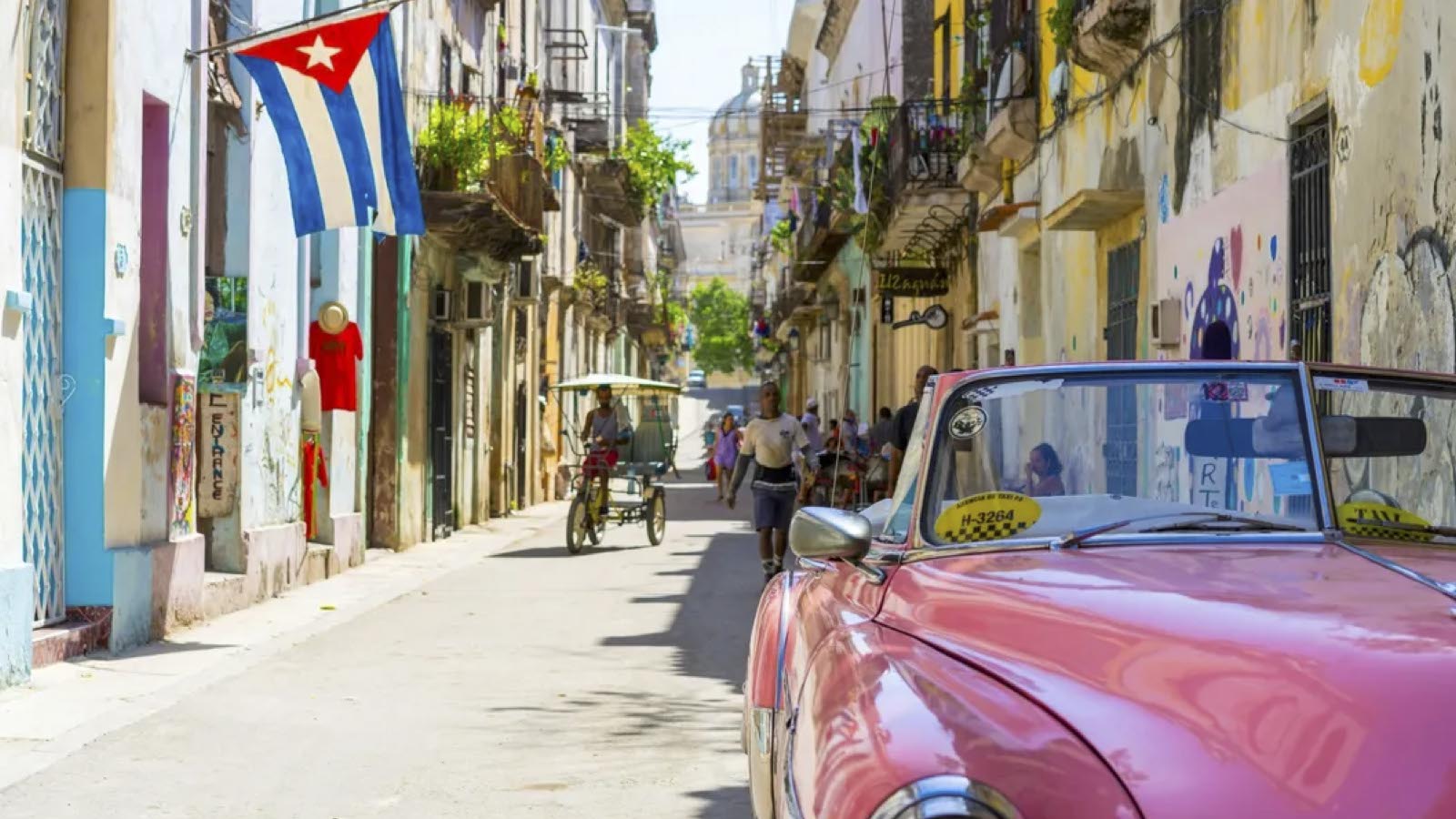
Unique, romantic and simply unforgettable, Havana has a legendary status among holiday destinations. Experience the legacy of the revolution in every corner, the intoxicating music, the impressive historical buildings and picture-postcard streets with amazingly well-preserved classic American cars from the 50s still circulating, or dance until your feet are sore in one of the many incredible nightspots.
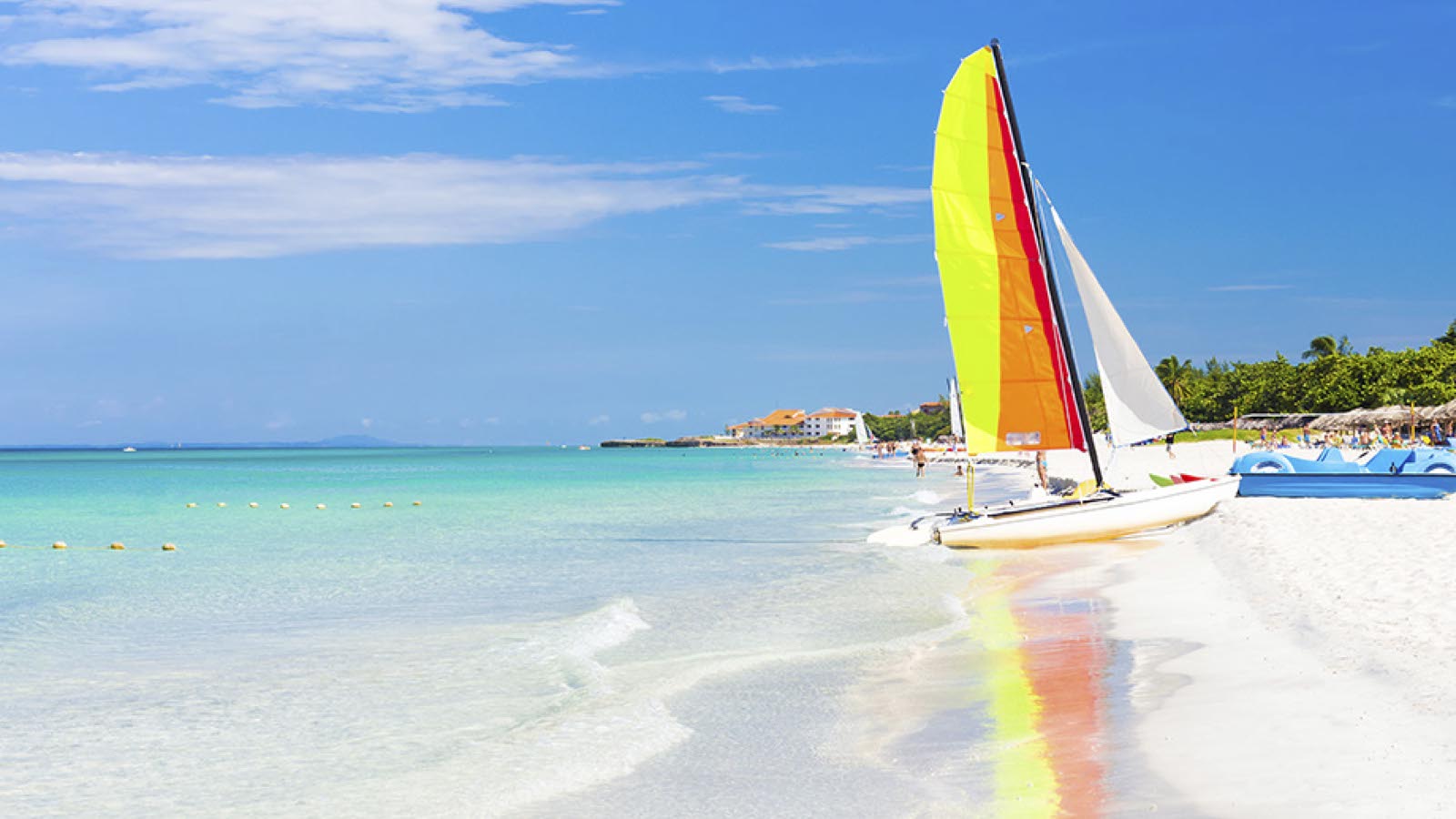
Discover miles of white sandy beach in Cuba's best known, family-friendly beach holiday resort of Varadero. Located on the narrow Hicacos Peninsula and stretching for over 20 kilometres of glistening sands, here you will find an array of excellent hotels, all inclusive resorts, top tourist facilities, bars and cafes, as well as some of the island's best diving experiences.
Indulge in utter relaxation in the eastern low-key beach town of Guardalavaca. With a range of exciting watersports and miles of virtually deserted beach, you can get the adrenaline pumping at sea before dozing off on Caribbean palm-fringed sands.
Get away from it all by booking a stay on the tiny islet of Cayo Santa Maria, one of Cuba's uninhabited keys in the famed Jardines del Rey archipelago and one of the newest holiday resorts to be developed in the country, home to some of the most luxurious all inclusive resorts. Renowned for the virginal state of the area's rich coral reef system, this is a diver's ultimate paradise For a contrast with the bustling liveliness of the Cuban mainland, venture out here to find your own slice of secluded tropical paradise. Ask one of our expert Cuba advisers for help choosing your accommodation and arrange your transport.
Whether you're looking for a relaxing break with the family or a beach getaway with your partner, Cuba is well known for keeping everyone entertained, even after the sun goes down. And even if you want far more than just sand and sea, we can arrange it all. As a matter of fact beyond the beaches there's a whole new world in Cuba awaiting your discovery.
The endless stretches of beach at Varadero are perfect for those travelling with children. Enjoy an array of watersports together, splash around in the endless choice of pools or take them to swim with dolphins in Varadero or Guardalavaca. Being a quiet and much more low-key resort, Guardalavaca is also ideal for young families. For the best experience choose an all inclusive hotel or resort with a kids' club.
You can't beat the capital Havana for a truly Cuban night out. Get your feet tapping to the sound of salsa, mambo and cha-cha-cha, pick up a few moves from the locals and enjoy a classic mojito cocktail made with the local rum. Arguably, Cubans create the best cocktails in the world. You can also get the party started at any of the beach resorts in Varadero, most of which feature their own discos or head downtown to find some of the island's most famous nightclubs, such as la Rumba or La Cueva del Pirata. For a cabaret-style spectacle like no other your eyes have ever seen don't miss Tropicana, one of Latin America's most legendary shows under the stars.
As live music drifts across Havana on the evening breeze, it soon becomes evident that this city has its own unique breed of romance. Promenade along the panoramic Malecon seawall, or try out some tasty Cuban cuisine at a terrace in Old Havana. For a more private beach getaway, Cayo Santa Maria, Cayo Guillermo, Cayo Coco and Cayo Largo are all idyllic and secluded resort islands that create the perfect setting to spend time with your partner away from it all.
Scuba or snorkel in warm Caribbean waters. Choose from a varied selection of thrilling watersports or go scuba diving to discover Cuba's unique underwater wonders. Glide around in a kayak or unwind with a spot of deep sea fishing in Cayo Guillermo. If you're ready to catch some waves, you'll find them around some of the island's southern beaches near Baracoa and Santiago de Cuba.
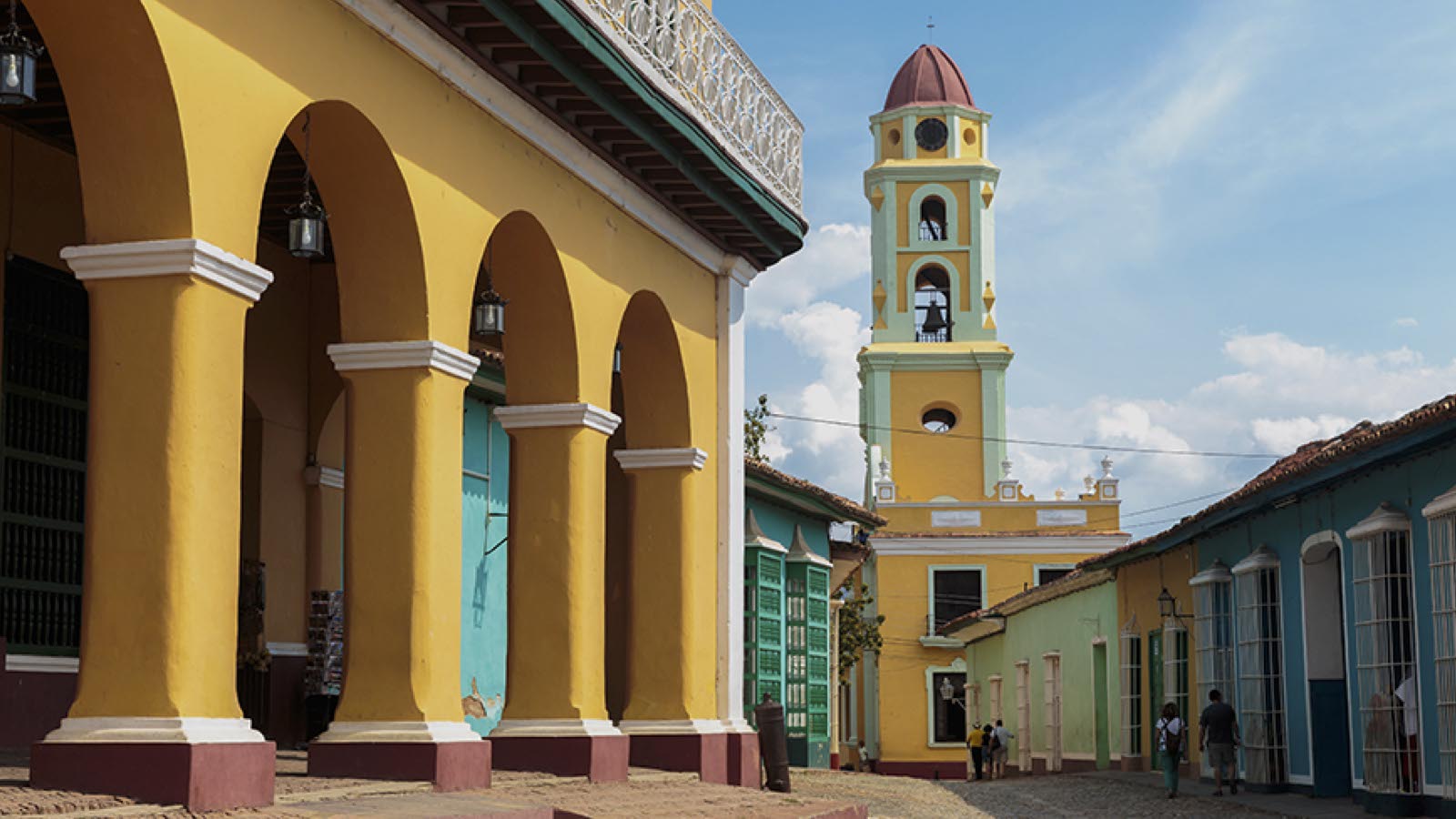
The whole island is brimming with history. Columbus's discovery, literary genius, and revolutionary upheaval are just three of Cuba's historic hallmarks. Another exceptional experience for culture vultures to take in is the small town of Trinidad, a UNESCO World Heritage Site that has stood the test of time as it has managed to remain virtually unchanged since colonial times.
There are seven national holidays in Cuba and almost all of them have some historical significance. The list of holiday dates officially observed nationwide is as follows:
Here are some other important dates and times in the Cuban calendar:
Cuba currently has two usable currencies: the Cuban peso (CUP) and the Cuban convertible peso (CUC). As a tourist you will use CUC to pay for any goods and services you purchase. Take British pounds to exchange on the island for the best rates.
Be aware that US dollars are no longer accepted in Cuba and those wishing to exchange them will be subject to a 10 per cent commission fee. Credit cards and ATMs are also subject to charges of between 11 and 13 per cent. Consult with your bank at home if in doubt before heading to Cuba.
Travellers' cheques are also highly recommended and easy to use, so long as they have not been issued by an American bank. Please note that American Express travellers' cheques are no longer accepted, as is the case with any credit cards issued by American banks.
The 50-year-long US blockade limits the kinds of ingredients to which Cubans have access, which has affected (sometimes unfairly) the reputation of this island's cuisine. These challenges, however, have led Cubans to become very resourceful and creative in their cooking, which means unique dishes and flavoursome creations. A mix of Spanish, African and Asian cuisines, Cuban food is rarely spicy but always full of flavour.
The best and most authentic food is often found outside hotels and resorts. Try one of the famous 'paladares', which are restaurants created inside locals' home, for an authentic taste of Cuban life. We recommend La Guarida (so respected that many politicians, celebrities like Jack Nicholson, and even the Queen of Spain have dined here) and La Cocina de Lillian, regarded as the most beautiful paladar in Havana, with a beautiful garden setting and some of the best food in the city. The capital is also home to some exceptional restaurants, like Cafe del Oriente and El Templete.
Enjoying a tropical climate with plenty of sunshine and warm weather all year round, Cuba has an enviable weather. Gentle north easterly breezes take the edge off higher temperatures making it perfect for a spot or sunbathing or lazing by the pool.
Watersports: Kayak, fish and sail in Cuba's calm waters, swim with dolphins, windsurf in the trade winds or scuba dive in spectacular marine parks, like the ones found in Maria La Gorda, Jardines de la Reina and Jardines del Rey. The brilliant blue waters of the Caribbean are ideal for both beginners and more experienced divers.
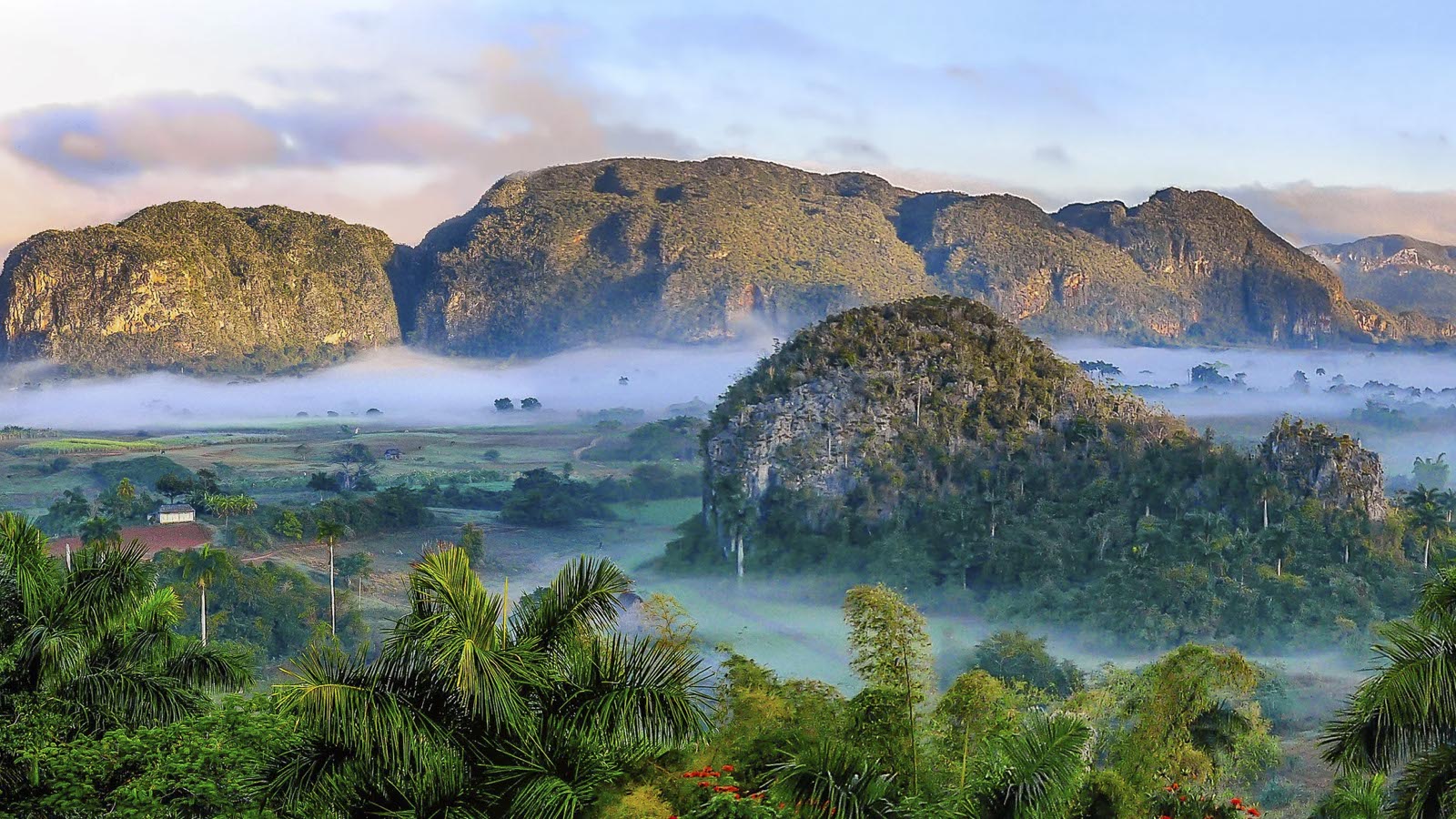
Adventure and wildlife: Hike, horseback ride or rock climb in national parks and mountain ranges, or discover hundreds of species of birds, animals and plants in Cuba's beautiful nature reserves, including the UNESCO World Heritage Reserve at Vinales Valley and UNESCO Biosphere Reserve at Cienaga de Zapata. The diversity of landscapes and nature inspire and enthral in equal measure, especially the Escambray and famous Sierra Maestra mountain ranges.
Nightlife: Music and dancing come as standard throughout Cuba. Expect live music coming from virtually every corner in the streets of Old Havana and go for unique shows like the Tropicana cabaret in Havana to get a real feel of Cuba's exotic dances and rhythms. In the popular beach resorts you'll find more discos, nightclubs and dancing lessons, as well as shows under starry skies on desert islands retreats.
Beach life: White sands and turquoise waters characterise Cuba's beaches, making idyllic sunbathing spots easy to find. Whether it's in popular beach resorts, city shorelines or nearly deserted islets and keys off the mainland coast, it's hard to find a better place in the world to catch some rays.
History: History marks the daily life of Cubans, with figures of the revolution ever present. To fully appreciate the past, visit sites such as the Revolution Square in Havana, the Bay of Pigs in Playa Giron, Che Guevara's burial site in Santa Clara and Trinidad's quaint colonial streets.
Culture: Lovers of jazz will succumb to the hypnotising tunes of saxophones, trombones, trumpets and piano in Cuba's sensual jazz clubs, such as the famed La Zorra y El Cuervo and The Jazz Cafe, both in the Vedado district of Havana. Salsa lovers will find a myriad of dancing venues, with teachers on hand to help you learn the steps. And a visit to Cuba's cigar and rum factories will add flavour to any trip. We can customise any kind of cultural encounter you wish to find in Cuba, from salsa lessons and dancing experiences to excursions to places of interest – just ask us at any time prior to your travelling date or during your trip and our Cuban representatives will have it organised in no time!
Cuba offers a variety of travel styles shaped by its culture, coastline and distinctive atmosphere. Whether focusing on vibrant cities, beach relaxation or a combination of both, the destination allows for flexible itineraries that balance exploration with downtime.
Cuba is a rewarding destination for families, offering a mix of beach resorts, cultural experiences and outdoor activities. All-inclusive resorts, particularly in areas such as Varadero and Guardalavaca, provide a convenient and relaxed setting with facilities designed for all ages. Beyond the resorts, families can enjoy activities such as swimming with dolphins, exploring nature or discovering historic cities, creating a balanced and engaging itinerary.
Cuba offers a naturally romantic setting, combining colonial architecture, music and coastal landscapes. Couples can enjoy private moments on the beach, explore historic cities such as Havana and Trinidad, or experience the atmosphere of live music and evening dining. The destination’s character and charm create a setting that goes beyond traditional beach holidays, making it particularly appealing for honeymoons and special occasions.
Cuba is well known for its all-inclusive resorts, particularly in destinations such as Varadero, Cayo Santa Maria and Cayo Coco. These resorts offer a seamless holiday experience, combining accommodation, dining, entertainment and activities in one setting. Travellers can choose between larger, more vibrant resorts or smaller, more intimate properties, depending on their preferences.
For those interested in culture, Cuba offers a rich and immersive experience centred around its cities. Havana stands out for its architecture, music and daily life, while Trinidad provides a well-preserved glimpse into the country’s colonial past. Exploring these destinations offers insight into Cuba’s history and identity, adding depth to the overall journey.
One of the most rewarding ways to experience Cuba is by combining different regions. A typical itinerary might include time in Havana followed by a stay on the beach, allowing travellers to experience both the cultural energy of the city and the relaxation of the coast. This combination creates a balanced journey that reflects the country’s diversity.
Cuba’s lively atmosphere makes it an appealing destination for travellers seeking music and nightlife. Havana, in particular, offers live performances, dance venues and a vibrant evening scene, where visitors can experience the rhythms that define the country’s cultural identity. This energy adds a dynamic dimension to the travel experience.
The best time to visit Cuba is generally between December and April, when the island experiences lower humidity, warm temperatures and drier weather conditions. This period is particularly popular for exploring cities, relaxing on beaches and travelling comfortably between regions.
Cuba can still be rewarding outside the dry season, especially for travellers seeking fewer crowds and greener landscapes, although the summer months tend to be hotter, more humid and occasionally affected by tropical storms.
Most travellers require a tourist visa, often referred to as a tourist card, before travelling to Cuba. Entry requirements may vary depending on nationality and departure country.
Travellers are generally required to hold a passport valid for at least six months beyond arrival, proof of onward travel and valid travel insurance covering medical expenses during their stay.
As immigration policies may change, travellers should always verify the latest requirements through official Cuban government or consular sources before departure.
Cuba is accessible through direct and connecting international flights from Europe, Canada, Latin America and several other regions. Havana remains the country’s main international gateway, while airports such as Varadero, Holguín and Santa Clara also receive international services.
Flight availability can vary depending on season and departure country, so travellers often benefit from planning flights well in advance, particularly during peak travel periods.
The official currency currently used in Cuba is the Cuban Peso (CUP). International travellers should note that payment systems and card acceptance can differ from other destinations.
Cash remains important in many parts of the country, particularly outside major hotels and tourism areas, although card acceptance and digital services have gradually improved in recent years.
Travellers are advised to carry sufficient cash in accepted foreign currencies and verify current exchange and payment conditions before travelling.
Cuba offers an extraordinary variety of experiences ranging from colonial cities and historic landmarks to tropical beaches, live music and nature-focused travel. Havana is particularly famous for its colourful architecture, vintage atmosphere and vibrant cultural life, while destinations such as Trinidad, Viñales and Cienfuegos reveal different sides of the country’s heritage and landscapes.
Beach destinations such as Varadero and the northern cays provide white sands and turquoise waters, while travellers interested in culture, history and local lifestyle often find Cuba especially immersive and emotionally memorable.
Cuba is widely considered one of the safest destinations in the Caribbean, particularly for organised tourism and independent cultural travel.
Travellers should still take normal precautions regarding valuables and personal belongings, especially in busy public areas and major cities, but overall the island maintains a relatively calm and welcoming atmosphere for visitors.
Internet access in Cuba has improved considerably in recent years, particularly in hotels, public Wi-Fi areas and many urban regions, although connectivity can still be slower or less stable than in other international destinations.
Travellers may find that mobile data access, Wi-Fi quality and payment systems vary depending on the region and accommodation category, so some flexibility and preparation are recommended.
Cuba primarily uses 110V electricity, although some hotels and modern properties may also offer 220V outlets.
Travellers from the United Kingdom and many European countries will generally require a plug adaptor, and in some cases a voltage converter may also be useful depending on the appliances being used.
Have a look at the many fascinating landscapes that await you in a destination as strikingly beautiful and mesmerising as this is. From lush verdant scenery, to vibrant city streets, colourful markets, imposing buildings of remarkable beauty and those all-important, pristine beaches that will provide you with that much-needed dose of calm and peace; you can catch a preview of all that and more here.
Get a sneak peak into the many wonders you could be experiencing on your next holiday by browsing through our kaleidoscopic collection of pictures and get the inspiration you need to plan that special escape.