Egypt
Home All Destinations Egypt

Egypt is a destination defined by its extraordinary history, where ancient wonders and timeless landscapes create a journey unlike any other. From the iconic pyramids of Giza and the temples of Luxor to the vast expanse of the Nile and the serene beauty of the Red Sea, the country offers a unique blend of culture, heritage and natural contrast.
Beyond its landmarks, Egypt reveals a rich and immersive travel experience shaped by centuries of civilisation, vibrant local life and striking desert scenery. Whether exploring ancient sites or relaxing by the coast, every journey through Egypt is both memorable and deeply rewarding.
Egypt offers a range of destinations shaped by ancient history, Nile landscapes, desert environments and Red Sea coastlines. Each region presents a distinct atmosphere and rhythm of travel, allowing itineraries to evolve gradually between archaeological exploration, scenic journeys and coastal relaxation.
The destination is particularly well suited to multi-centre travel where travellers move between Cairo, Upper Egypt, Nile cruises and coastal resorts while maintaining a strong sense of historical continuity throughout the journey.
Cairo is Egypt’s main gateway and largest urban centre, combining ancient landmarks with the energy and scale of a major Middle Eastern capital. The city provides access to the Pyramids of Giza, museums, historic districts and contemporary Egyptian culture.
Many travellers begin and end their journey in Cairo, using the city as both a cultural introduction and a logistical hub for exploring other regions. Accommodation ranges from luxury international hotels and Nile-view properties to boutique stays integrated into historic neighbourhoods.
Luxor is one of the world’s most important archaeological destinations, known for temples, royal tombs and the Valley of the Kings. Staying in Luxor allows travellers to experience ancient Egypt in a highly immersive way while remaining close to many of the country’s most iconic landmarks.
Accommodation often focuses on Nile views, historic atmosphere and proximity to archaeological sites. Luxor combines cultural depth with a calmer rhythm compared with Cairo, making it one of the most rewarding regions for extended stays.
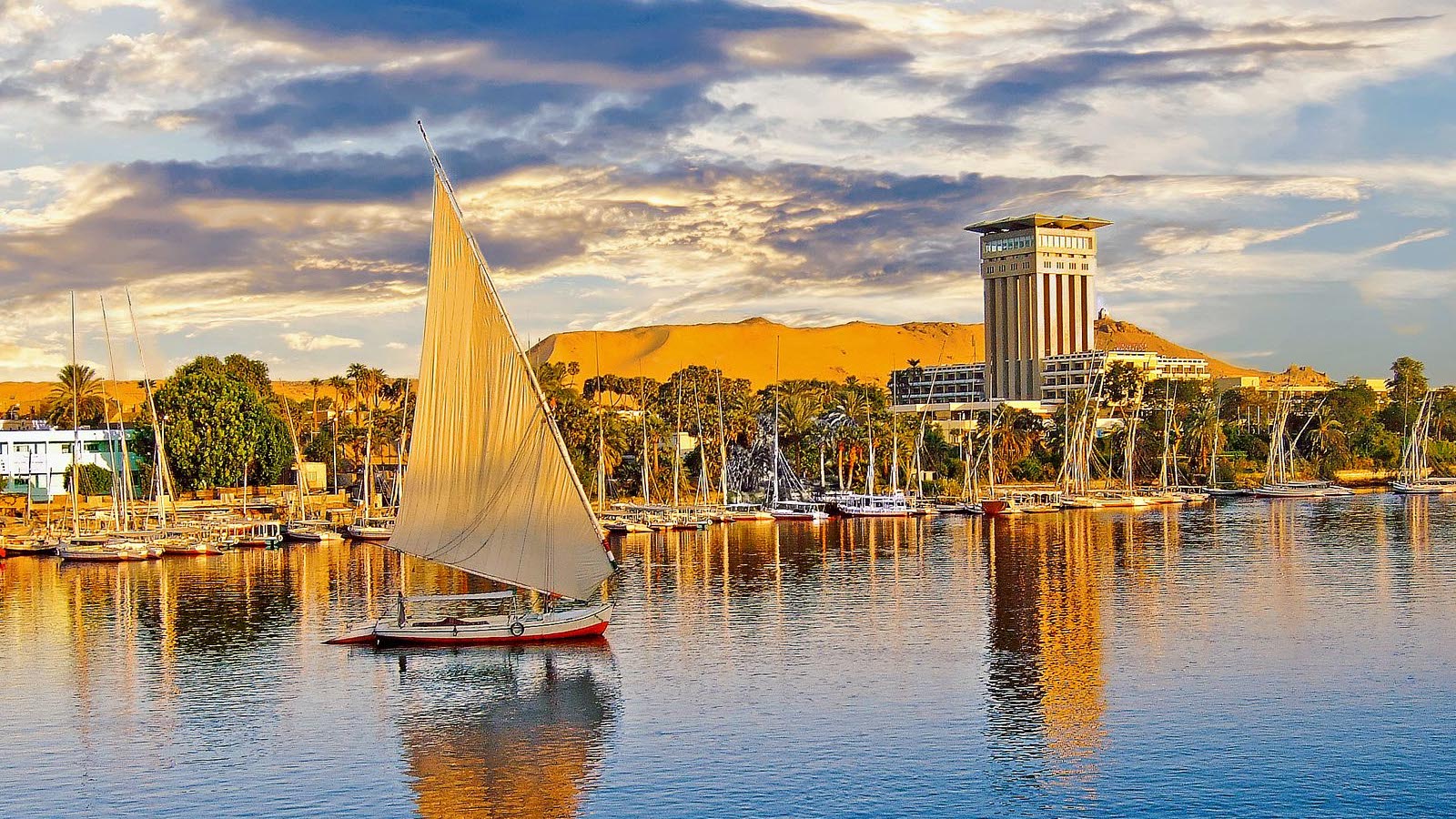
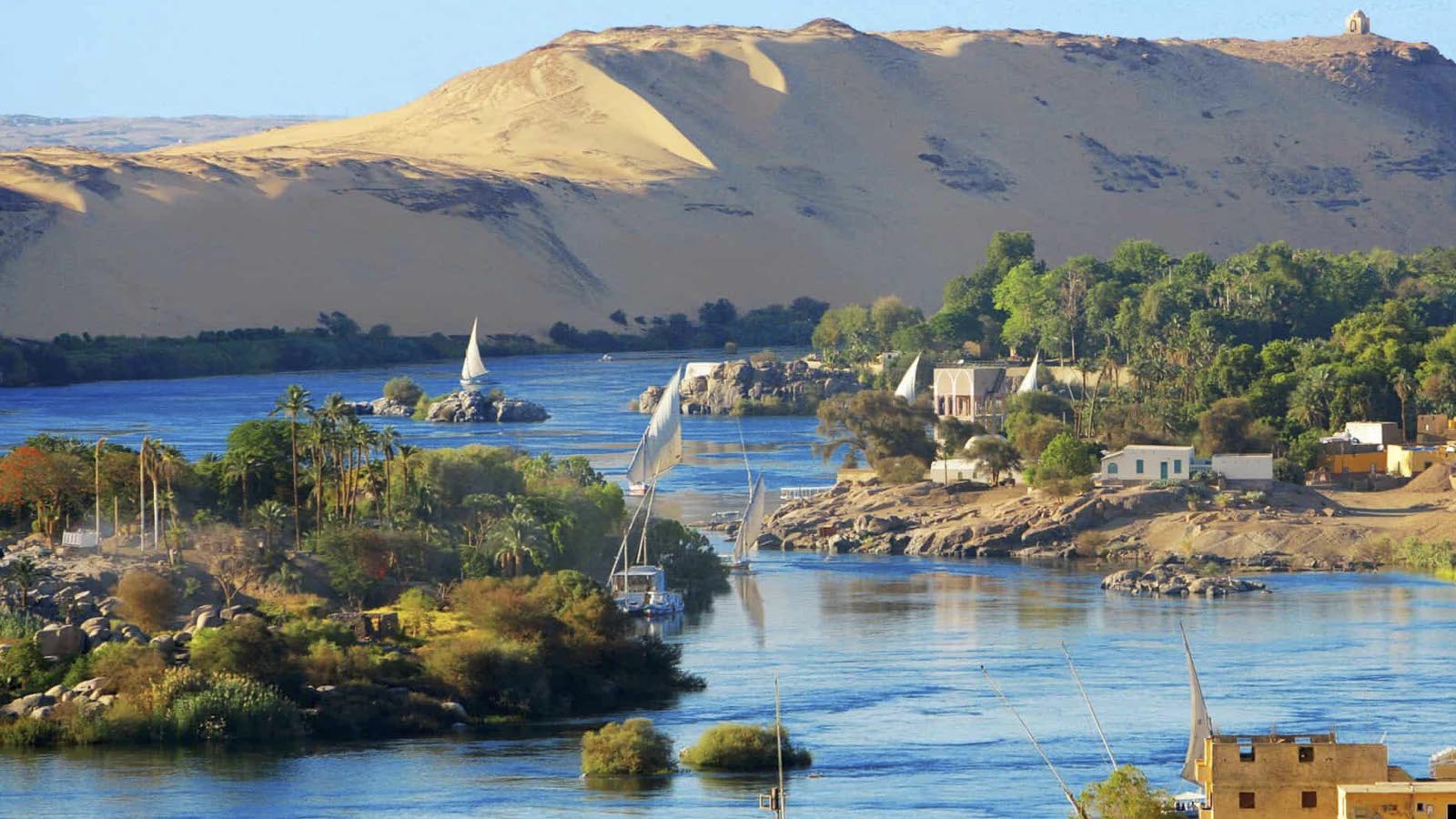
Aswan offers a slower and more scenic atmosphere shaped by the Nile, desert landscapes and Nubian cultural influences. The city is often associated with relaxation, river views and elegant historic hotels overlooking the water.
Many travellers stay in Aswan as part of Nile cruise itineraries or as a quieter contrast to the intensity of Cairo and Luxor. Accommodation ranges from luxury heritage properties to boutique riverside stays and island-based retreats.
Nile cruises form one of Egypt’s most distinctive accommodation experiences, allowing travellers to combine transport, sightseeing and hospitality within a single journey. Cruises between Luxor and Aswan connect temples, riverside landscapes and archaeological regions through a slower and more immersive style of travel.
Accommodation on the Nile ranges from traditional riverboats to high-end luxury vessels focused on comfort, panoramic views and guided cultural experiences. For many travellers, the cruise itself becomes one of the highlights of the journey.
Egypt’s Red Sea coastline provides a completely different atmosphere focused on beaches, marine environments and resort travel. Destinations such as Hurghada and Sharm El Sheikh combine warm climate, coastal scenery and resort infrastructure within highly accessible settings.
Travellers frequently include Red Sea stays at the end of cultural itineraries to balance exploration with rest and relaxation. Accommodation ranges from large beachfront resorts to luxury retreats and boutique coastal properties.
Egypt’s desert environments introduce quieter and more remote travel experiences centred on landscapes, isolation and scenic contrast. Oasis regions and desert lodges appeal particularly to travellers seeking exploration beyond the traditional Nile-based itinerary.
Accommodation in these areas is often smaller in scale and more closely integrated into the surrounding environment, creating journeys focused on atmosphere and landscape immersion.
Egypt offers a distinctive hospitality sector where luxury is often defined by atmosphere, history and setting rather than contemporary excess alone. Historic Nile hotels, palace-style properties and refined river cruises create experiences closely connected to the destination’s cultural identity.
Many luxury stays focus on panoramic river views, historic architecture and personalised service, creating journeys that feel elegant while remaining strongly tied to Egypt’s landscapes and heritage.
Egypt is best experienced through multi-centre itineraries that combine archaeological regions, river journeys and coastal environments within a single trip. Travellers frequently move between Cairo, Upper Egypt, the Nile and the Red Sea while experiencing strong shifts in scenery and atmosphere.
This structure creates journeys that feel progressive and layered, gradually revealing different dimensions of Egypt’s history, landscapes and contemporary identity.
The best time to visit Egypt is between October and April, when temperatures are milder and more comfortable for exploring historical sites. During the summer months, particularly from June to August, temperatures can be extremely high, especially in inland areas such as Luxor and Aswan.
Egypt has a predominantly desert climate, with hot summers and mild winters. Coastal areas along the Red Sea tend to be slightly cooler, while inland regions experience more extreme temperatures.
Egypt’s calendar includes a mix of religious and national celebrations, many of which follow the Islamic lunar calendar and vary each year.
The local currency is the Egyptian Pound (EGP). Cards are widely accepted in cities and resorts, though carrying cash is advisable for smaller purchases.
Egyptian cuisine is rich and varied, with influences from the Middle East and Mediterranean. Local dishes are widely available, alongside international options in major cities and resorts.
Egypt offers a travel experience centred on ancient civilisation, monumental architecture and landscapes shaped by the Nile and surrounding deserts. Travellers can explore pyramids, temples and historic cities while continuously encountering environments that feel visually dramatic and historically significant.
The destination combines cultural exploration with scenic journeys, coastal relaxation and immersive experiences connected to one of the world’s oldest civilisations. Egypt rewards travellers seeking journeys defined by history, symbolism and strong visual impact.
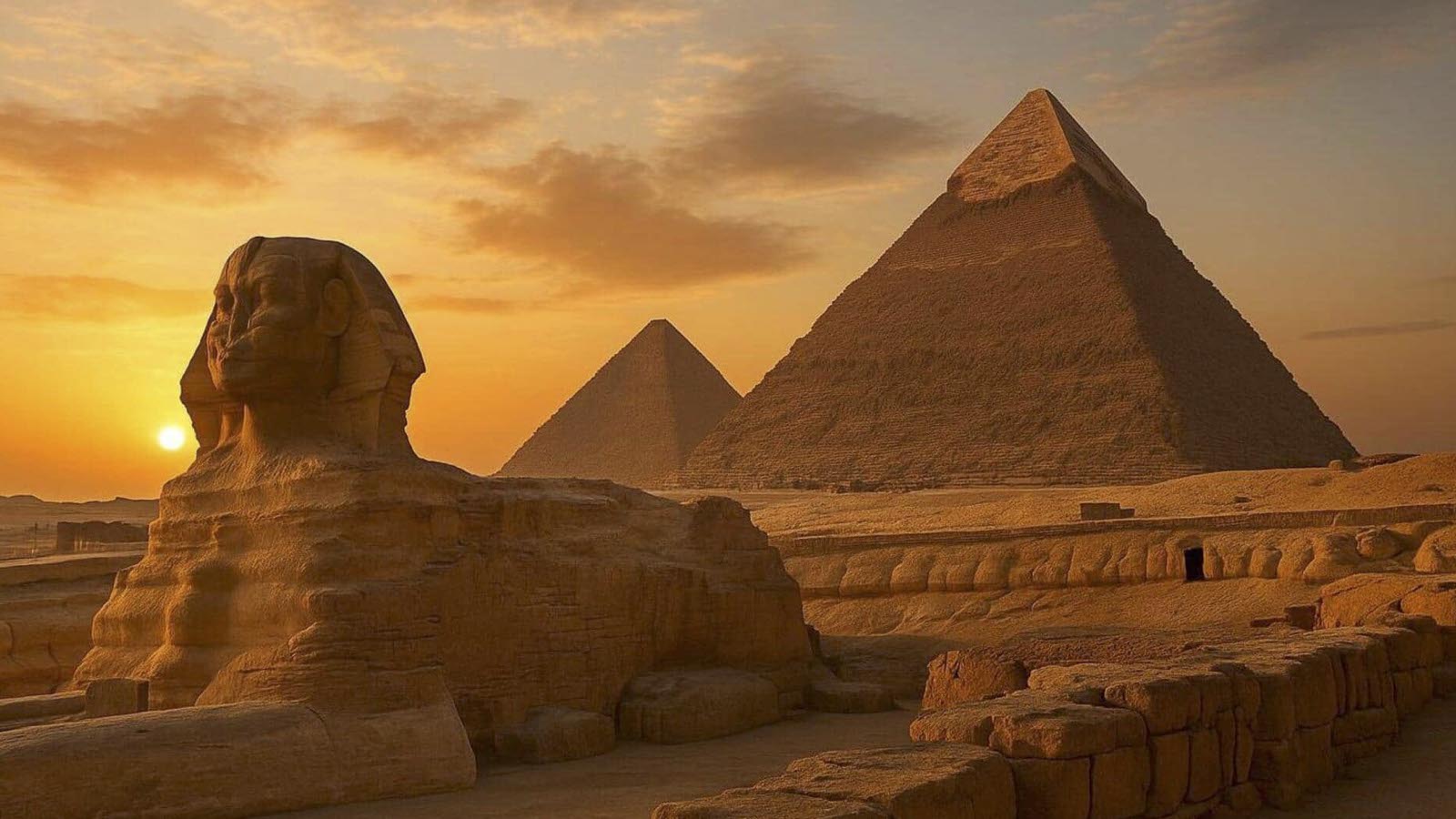
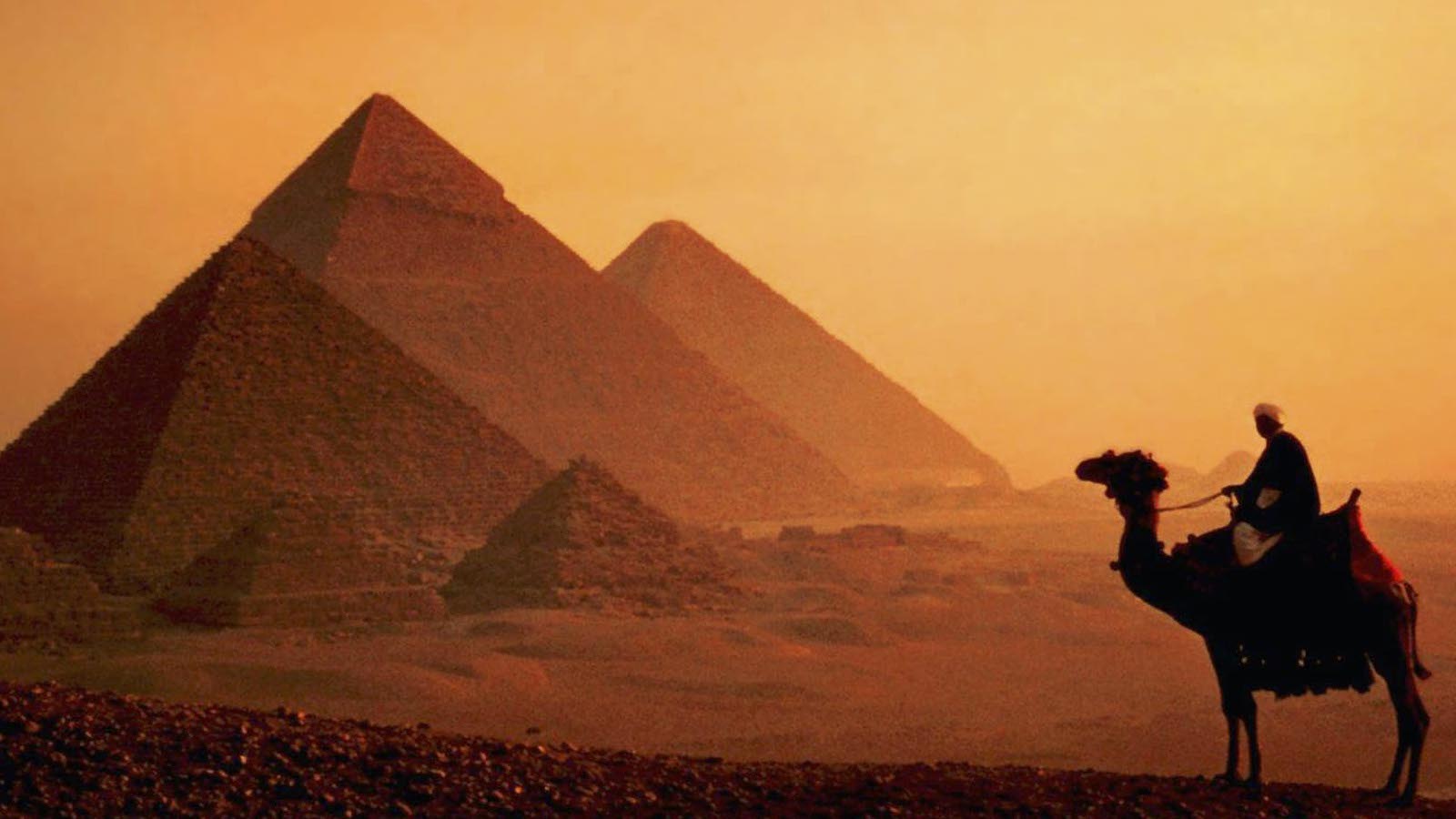
Egypt’s pyramids and archaeological landmarks are among the most recognised historic sites in the world, offering travellers direct connection with one of humanity’s great ancient civilisations. The Pyramids of Giza, the Sphinx and surrounding archaeological areas create experiences defined by scale and historical atmosphere.
Beyond Cairo, temples and tombs across Upper Egypt reveal different aspects of Egyptian history, architecture and mythology. Exploration often feels immersive because these sites remain closely connected to the surrounding landscapes and cultural identity.
Luxor is one of Egypt’s most important archaeological destinations, known for monumental temples, royal tombs and the Valley of the Kings. The city provides access to some of the country’s most significant historic sites while maintaining strong connection to the Nile landscape.
Travellers often spend several days exploring temples, tomb complexes and riverside environments that reveal the scale and sophistication of ancient Egyptian civilisation. Luxor frequently becomes one of the emotional highlights of the journey.
Nile cruises provide one of the most iconic ways to experience Egypt, combining scenic river travel with guided exploration of archaeological sites and historic cities. Journeys between Luxor and Aswan allow travellers to move gradually through landscapes shaped by the Nile for thousands of years.
River travel creates a slower and more atmospheric rhythm compared with conventional overland itineraries, allowing travellers to experience Egypt through both scenery and historical continuity.
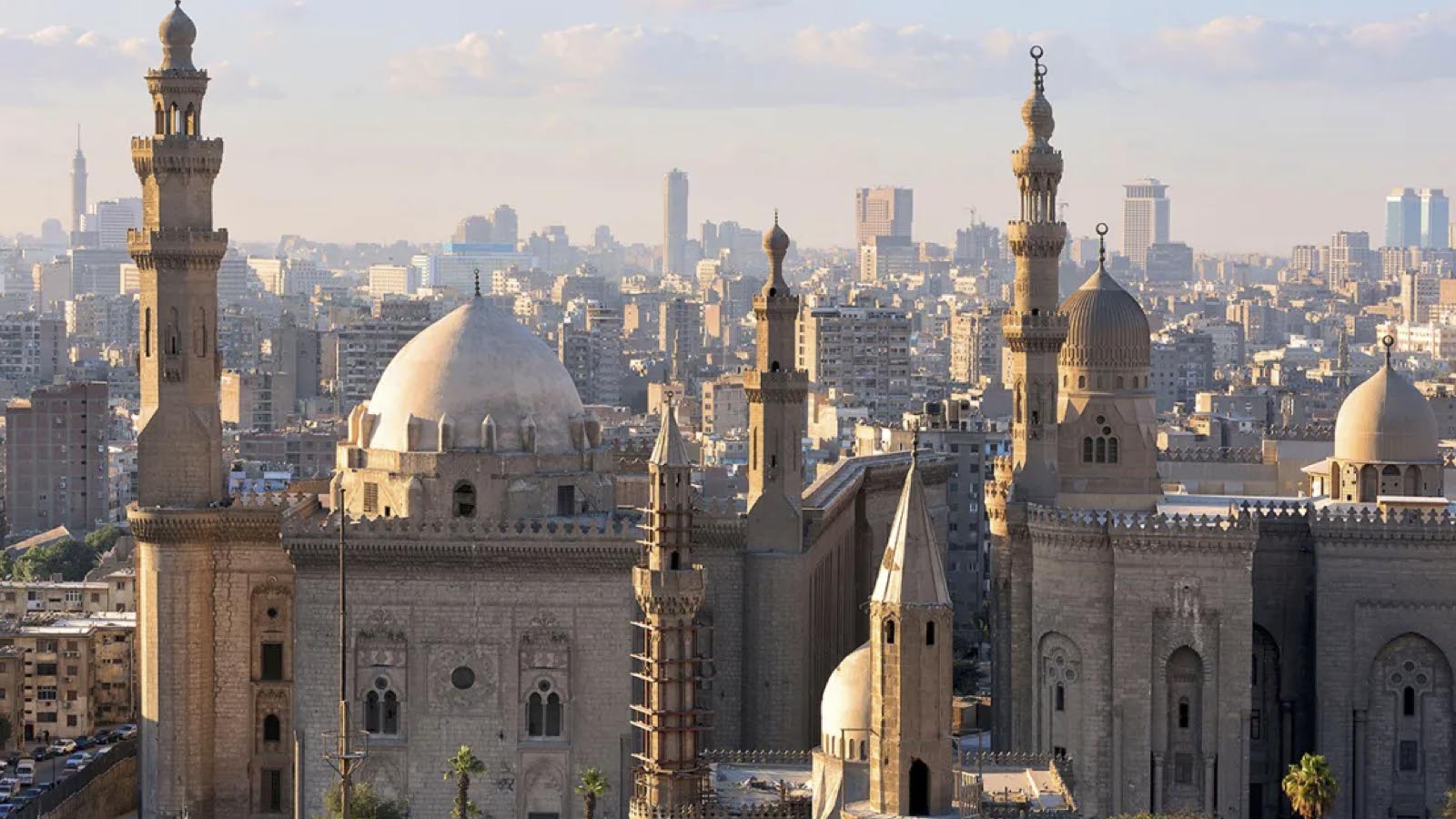
Cairo combines ancient history with the energy of one of the Middle East’s largest cities, creating a layered and constantly evolving urban atmosphere. Travellers can explore museums, Islamic architecture, markets and modern districts while experiencing the contrasts that define contemporary Egyptian life.
The city acts as both a cultural gateway and an introduction to the complexity of the country beyond its archaeological landmarks. Cairo’s intensity and scale form an essential part of the Egyptian travel experience.
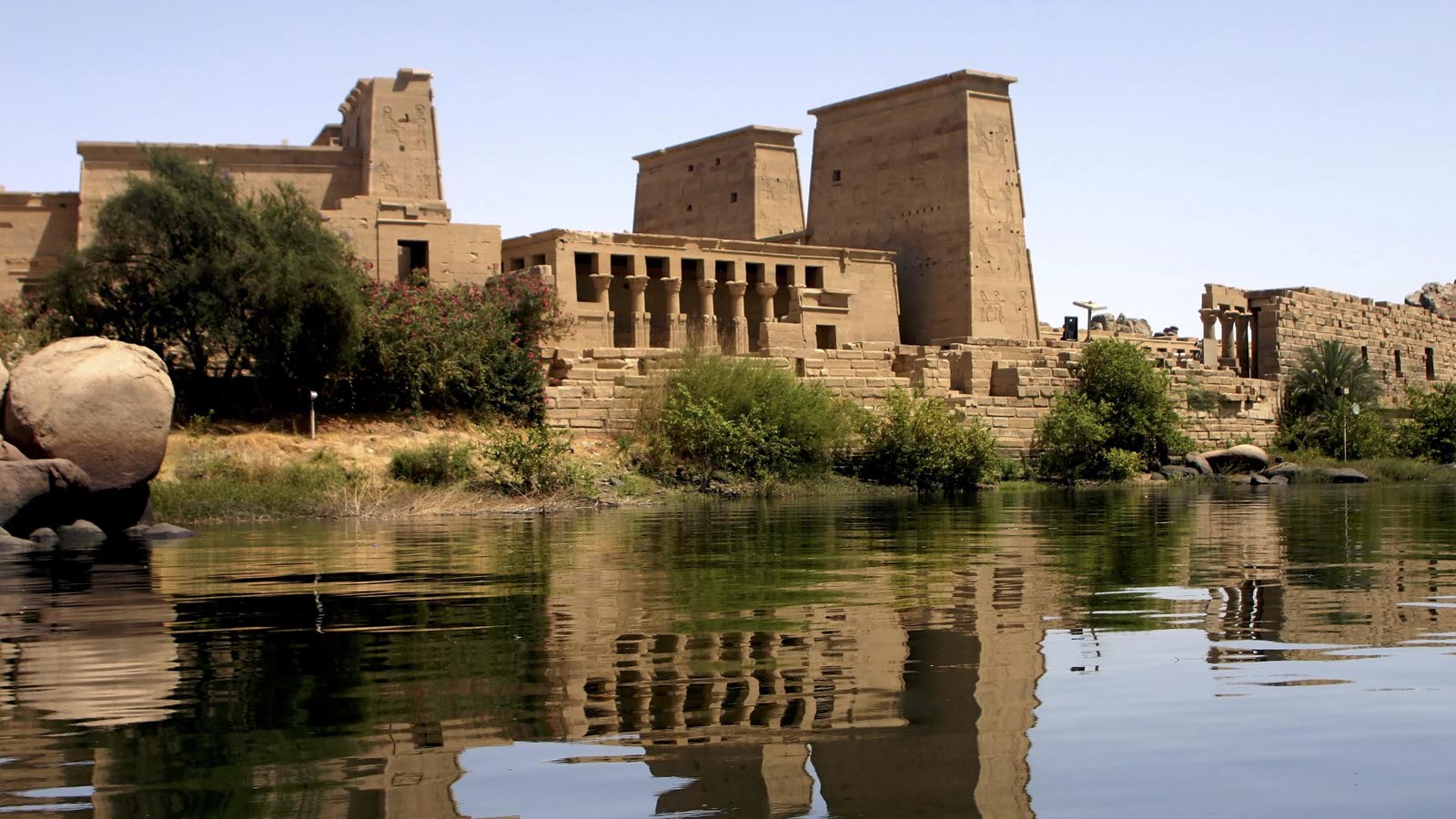
Temples throughout Egypt remain among the most visually impressive structures of the ancient world, particularly sites such as Karnak, Abu Simbel and Philae. Their monumental architecture, hieroglyphics and riverside settings create experiences that feel highly atmospheric and immersive.
Many travellers are particularly drawn to the symbolism and artistic detail found within these sites, where mythology and architectural precision remain visible thousands of years after construction.
Egypt’s Red Sea resorts provide a strong environmental contrast to the country’s historic regions, offering beaches, marine environments and resort-style relaxation. Destinations such as Hurghada and Sharm El Sheikh are particularly popular for combining coastal stays with broader cultural itineraries.
Water-based activities, warm climate and scenic coastlines make the Red Sea an appealing addition for travellers seeking balance between exploration and relaxation during the journey.
Egypt’s deserts introduce vast landscapes and remote environments that contrast strongly with the density of the Nile Valley. Oasis regions and desert routes provide opportunities for scenic exploration and slower-paced travel shaped by openness and isolation.
These environments reveal another dimension of Egypt beyond archaeology alone, adding visual and environmental diversity to the overall itinerary.
Egypt is particularly well suited to experiential travel because its regions combine naturally into journeys shaped by progression and discovery. Travellers can move between Cairo, the Nile Valley, desert regions and the Red Sea while continuously encountering different landscapes and atmospheres.
This variety creates itineraries that feel immersive and highly memorable, combining cultural depth with scenic contrast and strong emotional impact.
Egypt offers one of the world’s most iconic cultural travel experiences, combining ancient history, monumental architecture and desert landscapes within a destination shaped by thousands of years of civilisation. The country provides journeys that feel immersive, visually powerful and deeply connected to human history.
Travellers can move between archaeological sites, Nile-side cities, desert environments and Red Sea resorts while experiencing strong contrasts in atmosphere and landscape. Egypt is particularly rewarding for travellers seeking journeys centred on discovery, heritage and cultural significance.
Egypt is one of the world’s great heritage destinations, known for temples, tombs, pyramids and archaeological sites that continue to define global perceptions of ancient civilisation. Destinations such as Luxor, Aswan and Cairo provide access to some of the most significant historic landmarks ever constructed.
Cultural travel in Egypt is often shaped by scale and historical continuity, where monumental architecture and ancient symbolism remain central to the atmosphere of the journey. The destination creates experiences that feel both educational and emotionally impactful.
The Nile River forms the backbone of many Egyptian itineraries, connecting historic cities and archaeological regions through scenic and slower-paced travel experiences. Nile cruises in particular allow travellers to move gradually between temples, riverside landscapes and cultural sites while maintaining a strong sense of continuity throughout the journey.
Travel along the Nile often feels immersive and atmospheric, combining relaxation with exploration and providing a different perspective on Egypt’s landscapes and historic identity.
Egypt offers a distinctive form of luxury travel centred on historic atmosphere, iconic landmarks and refined hospitality experiences. Luxury properties in cities such as Cairo, Luxor and Aswan often combine colonial heritage, Nile views and proximity to major archaeological sites.
High-end Nile cruises and heritage hotels create journeys that feel elegant while remaining closely connected to the country’s cultural identity and landscapes. Luxury in Egypt is often defined by atmosphere and setting rather than modern excess alone.
Beyond the Nile Valley, Egypt’s desert regions provide vast open landscapes, oasis environments and experiences shaped by isolation and scale. Desert exploration introduces a quieter and more contemplative dimension to the journey that contrasts strongly with the intensity of major historic sites.
Travellers interested in exploration and landscape diversity often combine archaeological regions with desert environments, creating itineraries that feel broader and more immersive.
Egypt’s Red Sea coastline offers a completely different atmosphere focused on beaches, marine environments and resort travel. Destinations such as Hurghada and Sharm El Sheikh combine coastal relaxation with water-based activities and luxury hospitality.
Many travellers include Red Sea stays at the end of cultural itineraries to balance exploration with relaxation. This combination of heritage and coastline is one of Egypt’s most appealing travel contrasts.
Egypt is particularly rewarding for travellers seeking journeys shaped by atmosphere, symbolism and historical immersion. Many experiences are defined not simply by visiting landmarks, but by the emotional impact created through scale, mythology and the surrounding desert environment.
The destination encourages travellers to engage with history as a living and physical presence rather than as distant abstraction, creating journeys that often feel memorable long after the trip has ended.
Egypt is well suited to multi-centre itineraries that combine Cairo, Upper Egypt, the Nile and the Red Sea within a single journey. Travellers can move between highly contrasting environments while maintaining a strong thematic continuity centred on culture and exploration.
This structure allows journeys to feel layered and progressive, gradually revealing different dimensions of Egypt’s landscapes, history and contemporary identity.
Egypt increasingly appeals to couples and premium travellers seeking journeys that combine iconic experiences with comfort and exclusivity. Private guides, luxury Nile cruises and boutique heritage hotels create itineraries that feel highly personalised and immersive.
The combination of monumental landscapes, historic atmosphere and refined hospitality creates travel experiences that feel visually striking and emotionally memorable.
The best time to visit Egypt is between October and April, when temperatures are milder and more comfortable for sightseeing. During the summer months, especially from June to August, inland areas such as Luxor and Aswan can experience very high temperatures, while coastal destinations remain more moderate.
Most travellers require a visa to enter Egypt, which can often be obtained on arrival or through an online application prior to travel. Requirements may vary depending on nationality, so it is advisable to check current regulations before your trip.
Egypt is a well-established tourist destination, particularly in areas such as Cairo, Luxor, Aswan and the Red Sea resorts. As with any destination, it is advisable to follow local guidance and take standard precautions, especially in busy areas.
The local currency is the Egyptian Pound (EGP). Credit cards are widely accepted in hotels and major establishments, although it is recommended to carry cash for smaller purchases and when travelling outside main tourist areas.
Travelling around Egypt is relatively straightforward, with domestic flights connecting major cities such as Cairo, Luxor and Aswan. Many travellers also choose to explore the country through organised tours or Nile cruises, which provide a convenient and comfortable way to visit key sites.
Light, breathable clothing is recommended due to the warm climate. In cultural and religious sites, it is advisable to dress modestly, covering shoulders and knees where appropriate. Comfortable footwear is also essential when exploring archaeological sites.
Yes, many of Egypt’s main sites can be visited independently. However, guided visits can enhance the experience by providing historical context and deeper insight into the significance of each location.
A stay of 7 to 10 days is ideal to experience Egypt’s main highlights, including Cairo and a Nile journey between Luxor and Aswan. Longer trips allow for additional time at the Red Sea or exploration of less-visited regions.
Explore a visual glimpse of Egypt through images that capture its landscapes, heritage and atmosphere.
Discover the scenes that define this iconic destination.