Iceland
Home All Destinations Iceland

Iceland is a destination defined by dramatic landscapes, natural forces and a sense of vast, untouched space. Known for its volcanoes, glaciers and geothermal activity, it offers a travel experience that feels both remote and immersive.
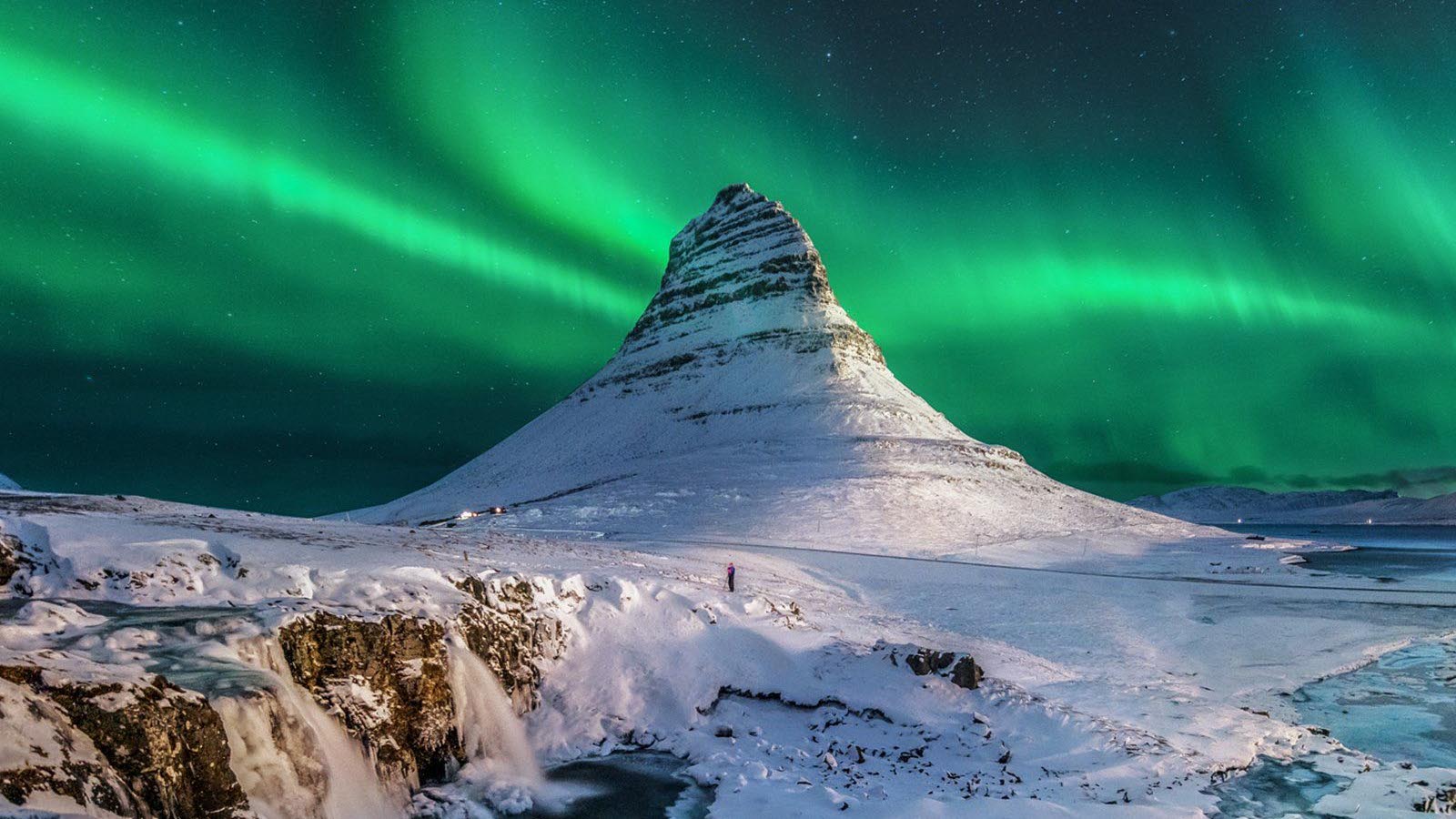
Travellers can explore waterfalls, lava fields and black sand beaches, as well as experience seasonal phenomena such as the Northern Lights. Iceland’s raw beauty and ever-changing environment create a journey that is both visual and deeply memorable.
Iceland offers a travel experience shaped less by traditional resort areas and more by landscapes, regions and scenic routes. Accommodation choices are often closely linked to the type of environment travellers wish to experience, from volcanic coastlines and glacier regions to remote countryside settings and geothermal areas.
The country is particularly well suited to road-based itineraries where travellers move between different regions rather than remaining in a single location. This creates journeys defined by contrast, changing scenery and immersion in Iceland’s natural environments.
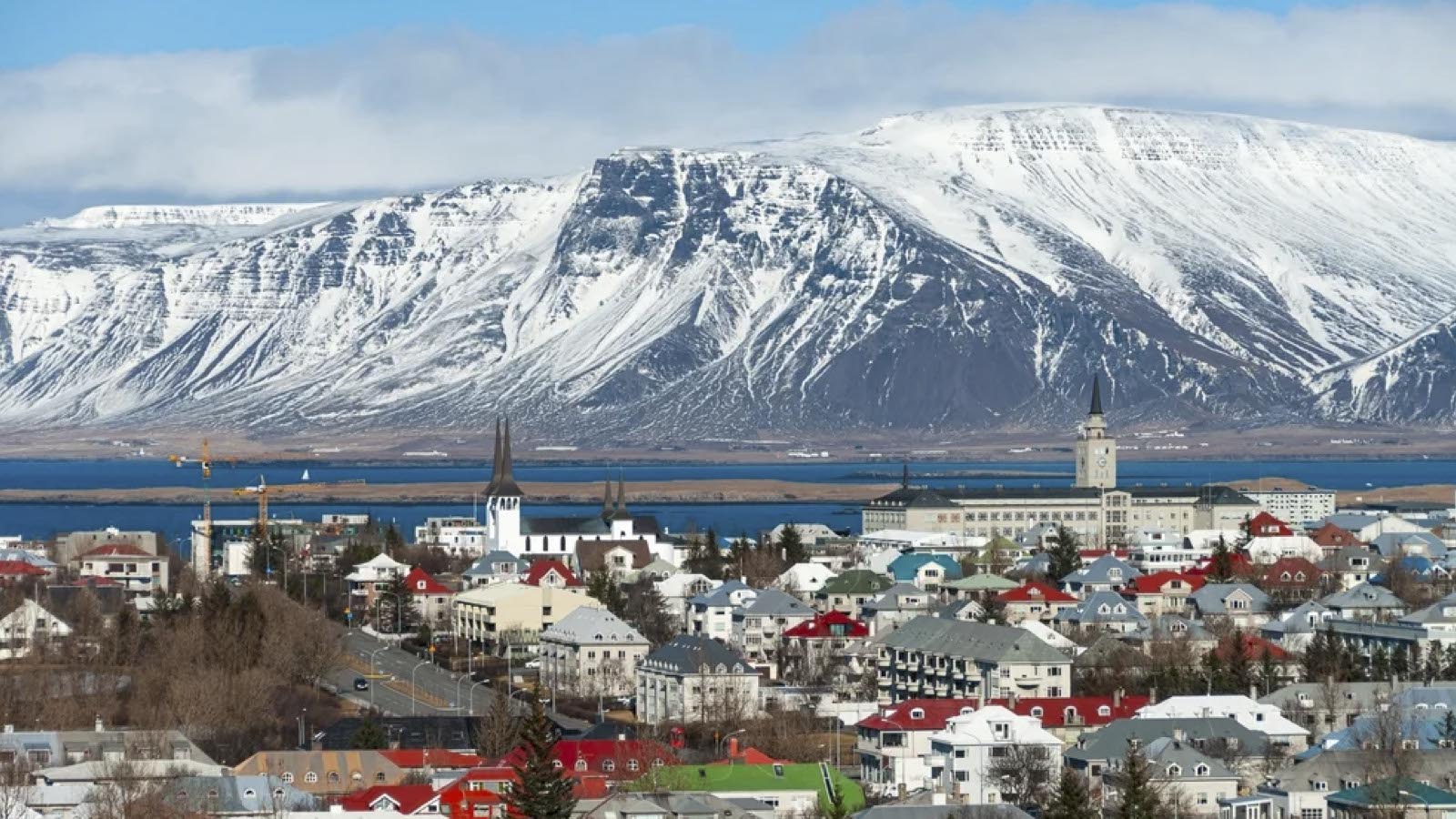
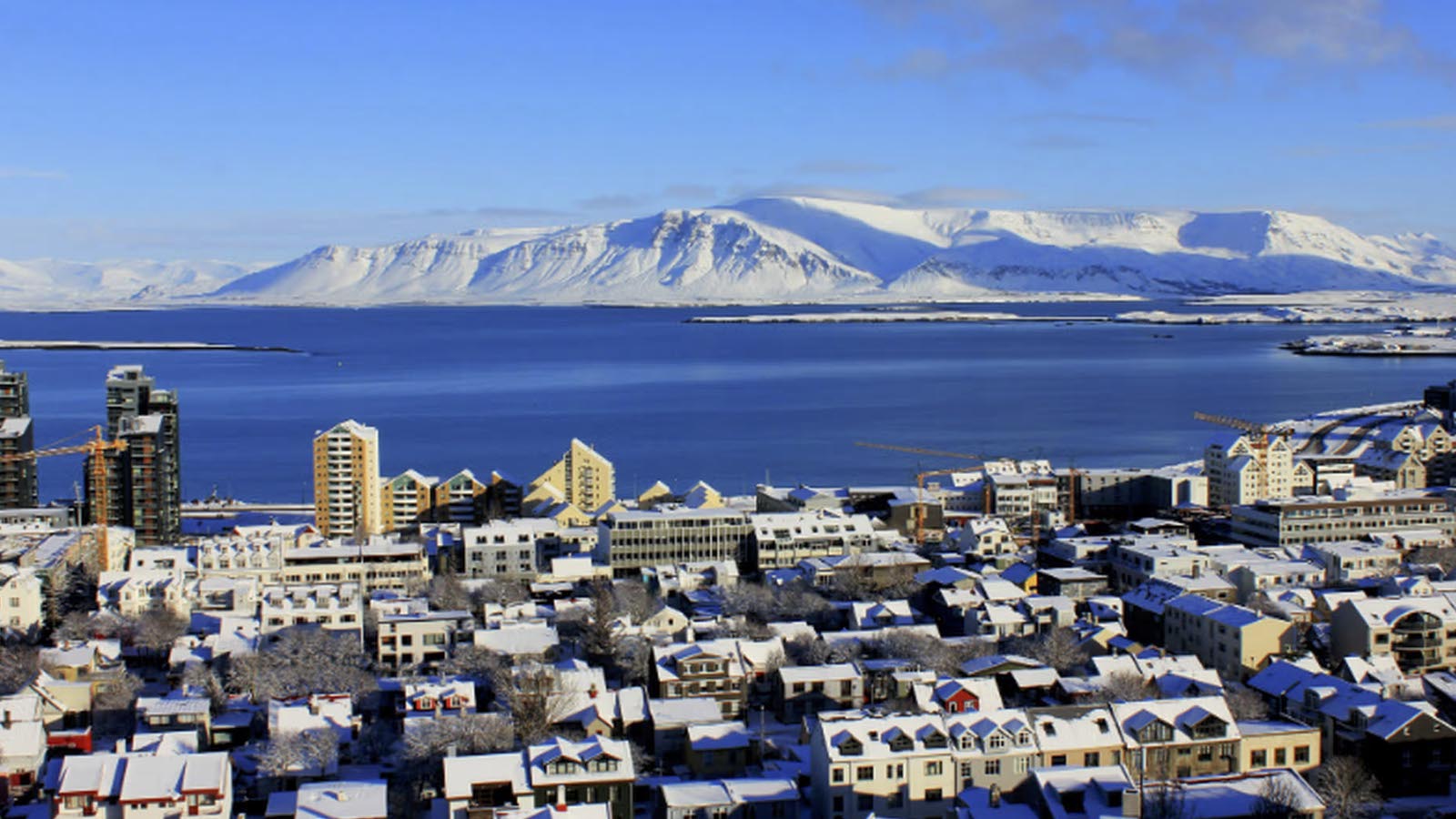
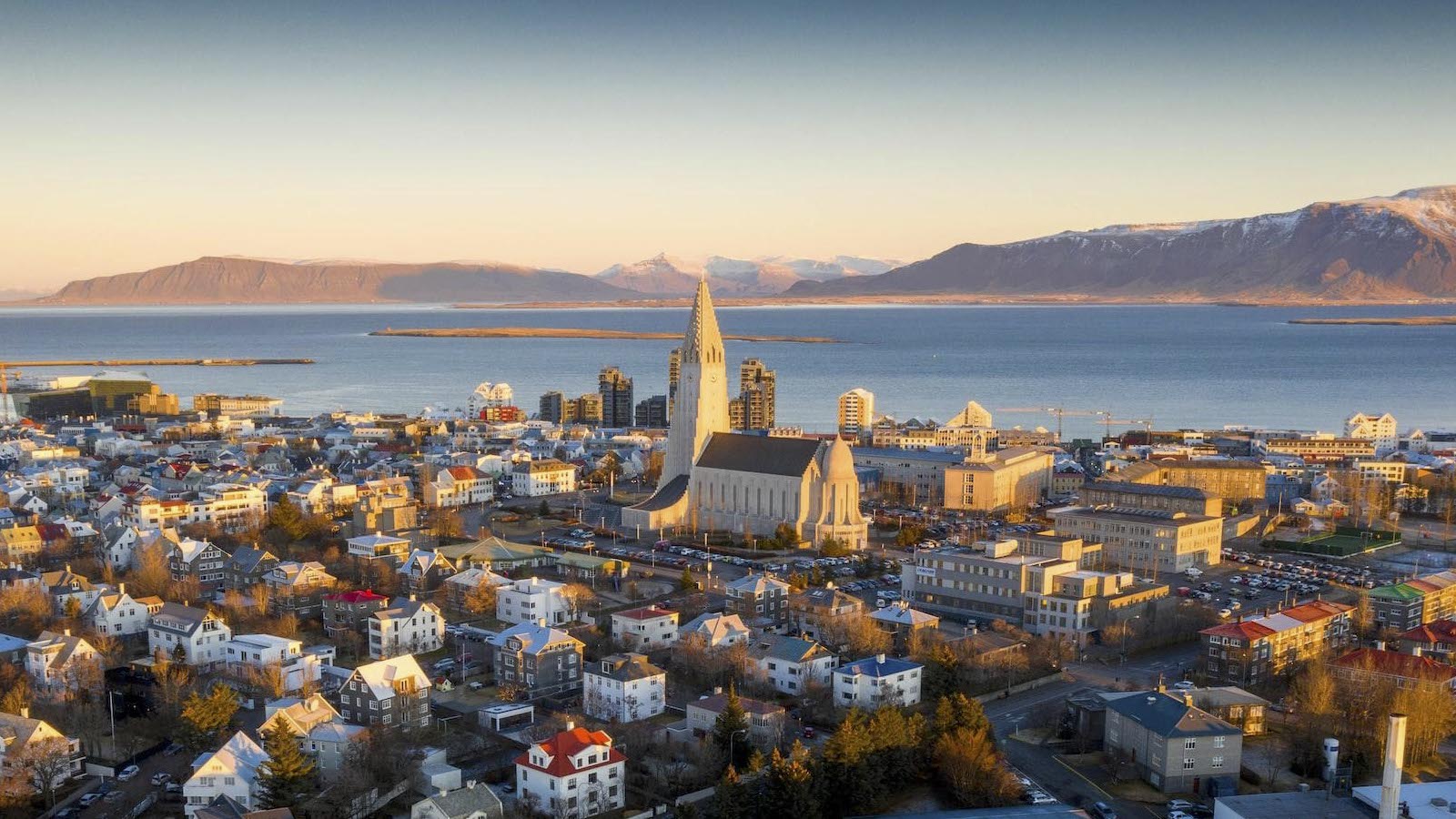
Reykjavík is Iceland’s capital and the country’s main gateway, offering a compact urban environment with contemporary Nordic character and easy access to nearby attractions. The city combines cultural venues, cafés, restaurants and waterfront areas within a calm and highly walkable setting.
Many travellers begin and end their Icelandic journey here, using Reykjavík as a base for exploring the Golden Circle, geothermal areas and nearby landscapes. The city also offers the country’s widest accommodation range, from modern design hotels to boutique guesthouses and luxury properties.
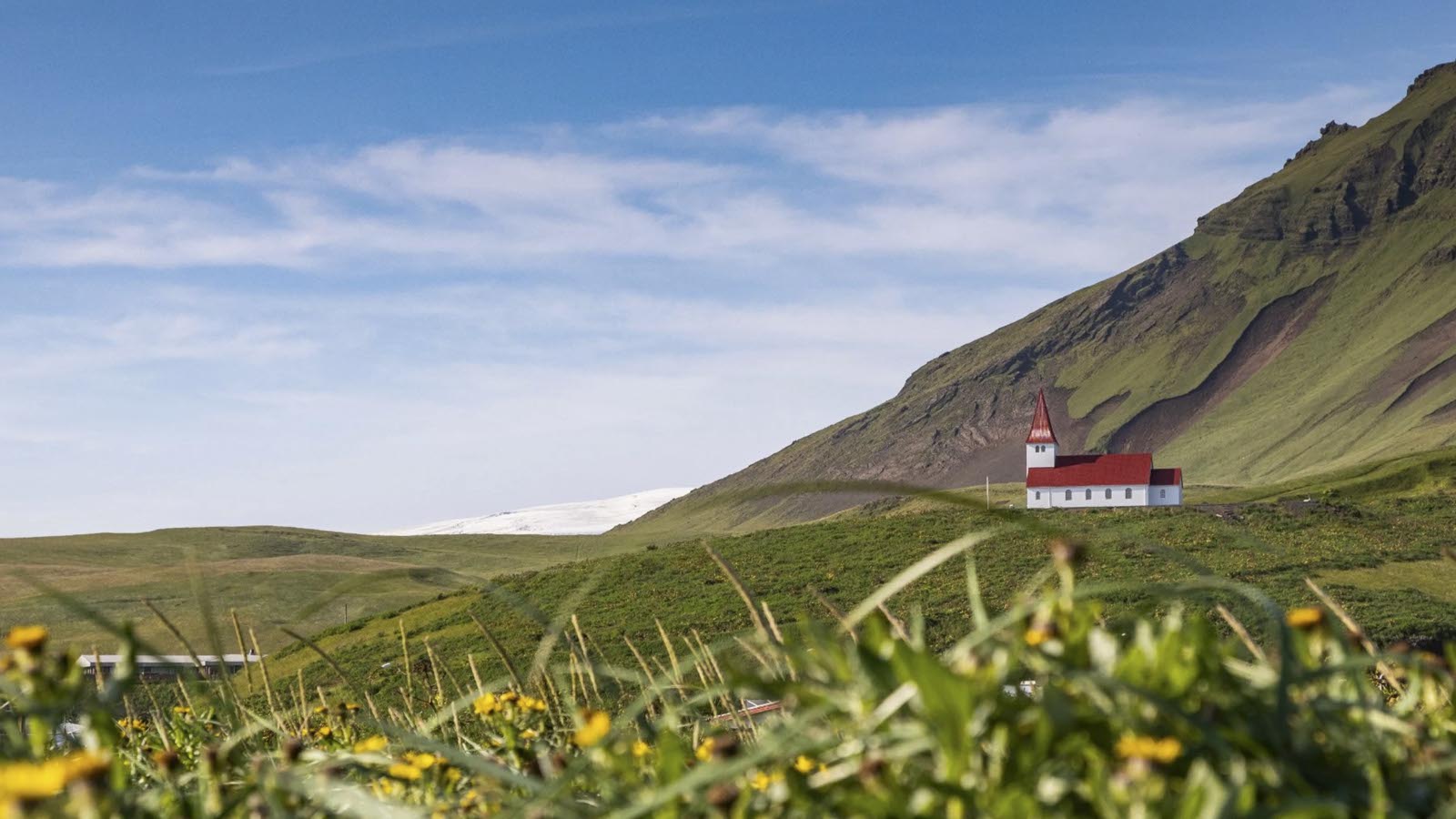
The South Coast is one of Iceland’s most popular regions due to its concentration of dramatic landscapes and accessible natural landmarks. Waterfalls, glaciers, black sand beaches and volcanic scenery create an environment that feels continuously scenic throughout the journey.
Staying along the South Coast allows travellers to experience Iceland’s natural identity more directly while maintaining good road connections and access to major attractions. Accommodation in this region often focuses on landscape immersion, with lodges and countryside stays integrated into the surrounding environment.
The Golden Circle region provides one of the most accessible introductions to Iceland’s geothermal and geological landscapes. Travellers staying in this area can easily visit waterfalls, geysers and tectonic landscapes while remaining within comfortable reach of Reykjavík.
The region is particularly suitable for shorter stays and first-time visitors seeking to experience some of Iceland’s most iconic scenery without undertaking longer road journeys. Accommodation here ranges from countryside lodges to modern retreats and wellness-focused properties.
North Iceland offers a quieter and more spacious atmosphere compared with the more visited southern regions. Landscapes here include volcanic terrain, fjords, geothermal areas and coastal scenery, often with fewer travellers and a stronger sense of remoteness.
Areas such as Akureyri provide a small urban base for exploring the surrounding region while maintaining access to services and transport. The north appeals particularly to travellers seeking slower-paced exploration and deeper immersion in Iceland’s landscapes.
One of Iceland’s most distinctive accommodation experiences comes from staying in remote countryside locations surrounded by open landscapes and minimal development. These stays often focus on silence, scenery and direct connection with nature rather than traditional tourism infrastructure.
Rural lodges, guesthouses and isolated hotels allow travellers to experience Iceland’s atmosphere more intimately, particularly during winter months when Northern Lights visibility becomes an important consideration. The sense of isolation and calm is often central to the appeal.
Luxury accommodation in Iceland is typically defined by scenery, architectural simplicity and immersive settings rather than large-scale resort environments. Many high-end properties are designed to maximise views of mountains, lava fields or coastal landscapes while maintaining a minimalist Nordic aesthetic.
These experiences often prioritise privacy, atmosphere and personalised service, creating a refined but understated form of luxury travel. Boutique lodges and remote retreats are particularly popular among travellers seeking exclusivity and connection with nature.
Unlike destinations centred around a single resort area, Iceland is best experienced through multi-region itineraries that combine different landscapes and environments. Travellers frequently move between locations as part of self-drive journeys around the island or along selected scenic routes.
This approach allows visitors to experience Iceland’s geographical diversity more fully, from glaciers and waterfalls to volcanic deserts and coastal regions. Accommodation becomes part of the journey itself, with each stop offering a different atmosphere and perspective on the landscape.
Iceland’s geothermal identity has also shaped a growing range of wellness-focused accommodation experiences centred on relaxation, natural surroundings and thermal waters. Many retreats integrate spa facilities and geothermal bathing directly into remote and scenic environments.
These stays appeal particularly to travellers seeking slower and more restorative journeys where the focus shifts towards wellbeing, calm and immersion in the landscape. The connection between geothermal activity and wellness is one of Iceland’s most distinctive hospitality characteristics.
Iceland can be visited year-round, with summer offering longer daylight hours for exploration and winter providing opportunities to see the Northern Lights.
Iceland has a subarctic climate with variable conditions throughout the year.
Events reflect the country’s culture and seasonal changes.
The official currency is the Icelandic Króna (ISK).
Iceland offers a travel experience centred on landscapes, natural phenomena and immersion in environments that feel both remote and powerful. Rather than focusing primarily on urban attractions or traditional sightseeing, the country encourages travellers to engage directly with nature through exploration, movement and observation.
Each region presents different geological features and atmospheric conditions, allowing itineraries to evolve continuously throughout the journey. From waterfalls and glaciers to volcanic terrain and geothermal areas, Iceland provides experiences shaped by scale, contrast and the constant interaction between land, water and weather.
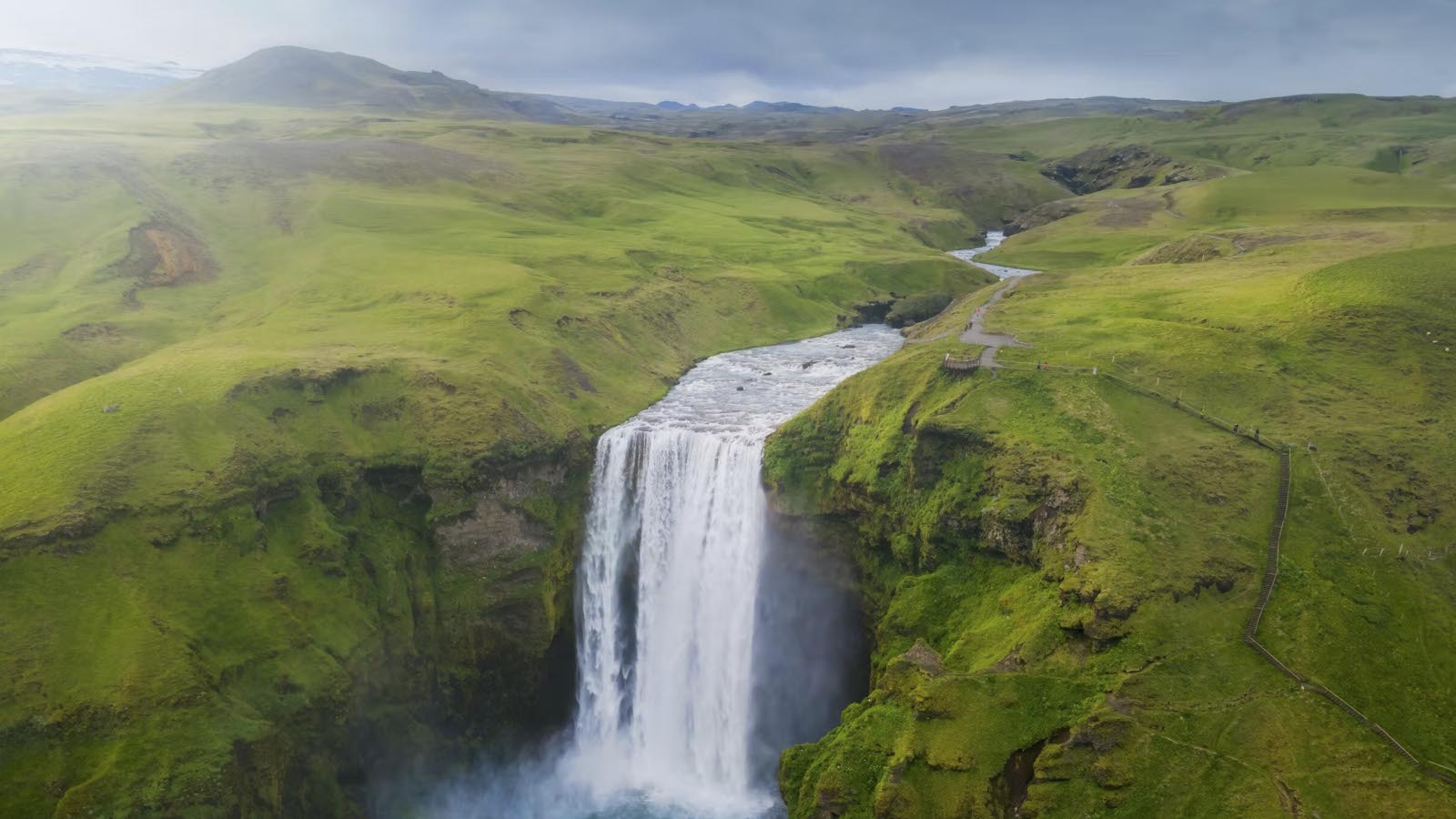
Iceland is known for its dramatic waterfalls and geological formations, many of which are easily accessible through scenic driving routes. Waterfalls such as Skógafoss, Seljalandsfoss and Gullfoss provide some of the country’s most iconic landscapes, combining powerful natural scenery with a strong sense of scale and openness.
Beyond the waterfalls themselves, travellers encounter volcanic craters, lava fields, basalt formations and coastal cliffs that continuously redefine the landscape. Exploration in Iceland often feels cinematic, with each route revealing new contrasts and environments.
The interaction between fire and ice defines much of Iceland’s identity, creating landscapes shaped by glaciers, volcanoes and geothermal activity. Travellers can explore glacier lagoons, black sand beaches and volcanic regions that reflect the country’s constantly evolving geology.
These environments create a strong sense of immersion and visual impact, particularly in areas where glaciers meet the coastline or volcanic terrain extends across vast open spaces. The experience is often less about isolated activities and more about engaging with the scale and atmosphere of the environment itself.
Geothermal activity plays a central role in Icelandic life and travel, with hot springs and geothermal spas forming an essential part of many itineraries. Experiences range from internationally recognised spa complexes to smaller and more remote natural bathing areas integrated into the landscape.
These environments combine relaxation with a strong connection to nature, allowing travellers to experience Iceland’s geothermal identity in a calm and immersive way. Wellness experiences here are often defined by simplicity, scenery and atmosphere rather than traditional luxury alone.
Road travel is one of the defining aspects of visiting Iceland, with routes such as the Ring Road and the Golden Circle connecting many of the country’s most significant natural areas. The journey itself becomes a central part of the experience, with landscapes constantly changing between coastlines, mountains, glaciers and lava fields.
Travellers frequently stop at viewpoints, waterfalls and remote natural locations along the route, creating itineraries that feel flexible and exploratory. Scenic driving in Iceland is not simply transportation, but one of the destination’s core experiences.
Iceland’s changing seasons create very different travel experiences throughout the year. During winter, many travellers visit specifically to witness the Northern Lights, which can appear across the country under clear night skies and low light conditions.
In contrast, summer brings extended daylight hours and the midnight sun, allowing for longer exploration and access to more remote regions. These seasonal changes influence not only the scenery, but also the rhythm and atmosphere of travel across the island.
Although nature dominates the Icelandic experience, Reykjavík provides an important cultural and urban contrast. The capital combines contemporary Nordic design, cafés, museums and waterfront areas within a compact and highly walkable setting.
The city often serves as both an introduction and conclusion to broader journeys around the island, offering insight into Icelandic culture, cuisine and everyday life. Reykjavík also provides access to excursions and nearby natural attractions while maintaining a calmer atmosphere than larger European capitals.
Iceland is one of the world’s most visually distinctive destinations, attracting travellers interested in photography and landscape observation throughout the year. The combination of changing weather, dramatic terrain and unique light conditions creates environments that constantly shift in appearance and mood.
Many travellers structure their journeys around scenic locations and natural light opportunities, particularly during sunrise, sunset and winter conditions. Photography in Iceland becomes less about isolated landmarks and more about capturing atmosphere, scale and contrast across the landscape.
Despite its dramatic scenery, Iceland also encourages slower and more reflective travel experiences. Remote lodges, quiet landscapes and long scenic routes create opportunities to disconnect from fast-paced routines and engage more deeply with the environment.
Many travellers choose to reduce the number of destinations within their itinerary in favour of spending more time immersed in specific regions. This slower approach often becomes one of the most rewarding aspects of travelling through Iceland.
Iceland offers a highly distinctive travel experience shaped by dramatic landscapes, natural forces and a strong sense of scale. Unlike more traditional European destinations centred on cities and monuments, travel in Iceland is primarily driven by immersion in nature and the atmosphere created by constantly changing environments.
The destination is particularly suited to travellers seeking experiences that feel visual, remote and emotionally memorable. From road-based exploration to seasonal phenomena and slow immersion in the landscape, Iceland supports travel styles focused on discovery rather than conventional sightseeing.
Nature is the defining element of travel in Iceland, where waterfalls, glaciers, lava fields and volcanic terrain shape nearly every journey across the island. Travellers are constantly surrounded by environments that feel raw, open and largely untouched, creating a strong sense of connection with the landscape.
Different regions provide contrasting scenery and atmospheres, from black sand beaches and coastal cliffs to geothermal valleys and icy mountain areas. The experience is less about isolated landmarks and more about the continuous interaction with the surrounding environment throughout the journey.
Iceland is widely regarded as one of the world’s great road trip destinations, with self-drive itineraries allowing travellers to explore the island at their own rhythm. The road network connects many of the country’s most iconic landscapes, creating journeys that are as important as the destinations themselves.
Travellers can stop at waterfalls, viewpoints, geothermal areas and remote natural sites along the way, often discovering unexpected scenery between planned locations. This flexibility and freedom of movement are central to the Icelandic travel experience.
Iceland naturally appeals to travellers seeking active and exploration-focused journeys, though the experience is usually defined more by environmental immersion than by extreme adventure. Hiking routes, glacier areas and volcanic landscapes encourage travellers to engage directly with the terrain and natural conditions.
The destination offers a strong sense of discovery, particularly in more remote regions where landscapes feel isolated and dramatic. Exploration in Iceland is often shaped by atmosphere, weather and scale rather than structured attractions alone.
Iceland is one of the most visually distinctive destinations in the world, attracting travellers interested in photography, landscapes and cinematic scenery. The changing light conditions, dramatic contrasts and seasonal variations create constantly evolving environments throughout the year.
From the Northern Lights in winter to the midnight sun in summer, natural light becomes an important part of the experience itself. Many travellers are drawn to Iceland specifically for its visual impact and the sense of scale created by its open landscapes.
Travel in Iceland changes significantly depending on the season, with each period offering a very different atmosphere and rhythm. Winter brings snow-covered landscapes, darker skies and opportunities to experience the Northern Lights, while summer offers extended daylight hours and easier access to remote regions.
This seasonal variation creates experiences that feel highly distinctive throughout the year, encouraging travellers to approach Iceland not simply as a destination, but as an environment shaped by natural cycles and changing conditions.
Despite its dramatic landscapes, Iceland also supports slower and more reflective travel styles centred on relaxation and wellbeing. Geothermal spas, remote lodges and nature-focused accommodation encourage travellers to slow their pace and engage more deeply with the surroundings.
Wellness in Iceland is closely linked to the landscape itself, where geothermal waters, silence and open space become part of the restorative experience. This creates a form of travel that balances exploration with calm and immersion.
Luxury travel in Iceland is generally defined less by excess and more by exclusivity, scenery and privacy. High-end experiences often focus on remote locations, architectural simplicity and immersive settings that place the landscape at the centre of the journey.
Luxury lodges, boutique hotels and private experiences are designed to maximise connection with the natural environment while maintaining comfort and personalised service. This creates a refined style of travel that feels understated yet highly memorable.
The best time to visit Iceland depends largely on the type of experience you are seeking. Summer offers long daylight hours, accessible roads and ideal conditions for exploring the country’s landscapes, while winter is popular for Northern Lights experiences and dramatic snow-covered scenery.
Each season creates a very different atmosphere, making Iceland a destination that can feel entirely unique depending on the time of year you choose to travel.
Iceland is part of the Schengen Area, so visa requirements depend on your nationality and the duration of your stay. Many travellers from the United Kingdom, Europe and several international markets can enter visa-free for short tourist visits.
As immigration regulations may change over time, travellers should always verify the latest requirements through official government or consular sources before departure.
Iceland is widely considered one of the safest travel destinations in the world, with low crime levels and excellent tourism infrastructure.
Travellers should still respect weather conditions and natural environments, particularly when driving or exploring remote areas, as Iceland’s landscapes can be unpredictable and rapidly changing.
The official currency of Iceland is the Icelandic Króna (ISK).
Credit and debit cards are accepted almost everywhere throughout the country, including small businesses, petrol stations and rural tourism services.
Travelling around Iceland is relatively straightforward, although self-drive travel is by far the most popular and flexible option for exploring the country’s landscapes.
The famous Ring Road connects many of Iceland’s main regions and natural attractions, making road trips particularly rewarding for travellers seeking scenic and immersive experiences.
A stay of five to eight days is ideal for most travellers wishing to explore southern Iceland or complete a shorter scenic road-trip itinerary.
Longer journeys can be especially rewarding for travellers interested in driving the entire Ring Road, visiting remote regions or travelling at a slower pace through Iceland’s extraordinary landscapes.
Yes, Iceland is considered one of the world’s leading destinations for self-drive and road-trip travel thanks to its spectacular scenery, well-maintained roads and constantly changing landscapes.
Travellers can experience waterfalls, glaciers, volcanoes, black sand beaches and geothermal regions within a single journey, creating highly immersive and visually unforgettable travel experiences.
Explore a visual glimpse of Iceland through images that capture its landscapes, glaciers and natural features.
Discover the scale and atmosphere that define this unique destination.