India
Home All Destinations India

India is a destination of remarkable diversity, where centuries of history, vibrant cultures and contrasting landscapes come together to create an experience unlike any other. From the grandeur of the Taj Mahal and the palaces of Rajasthan to the spiritual atmosphere of Varanasi and the lush backwaters of Kerala, every region reveals a different perspective of the country.
Beyond its iconic landmarks, India offers a journey shaped by colour, tradition and everyday life, where bustling cities, tranquil countryside and rich cultural heritage coexist. Whether exploring historic sites, experiencing local traditions or discovering its natural beauty, travelling through India is both immersive and unforgettable.
India offers an extraordinary range of destinations shaped by regional diversity, cultural identity and contrasting landscapes. Accommodation choices often become part of the experience itself, with travellers moving between royal cities, spiritual centres, wildlife regions and coastal environments throughout the journey.
The country is particularly well suited to multi-centre itineraries where each destination introduces a different atmosphere, rhythm and architectural style. India’s scale and diversity create journeys that feel continuously evolving and highly immersive.
Delhi is India’s main gateway and one of the country’s most historically layered urban centres, combining Mughal heritage, colonial architecture and modern development. The city provides a powerful introduction to India through its monuments, markets and constantly shifting urban atmosphere.
Many travellers begin their journey here before continuing towards Rajasthan, Agra or other regions. Accommodation ranges from internationally recognised luxury hotels to heritage properties and boutique stays integrated into historic districts.
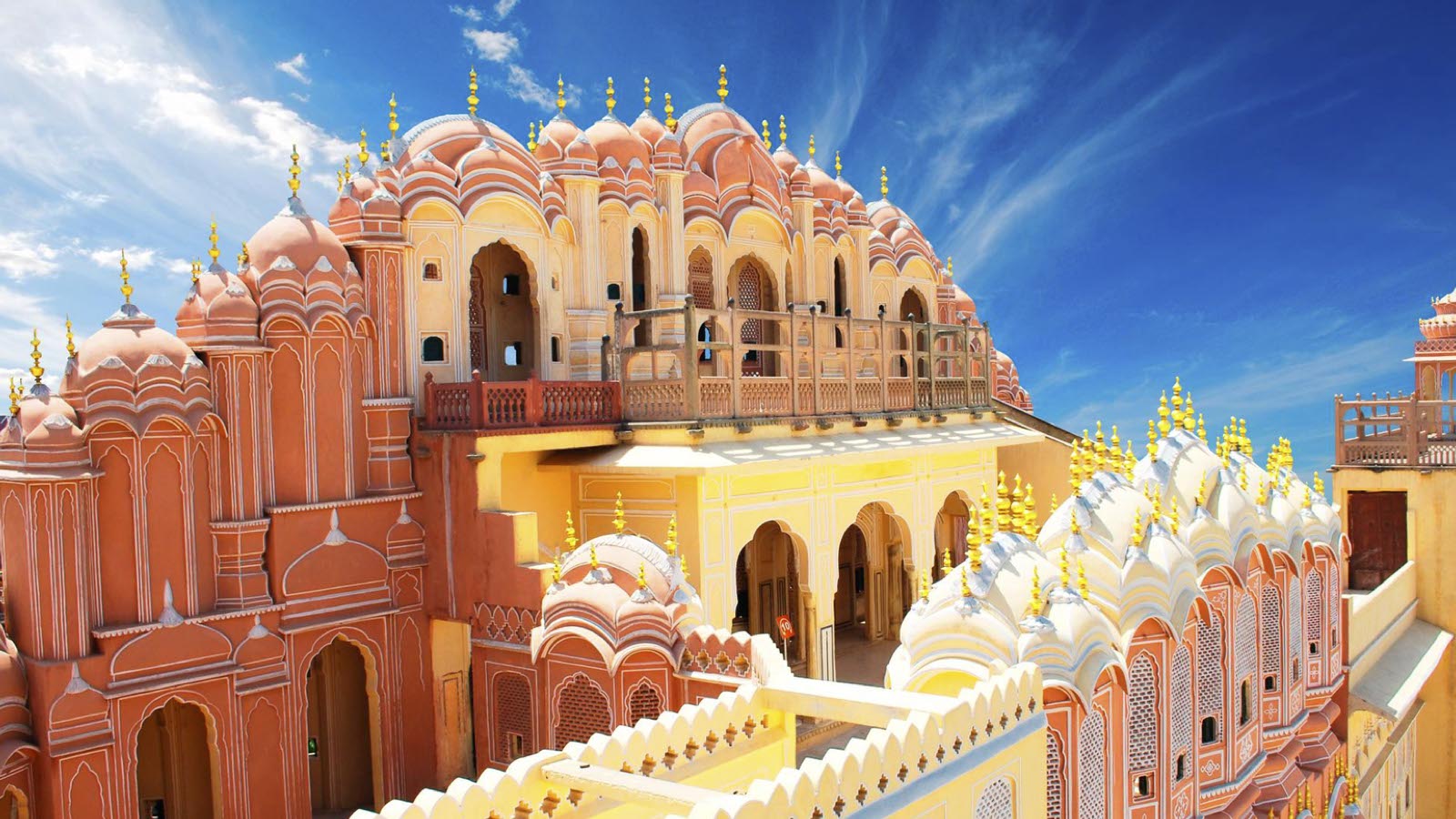
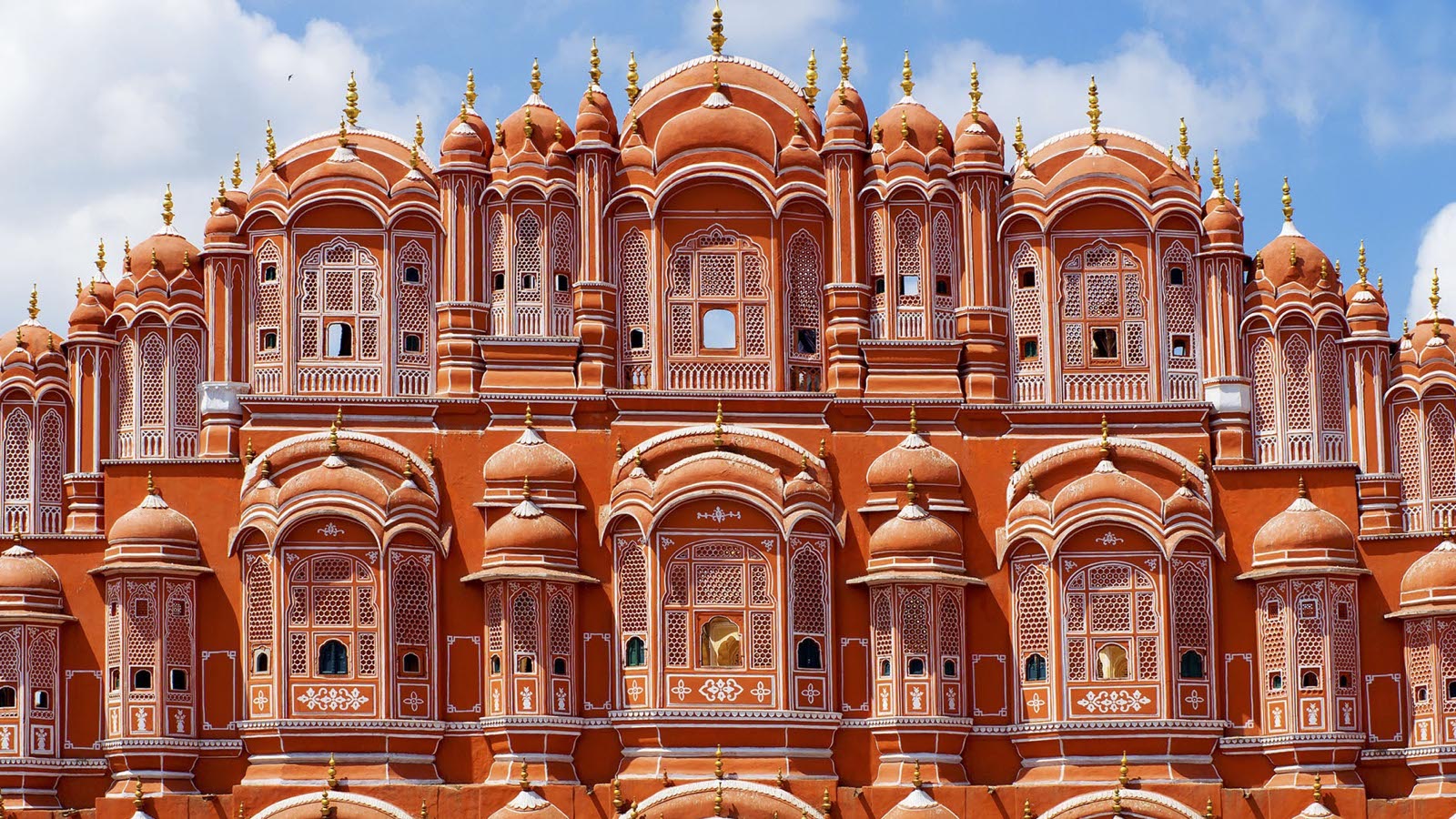
Rajasthan offers one of India’s most iconic travel experiences, known for its forts, palaces, desert landscapes and strong royal heritage. Cities such as Jaipur, Udaipur and Jodhpur each provide distinct architectural character and atmosphere shaped by regional history and craftsmanship.
Staying in Rajasthan often means experiencing palace hotels, heritage mansions and highly atmospheric properties that reflect the grandeur of the region’s past. Accommodation here becomes a central part of the cultural and visual experience.
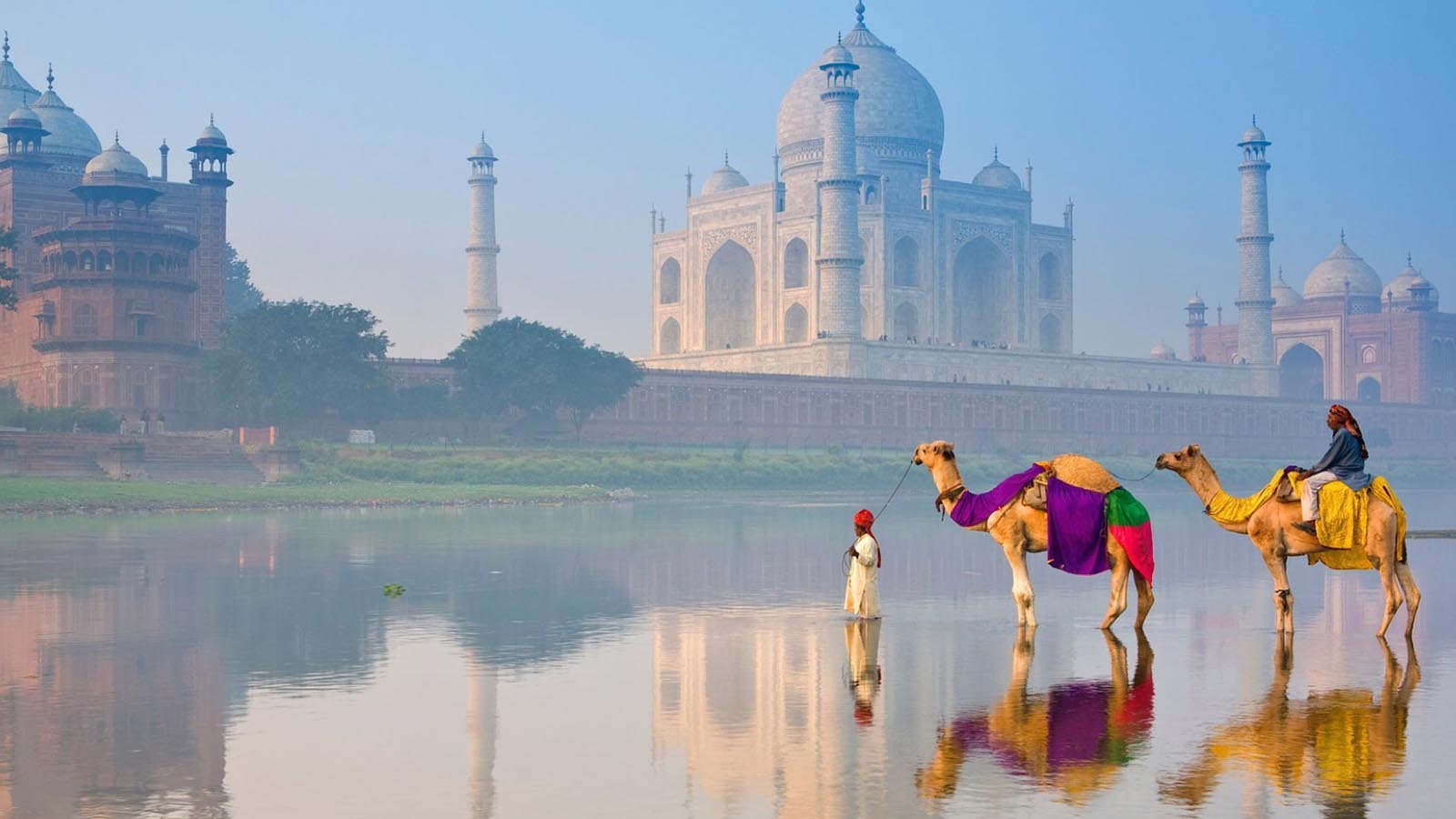
Agra is primarily known as the home of the Taj Mahal, one of the world’s most recognised landmarks and a key highlight of many Indian itineraries. Travellers generally stay in the city as part of the Golden Triangle route connecting Delhi, Agra and Jaipur.
Accommodation in Agra often focuses on proximity to the Taj Mahal and comfortable access to the city’s major historic sites. Luxury properties with monument views are particularly popular among travellers seeking a more refined experience.
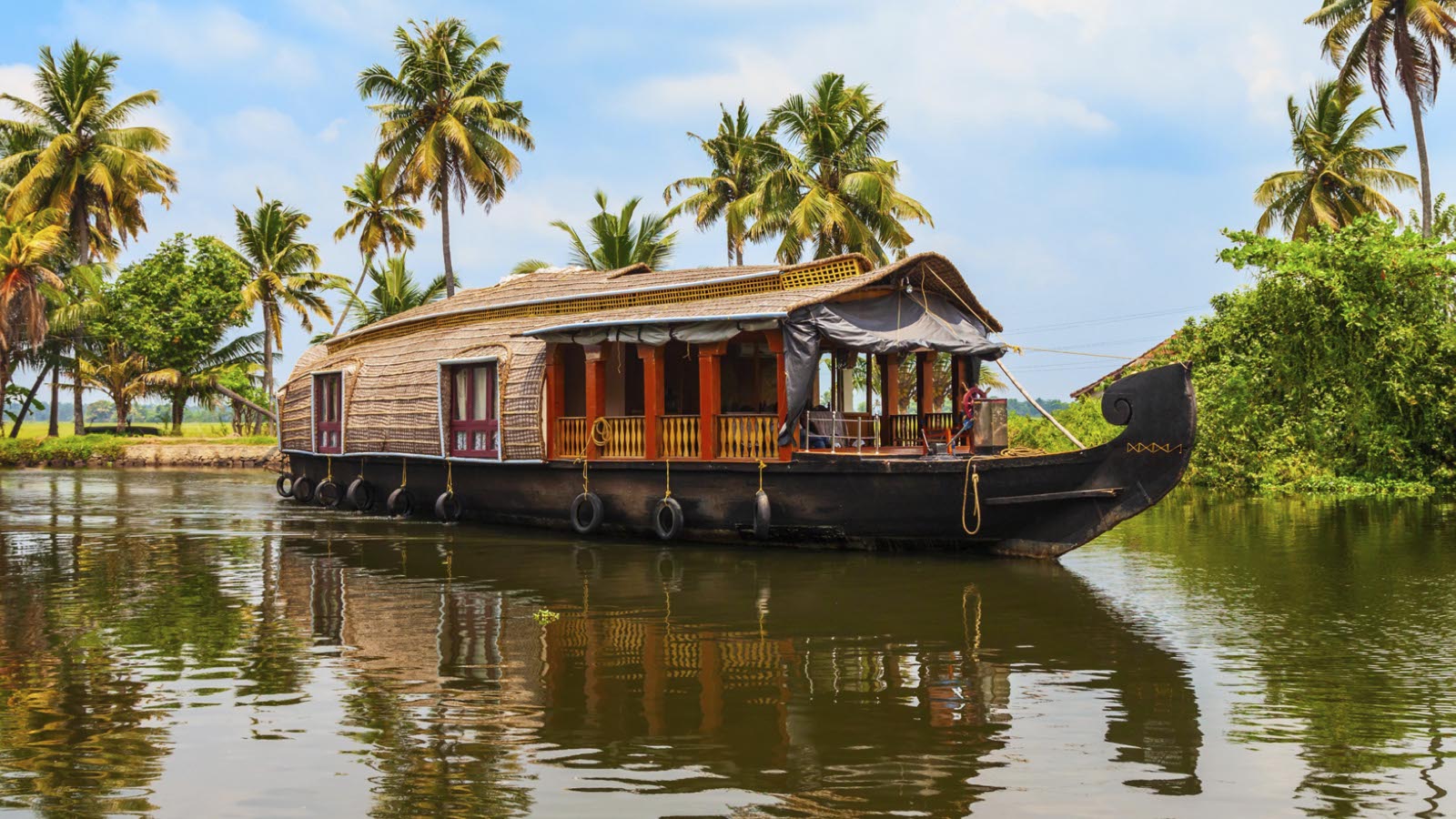
Kerala offers a slower and more nature-focused atmosphere shaped by tropical landscapes, backwaters and coastal environments. The region is particularly associated with wellness, Ayurveda and relaxed travel rhythms compared with India’s larger urban centres.
Travellers staying in Kerala often combine backwater cruises, beach resorts and wellness retreats within one itinerary. Accommodation ranges from luxury nature resorts to boutique heritage stays and eco-focused properties integrated into the landscape.
Varanasi provides one of India’s most intense and spiritually significant travel experiences, centred on the Ganges River and centuries-old religious traditions. Staying near the ghats allows travellers to experience ceremonies, rituals and daily life unfolding continuously along the riverfront.
Accommodation in spiritual destinations tends to focus more on atmosphere and cultural immersion than on conventional luxury. These stays often become emotionally memorable because of their close connection to local life and ritual.
India’s wildlife reserves provide opportunities to stay within forest environments and safari-focused lodges integrated into natural landscapes. Regions such as Ranthambore and Kanha combine wildlife exploration with highly atmospheric accommodation experiences.
Luxury safari lodges and tented camps are particularly popular among travellers seeking exclusivity and stronger immersion in nature. These regions create important contrast within broader cultural itineraries.
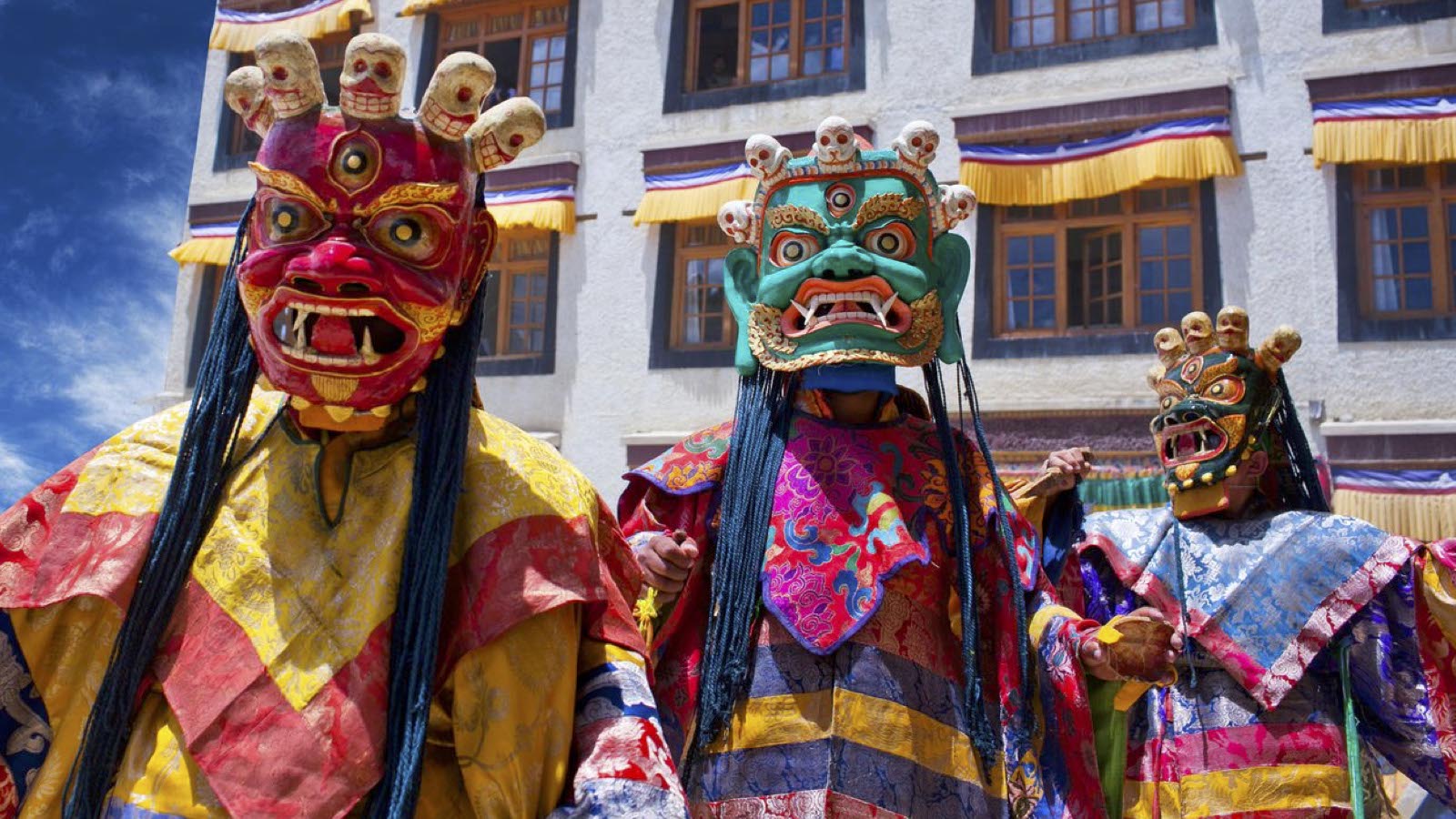
Mountain regions in northern India offer cooler climates, dramatic landscapes and slower-paced travel experiences shaped by Himalayan scenery and spiritual traditions. Areas such as Ladakh and Himachal Pradesh appeal to travellers seeking nature, reflection and environmental contrast.
Accommodation in these regions often includes mountain lodges, boutique retreats and smaller family-run properties that emphasise scenery and local character over large-scale infrastructure.
India is internationally recognised for its luxury hospitality sector, particularly through palace hotels, heritage properties and highly personalised service. Many luxury accommodations are themselves historic buildings, allowing travellers to stay within environments that reflect India’s architectural and cultural legacy.
This integration between accommodation and destination creates journeys where hospitality becomes central to the overall experience rather than simply supporting it. Luxury travel in India is often defined by atmosphere, storytelling and cultural immersion.
India is best experienced through multi-centre itineraries that combine contrasting regions and environments within the same journey. Travellers frequently move between urban centres, heritage cities, wildlife regions and coastal areas while continuously encountering different cultural identities.
This structure creates journeys that feel layered and transformative, allowing travellers to experience the remarkable diversity that defines India. Accommodation choices help shape the rhythm and emotional tone of the overall itinerary.
The best time to visit India is generally between October and March, when temperatures are cooler and more comfortable for travel across most regions. During the summer months, temperatures can be high, particularly in northern and inland areas, while the monsoon season typically runs from June to September.
India’s climate varies significantly by region, ranging from tropical in the south to more temperate conditions in the north and mountainous areas.
India’s cultural calendar is rich with festivals such as Diwali and Holi, which are celebrated across the country and offer a unique insight into local traditions.
The local currency is the Indian Rupee (INR). Cards are widely accepted in cities, though cash is useful in smaller towns and rural areas.
Indian cuisine is diverse and regionally varied, offering a wide range of flavours and dishes across the country.
India offers an extraordinary range of experiences shaped by culture, spirituality, landscapes and regional diversity. Travellers can explore historic cities, sacred sites, wildlife reserves and mountain regions while continuously encountering shifts in atmosphere, architecture and local traditions.
The country rewards travellers who approach the journey with curiosity and openness, as many of India’s most memorable moments come from immersion in everyday life and cultural interaction rather than isolated attractions alone. Each region reveals a different perspective on the destination’s complexity and richness.
India’s architectural heritage includes some of the world’s most remarkable forts, palaces and monuments, reflecting centuries of dynasties, empires and cultural exchange. Destinations such as Jaipur, Udaipur and Agra provide opportunities to explore royal palaces, historic streets and iconic landmarks including the Taj Mahal.
Historic exploration in India is often highly immersive because heritage remains integrated into the rhythm of daily life. Markets, traditional crafts and local customs continue to shape the atmosphere surrounding many of these historic environments.
Spirituality is deeply woven into the Indian travel experience, from riverside ceremonies in Varanasi to Sikh traditions in Amritsar and yoga practices in Rishikesh. Sacred spaces and rituals are not simply attractions, but active and living elements of everyday life.
Travellers often encounter moments of reflection and cultural depth through temples, ceremonies and interactions with local communities. These experiences contribute to India’s reputation as one of the world’s most emotionally and spiritually engaging destinations.
India’s wildlife regions provide opportunities to experience national parks, forests and safari environments that contrast strongly with the country’s urban and cultural intensity. Parks such as Ranthambore and Bandhavgarh are particularly known for tiger safaris and rich biodiversity.
Wildlife experiences in India are frequently combined with heritage and luxury travel, allowing travellers to move between palaces, cultural landmarks and natural environments within the same itinerary. This contrast is one of the country’s most distinctive travel strengths.
Northern India offers mountain landscapes and scenic regions shaped by Himalayan environments, traditional villages and spiritual retreat areas. Destinations such as Ladakh and Himachal Pradesh provide slower-paced journeys focused on landscapes, monasteries and cultural immersion.
These regions create strong environmental contrast within broader Indian itineraries, allowing travellers to experience quieter and more reflective atmospheres away from the country’s larger cities.
Indian cuisine varies dramatically between regions, with each area offering distinct ingredients, cooking styles and culinary traditions. Travellers can explore everything from street food markets and local cafés to royal dining experiences and refined contemporary gastronomy.
Food experiences are often closely tied to local culture and hospitality, making culinary exploration an essential part of travelling through India. Regional variation ensures that dining continuously evolves throughout the journey.
Markets and local neighbourhoods play an important role in understanding India’s atmosphere and cultural diversity. Travellers can experience vibrant bazaars, artisan workshops and everyday street life that reflect the energy and complexity of different regions.
These environments often become some of the most memorable parts of the journey because they provide direct interaction with local traditions, craftsmanship and social life beyond major landmarks.
India also offers a strong wellness tradition centred on Ayurveda, yoga and holistic practices that have developed over centuries. Kerala in particular is recognised for retreats and wellness programmes focused on rest, healing and balance.
Many travellers incorporate slower and wellness-focused stays into broader itineraries as a contrast to the intensity of cultural exploration and urban travel. These experiences often emphasise simplicity, nature and personal wellbeing.
India is exceptionally well suited to experiential travel because each region offers distinct cultural and environmental identities. Travellers can combine royal cities, spiritual destinations, wildlife reserves and mountain landscapes within a single journey while continuously encountering new atmospheres and experiences.
This diversity creates itineraries that feel layered, immersive and highly memorable. India rewards travellers seeking journeys shaped by discovery, emotion and strong cultural engagement rather than standardised tourism alone.
India offers one of the world’s most layered and immersive travel experiences, shaped by extraordinary cultural diversity, regional identity and sensory intensity. The destination combines historic monuments, spirituality, landscapes, cuisine and everyday life in ways that create journeys that feel constantly evolving and deeply memorable.
Travellers can move between major cities, royal palaces, mountain regions, wildlife reserves and tropical coastlines while encountering dramatic shifts in atmosphere, architecture and rhythm. India is particularly rewarding for travellers seeking journeys defined by discovery, contrast and cultural depth rather than purely conventional tourism.
India’s cultural heritage spans thousands of years and is reflected through temples, forts, palaces, sacred cities and historic architecture across the country. Destinations such as Jaipur, Agra and Varanasi provide opportunities to explore environments shaped by dynasties, religion and artistic traditions.
Cultural travel in India is often immersive and emotionally engaging because heritage remains closely connected to contemporary life. Rituals, festivals and local traditions continue to shape the atmosphere of cities and regions throughout the country.
India offers one of the world’s most distinctive luxury travel experiences, combining historic palaces, refined hospitality and highly personalised service. Many luxury properties are themselves part of the country’s architectural and cultural heritage, transforming accommodation into a central part of the journey.
Luxury travel in India often focuses on atmosphere, storytelling and regional identity rather than standardised international experiences. Palace hotels, luxury trains and heritage properties create journeys that feel immersive, elegant and uniquely connected to the destination.
Spirituality forms an important dimension of travelling through India, where temples, rituals, sacred rivers and pilgrimage cities remain deeply integrated into everyday life. Destinations such as Varanasi, Rishikesh and Amritsar provide experiences that feel both culturally significant and emotionally powerful.
Even outside explicitly spiritual locations, travellers often encounter moments shaped by ritual, symbolism and local traditions. This creates journeys that frequently feel introspective and transformative as well as culturally immersive.
India’s landscapes extend far beyond its cities and monuments, ranging from Himalayan regions and deserts to tropical forests and wildlife reserves. National parks such as Ranthambore and Kanha provide opportunities to experience wildlife and natural environments within broader cultural itineraries.
Wildlife travel in India often combines safari experiences with heritage and luxury stays, creating journeys that feel varied and visually rich. The contrast between nature and urban intensity is one of the destination’s defining characteristics.
Cuisine is one of the most important expressions of regional identity in India, with flavours, ingredients and cooking traditions varying dramatically across the country. Travellers can experience everything from refined royal cuisine to local street food and regional specialties shaped by geography and culture.
Food travel in India is often immersive and highly sensory, with dining becoming closely connected to local life, traditions and hospitality. Culinary exploration frequently becomes one of the most memorable aspects of the journey.
India’s scale and regional diversity create opportunities for highly scenic and varied journeys between destinations. Rail travel in particular remains one of the country’s most iconic travel experiences, allowing travellers to experience changing landscapes, cities and local rhythms throughout the journey.
Mountain regions, desert routes and rural landscapes provide strong contrast to the country’s larger urban centres, creating itineraries shaped by movement and environmental variation rather than isolated destinations alone.
India also supports wellness-focused journeys centred on Ayurveda, yoga and slower rhythms of travel. Regions such as Kerala and Rishikesh attract travellers seeking rest, reflection and experiences linked to wellbeing and holistic traditions.
Wellness travel in India is often closely connected to spirituality, nature and traditional practices rather than modern spa culture alone. This creates journeys that feel restorative while remaining deeply rooted in local identity and philosophy.
India is particularly suited to multi-centre travel because each region presents a distinct cultural and environmental identity. Travellers frequently combine cities, heritage sites, wildlife areas and coastal regions within one itinerary while experiencing dramatic changes in atmosphere and rhythm.
This diversity makes India exceptionally rewarding for travellers seeking journeys shaped by exploration and gradual discovery. The destination encourages deep engagement rather than passive sightseeing alone.
The best time to visit India is generally between October and March, when temperatures are cooler and more comfortable across much of the country. This is particularly true for destinations such as Delhi, Agra, Jaipur and Varanasi. From April onwards, temperatures begin to rise, and the monsoon season usually runs from June to September, bringing heavier rainfall to many regions. However, climate varies across the country, so some destinations remain appealing at different times of year.
Most travellers require a visa to enter India, and in many cases this can be obtained through an online application before departure. Entry requirements vary depending on nationality, so it is always advisable to check the latest regulations before travelling. Your passport should also be valid for at least six months from the date of arrival.
India is a well-established destination for international travellers and can be enjoyed safely with sensible planning and standard precautions. As with any large and diverse country, it is important to remain aware of your surroundings, particularly in busy cities and crowded transport hubs. Travelling with a well-planned itinerary and trusted local support can make the experience smoother and more comfortable.
The local currency is the Indian Rupee (INR). Credit and debit cards are widely accepted in hotels, restaurants and larger establishments, particularly in cities, although cash remains useful in smaller towns, local markets and more rural areas. ATMs are widely available throughout the country.
Travelling around India is relatively straightforward, although distances between regions can be considerable. Domestic flights are a convenient way to cover longer routes, while private drivers and rail journeys are often used for shorter or more scenic itineraries. With careful planning, it is possible to combine several regions and experiences within one trip.
Light, breathable clothing is generally recommended, particularly in warmer regions. In cities and cultural sites, modest dress is advisable, especially when visiting temples and religious landmarks, where covering shoulders and knees may be expected. Comfortable footwear is also important, as many itineraries involve walking and sightseeing.
A stay of 10 to 14 days is ideal for a first journey, allowing enough time to experience highlights such as the Golden Triangle and one additional region, such as Rajasthan, Kerala or Varanasi. Longer trips offer the opportunity to explore at a more relaxed pace and include a greater variety of landscapes and experiences.
Yes, India can easily be combined with beach or wildlife experiences depending on the itinerary. Goa and Kerala offer coastal relaxation, while national parks such as Ranthambore and Kanha provide opportunities to explore India’s wildlife. This variety makes it possible to create a journey that blends culture, nature and downtime in a single trip.
Explore a visual glimpse of India through images that capture its landscapes, culture and atmosphere.
Discover the scenes that define this diverse and vibrant destination.