Japan
Home All Destinations Japan

Japan is a destination where tradition and innovation coexist in perfect balance, offering a travel experience that is both refined and deeply immersive. From historic temples and tranquil gardens to dynamic cities and cutting-edge design, the country reveals a unique cultural identity shaped by precision and contrast.
Travellers can explore ancient heritage, seasonal landscapes and modern urban life, all within a highly organised and accessible environment. Japan’s attention to detail and sense of harmony create a journey that is both inspiring and unforgettable.
Japan offers a highly varied range of destinations that combine modern cities, historic regions, mountain landscapes and coastal environments within a remarkably efficient travel network. Each area presents a distinct atmosphere and rhythm, allowing travellers to build itineraries shaped by contrast and gradual discovery.
The destination is particularly well suited to multi-centre travel, where visitors move between urban energy, cultural heritage and quieter scenic regions while maintaining a strong sense of continuity throughout the journey. Accommodation itself often becomes an important part of the Japanese travel experience.
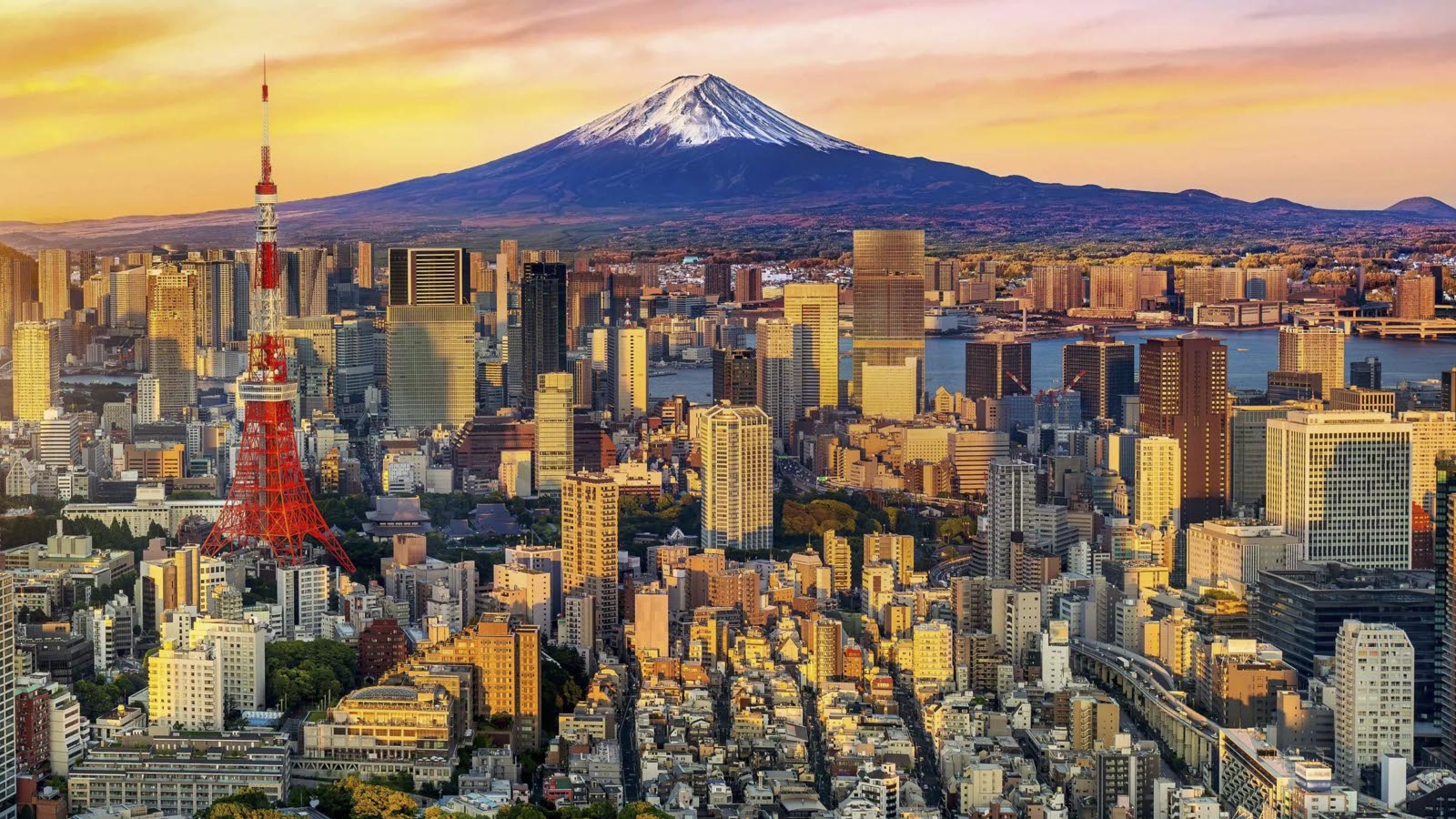
Tokyo is Japan’s main gateway and one of the world’s most dynamic cities, offering an extraordinary combination of modern architecture, technology, fashion and local neighbourhood culture. Different districts provide entirely different atmospheres, ranging from high-energy commercial areas to quieter residential and cultural environments.
The city is often used as both the starting point and central hub of a Japanese itinerary, allowing travellers to experience contemporary urban Japan while maintaining easy access to transport connections across the country. Accommodation ranges from international luxury hotels and design properties to smaller boutique stays and traditional-style lodging.
Kyoto represents the cultural heart of Japan and is one of the country’s most important destinations for heritage and traditional atmosphere. The city is known for its temples, gardens, historic districts and preserved wooden architecture, creating an environment that feels refined and deeply connected to Japanese identity.
Staying in Kyoto allows travellers to experience a slower and more immersive rhythm compared with Tokyo, particularly in areas close to traditional neighbourhoods and temple districts. Accommodation often includes boutique ryokans, garden properties and smaller hotels focused on atmosphere and cultural character.
Osaka offers a more energetic and informal urban experience, particularly recognised for its food culture, nightlife and social atmosphere. The city combines modern commercial districts with traditional market areas and riverside neighbourhoods that feel lively and approachable.
Many travellers stay in Osaka as part of a broader Kansai itinerary that also includes Kyoto and Nara. Its strong transport connections and more relaxed urban character make it an appealing base for regional exploration.
Hakone and other hot spring regions provide a quieter and more scenic contrast to Japan’s major cities, combining mountain landscapes, lakes and traditional ryokan experiences. These areas are particularly popular for travellers seeking relaxation and immersion in Japanese hospitality traditions.
Accommodation in hot spring regions often focuses on private baths, seasonal cuisine and carefully designed environments that emphasise calm and connection with nature. Staying in a ryokan is considered one of the most distinctive cultural experiences in Japan.
Mountain regions such as the Japanese Alps offer a very different perspective on the country, centred on nature, traditional villages and slower-paced travel. Areas such as Takayama and Kanazawa provide opportunities to experience preserved architecture, local craftsmanship and regional identity away from the larger urban centres.
These regions appeal particularly to travellers seeking more immersive and scenic journeys where landscapes and local culture become central to the experience. Accommodation often includes traditional inns, family-run properties and smaller boutique hotels integrated into historic environments.
Hokkaido offers a more spacious and nature-focused experience compared with the rest of Japan, with landscapes shaped by mountains, lakes and seasonal changes. The region is especially well known for winter travel, outdoor scenery and slower rhythms of exploration.
Travellers visiting Hokkaido often seek a balance between nature, food culture and seasonal experiences, particularly during winter snow periods and summer landscape seasons. Accommodation ranges from ski resorts and luxury lodges to traditional hot spring stays.
Okinawa provides a subtropical and coastal contrast to mainland Japan, offering beaches, island landscapes and a more relaxed atmosphere influenced by its distinct regional culture. The islands appeal particularly to travellers seeking slower travel rhythms combined with scenery and coastal experiences.
Accommodation in Okinawa ranges from beachfront resorts to boutique island stays, often focused on leisure and nature rather than urban exploration. The region is frequently added to itineraries seeking stronger environmental and climatic contrast.
Luxury accommodation in Japan is generally defined by precision, service quality and attention to detail rather than visual excess. High-end stays often focus on atmosphere, craftsmanship and carefully curated experiences that reflect regional identity and seasonal aesthetics.
Travellers can experience internationally recognised luxury hotels in major cities alongside exclusive ryokans and remote retreats focused on privacy and personalised hospitality. This refined and understated approach to luxury is one of Japan’s most distinctive hospitality characteristics.
Japan is exceptionally well suited to multi-centre itineraries because of its highly efficient rail network and strong regional connectivity. Travellers can combine major cities, cultural regions and scenic areas within relatively short travel times while maintaining a smooth and organised journey.
This flexibility encourages travellers to experience multiple dimensions of the country rather than remaining in a single destination. Accommodation choices often shape the rhythm of the itinerary itself, balancing urban intensity with slower and more immersive environments.
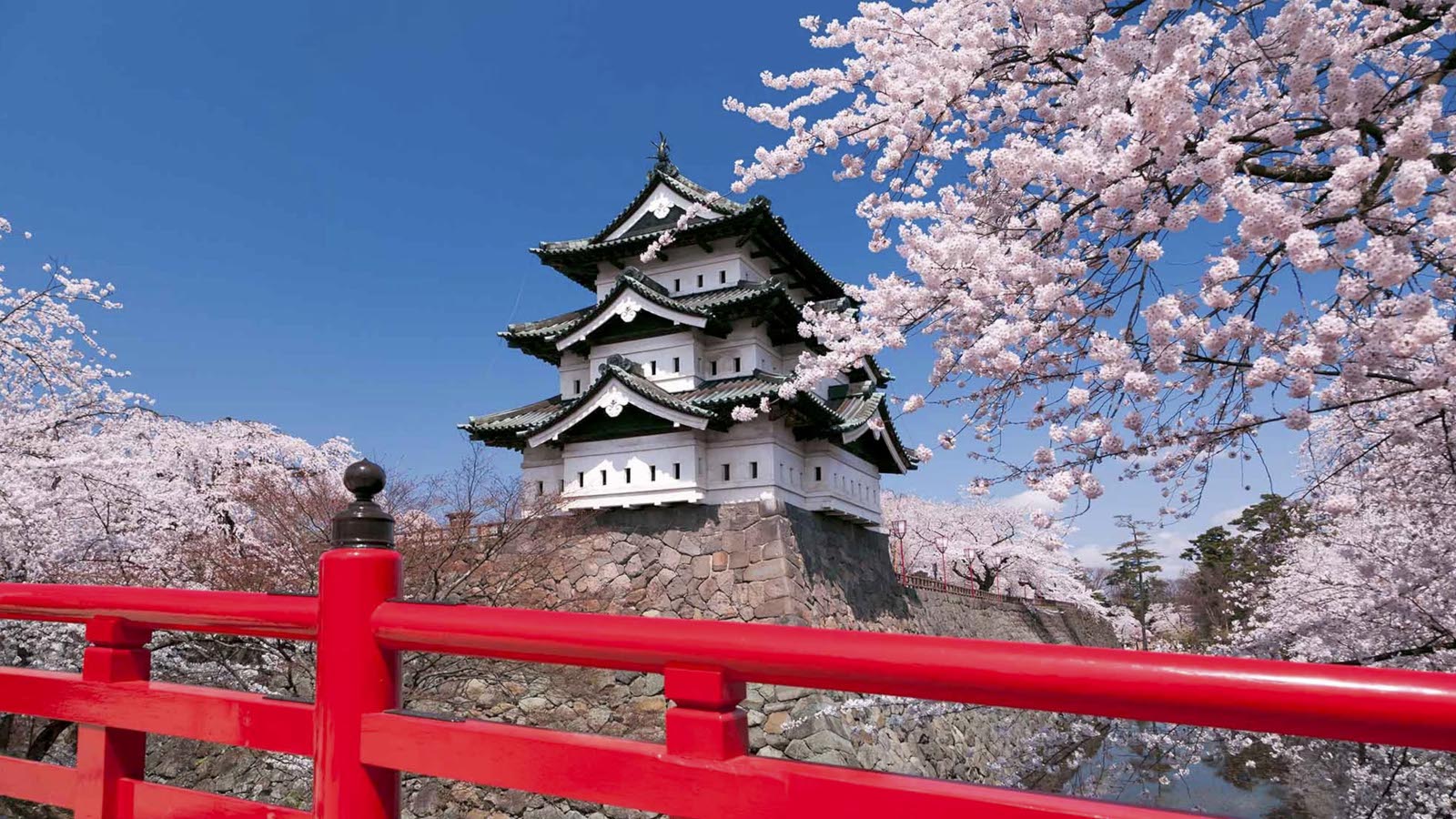
The best time to visit Japan is during spring (March to May) and autumn (September to November), when the weather is pleasant and the landscapes are particularly striking. Cherry blossom season in spring and autumn foliage are especially popular.
Japan has a varied climate, with distinct seasons that influence travel experiences.
The country hosts traditional festivals and seasonal events throughout the year.
The local currency is the Japanese Yen (JPY).
Japanese cuisine is central to the experience, offering precision and regional variety.
Japan offers a highly layered travel experience where historic tradition, modern urban life and natural landscapes coexist within a remarkably organised environment. Travellers can move between futuristic cities, centuries-old temples, mountain regions and coastal landscapes while continuously experiencing shifts in atmosphere and pace.
The destination rewards both structured itineraries and slower exploration, allowing visitors to engage deeply with regional identity, cuisine and seasonal culture. Japan’s combination of efficiency and cultural richness makes even everyday experiences feel distinctive and memorable.
Japan’s historic heritage is reflected through temples, shrines, preserved neighbourhoods and traditional architecture spread across the country. Kyoto in particular offers one of the world’s richest concentrations of cultural landmarks, with temples, gardens and historic streets that reveal centuries of Japanese tradition.
Travellers can explore quiet shrine pathways, wooden townhouses and ceremonial spaces that remain closely connected to daily life and spiritual practice. Historic exploration in Japan is often shaped by atmosphere, detail and seasonal beauty rather than monumental scale alone.
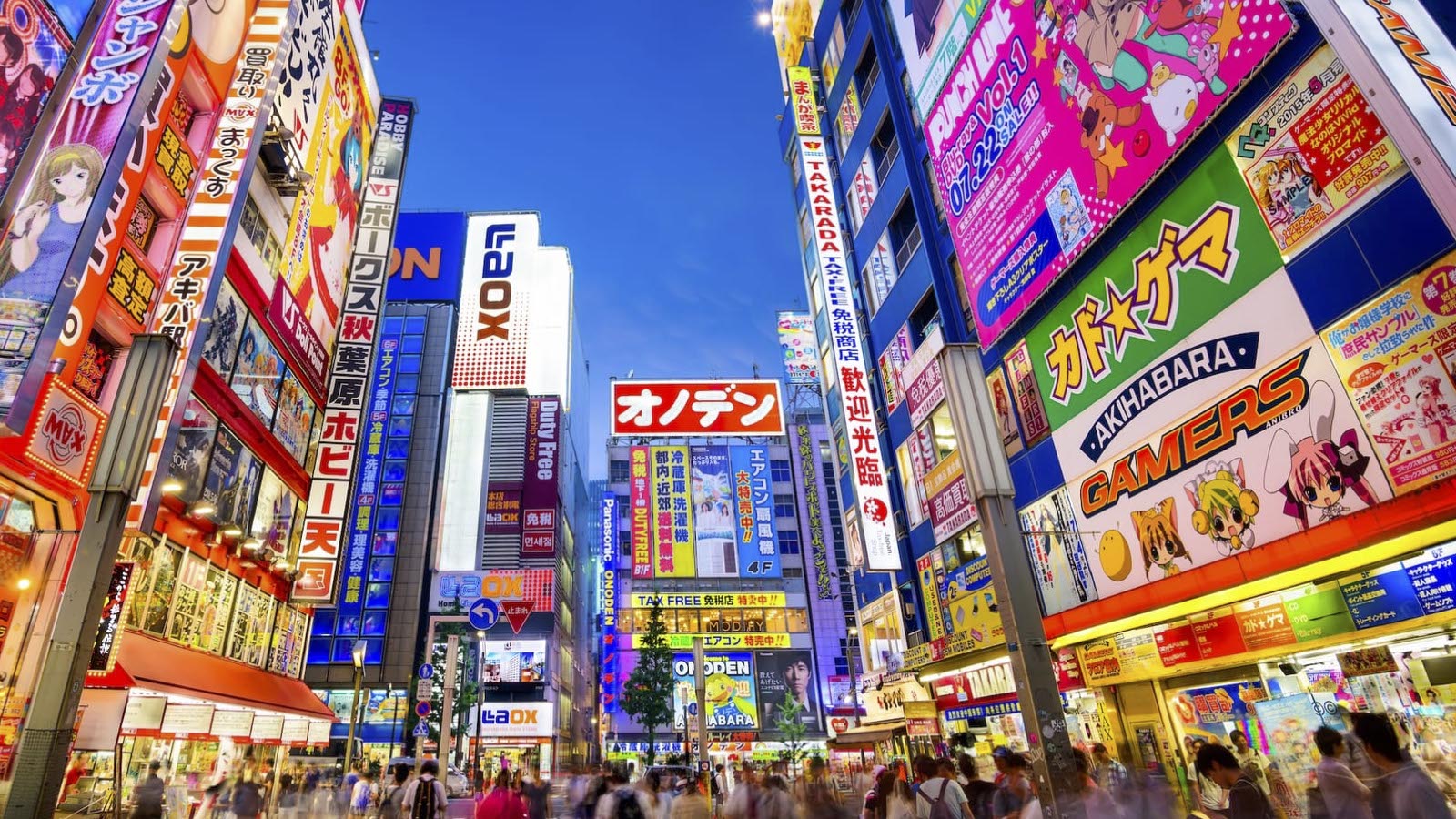
Tokyo offers one of the most dynamic urban experiences in the world, combining technology, fashion, design and contemporary culture within a constantly evolving cityscape. Different districts reveal distinct personalities, ranging from high-energy commercial areas to quieter neighbourhoods focused on cafés, local shops and residential life.
Urban exploration in Japan often feels highly immersive because modernity and tradition coexist so naturally within the same environment. Travellers can move from futuristic architecture to historic temples and gardens within a single day.
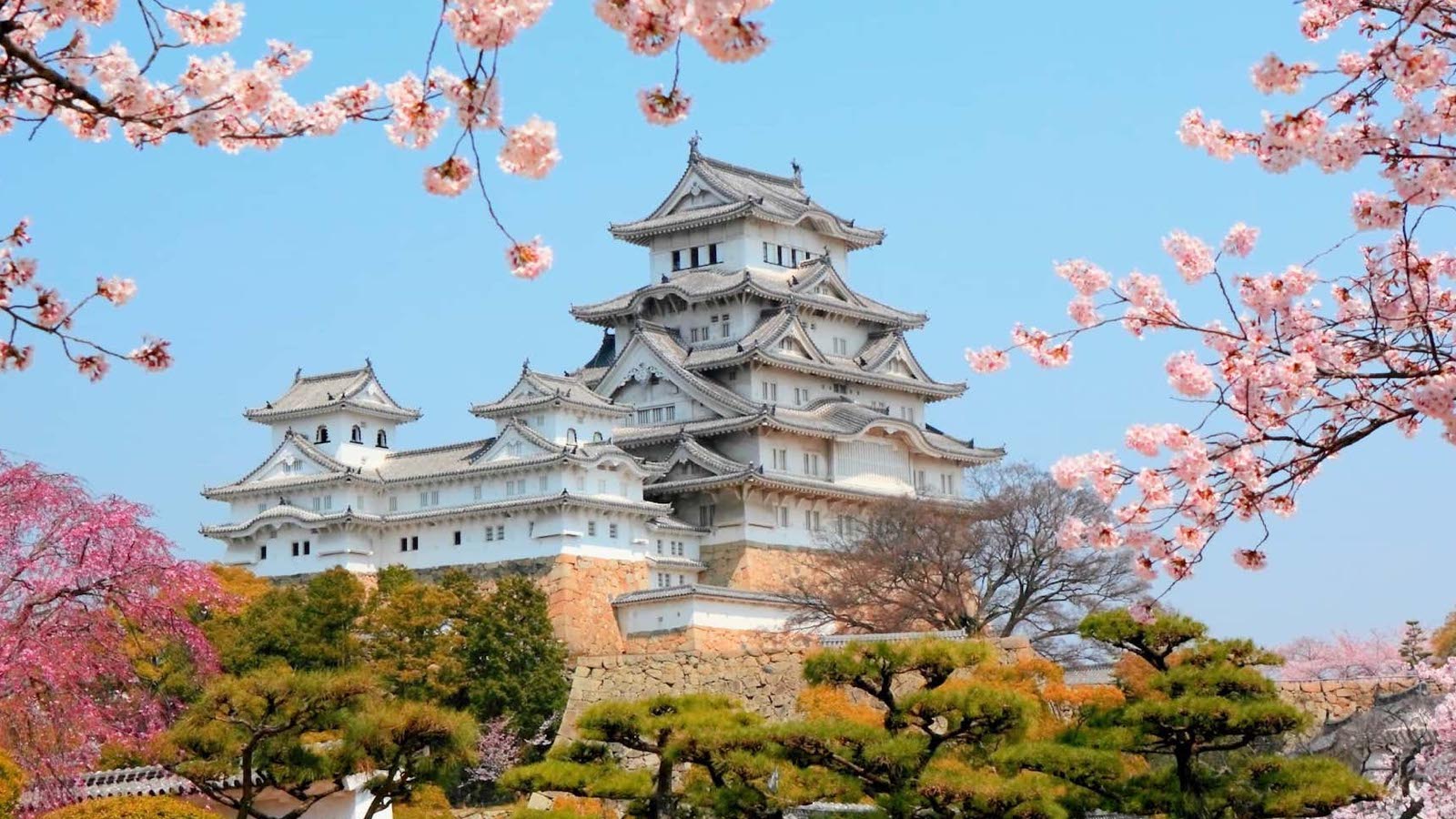
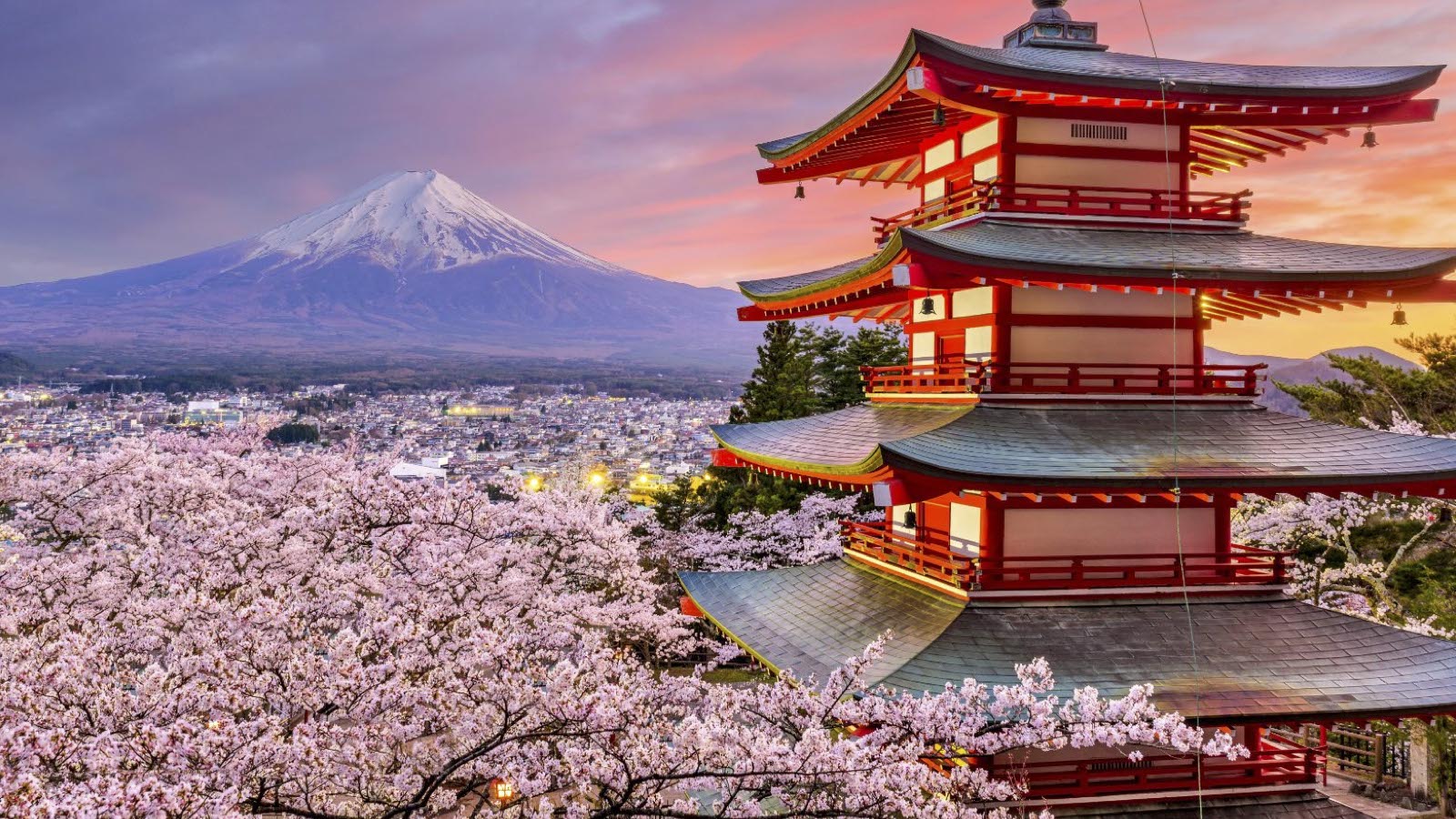
Japan’s landscapes change significantly throughout the year, creating travel experiences strongly influenced by the seasons. Spring cherry blossoms and autumn foliage are particularly important periods when parks, temples and countryside regions become visually transformed.
Mountain regions, lakes and rural environments provide strong contrast to the country’s urban centres, offering quieter and more reflective scenery. Seasonal travel in Japan is often deeply connected to local traditions, cuisine and cultural events.
Cuisine plays a central role in the Japanese travel experience, with each region offering distinct culinary traditions and local specialities. Travellers can experience everything from traditional kaiseki dining and sushi counters to local noodle shops, street markets and contemporary gastronomy.
Food culture in Japan is shaped by precision, seasonality and presentation, making dining an important cultural experience rather than simply a supporting activity. Regional food exploration often becomes one of the highlights of travelling through the country.
Japan’s rail network is one of the most efficient in the world and plays a major role in shaping how travellers experience the destination. High-speed trains allow visitors to move comfortably between major cities and regions while enjoying changing landscapes along the way.
Rail travel encourages multi-centre itineraries that combine urban environments, cultural regions and countryside landscapes within relatively short timeframes. The ease of movement between destinations contributes significantly to the fluid rhythm of travelling through Japan.
Hot spring culture is an important part of Japanese life and provides opportunities for slower and more restorative travel experiences. Onsen towns and traditional ryokans offer environments focused on calm, ritual and connection with nature.
Many travellers incorporate wellness-focused stays into their itinerary as a contrast to the pace of major cities. These experiences often emphasise simplicity, hospitality and immersion in seasonal landscapes.
Japan’s appeal often lies in the details of everyday life, from etiquette and craftsmanship to local festivals and neighbourhood traditions. Travellers frequently discover that ordinary experiences such as visiting a market, staying in a ryokan or walking through a quiet residential district become highly memorable.
This strong sense of cultural continuity and attention to detail creates journeys that feel immersive and emotionally engaging. Japan rewards travellers who are willing to observe and engage with its rhythms beyond the major landmarks.
Japan is exceptionally well suited to experiential travel because of the diversity and accessibility of its regions. Travellers can combine modern cities, historic districts, mountain landscapes and coastal areas within a single itinerary while maintaining a strong sense of structure and continuity.
The destination encourages journeys shaped by contrast, immersion and gradual discovery rather than simply collecting major attractions. This layered quality is one of the reasons Japan continues to attract both first-time visitors and returning travellers seeking deeper exploration.
Japan offers a highly distinctive travel experience where tradition and modernity coexist in a way found nowhere else in the world. The destination combines futuristic urban environments, centuries-old cultural practices, natural landscapes and strong regional identity, creating journeys that feel both structured and deeply immersive.
Travellers can move between high-energy cities, historic districts, mountain regions and coastal areas while experiencing remarkable shifts in atmosphere and rhythm. Japan’s efficiency, cultural depth and visual identity make it particularly rewarding for travellers seeking meaningful and carefully layered experiences.
Japan’s cultural identity is visible throughout the country, from temples and shrines to traditional neighbourhoods, seasonal customs and everyday rituals. Historic destinations such as Kyoto and Nara provide opportunities to explore preserved architecture, gardens and cultural landmarks that reflect centuries of tradition.
Cultural travel in Japan is often shaped by detail and atmosphere rather than monumental scale alone. Everyday experiences such as tea ceremonies, local markets and traditional inns contribute to a sense of immersion that feels both refined and authentic.
Japan’s cities offer some of the world’s most dynamic urban experiences, combining technology, design, cuisine and highly organised infrastructure. Tokyo in particular presents a constantly shifting environment where futuristic districts, quiet residential streets and historic areas coexist within the same city.
Urban travel in Japan often balances intensity with precision and order, creating experiences that feel energetic yet remarkably accessible. Cities such as Osaka and Tokyo also play a major role in shaping the country’s culinary and contemporary cultural identity.
Japan’s landscapes change dramatically throughout the year, making seasonality an important part of the travel experience. Cherry blossom season in spring and autumn foliage periods are particularly well known for transforming cities, temples and countryside regions through colour and atmosphere.
Mountain regions, lakes and rural landscapes provide strong contrast to the urban centres, allowing travellers to experience quieter and more reflective environments throughout the journey. Seasonal transitions often influence not only scenery, but also cuisine, festivals and cultural activities.
Cuisine is one of the defining elements of travelling through Japan, where food culture ranges from refined multi-course dining to highly specialised local eateries and traditional markets. Different regions are strongly associated with specific culinary traditions and ingredients, making food an essential part of regional exploration.
Dining experiences in Japan are often characterised by precision, presentation and respect for seasonal ingredients. Culinary travel here becomes deeply connected to local culture and everyday life rather than existing separately from the destination itself.
Japan is exceptionally well suited to multi-centre travel due to its highly efficient rail network and strong regional connectivity. High-speed trains allow travellers to move comfortably between major cities and cultural regions while maintaining a structured and fluid itinerary.
This accessibility encourages journeys that combine contrasting environments such as Tokyo, Kyoto, Osaka and rural regions within the same trip. Rail travel itself often becomes part of the experience, reinforcing the sense of movement and discovery throughout the country.
Despite its modern urban identity, Japan also supports slower and more reflective travel styles focused on calm environments, nature and traditional hospitality. Ryokans, hot spring towns and mountain retreats provide opportunities to disconnect from faster-paced urban settings.
Wellness in Japan is often closely connected to simplicity, ritual and the surrounding landscape rather than overt luxury. Experiences such as onsen bathing and traditional accommodation create a quieter and more introspective dimension to the journey.
Japan is particularly rewarding for travellers seeking experiences shaped by atmosphere, precision and cultural immersion. Many aspects of the journey are defined not by major landmarks alone, but by small details, social customs and the contrast between different environments.
The destination encourages travellers to engage with rhythm, etiquette, cuisine and seasonal changes in ways that feel highly immersive and emotionally memorable. This layered quality is one of the reasons many visitors consider Japan one of the world’s most unique travel experiences.
Luxury travel in Japan is generally defined by service quality, attention to detail and refined simplicity rather than visual excess. High-end experiences often focus on privacy, craftsmanship, gastronomy and carefully curated hospitality.
Luxury ryokans, contemporary design hotels and exclusive dining experiences create journeys centred on precision and atmosphere. This understated and highly attentive approach to hospitality is one of Japan’s most distinctive travel characteristics.
The best time to visit Japan is generally during spring and autumn, when temperatures are comfortable and the country’s landscapes become especially beautiful through cherry blossom season or autumn foliage.
Japan also offers rewarding experiences throughout the year, including winter snow scenery, summer festivals and seasonal cultural traditions that vary across different regions.
Many travellers can enter Japan visa-free for short tourist stays, although entry requirements depend on nationality and the duration of travel.
As immigration regulations may change over time, travellers should always verify the latest requirements through official Japanese government or consular sources before departure.
Japan is widely considered one of the safest travel destinations in the world, with excellent public infrastructure, low crime levels and highly organised tourism services.
Travellers should still take normal precautions regarding valuables and travel documents, particularly in busy transport hubs and major cities.
The official currency of Japan is the Japanese Yen (JPY).
Credit and debit cards are increasingly accepted across the country, particularly in cities and tourism areas, although carrying some cash remains advisable in smaller towns and traditional establishments.
Travelling around Japan is highly efficient thanks to its extensive rail network, including the famous high-speed Shinkansen trains connecting major cities and regions.
The country’s transport infrastructure is known for its punctuality, organisation and ease of use, making multi-city travel particularly comfortable and reliable.
A stay of 10 to 14 days is ideal for most travellers wishing to combine major cities, cultural landmarks and regional experiences within one itinerary.
Longer journeys can be especially rewarding for travellers interested in slower cultural immersion, rural Japan, seasonal experiences or exploring more remote regions of the country.
Yes, Japan is considered one of the world’s best destinations for structured multi-centre itineraries thanks to its regional diversity and exceptional transport system.
Travellers can combine futuristic cities, traditional temples, mountain landscapes, hot springs and coastal regions within one journey, creating highly immersive and emotionally memorable travel experiences.
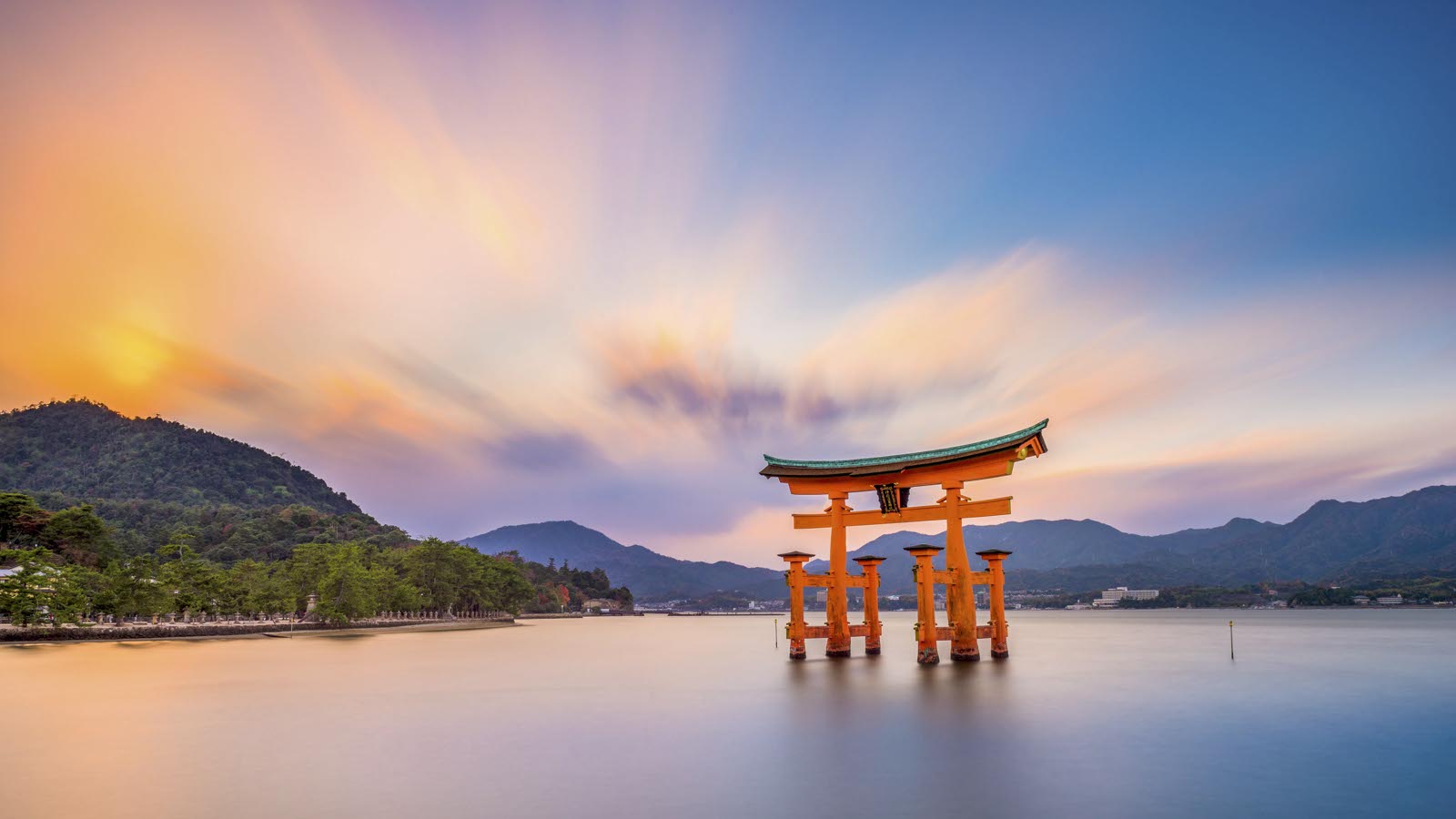
Explore a visual glimpse of Japan through images that capture its culture, cities and seasonal landscapes.
Discover the scenes that define this refined and distinctive destination.