Kenya
Home All Destinations Kenya

Kenya is one of Africa’s most iconic destinations, known for its vast savannahs, abundant wildlife and rich cultural heritage. It offers a travel experience centred on nature, exploration and unforgettable encounters with the natural world.
Travellers can experience classic safari landscapes, witness diverse ecosystems and explore vibrant traditions, often combined with time on the Indian Ocean coast. Kenya’s balance of wildlife and coastline makes it one of the most complete destinations in Africa.
Kenya offers a broad range of destinations combining safari landscapes, scenic lakes, mountain regions and Indian Ocean coastline within one highly diverse country. Each region presents distinct environments and travel rhythms, allowing itineraries to balance wildlife exploration, relaxation and cultural immersion.
The destination is particularly well suited to multi-centre journeys where travellers move gradually between safari reserves, scenic landscapes and coastal retreats while continuously experiencing strong environmental contrast.
The Maasai Mara is Kenya’s most internationally recognised safari destination, known for vast plains, wildlife concentration and highly immersive safari experiences. Staying in the region allows travellers to experience early morning game drives, open landscapes and strong connection with nature.
Accommodation ranges from luxury tented camps and exclusive safari lodges to smaller eco-focused camps integrated directly into the surrounding environment.
Amboseli combines wildlife, open savannah and iconic views of Mount Kilimanjaro within one of Kenya’s most visually dramatic safari regions. The area appeals particularly to travellers seeking scenic game viewing and strong landscape photography opportunities.
Accommodation often focuses on panoramic surroundings, outdoor living and immersive safari experiences shaped by the nearby mountain scenery.
Kenya’s Rift Valley lakes provide a calmer and more scenic atmosphere compared with the open safari plains. Regions around Lakes Naivasha and Nakuru combine wildlife, birdlife and natural landscapes within highly scenic environments.
Accommodation includes lakeside lodges, boutique nature retreats and safari-style properties designed around slower and more reflective travel rhythms.
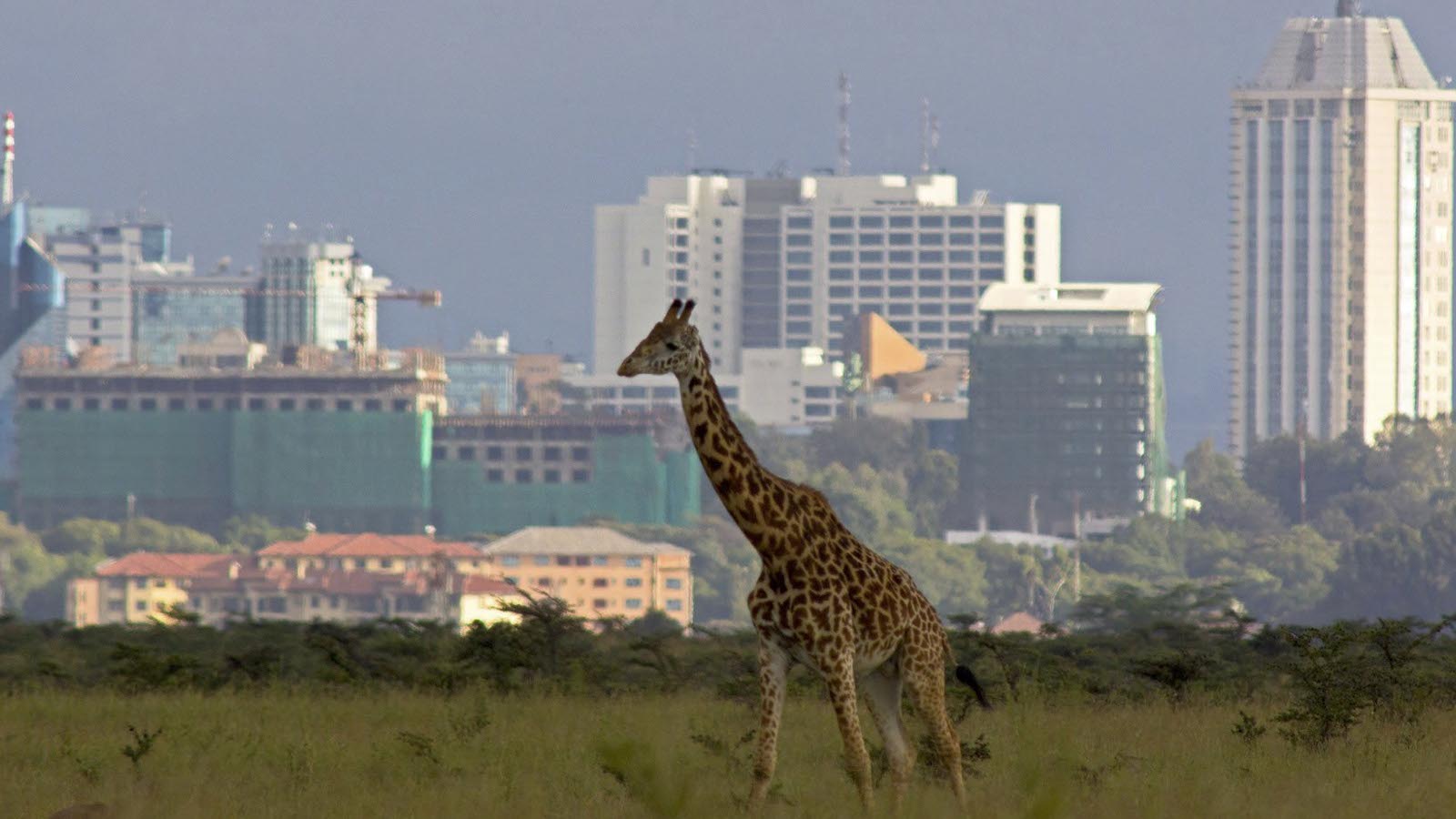
Nairobi acts as Kenya’s main gateway and combines contemporary African urban life with strong access to wildlife and regional exploration. The city offers a balance between business, culture and safari connectivity.
Accommodation ranges from luxury international hotels and boutique city properties to quieter garden-style retreats located away from the city centre.
Diani Beach is one of Kenya’s most popular coastal destinations, offering white sand beaches, palm-lined coastline and a relaxed Indian Ocean atmosphere. The region provides a strong contrast to inland safari experiences.
Accommodation includes beachfront resorts, boutique villas and luxury coastal retreats focused on relaxation, ocean views and slower travel rhythms.
Lamu offers a more traditional and culturally immersive coastal experience shaped by Swahili heritage, historic architecture and slower island life. The atmosphere is quieter and more reflective compared with larger beach destinations.
Accommodation often focuses on boutique hospitality, heritage-style properties and intimate island stays connected closely to local culture and coastal scenery.
Kenya is internationally recognised for its safari lodge sector, where accommodation is designed around wildlife immersion, panoramic landscapes and personalised hospitality. Luxury lodges often combine exclusivity with strong environmental integration.
Tented camps in particular create journeys that feel adventurous and authentic while maintaining high levels of comfort and service.
Many regions of Kenya also offer eco-focused accommodation experiences designed around sustainability, local landscape integration and immersive nature travel. These stays appeal particularly to travellers seeking slower and more environmentally connected journeys.
Accommodation frequently emphasises outdoor living, scenic immersion and minimal disruption to the surrounding environment.
Kenya is best experienced through itineraries that combine safari regions, scenic landscapes and coastal stays within one broader journey. Travellers can experience dramatic shifts in environment and atmosphere while maintaining strong continuity throughout the trip.
This structure creates journeys that feel emotionally engaging, visually memorable and highly immersive, making accommodation choices an important part of shaping the overall travel experience.
The best time to visit Kenya is during the dry seasons, from June to October and from January to February, when wildlife viewing conditions are optimal.
Kenya has a varied climate depending on altitude and region.
Cultural events reflect the country’s traditions.
The official currency is the Kenyan Shilling (KES).
Dining reflects local and international influences.</
Kenya offers a travel experience centred on wildlife, landscapes and cultural diversity, combining safari environments, scenic exploration and coastal relaxation within one destination. Travellers can move between savannah plains, lakes, mountains and Indian Ocean beaches while continuously experiencing dramatic environmental contrast.
The destination rewards immersive and experiential travel where nature, wildlife and atmosphere become central parts of the journey.
Safari travel is Kenya’s most iconic experience, allowing travellers to observe wildlife within vast natural landscapes shaped by savannahs, rivers and open plains. The Maasai Mara is particularly known for its wildlife concentration and dramatic scenery, while regions such as Amboseli offer iconic views of Mount Kilimanjaro.
Game drives often create highly emotional and memorable experiences because wildlife encounters feel natural, expansive and deeply connected to the surrounding environment.
Kenya’s national parks and reserves offer highly varied landscapes and ecosystems ranging from grasslands and forests to lakes and semi-arid regions. Each park provides distinct scenery and wildlife experiences that contribute to the country’s remarkable environmental diversity.
Travellers frequently combine multiple parks within one itinerary in order to experience different atmospheres and wildlife environments throughout the journey.
The Great Rift Valley introduces dramatic landscapes and lake environments that provide strong contrast to Kenya’s safari plains. Lakes such as Nakuru and Naivasha are particularly known for birdlife, scenic surroundings and slower-paced nature experiences.
These regions often become important scenic and restorative elements within broader safari itineraries.
Kenya’s Indian Ocean coastline offers tropical beaches, Swahili heritage and relaxed coastal atmospheres that contrast strongly with inland safari environments. Diani Beach and Lamu are particularly popular for combining scenic coastline with slower rhythms of travel.
Many travellers choose to end safari journeys with coastal stays in order to balance exploration with relaxation and ocean scenery.
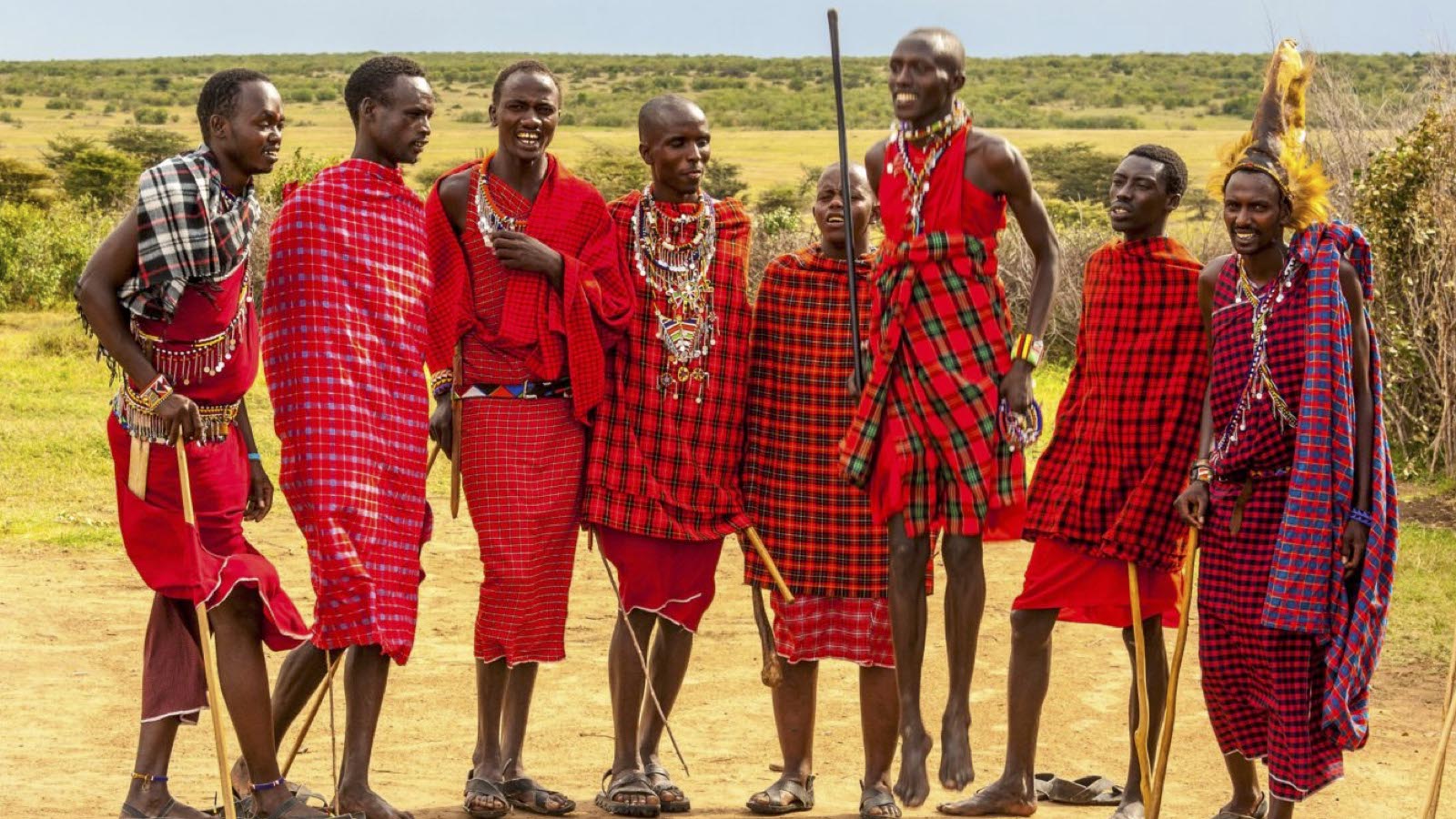
Kenya’s cultural diversity can be experienced through local communities, markets and regional traditions visible throughout the country. Travellers often encounter cultural experiences naturally during overland travel and safari journeys.
These interactions contribute strongly to the emotional depth of travelling through Kenya and provide broader understanding of the country beyond wildlife alone.
Kenya also offers mountain landscapes and elevated regions that provide cooler climates and highly scenic environments. Areas surrounding Mount Kenya and central highlands reveal another side of the country beyond the classic safari image.
Scenic exploration in these regions often focuses on nature, outdoor travel and slower-paced immersion in the landscape.
Safari lodges and tented camps form an essential part of the Kenyan travel experience, combining wildlife proximity with immersive hospitality and panoramic landscapes. Many stays are designed to maximise connection with the natural environment.
The atmosphere of waking up within open safari landscapes often becomes one of the most memorable aspects of travelling through Kenya.
Kenya is particularly rewarding for experiential travel because travellers can combine wildlife, landscapes, culture and coastline within one itinerary. Different regions contribute distinct atmospheres and environmental identities to the journey.
This diversity creates travel experiences that feel layered, visually dramatic and emotionally immersive while maintaining strong continuity throughout the trip.
Kenya offers one of Africa’s most iconic travel experiences, combining safari landscapes, wildlife, coastline and cultural diversity within a destination strongly connected to nature and exploration. The country balances dramatic scenery with authentic travel experiences and internationally recognised safari hospitality.
Travellers can move between savannahs, lakes, mountain regions and Indian Ocean beaches while continuously experiencing strong environmental contrast and immersive natural surroundings. Kenya is particularly rewarding for travellers seeking wildlife encounters, scenic exploration and emotionally powerful journeys.
Safari travel is one of Kenya’s defining experiences, with national parks and reserves providing opportunities to encounter wildlife within vast open landscapes. Regions such as the Maasai Mara, Amboseli and Samburu are internationally recognised for their biodiversity and dramatic scenery.
Wildlife experiences in Kenya often feel especially immersive because animals remain closely integrated into the surrounding landscapes and ecosystems rather than existing within highly controlled environments.
Kenya offers extraordinary environmental diversity ranging from savannah plains and mountain regions to lakes, forests and coastline. Landscapes often become central to the journey itself, particularly during overland travel between safari areas and scenic regions.
The changing environments create itineraries that feel visually dramatic and continuously evolving throughout the trip.
Kenya has developed a highly regarded safari lodge sector focused on immersive nature experiences, personalised hospitality and strong connection to the surrounding landscape. Luxury travel here often combines exclusivity with environmental integration rather than urban sophistication.
Many high-end lodges focus on privacy, wildlife proximity and outdoor living, creating journeys that feel refined while remaining deeply connected to nature.
The country supports a wide range of experiential travel styles including game drives, walking safaris, mountain exploration and cultural encounters. Adventure travel in Kenya is often shaped by landscape, wildlife and regional identity rather than purely adrenaline-focused activity.
Travellers frequently experience a strong sense of exploration and environmental immersion throughout the journey.
Kenya’s Indian Ocean coastline provides a striking contrast to its inland safari regions, combining tropical beaches, Swahili culture and relaxed coastal environments. Destinations such as Diani Beach and Lamu offer slower travel rhythms shaped by the ocean and local heritage.
Coastal stays are often combined with safari itineraries to create journeys balancing adventure and relaxation.
Kenya’s cultural diversity forms an important part of the travel experience through local traditions, markets and community life across different regions. Travellers can experience both urban and rural perspectives on contemporary Kenyan identity.
Cultural encounters often feel authentic and naturally integrated into broader travel experiences rather than heavily structured around tourism alone.
Many safari lodges and coastal retreats naturally support slower and more reflective travel styles through open landscapes, outdoor living and immersive natural surroundings. Travellers often experience a strong sense of calm and disconnection from routine.
Wellness travel in Kenya is generally shaped by scenery, atmosphere and connection with nature rather than highly formal retreat concepts.
Kenya is especially rewarding for multi-region itineraries that combine safari environments, lakes, mountains and coastline within one journey. Travellers can experience strong environmental and atmospheric contrast while maintaining a coherent travel rhythm.
This diversity creates journeys that feel layered, emotionally engaging and highly memorable.
The best time to visit Kenya is generally during the dry seasons, when wildlife viewing conditions are at their best and safari travel is more comfortable.
Different regions can offer varied experiences throughout the year, although many travellers choose to visit during periods associated with excellent game viewing and dramatic natural scenery.
Entry requirements for Kenya depend on your nationality and travel purpose. Many travellers are required to complete an electronic travel authorisation or meet specific entry conditions before arrival.
As immigration regulations may change over time, travellers should always verify the latest requirements through official Kenyan government or consular sources before departure.
Kenya is generally considered safe for tourism when travelling through established safari circuits, organised itineraries and reputable tourism providers.
Travellers should still follow local guidance and standard precautions, particularly in busy urban areas and when travelling independently outside tourism regions.
The official currency of Kenya is the Kenyan Shilling (KES).
Credit and debit cards are accepted in many hotels, safari lodges and tourism establishments, although carrying some local currency can be useful in smaller towns and rural areas.
Travelling around Kenya is relatively straightforward through a combination of domestic flights, guided transfers and safari vehicles connecting the country’s main wildlife regions and tourism areas.
Many travellers combine safari destinations with coastal regions, creating itineraries that balance wildlife experiences with beach relaxation.
A stay of seven to ten days is ideal for most travellers wishing to combine safari experiences with time on the Kenyan coast or in other scenic regions.
Longer journeys can be especially rewarding for travellers interested in visiting multiple national parks, private conservancies or combining Kenya with neighbouring East African destinations.
Yes, Kenya is considered one of the world’s leading safari destinations thanks to its extraordinary wildlife, iconic landscapes and long-established safari infrastructure.
The country appeals particularly to travellers seeking classic African safari experiences, dramatic wildlife encounters and immersive journeys connected to nature and conservation.
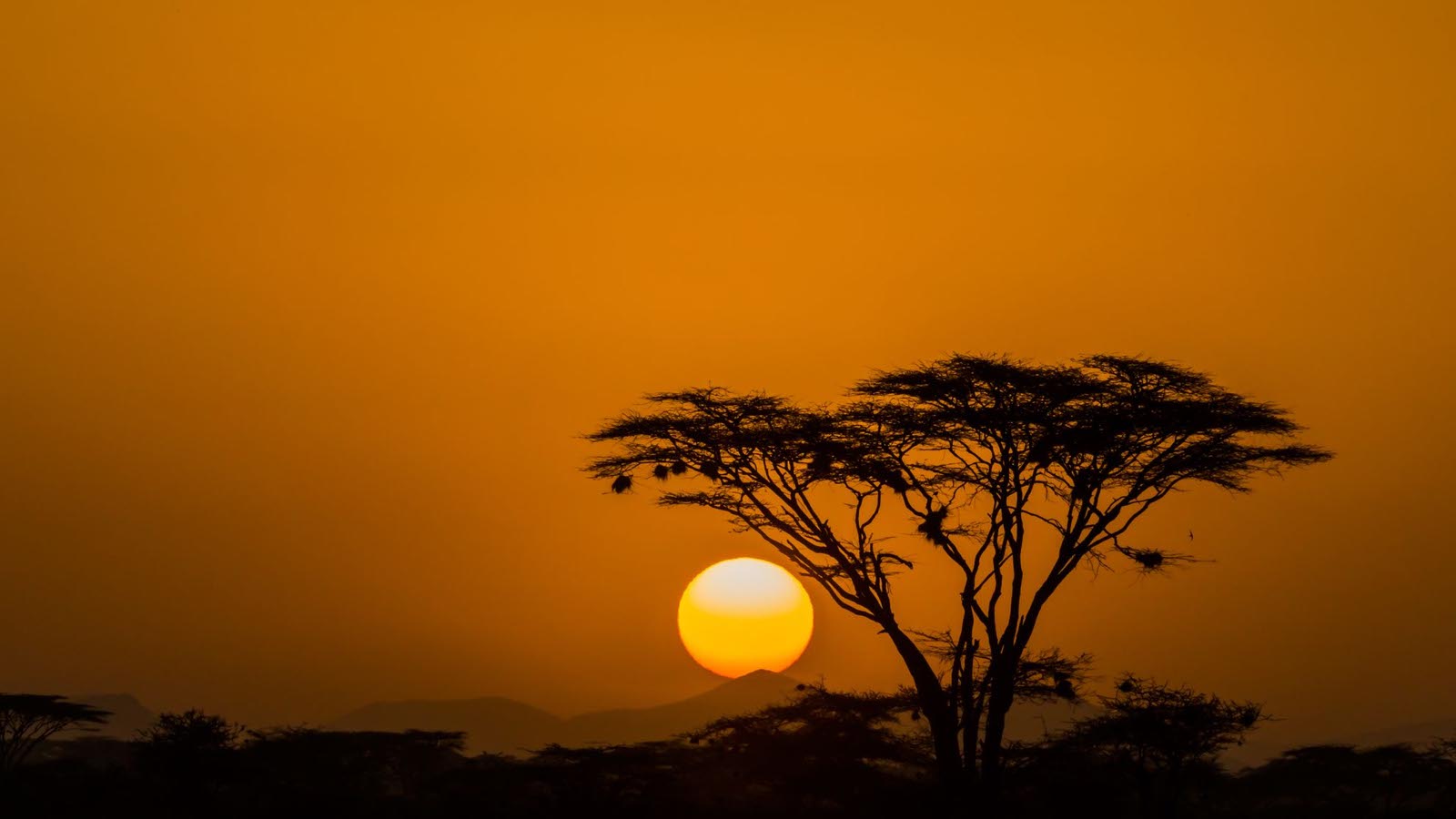
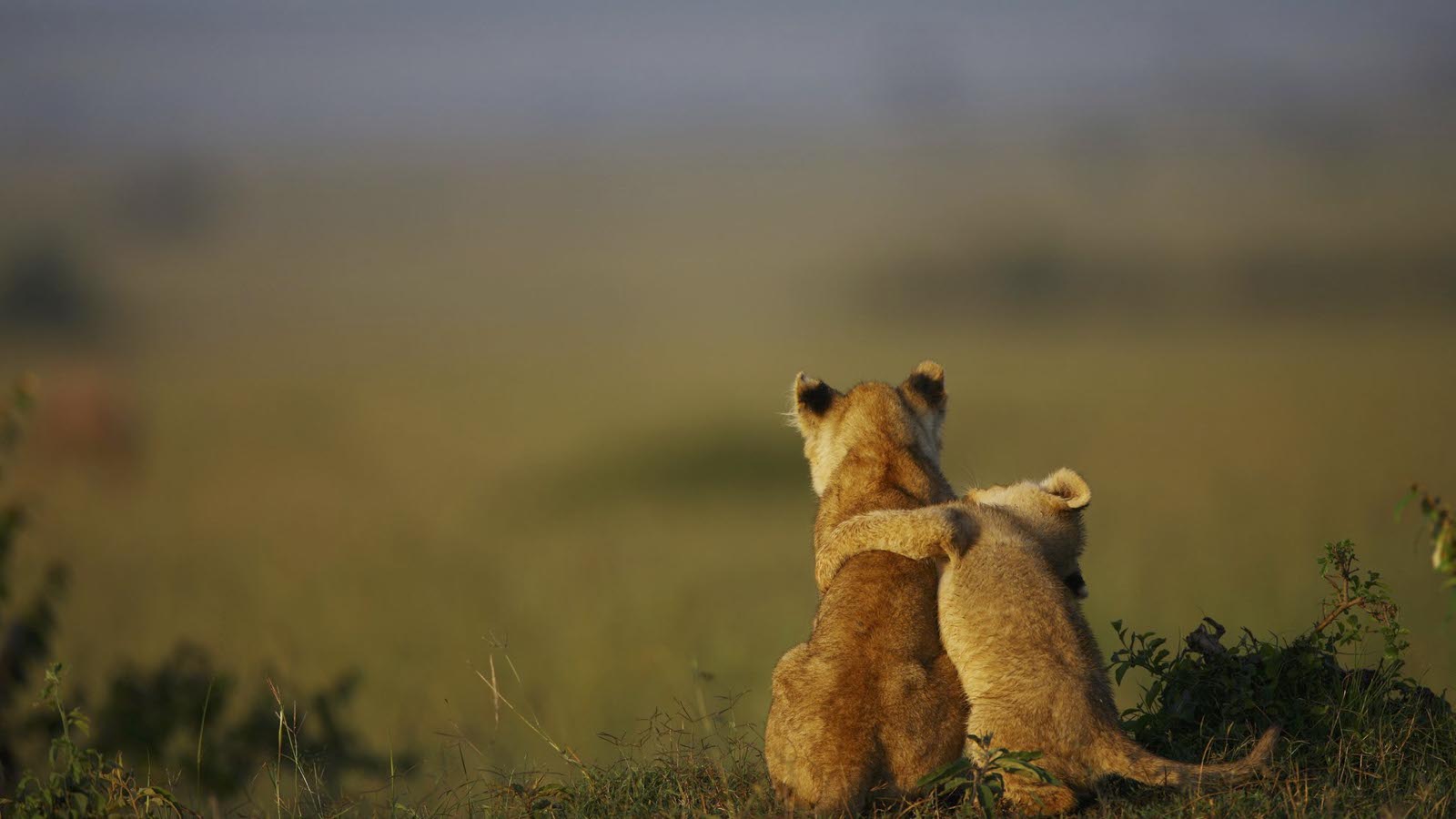
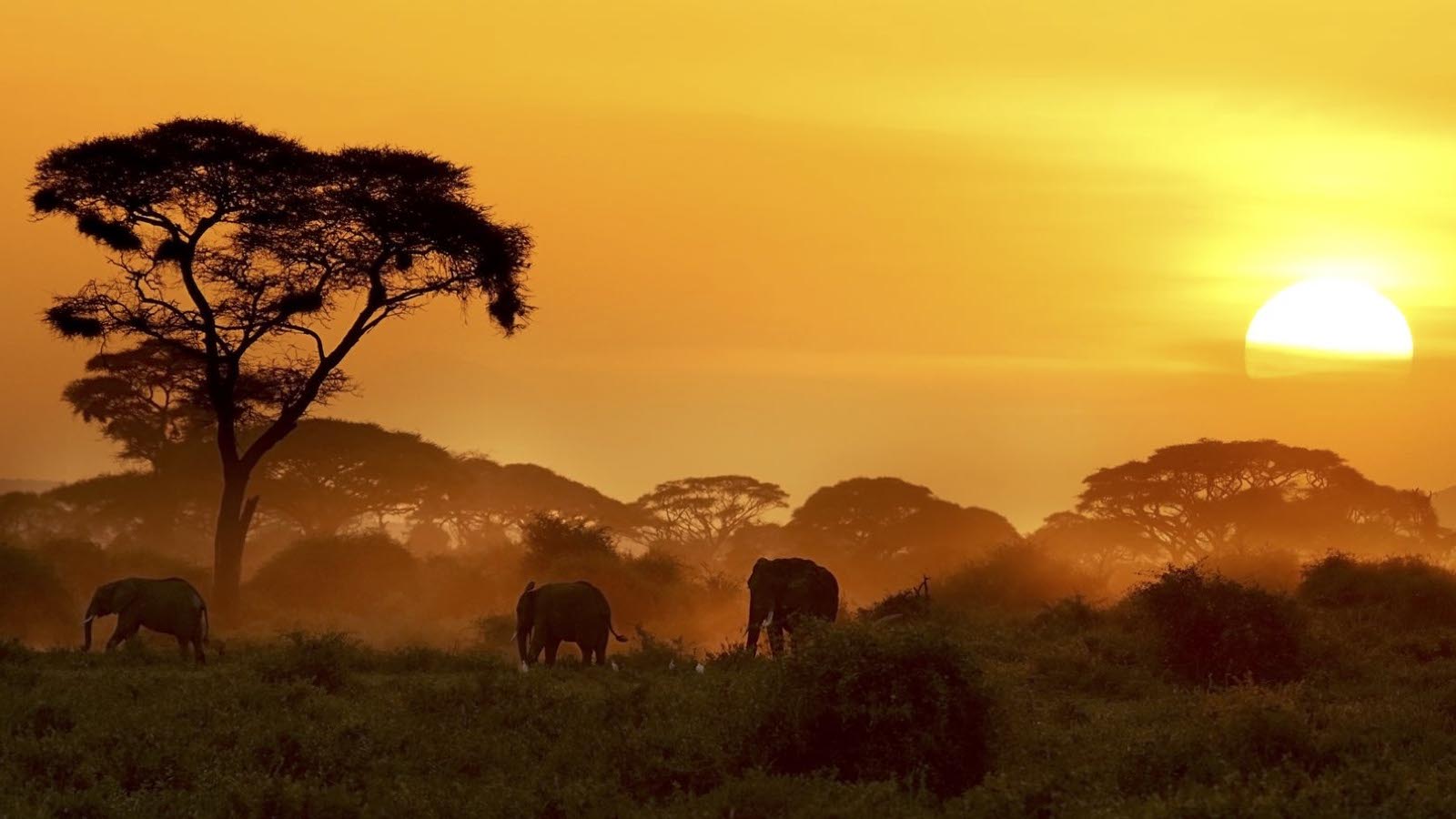
Explore a visual glimpse of Kenya through images that capture its wildlife, landscapes and coastline.
Discover the beauty and scale that define this African destination.