Malta
Home All Destinations Malta

Malta is a compact Mediterranean destination known for its rich history, distinctive architecture and clear coastal waters. With influences from multiple civilisations, it offers a travel experience shaped by culture, heritage and atmosphere.
Travellers can explore historic cities, fortified towns and archaeological sites, all within a small and accessible island setting. Malta’s blend of history, coastline and character creates a unique and immersive destination.
Malta offers a compact but highly varied range of destinations combining historic cities, coastal resorts and quieter island environments within a warm Mediterranean setting. Different regions provide distinct atmospheres and travel rhythms, allowing travellers to choose between cultural immersion, seaside relaxation and slower countryside experiences.
The destination is especially well suited to multi-centre travel where travellers can combine historic districts, scenic coastlines and island exploration within short and manageable travel distances.
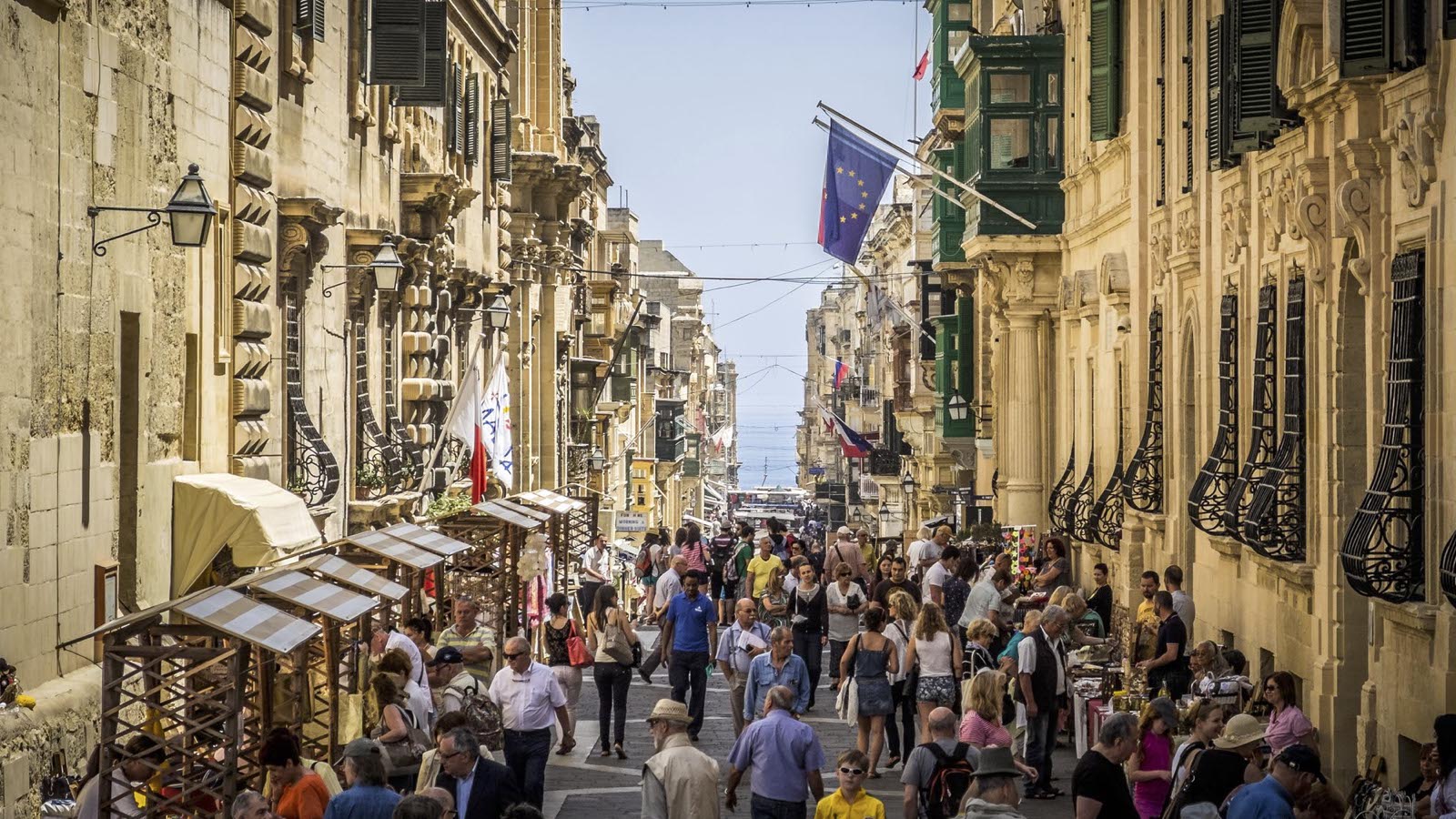
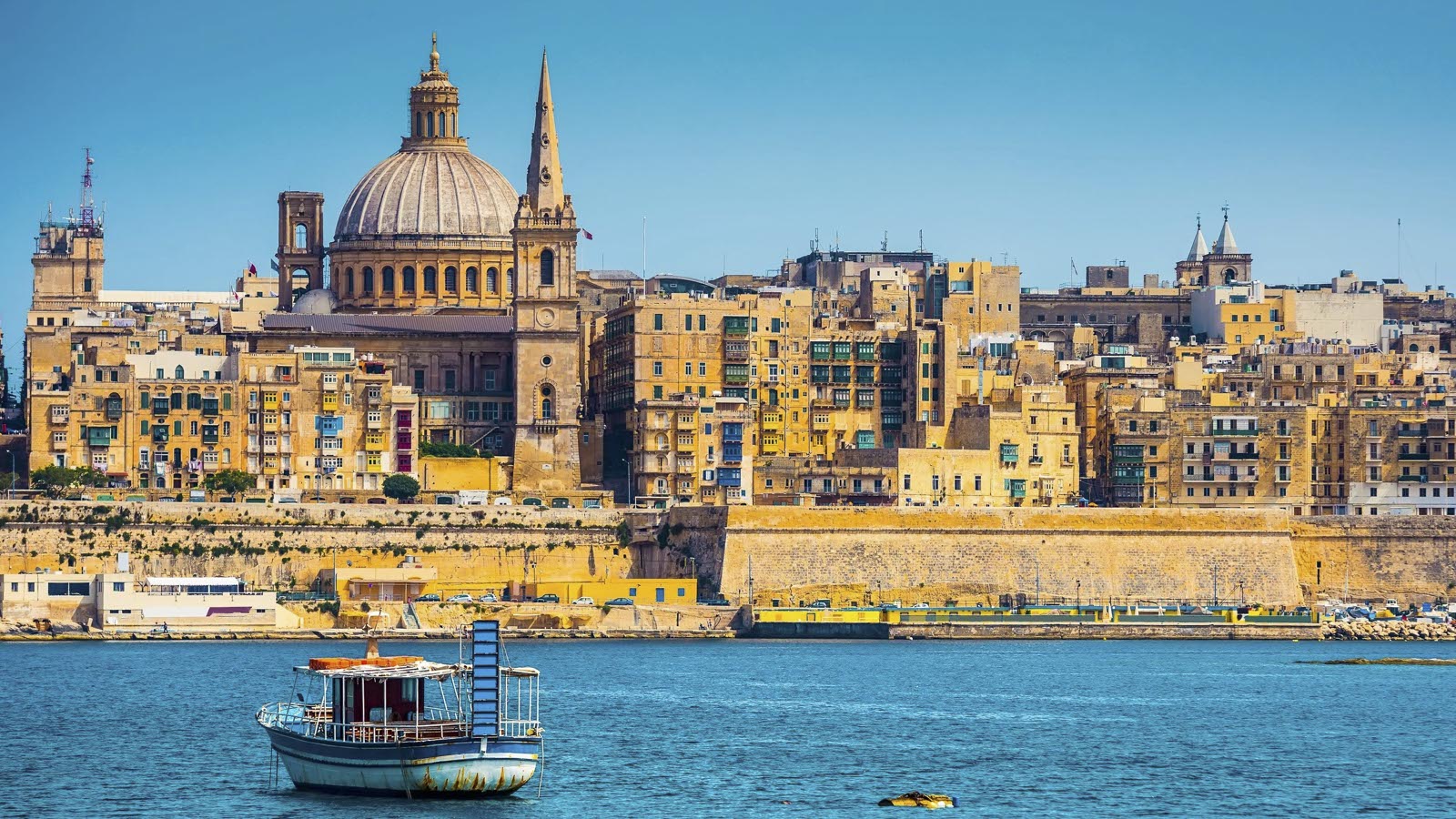
Valletta is Malta’s cultural and historic centre, offering one of the Mediterranean’s most atmospheric urban environments through fortified streets, Baroque architecture and harbour views. The city is particularly appealing for travellers interested in culture, gastronomy and walkable historic surroundings.
Accommodation includes boutique heritage hotels, restored palazzos and luxury waterfront properties integrated into the city’s historic character.
Sliema and St Julian’s provide a more contemporary coastal atmosphere focused on waterfront living, restaurants and nightlife. These areas are especially popular among travellers seeking convenience, seaside promenades and access to urban lifestyle experiences.
Accommodation ranges from modern city hotels and international properties to boutique coastal stays with strong access to beaches and harbour views.
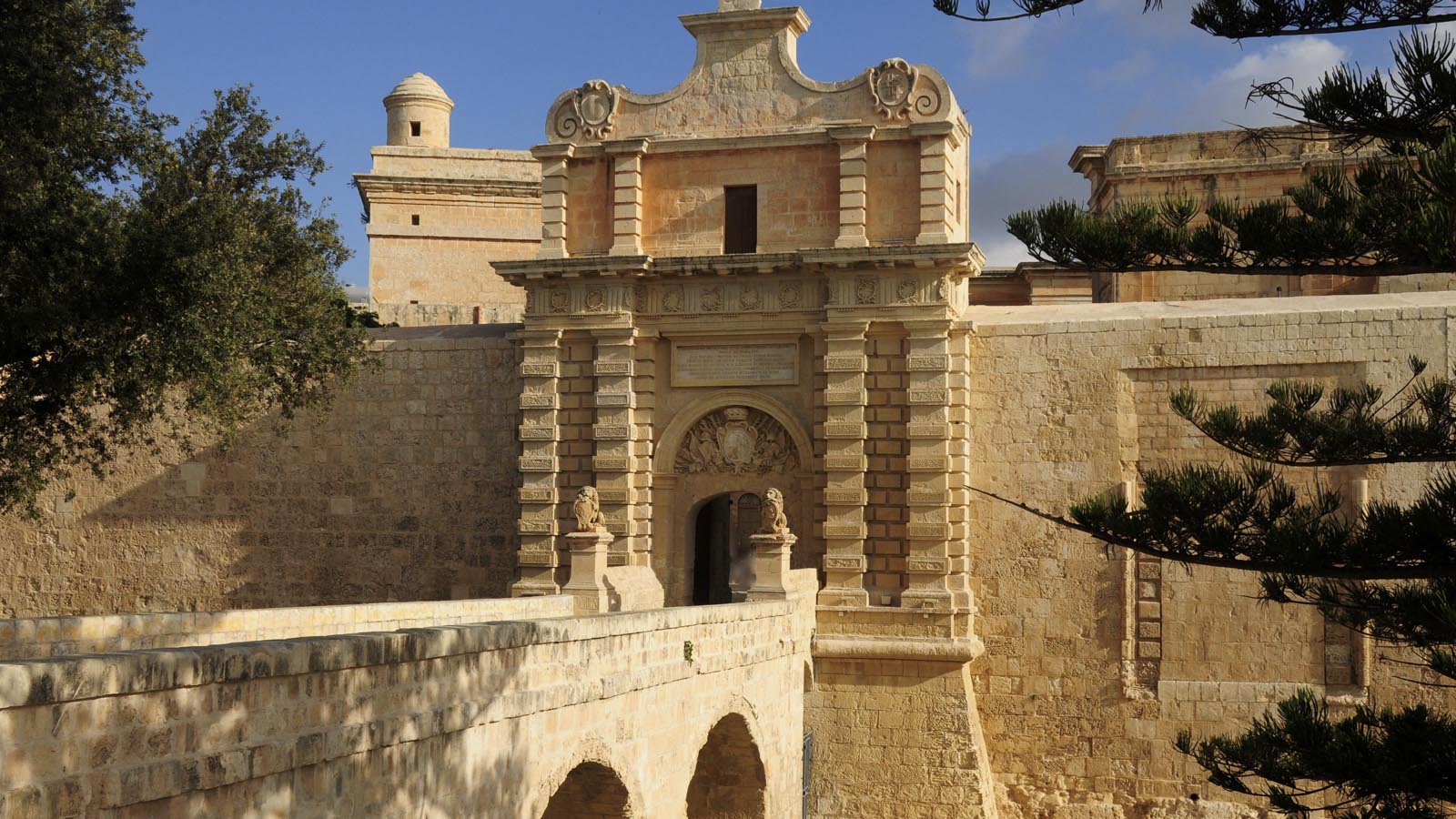
Mdina offers a quieter and more historic environment characterised by narrow streets, stone architecture and timeless atmosphere. Staying in or near Mdina allows travellers to experience a slower and more intimate side of Malta.
Accommodation in central Malta often focuses on boutique hospitality, heritage buildings and countryside-style retreats connected to traditional island character.
Gozo provides a more rural and nature-focused travel experience centred on countryside landscapes, coastal scenery and slower rhythms of life. The island appeals particularly to travellers seeking tranquillity and stronger environmental immersion.
Accommodation ranges from boutique farmhouses and countryside villas to smaller luxury retreats and scenic coastal properties.
Malta’s coastal areas combine Mediterranean scenery with resort-style hospitality and strong access to waterfront activities. Different coastal regions offer varied atmospheres ranging from lively seaside districts to quieter bays and coves.
Accommodation includes beachfront hotels, boutique resorts and apartment-style stays suited to travellers seeking relaxed seaside travel.
Malta has developed a particularly strong boutique hospitality sector focused on restored historic properties, intimate atmosphere and personalised service. Many boutique stays integrate traditional Maltese architecture with contemporary Mediterranean design.
Luxury hospitality in Malta is generally defined by atmosphere, history and location rather than large-scale resort development.
Luxury hotels in Malta often focus on harbour views, rooftop terraces and refined urban-coastal experiences. Waterfront accommodation is especially popular in Valletta, Sliema and St Julian’s where travellers can combine culture, gastronomy and seaside lifestyle.
These properties create journeys that feel elegant and relaxed while maintaining strong connection to the surrounding Mediterranean environment.
Malta is best experienced through flexible itineraries that combine the cultural atmosphere of Valletta, the coastline of Malta and the quieter landscapes of Gozo. Travellers can experience strong variation in atmosphere without extensive travel times.
This structure allows accommodation choices to shape the pace and emotional tone of the journey while maintaining a relaxed and highly accessible Mediterranean travel experience.
The best time to visit Malta is between April and October, when the weather is warm and suitable for both cultural exploration and coastal activities. Spring and autumn offer milder conditions.
Malta has a Mediterranean climate with hot summers and mild winters.
Festivals and local events reflect the island’s traditions.
The official currency is the Euro (EUR).
Dining reflects Mediterranean and local cuisine.
Malta offers a Mediterranean travel experience shaped by history, coastal scenery and relaxed island living. Travellers can explore fortified cities, harbours, rocky coastlines and smaller island environments while enjoying a warm climate and highly walkable travel atmosphere.
The destination rewards slower and experiential travel where culture, scenery and lifestyle become naturally integrated into everyday exploration.
Valletta combines Baroque architecture, fortified streets and waterfront scenery within one of Europe’s most distinctive historic capitals. Travellers can explore narrow streets, churches and harbour viewpoints while experiencing the city’s compact and highly atmospheric environment.
Other historic areas such as Mdina and the Three Cities provide quieter and more immersive perspectives on Malta’s layered cultural heritage and Mediterranean identity.
Malta’s coastline is characterised by rocky cliffs, coves and clear Mediterranean waters that create highly scenic environments for exploration and relaxation. Coastal drives, seaside walks and waterfront dining form an important part of the overall travel experience.
The islands’ compact geography allows travellers to move easily between urban heritage areas and coastal scenery within short travel times.
Boat excursions are one of the most popular ways to experience Malta’s coastal landscapes and surrounding islands. Travellers can explore sea caves, coves and smaller islands such as Comino while enjoying panoramic views of the Mediterranean coastline.
Marine experiences often feel relaxed and highly scenic, complementing the destination’s slower travel rhythm and outdoor lifestyle atmosphere.
Gozo provides a quieter and more rural atmosphere compared with the main island of Malta, combining countryside landscapes, traditional villages and scenic coastline. Travellers often visit Gozo for slower-paced exploration and stronger connection with nature and local life.
The island’s relaxed rhythm and scenic environments create a calmer contrast to the more urban and cultural atmosphere of Valletta and surrounding regions.
Food forms an important part of travelling through Malta, with cuisine shaped by Mediterranean traditions and regional influences. Waterfront restaurants, cafés and local markets contribute strongly to the islands’ relaxed social atmosphere.
Dining in Malta is often connected closely to scenery and outdoor living, allowing travellers to experience the destination’s lifestyle through everyday culinary experiences.
Malta’s heritage extends beyond its cities through prehistoric temples, fortifications and historic sites that reflect the islands’ long strategic importance within the Mediterranean. Travellers interested in history can explore cultural landmarks spanning thousands of years.
Historic exploration in Malta often feels highly accessible because major cultural sites are integrated naturally into the landscape and urban environments.
One of Malta’s greatest strengths is its ability to support slower and more immersive travel styles where the emphasis is placed on atmosphere, scenery and daily rhythm rather than intensive sightseeing.
Travellers frequently spend time enjoying waterfront promenades, harbour views and coastal cafés while gradually exploring the islands at a relaxed pace.
Malta is particularly rewarding for experiential travel because travellers can combine culture, coastline and island exploration within a relatively compact destination. Malta, Gozo and Comino each contribute different atmospheres and landscapes to the journey.
This diversity creates itineraries that feel balanced and immersive while remaining easy to navigate and highly accessible.
Malta offers a Mediterranean travel experience shaped by historic heritage, coastal landscapes and relaxed island living within a compact and highly accessible destination. The country combines centuries of cultural influence with scenic seaside environments and a warm climate that supports year-round travel.
Travellers can explore fortified cities, fishing villages, rocky coastlines and smaller island environments while continuously experiencing a balance between history, local atmosphere and outdoor living. Malta is particularly rewarding for travellers seeking culture, scenery and slower-paced Mediterranean travel within manageable distances.
Malta’s identity is deeply connected to its layered history, visible through fortified cities, Baroque architecture and archaeological heritage shaped by Mediterranean and European influences. Valletta, Mdina and the Three Cities provide highly atmospheric environments where history remains closely integrated into everyday life.
Cultural travel in Malta often feels immersive and accessible because historic districts are compact, walkable and naturally connected to local cafés, waterfronts and daily social life.
The Maltese islands offer scenic coastlines, rocky coves and Mediterranean waters that create a travel experience centred on outdoor living and relaxed exploration. Coastal travel often combines swimming, boat excursions and seaside dining within highly accessible distances.
Unlike larger beach destinations, Malta’s appeal comes more from atmosphere, scenery and cultural integration than from long resort-oriented coastlines alone.
Malta naturally supports slower and lifestyle-focused travel through its climate, café culture and compact geography. Travellers frequently experience the destination through waterfront promenades, historic streets and outdoor social environments.
The atmosphere is generally relaxed and walkable, making Malta especially appealing for travellers seeking comfort, culture and Mediterranean rhythm without intensive travel logistics.
The islands provide dramatic coastal scenery, sea cliffs and historic harbour environments that create visually distinctive travel experiences despite the country’s relatively small size. Scenic boat trips and coastal exploration are central parts of many itineraries.
Experiential travel in Malta often focuses on atmosphere and immersion in local surroundings rather than large-scale sightseeing or fast-paced tourism.
Malta has developed a refined boutique hospitality sector centred on restored historic buildings, waterfront hotels and smaller luxury properties integrated into cultural environments. Luxury travel often focuses on atmosphere, heritage and personalised experiences rather than large resort complexes.
Many high-end stays combine historic architecture with contemporary Mediterranean design and strong access to cultural landmarks and seaside scenery.
The country’s climate and island atmosphere naturally support wellness-oriented and slower styles of travel. Seaside hotels, boutique retreats and smaller island escapes encourage relaxation and immersion in the Mediterranean environment.
Wellness travel in Malta is generally shaped by simplicity, scenery and outdoor living rather than highly structured luxury retreat concepts.
Malta appeals strongly to couples seeking romantic Mediterranean escapes that combine culture, coastline and relaxed lifestyle experiences. Sunset harbours, historic streets and boutique accommodation create journeys focused on atmosphere and intimacy.
The compact scale of the islands allows travellers to experience variety without extensive movement, making the destination particularly comfortable for slower and more emotionally focused travel.
Malta, Gozo and Comino each offer distinct atmospheres and travel styles within one destination. Malta provides culture and urban rhythm, Gozo introduces a quieter and more rural atmosphere, while Comino is associated with scenic coastal environments and crystal-clear waters.
This combination creates journeys that feel balanced and varied while remaining highly accessible and easy to navigate.
The best time to visit Malta is generally between spring and autumn, when temperatures are warm and conditions are ideal for sightseeing, coastal exploration and outdoor dining.
Summer is especially popular for beach holidays and Mediterranean island travel, while spring and early autumn often offer a more relaxed atmosphere with comfortable temperatures and fewer crowds.
Malta is part of the Schengen Area, so visa requirements depend on your nationality and the duration of your stay. Many travellers from the United Kingdom, Europe and several international markets can enter visa-free for short tourist visits.
As immigration regulations may change over time, travellers should always verify the latest requirements through official government or consular sources before departure.
Malta is widely considered a safe and welcoming destination for international travellers, particularly within tourism areas and historic towns.
Travellers should still follow normal precautions regarding valuables and personal belongings, especially in busy public areas during the peak summer season.
The official currency of Malta is the Euro (EUR).
Credit and debit cards are widely accepted across hotels, restaurants and tourism establishments throughout the islands.
Travelling around Malta is relatively straightforward thanks to the island’s compact size and well-connected road network.
Many travellers explore the island through private transfers, car hire or public transport while also combining visits to Gozo and smaller coastal areas.
A stay of four to five days is ideal for most travellers wishing to experience Malta’s historic sites, coastal scenery and Mediterranean atmosphere comfortably.
Longer stays can be especially rewarding for travellers interested in slower island exploration, diving experiences or combining Malta with neighbouring Mediterranean destinations.
Yes, Malta is considered one of Europe’s most culturally rich destinations thanks to its extraordinary concentration of historic architecture, archaeological heritage and Mediterranean influences.
The islands combine ancient history, fortified cities and coastal charm within a compact destination that is particularly rewarding for travellers interested in culture and heritage.
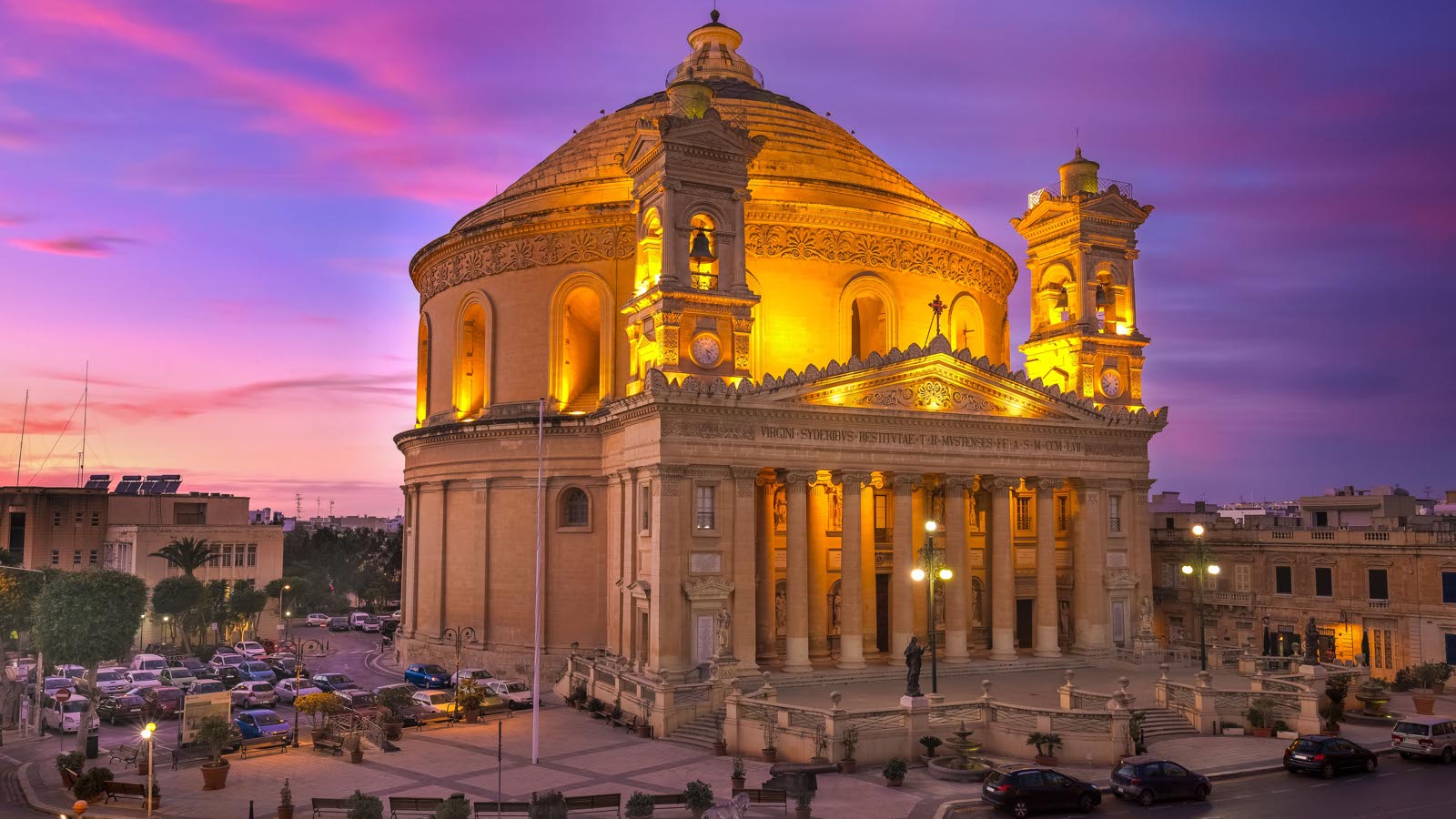
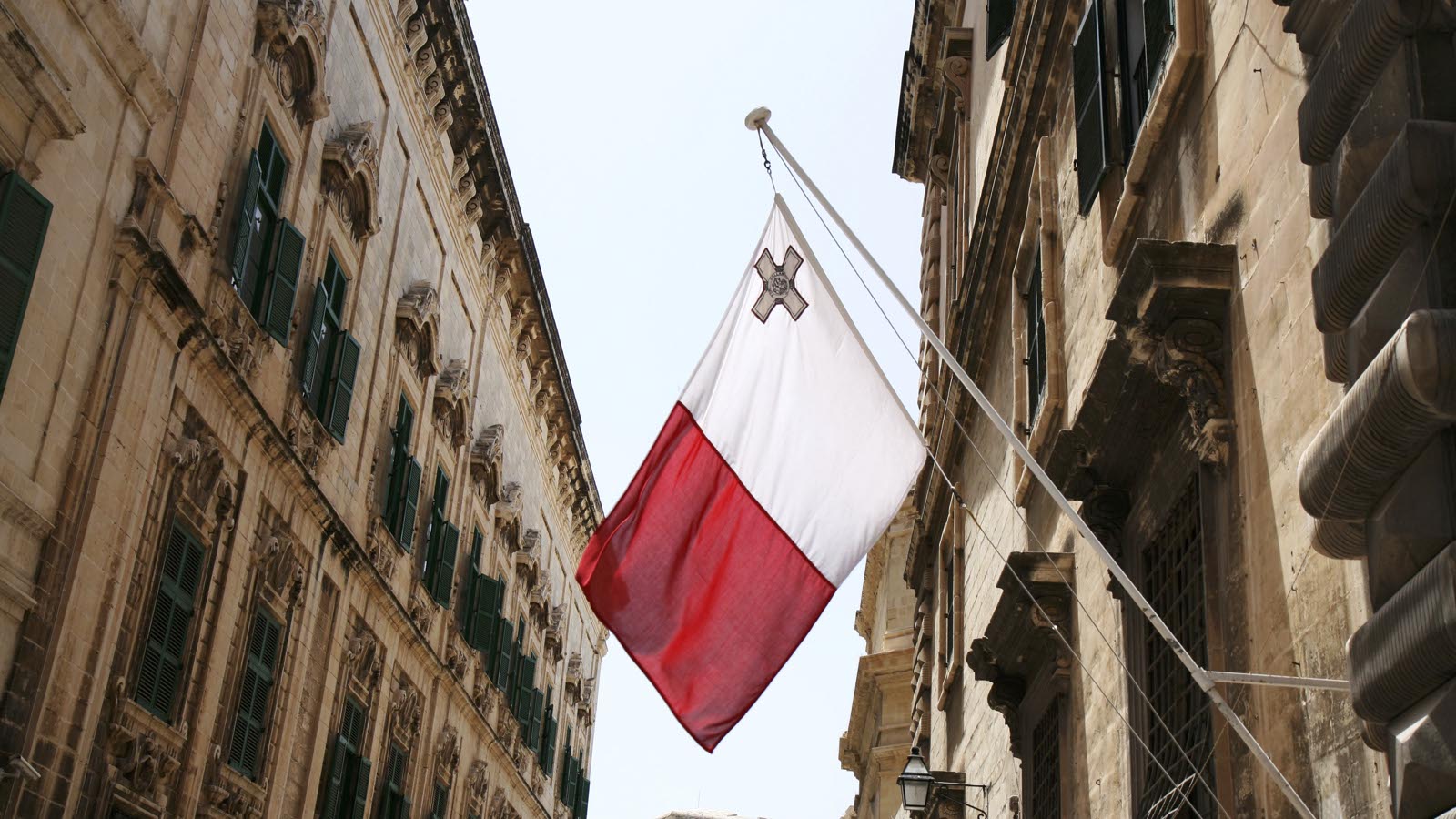
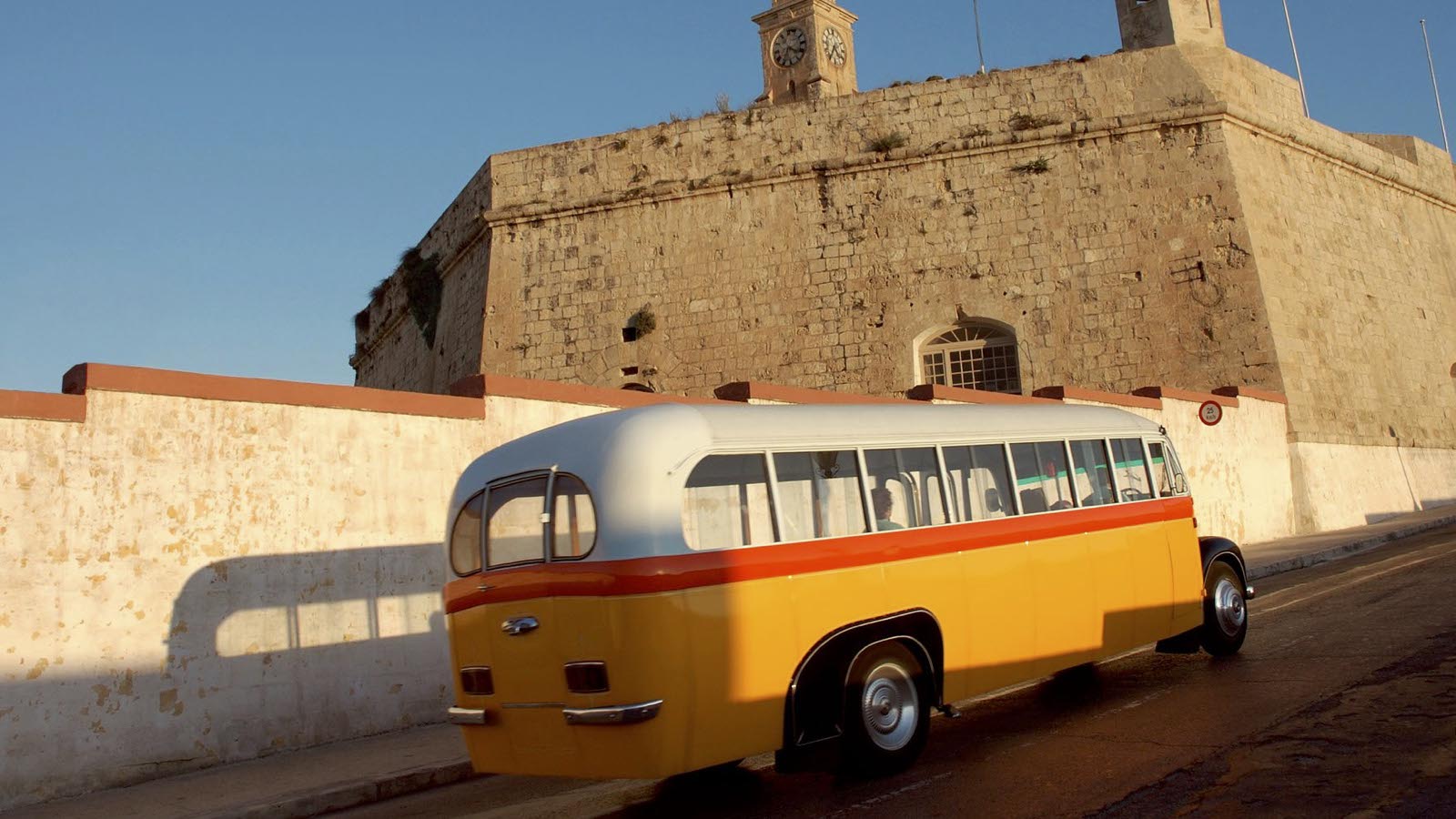
Explore a visual glimpse of Malta through images that capture its architecture, coastline and historic atmosphere.
Discover the texture and character that define this Mediterranean island.