Mexico
Home All Destinations Mexico

Mexico is a diverse and vibrant destination that combines Caribbean beaches, rich cultural heritage and varied landscapes within a single country. From the turquoise waters of the Riviera Maya to historic cities and ancient ruins, it offers a travel experience that is both wide-ranging and immersive.
Beyond its coastline, Mexico reveals colonial towns, natural wonders and a strong cultural identity shaped by its history and traditions. Whether focusing on beach relaxation, cultural exploration or a combination of both, the country provides a flexible and engaging journey.
Mexico offers an extraordinary range of destinations combining cultural cities, beach resorts, colonial towns and nature-focused regions across a highly diverse geographical landscape. Each area presents distinct atmospheres, cuisine and travel rhythms, allowing travellers to create highly personalised itineraries.
The destination is especially well suited to multi-centre travel where travellers can combine coastlines, historic regions and cultural exploration within one broader journey.
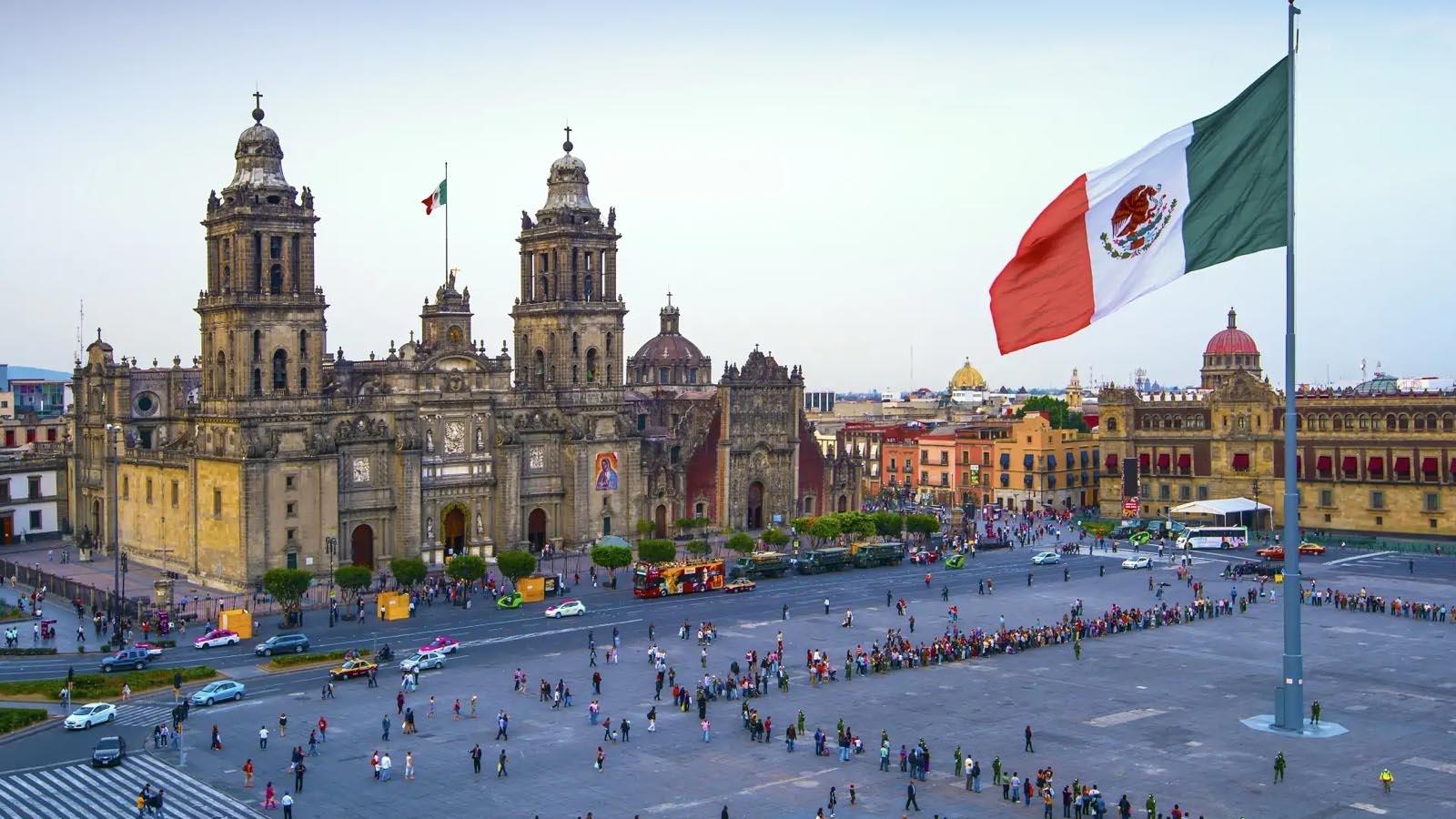
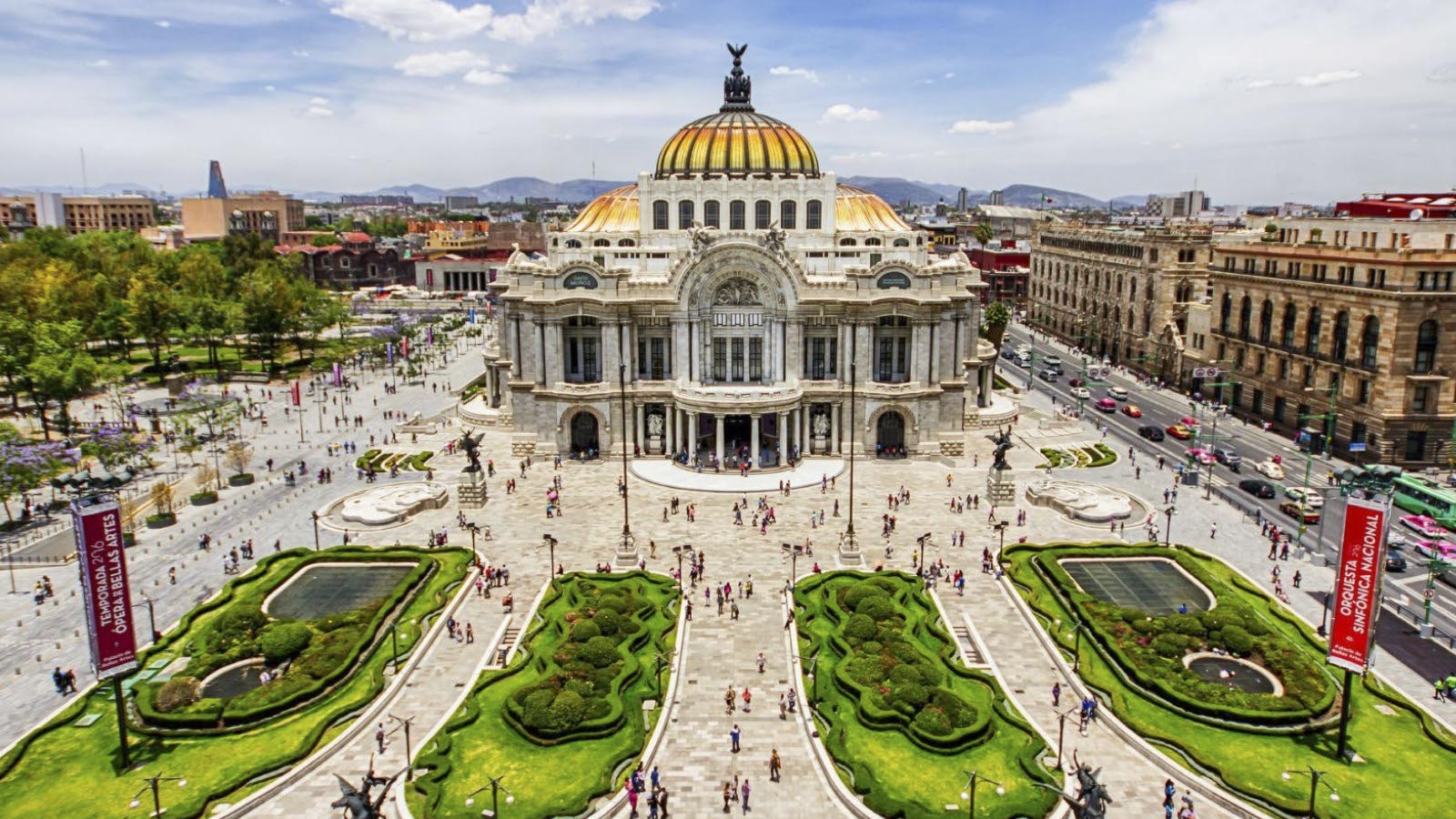
Mexico City is the country’s cultural and artistic centre, offering an energetic urban atmosphere shaped by gastronomy, museums and historic architecture. Different neighbourhoods provide distinct travel experiences ranging from contemporary lifestyle districts to traditional colonial areas.
Accommodation includes luxury urban hotels, boutique design properties and restored historic buildings integrated into the city’s cultural atmosphere.
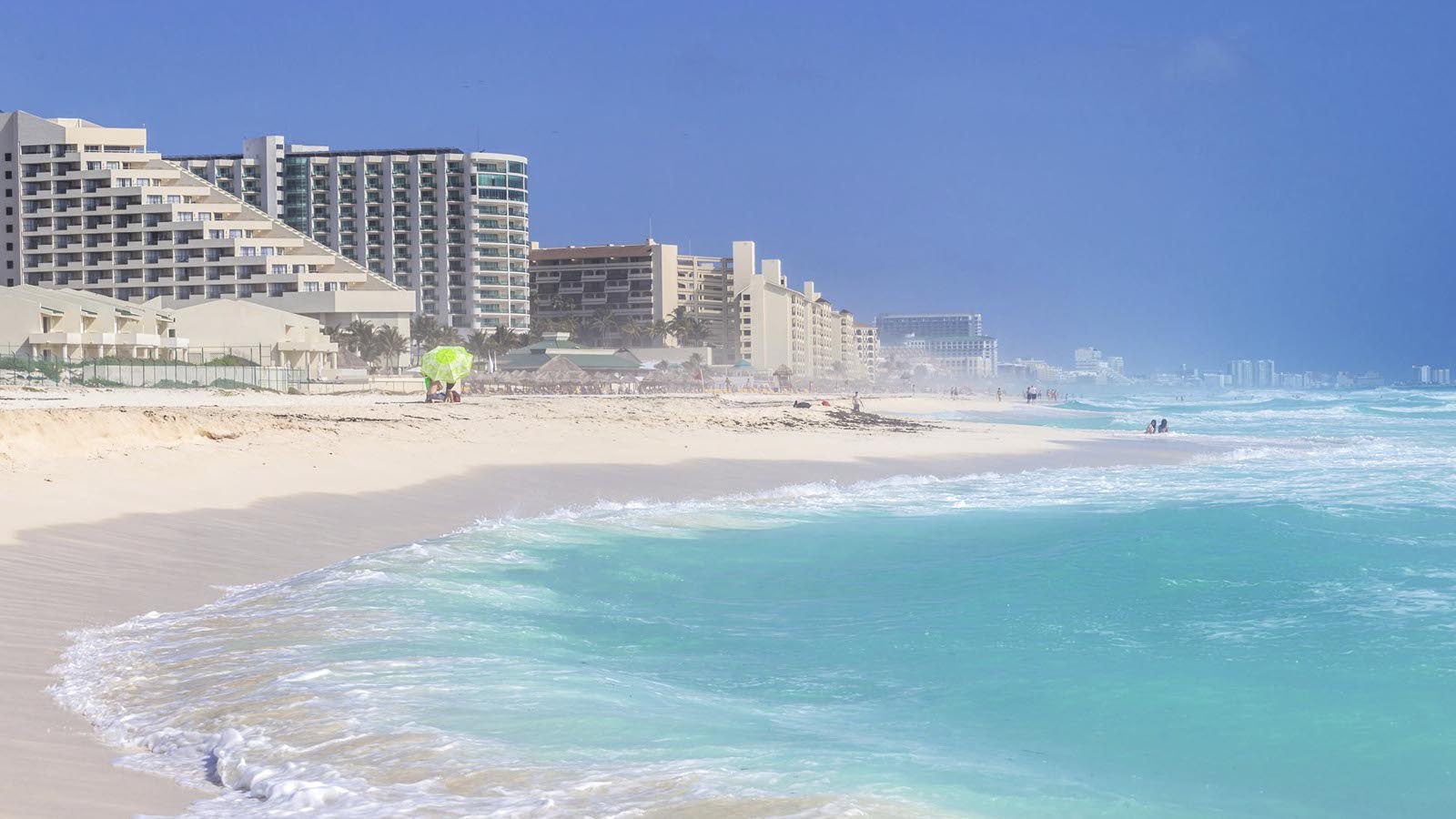
The Caribbean coast is one of Mexico’s most internationally recognised tourism regions, combining white sand beaches, turquoise waters and strong resort infrastructure. Riviera Maya offers a broader and more nature-focused atmosphere compared with the more urban resort environment of Cancún.
Accommodation ranges from luxury all-inclusive resorts and wellness retreats to eco-lodges and boutique beachfront hotels integrated into tropical surroundings.
Los Cabos combines desert landscapes, luxury resorts and Pacific coastline within one of Mexico’s most visually distinctive coastal environments. The region appeals particularly to travellers seeking premium hospitality, golf, wellness and scenic relaxation.
Accommodation often focuses on exclusivity, contemporary design and strong integration with the surrounding desert and ocean landscape.
Puerto Vallarta offers a balance between beaches, local culture and coastal lifestyle, creating a more socially vibrant atmosphere compared with some of Mexico’s larger resort destinations. The region combines Pacific scenery with gastronomy and artistic identity.
Accommodation includes beachfront resorts, boutique villas and smaller luxury properties integrated into coastal and hillside environments.
Oaxaca provides one of Mexico’s richest cultural travel experiences through cuisine, artisan traditions and colonial architecture. The region appeals particularly to travellers seeking authenticity, gastronomy and slower-paced exploration.
Accommodation often includes boutique hotels, restored heritage properties and smaller luxury stays focused on atmosphere and regional identity.
Colonial destinations such as San Miguel de Allende combine historic architecture, artistic atmosphere and boutique hospitality within highly walkable environments. These towns are especially appealing for couples and lifestyle-focused travellers.
Accommodation generally focuses on restored mansions, intimate boutique hotels and design-led stays connected to local culture and architecture.
Mexico also offers a growing eco-luxury and nature retreat sector focused on environmental immersion, wellness and sustainable hospitality. Jungle lodges, cenote retreats and coastal eco-resorts are increasingly popular among experiential travellers.
These stays emphasise atmosphere, landscape integration and slower travel rhythms rather than conventional resort-style tourism.
Luxury hospitality in Mexico is highly varied and regionally distinctive, ranging from beachfront villas and desert resorts to heritage properties and jungle retreats. High-end travel often focuses on gastronomy, personalised service and strong local identity.
Boutique hospitality is particularly strong throughout the country, creating journeys that feel intimate, immersive and culturally connected.
Mexico is best experienced through itineraries that combine cultural cities, coastal regions and nature-focused destinations within one broader journey. Travellers can experience strong regional contrast while maintaining accessible travel connections between destinations.
This structure creates journeys that feel layered and continuously engaging, allowing accommodation choices to shape the rhythm and atmosphere of the overall travel experience.
The best time to visit Mexico is between November and April, when the weather is generally drier and more comfortable in most regions. Conditions can vary depending on location, with coastal areas being warmer and more humid.
Mexico has a varied climate, ranging from tropical in coastal areas to temperate in inland regions.
Mexico hosts a wide range of cultural festivals reflecting its traditions and heritage.
The local currency is the Mexican Peso (MXN), though US dollars are accepted in some tourist areas.
Mexican cuisine is one of the country’s highlights, offering rich flavours and regional variety.
Mexico offers a highly immersive travel experience combining ancient heritage, vibrant culture, beaches and dramatic regional diversity. Travellers can explore archaeological sites, colonial cities, tropical coastlines and local culinary traditions while continuously experiencing strong contrasts in landscape and atmosphere.
The destination rewards experiential travel where culture, gastronomy and local identity become central parts of the journey rather than secondary attractions.
Mexico City is one of the world’s most dynamic cultural capitals, combining museums, historic districts, gastronomy and contemporary urban life within a vast and constantly evolving environment. Travellers can explore colonial architecture, local markets and artistic neighbourhoods while experiencing the energy of modern Mexico.
The city also provides access to important historical and archaeological landmarks that reveal the country’s deep cultural heritage and layered identity.
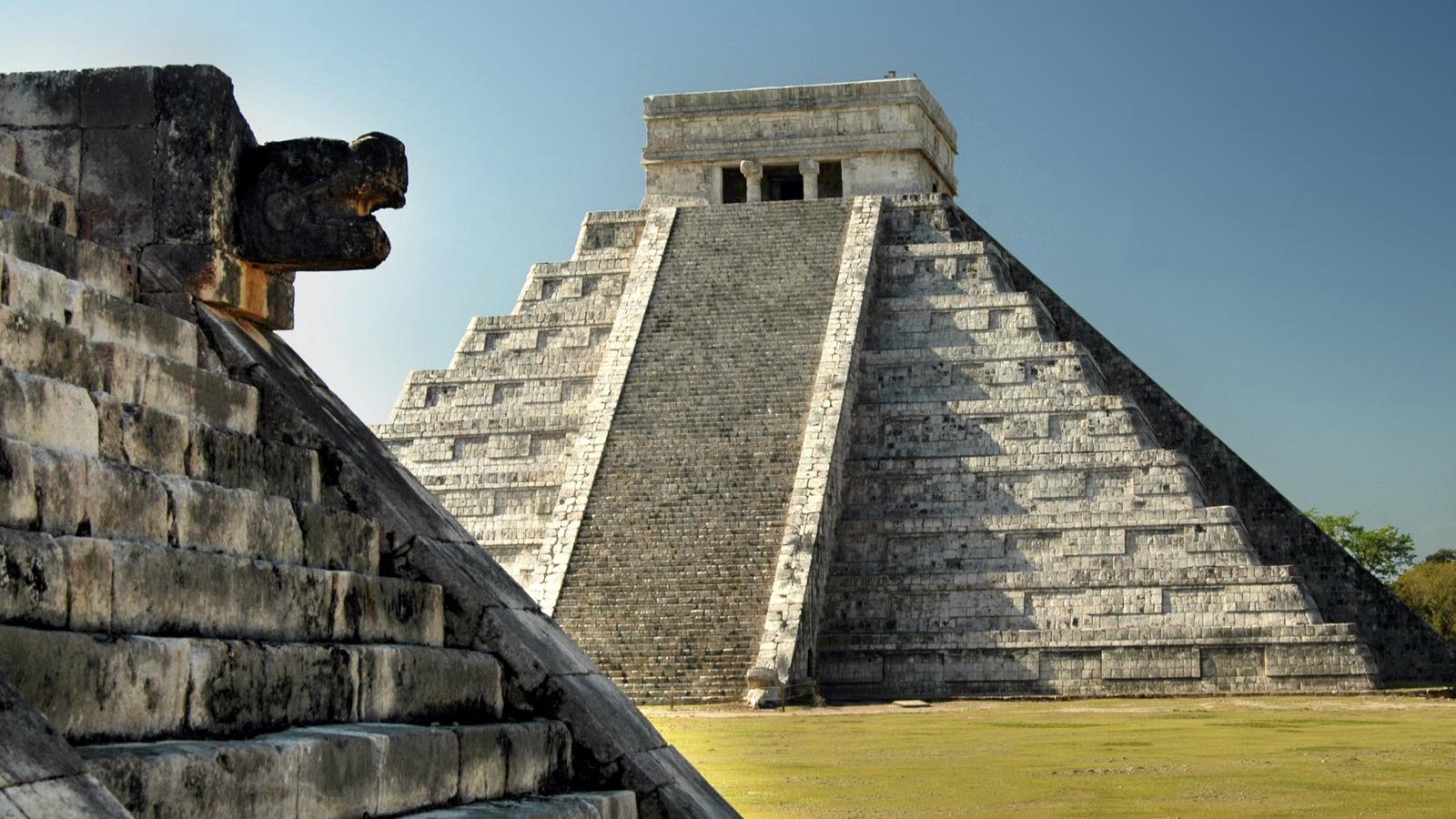
Mexico is home to some of the world’s most important archaeological sites, including ancient Mayan and Aztec cities surrounded by jungle and dramatic landscapes. Destinations such as Chichén Itzá, Teotihuacán and Palenque provide highly atmospheric experiences shaped by history and scale.
Exploring these sites often becomes one of the emotional highlights of travelling through Mexico because they combine cultural significance with striking environmental settings.
Mexico’s coastlines provide a wide variety of beach experiences ranging from Caribbean resort environments and turquoise waters to Pacific surf towns and scenic coastal retreats. Riviera Maya, Los Cabos and Puerto Vallarta each offer distinct atmospheres and travel styles.
Beach travel in Mexico often combines relaxation with gastronomy, local culture and outdoor exploration rather than existing solely as resort-based tourism.
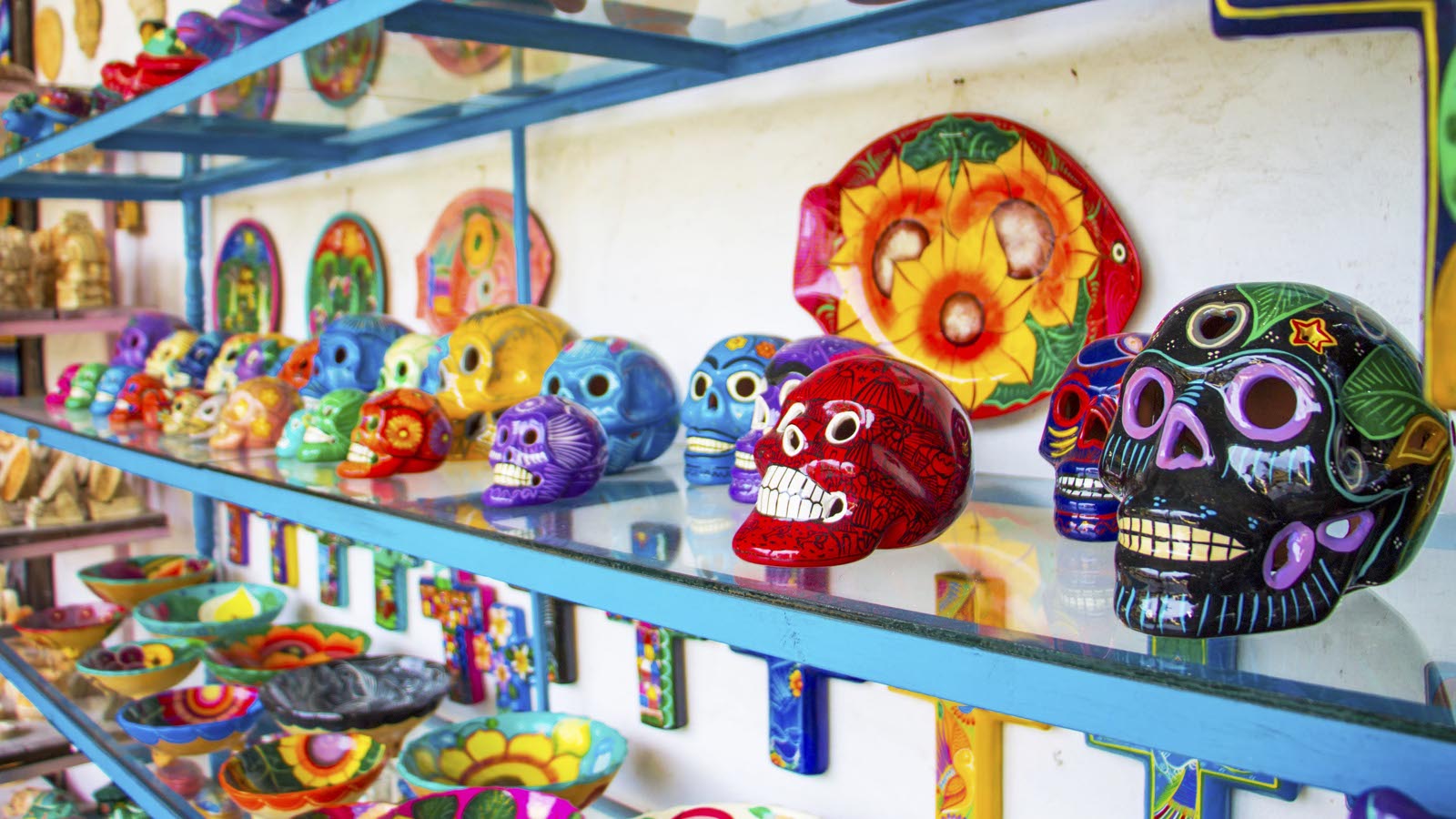
Cuisine is one of the defining aspects of travelling through Mexico, with regional dishes and street food traditions deeply integrated into everyday life. Markets, food stalls and local restaurants provide opportunities to experience authentic flavours and culinary diversity throughout the country.
Food exploration often becomes one of the most memorable parts of the journey because gastronomy in Mexico is closely connected to culture, history and regional identity.
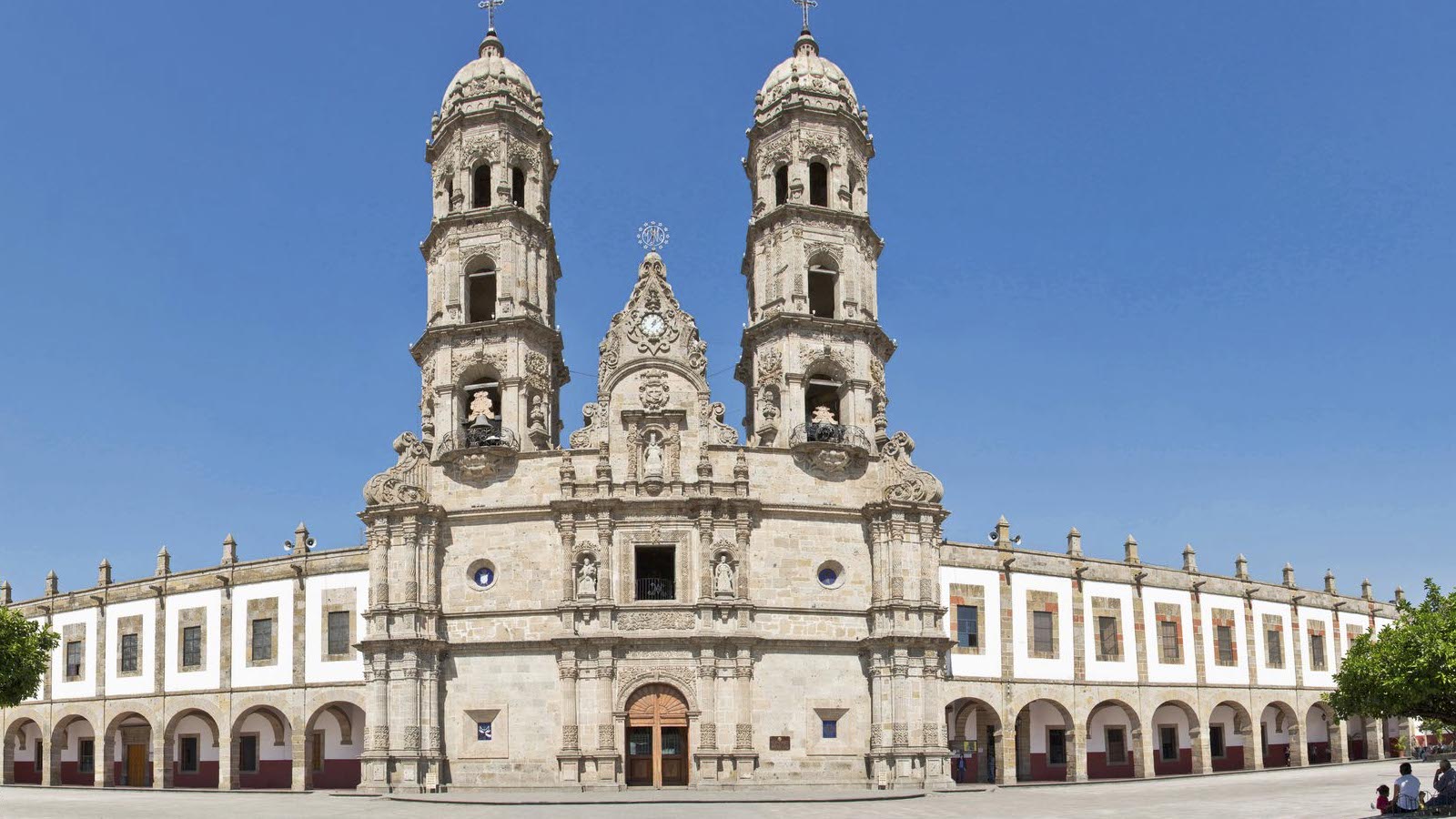
Historic towns such as San Miguel de Allende, Guanajuato and Oaxaca reveal another side of Mexico through colourful streets, plazas and traditional architecture. These destinations combine slower travel rhythms with strong local atmosphere and artistic identity.
Travellers often experience these towns through gastronomy, local crafts and cultural festivals that remain deeply connected to regional traditions.
Mexico’s natural environments include cenotes, jungles, deserts and mountain landscapes that provide strong contrast to its urban and coastal regions. The Yucatán Peninsula in particular offers unique freshwater cenotes and tropical landscapes integrated into broader cultural itineraries.
Nature exploration often combines swimming, hiking and environmental immersion within highly scenic surroundings.
Mexico offers a highly developed luxury and wellness sector combining beachfront resorts, jungle retreats and boutique hospitality experiences focused on atmosphere and personalised service. Many high-end stays integrate local design influences and strong environmental connection.
Wellness travel often centres on relaxation, gastronomy and slower-paced immersion in coastal or nature-focused environments.
Mexico is particularly well suited to multi-region travel because each area of the country provides distinct cultural identities, landscapes and rhythms of travel. Travellers can combine cities, beaches, archaeological sites and countryside regions within one itinerary.
This diversity creates journeys that feel layered, immersive and continuously engaging, making Mexico especially rewarding for travellers seeking cultural depth and environmental variety.
Mexico offers one of the world’s most diverse travel experiences, combining ancient heritage, vibrant culture, tropical coastlines and highly varied landscapes within a destination shaped by strong regional identity. The country balances history, gastronomy, beaches and contemporary lifestyle in a way that allows travellers to create highly personalised journeys.
Travellers can move between colonial cities, archaeological sites, desert regions, jungles and Caribbean or Pacific coastlines while continuously experiencing distinct local atmospheres and traditions. Mexico is particularly rewarding for travellers seeking immersive and culturally rich experiences combined with scenic diversity and hospitality.
Mexico’s cultural identity is one of its defining strengths, reflected through architecture, local traditions, music and historic cities shaped by Indigenous and colonial influences. Destinations such as Mexico City, Oaxaca and Mérida provide highly immersive cultural environments where history remains closely connected to everyday life.
Cultural travel in Mexico often feels vibrant and deeply atmospheric because heritage, cuisine and social life are experienced continuously throughout the journey rather than only through major landmarks.
Mexico’s coastlines offer extraordinary diversity ranging from Caribbean beaches and resort destinations to Pacific surf towns and quieter coastal regions. Areas such as Cancún, Riviera Maya, Los Cabos and Puerto Vallarta each provide very different beach atmospheres and travel styles.
Beach travel can range from luxury all-inclusive experiences and boutique coastal retreats to more nature-focused and lifestyle-oriented destinations integrated into local culture.
Cuisine is central to the Mexican travel experience, with each region offering distinct flavours, ingredients and culinary traditions. Street food, local markets and regional gastronomy form an essential part of exploring the country’s cultural identity.
Food travel in Mexico is often highly experiential and social, allowing travellers to engage deeply with local culture through everyday dining experiences and traditional cooking practices.
Mexico has developed a highly sophisticated luxury hospitality sector that combines beachfront resorts, boutique hotels and heritage properties with strong regional character. Luxury travel often focuses on atmosphere, gastronomy and design while remaining closely connected to local identity.
Different regions interpret luxury in distinct ways, from contemporary coastal resorts and wellness retreats to restored colonial mansions and eco-luxury jungle lodges.
The country’s environmental diversity supports a wide range of outdoor experiences including jungle exploration, cenotes, desert landscapes, mountains and marine environments. Adventure travel in Mexico often combines nature immersion with cultural exploration and regional discovery.
Travellers seeking active and scenic itineraries can experience dramatic environmental contrasts within relatively accessible travel distances.
Mexico naturally supports slower and wellness-focused travel styles through beach destinations, jungle retreats and boutique countryside properties designed around atmosphere and relaxation. Many destinations combine wellness experiences with gastronomy and environmental immersion.
Wellness travel is often shaped by local traditions, natural surroundings and slower rhythms rather than exclusively by luxury spa environments.
Mexico is especially rewarding for regional exploration because each part of the country presents distinct landscapes, cuisine, architecture and cultural atmosphere. Yucatán, Oaxaca, Baja California and central Mexico all provide dramatically different travel experiences.
This diversity encourages repeat visits and highly personalised itineraries focused on discovery and cultural immersion.
Mexico appeals strongly to both families and couples because of its broad accommodation range, beach infrastructure and balance between relaxation and exploration. Families often choose resort-oriented coastal destinations, while couples are drawn to boutique hotels, cultural cities and scenic beach environments.
The destination’s flexibility allows travellers to shape journeys according to pace, travel style and desired level of immersion.
The best time to visit Mexico is generally between November and April, when conditions are typically drier and more comfortable across many of the country’s main tourism regions.
As Mexico is a large and geographically diverse destination, climate conditions can vary significantly between coastal areas, highland cities and tropical regions.
Many travellers can enter Mexico visa-free for short tourist stays, although entry requirements depend on nationality and the duration of travel.
As immigration regulations may change over time, travellers should always verify the latest requirements through official Mexican government or consular sources before departure.
Mexico is generally considered safe for tourism within established visitor regions such as the Riviera Maya, Cancún, Los Cabos and many major cultural destinations.
Travellers should still follow local guidance and standard precautions regarding valuables, transport and personal belongings, particularly in busy urban areas.
The official currency of Mexico is the Mexican Peso (MXN).
Credit and debit cards are widely accepted throughout hotels, resorts and tourism establishments, while US Dollars may also be accepted in some tourism areas.
Travelling around Mexico is relatively straightforward thanks to its extensive domestic flight network and well-developed tourism infrastructure.
Many travellers combine cultural cities, archaeological sites and coastal regions within the same itinerary through organised transfers and regional flights.
A stay of seven to fourteen days is ideal depending on the regions included in your itinerary and the balance between beach time, culture and exploration.
Longer journeys can be especially rewarding for travellers interested in combining several regions, slower cultural immersion or multi-centre travel experiences.
Yes, Mexico is considered one of the world’s leading destinations for all-inclusive holidays, particularly in the Riviera Maya and Cancún regions.
The country combines extensive resort infrastructure with beaches, cultural heritage and excellent hospitality, making it appealing to couples, families and long-haul leisure travellers alike.
Explore a visual glimpse of Mexico through images that capture its beaches, culture and landscapes.
Discover the scenes that define this diverse and vibrant destination.