Morocco
Home All Destinations Morocco

Morocco is a destination rich in culture, colour and contrast, where ancient traditions and diverse landscapes create a deeply immersive travel experience. From bustling medinas and historic cities to desert dunes and mountain scenery, the country offers a journey shaped by variety and atmosphere.
Travellers can explore vibrant markets, architectural landmarks and changing landscapes, moving from the Atlas Mountains to the Sahara Desert and coastal towns. Morocco’s unique character lies in its blend of heritage and everyday life, making each experience both authentic and memorable.
Morocco offers a remarkable range of destinations combining imperial cities, desert landscapes and Atlantic coastline within one of North Africa’s most culturally immersive countries. Different regions provide varied travel atmospheres ranging from bustling medinas and mountain retreats to coastal towns and luxury desert environments.
The destination is especially well suited to multi-region itineraries where travellers can balance culture, relaxation and scenic exploration throughout the journey.
Marrakech is Morocco’s most iconic destination, combining vibrant medinas, luxury riads and strong sensory atmosphere within a highly immersive urban environment. The city appeals particularly to travellers seeking culture, gastronomy and boutique hospitality.
Accommodation ranges from restored riads and luxury courtyard hotels to contemporary resorts designed around traditional Moroccan aesthetics.
Fez offers one of Morocco’s richest heritage environments through its historic medina, artisan districts and deeply authentic cultural atmosphere. The city works especially well for travellers seeking immersive historical exploration.
Accommodation often focuses on heritage riads, boutique properties and restored mansions integrated closely into the old city’s architecture and rhythm.
Essaouira combines Atlantic coastline, artistic atmosphere and relaxed medina life within one of Morocco’s most charming seaside destinations. The town appeals particularly to travellers seeking slower travel rhythms and coastal culture.
Accommodation includes boutique riads, coastal guesthouses and smaller luxury properties designed around local atmosphere and ocean views.
Morocco’s desert regions provide some of the country’s most memorable accommodation experiences through luxury camps and remote desert lodges integrated into dune landscapes and open scenery.
Accommodation here focuses on atmosphere, simplicity and emotional immersion rather than conventional luxury infrastructure.
The Atlas region offers mountain villages, scenic valleys and nature-focused retreats that contrast strongly with Morocco’s urban environments. These areas appeal especially to travellers seeking tranquillity and environmental immersion.
Accommodation includes boutique mountain lodges, eco-retreats and traditional guesthouses connected closely to local landscapes and culture.
Morocco has developed a highly refined boutique hospitality sector centred on riads, craftsmanship and immersive design. Luxury travel here is often defined by atmosphere, architecture and personalised service rather than excessive formality.
Many properties integrate traditional materials, courtyards and sensory detail into the guest experience.
The country naturally supports wellness-oriented travel through riad living, spa culture and hammam traditions deeply connected to Moroccan identity. Many properties integrate relaxation and emotional balance into the atmosphere of the stay.
These stays appeal especially to travellers seeking reflective and restorative travel experiences.
Morocco is best experienced through itineraries that combine cities, mountains, coastline and desert landscapes in order to reveal the country’s extraordinary diversity in atmosphere and scenery. Travellers can move gradually between energetic urban environments and quieter reflective regions.
This structure creates journeys that feel cinematic, immersive and emotionally rich while maintaining strong continuity through Moroccan culture and hospitality.
The best time to visit Morocco is during spring (March to May) and autumn (September to November), when temperatures are more moderate. Summer can be very hot, particularly in inland and desert regions.
Morocco has a varied climate, with coastal, mountain and desert conditions.
Public holidays are influenced by the Islamic calendar and local traditions.
The local currency is the Moroccan Dirham (MAD).
Moroccan cuisine is a key part of the experience, with rich flavours and traditional dishes.
Morocco offers a travel experience shaped by imperial cities, desert landscapes and vibrant cultural atmosphere. Travellers can explore medinas, mountain regions and Atlantic coastline while experiencing one of the world’s most visually and emotionally immersive destinations.
The country rewards experiential travel where architecture, atmosphere and local rhythm become central parts of the journey.
Marrakech combines palaces, markets and traditional riads within one of North Africa’s most iconic urban environments. Travellers can experience colourful streets, artisan culture and lively public squares while immersing themselves in Morocco’s sensory atmosphere.
The city often feels cinematic and emotionally engaging because daily life, architecture and tradition remain deeply interconnected.
Fez offers one of Morocco’s richest cultural and historical experiences through its ancient medina, religious heritage and artisan traditions. Exploring the city often feels immersive because centuries-old urban life continues to shape the atmosphere of the streets and markets.
Travellers seeking cultural depth and authenticity frequently find Fez especially rewarding.
The Sahara provides one of Morocco’s most memorable travel experiences through dunes, desert camps and dramatic scenery that reveal another dimension of the country beyond its cities. Desert travel often feels reflective and visually extraordinary.
Journeys into the Sahara are frequently among the emotional highlights of travelling through Morocco because of the silence, scale and changing light of the landscape.
The Atlas Mountains and surrounding valleys offer strong environmental contrast through traditional villages, elevated landscapes and slower rhythms of life. Overland travel between regions reveals Morocco’s extraordinary geographical diversity.
Scenic routes frequently become defining parts of the journey because of the atmosphere and visual richness of the surrounding landscapes.
Cuisine is an essential part of travelling through Morocco, with spices, communal dining and market culture deeply connected to local identity. Food experiences often feel immersive because they are closely linked to atmosphere and everyday life.
Dining in riads, market areas and traditional restaurants frequently becomes one of the most memorable aspects of the journey.
Riads and heritage-style accommodation form an important part of the Moroccan travel experience, creating highly atmospheric environments centred on courtyards, craftsmanship and tranquillity.
Relaxation travel here is strongly associated with emotional immersion, architecture and slower rhythms rather than conventional resort tourism.
Morocco’s Atlantic coastline provides a calmer and more relaxed atmosphere through seaside towns, beaches and artistic communities. Coastal regions such as Essaouira reveal another side of the country shaped by ocean life and slower travel rhythm.
Travellers frequently experience these destinations as restorative contrasts to the energy of the imperial cities.
Morocco is especially rewarding for travellers who combine cities, mountains, coastline and desert landscapes within one itinerary. Different regions contribute distinct colours, rhythms and environments while maintaining strong cultural continuity.
This diversity creates travel experiences that feel layered, atmospheric and deeply memorable from beginning to end.
Morocco offers one of the world’s most atmospheric travel experiences, combining imperial cities, desert landscapes and vibrant cultural identity within a destination shaped by centuries of trade, artistry and regional diversity. The country balances tradition, colour and sensory immersion in a way that creates journeys that feel cinematic, emotional and deeply memorable.
Travellers can move between bustling medinas, mountain villages, Atlantic coastline and Sahara landscapes while continuously experiencing strong local identity and visual richness. Morocco is particularly rewarding for travellers seeking culture, architecture and experiential travel shaped by atmosphere as much as by scenery.
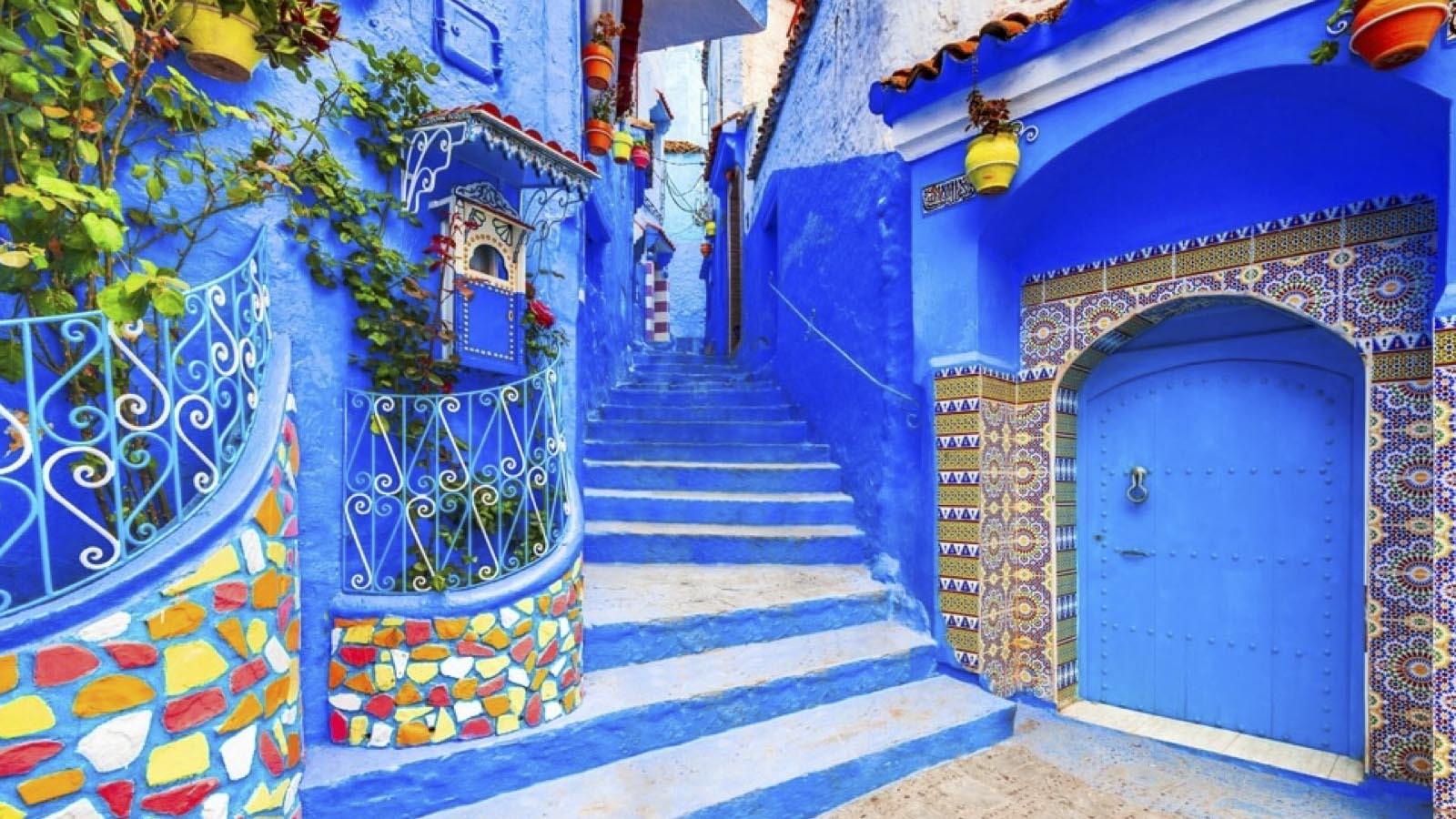
Morocco’s cultural identity is visible throughout the country through medinas, palaces, riads and artisan traditions that remain deeply integrated into everyday life. Cities such as Marrakech, Fez and Chefchaouen provide highly immersive environments where history and contemporary rhythm coexist naturally.
Cultural travel here often feels emotionally engaging because architecture, markets and social life continuously stimulate the senses and create strong connection with place.
Morocco appeals strongly to travellers seeking immersive and authentic experiences shaped by local craftsmanship, markets and regional traditions. Travel here generally feels experiential rather than passive, encouraging curiosity and exploration.
The destination rewards travellers who enjoy atmosphere, interaction and journeys built around discovery and sensory contrast.
The Sahara and Morocco’s broader landscapes provide some of North Africa’s most visually dramatic scenery through dunes, valleys and mountain regions that create strong environmental contrast. Scenic travel often becomes one of the defining aspects of the journey itself.
Travellers frequently experience the country through overland routes that reveal changing landscapes and cultural atmospheres.
Morocco offers a sophisticated boutique hospitality sector centred on riads, desert camps and luxury resorts designed around architectural beauty and local atmosphere. Luxury travel often focuses on emotional immersion, craftsmanship and personalised experiences rather than excessive formality.
Many properties integrate courtyards, traditional design and sensory detail into the guest experience.
Cuisine forms an essential part of travelling through Morocco, reflecting centuries of regional and cultural influence through spices, markets and communal dining traditions. Food travel here is highly atmospheric and deeply connected to local identity.
Dining experiences often become memorable highlights because of the combination of flavours, hospitality and setting.
Morocco naturally supports slower and reflective travel styles through riad living, hammam traditions and the rhythm of its historic cities and desert landscapes. Wellness travel often feels immersive and culturally rooted rather than highly structured.
Travellers frequently experience a strong sense of atmosphere and emotional disconnection from routine throughout the journey.
The country supports highly rewarding overland journeys through mountains, desert regions and historic trade routes that reveal Morocco’s extraordinary geographical diversity. Adventure travel here is generally connected closely to landscape and cultural exploration.
Travelling between regions often becomes as meaningful as the destinations themselves because of the dramatic environmental and atmospheric shifts.
Morocco is especially rewarding for travellers willing to combine cities, desert landscapes and coastline within one itinerary. Marrakech, Fez, Essaouira and the Sahara all provide dramatically different experiences while maintaining strong cultural continuity.
This diversity creates journeys that feel layered, cinematic and continuously immersive throughout the travel experience.
The best time to visit Morocco is generally during spring and autumn, when temperatures are more comfortable for exploring cities, desert regions and mountain landscapes.
Summer can be very hot in inland areas, while coastal regions often remain milder and more comfortable throughout the year.
Many travellers can enter Morocco visa-free for short tourist stays, although entry requirements depend on nationality and the duration of travel.
As immigration regulations may change over time, travellers should always verify the latest requirements through official Moroccan government or consular sources before departure.
Morocco is generally considered a safe and welcoming destination for tourism, particularly within established visitor regions and organised travel itineraries.
Travellers should still take normal precautions regarding valuables and personal belongings, especially in busy medinas, markets and crowded urban areas.
The official currency of Morocco is the Moroccan Dirham (MAD).
Credit and debit cards are accepted in many hotels and larger establishments, although carrying cash is often useful when visiting traditional markets and smaller towns.
Travelling around Morocco is relatively straightforward through a combination of private transfers, trains, domestic flights and organised tours connecting the country’s main regions.
Many travellers combine imperial cities, desert landscapes and coastal destinations within one itinerary, often through road-based journeys.
A stay of seven to ten days is ideal for most travellers wishing to combine several regions and experiences comfortably within one journey.
Longer stays can be especially rewarding for travellers interested in slower cultural immersion, desert experiences or exploring less-visited areas of the country.
Yes, Morocco is considered one of the best destinations for multi-centre travel thanks to its regional diversity, cultural richness and contrasting landscapes.
Travellers can combine historic cities, mountain scenery, desert environments and Atlantic coastlines within one itinerary, creating highly varied and immersive travel experiences.
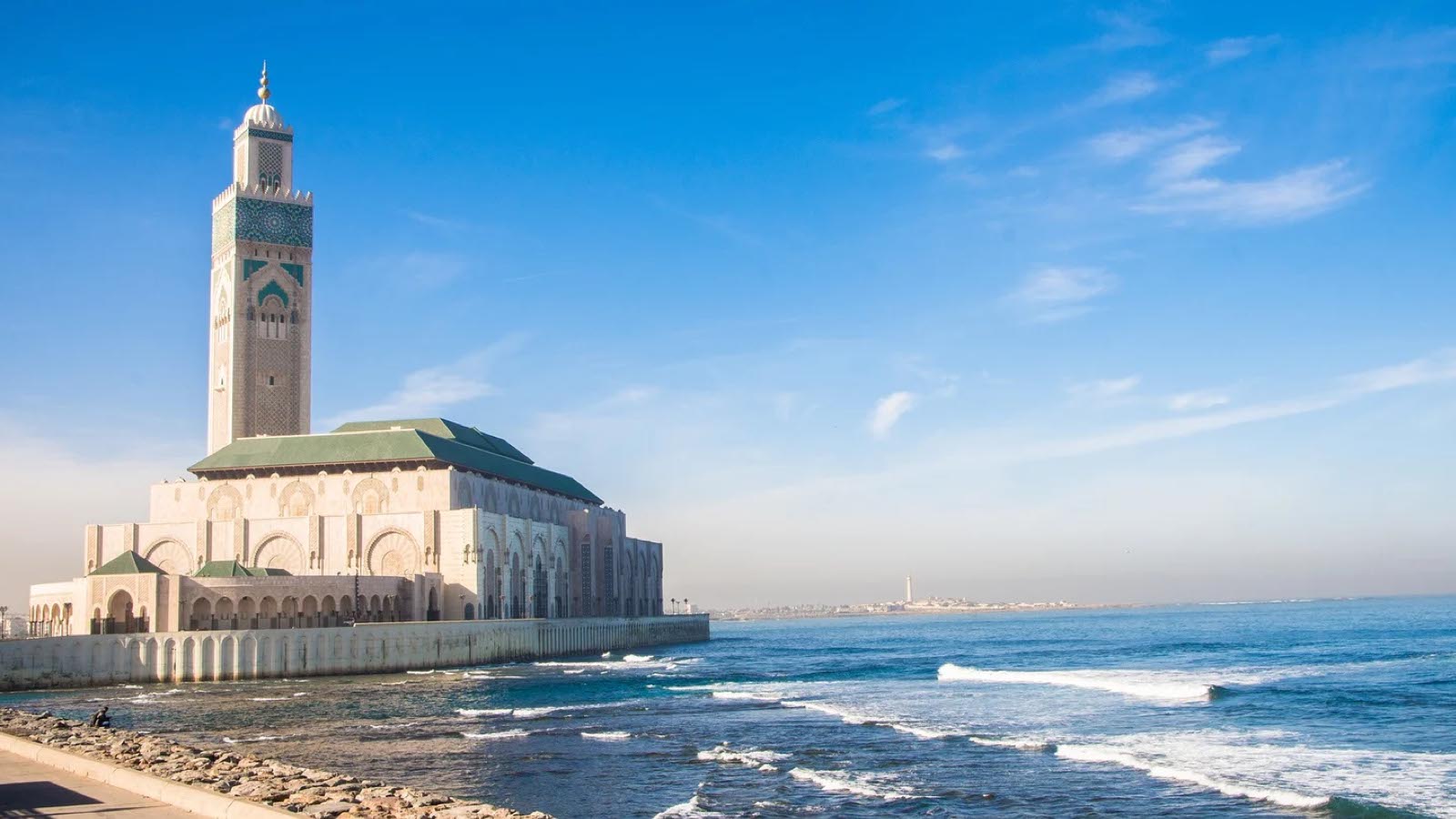
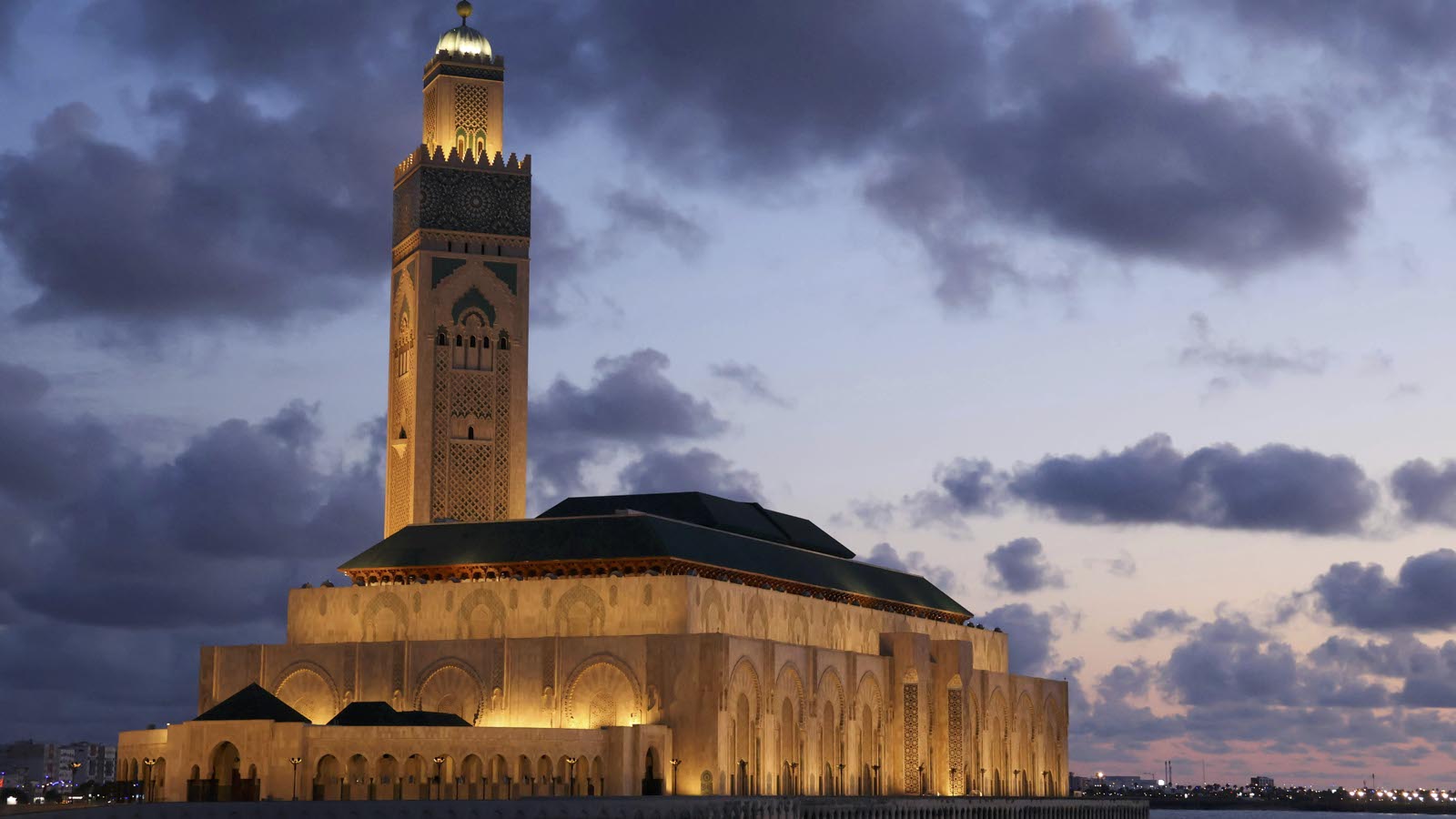
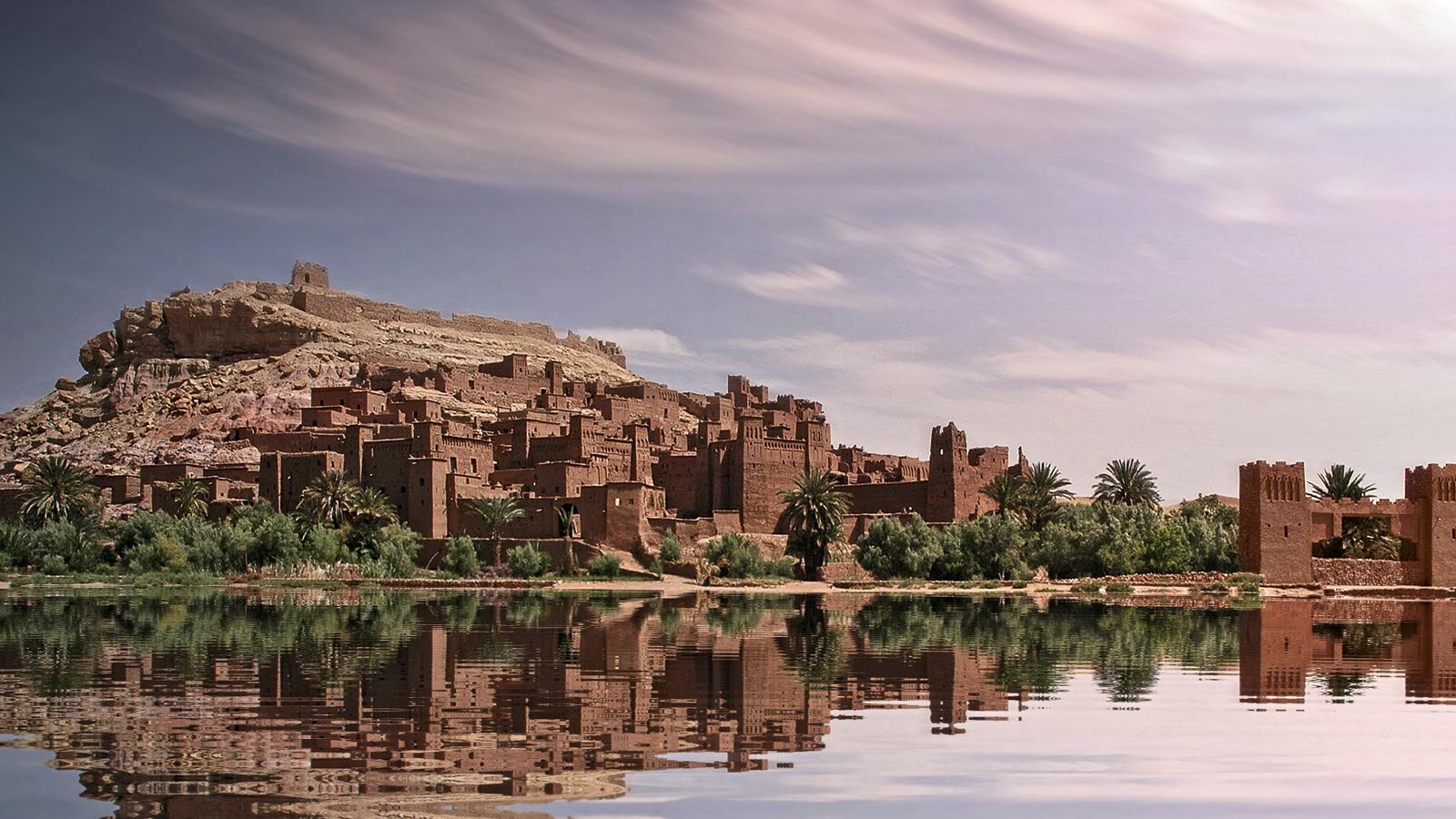
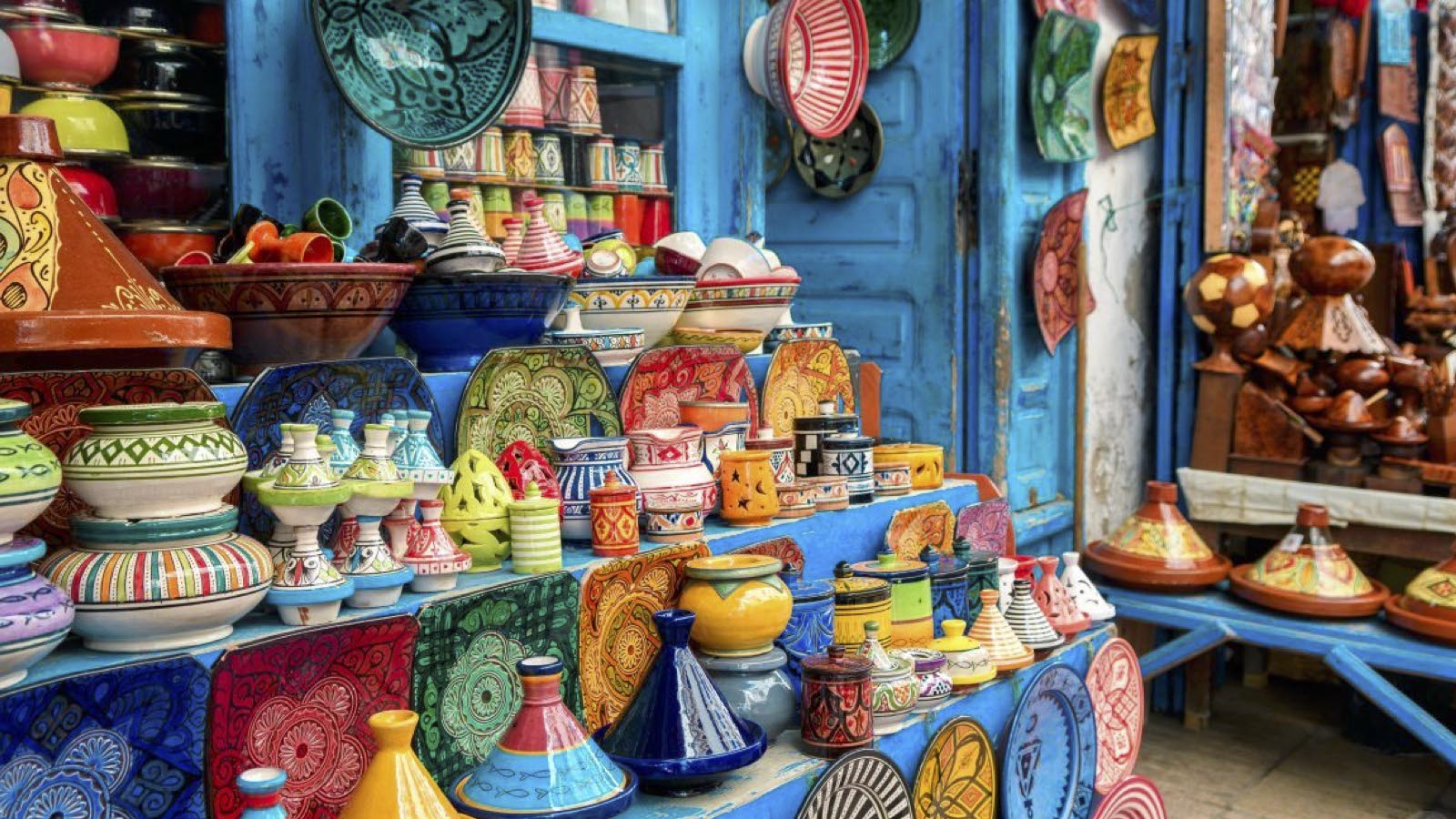
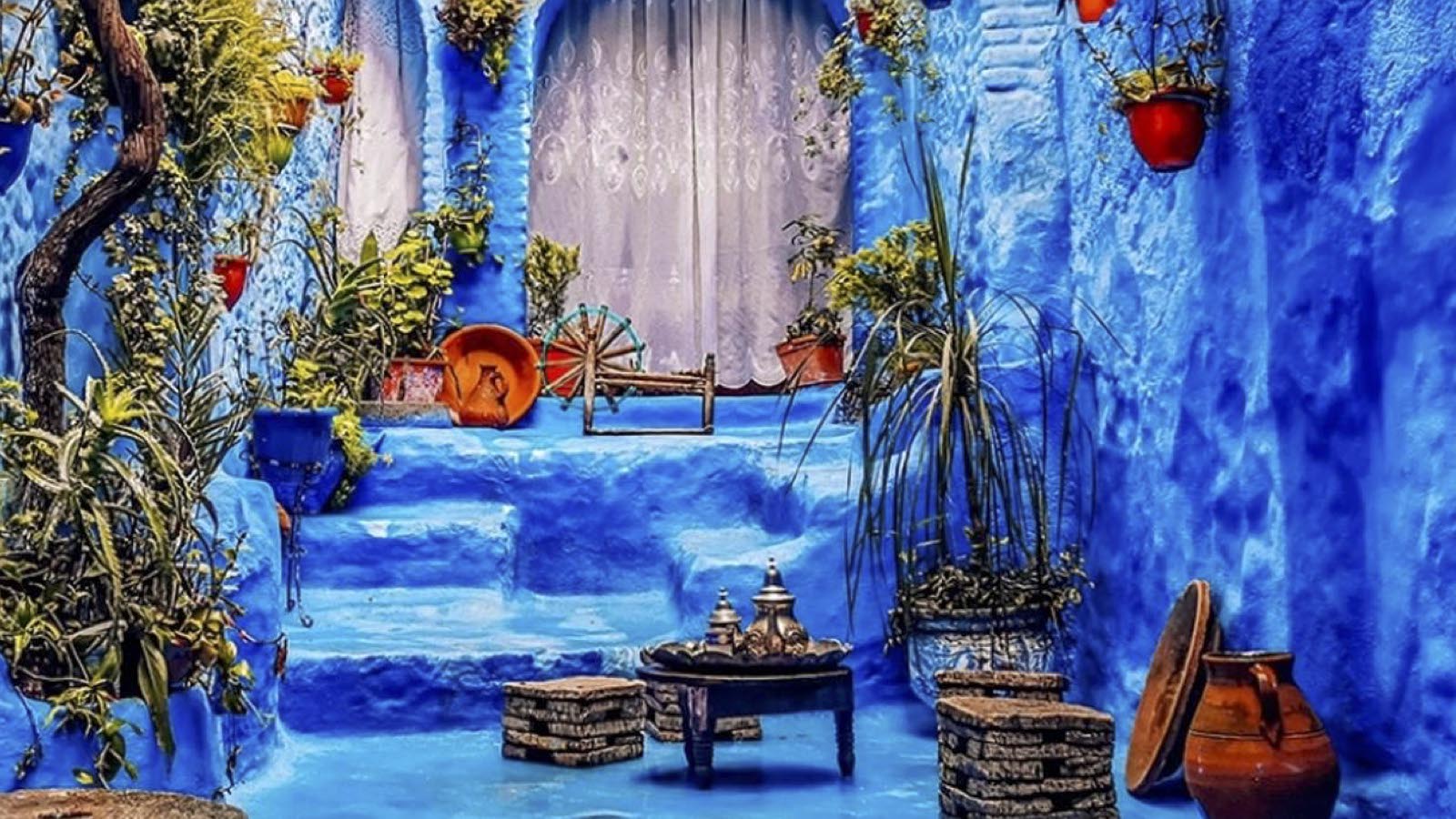
Explore a visual glimpse of Morocco through images that capture its cities, landscapes and cultural richness.
Discover the scenes that define this vibrant and diverse destination.