Nicaragua
Home All Destinations Nicaragua

Nicaragua is a Central American destination defined by its volcanic landscapes, colonial heritage and authentic atmosphere. Less developed than some of its neighbours, it offers a travel experience centred on discovery, character and natural beauty.
Travellers can explore historic cities, lakes and active volcanoes, as well as quieter coastal regions. Nicaragua’s blend of culture, scenery and simplicity creates a journey that feels both engaging and distinctive.
Nicaragua offers a variety of destinations combining colonial cities, volcanic landscapes and tropical coastline within one of Central America’s most authentic and naturally immersive countries. Different regions provide varied travel atmospheres ranging from colourful urban heritage and surf towns to eco-retreats and lakeside environments.
The destination is especially well suited to travellers seeking scenic exploration, outdoor adventure and slower travel rhythms connected closely to nature and local culture.
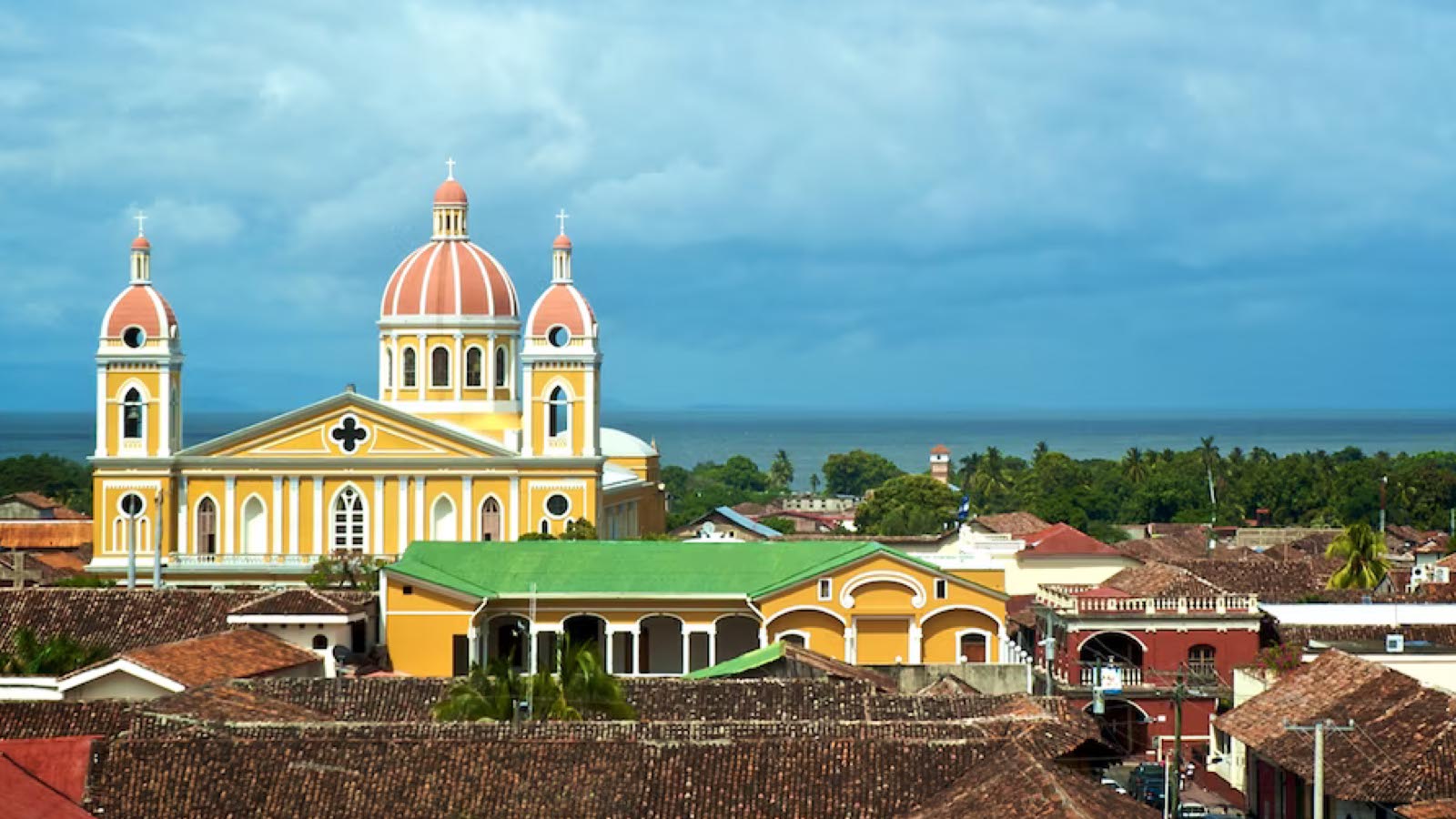
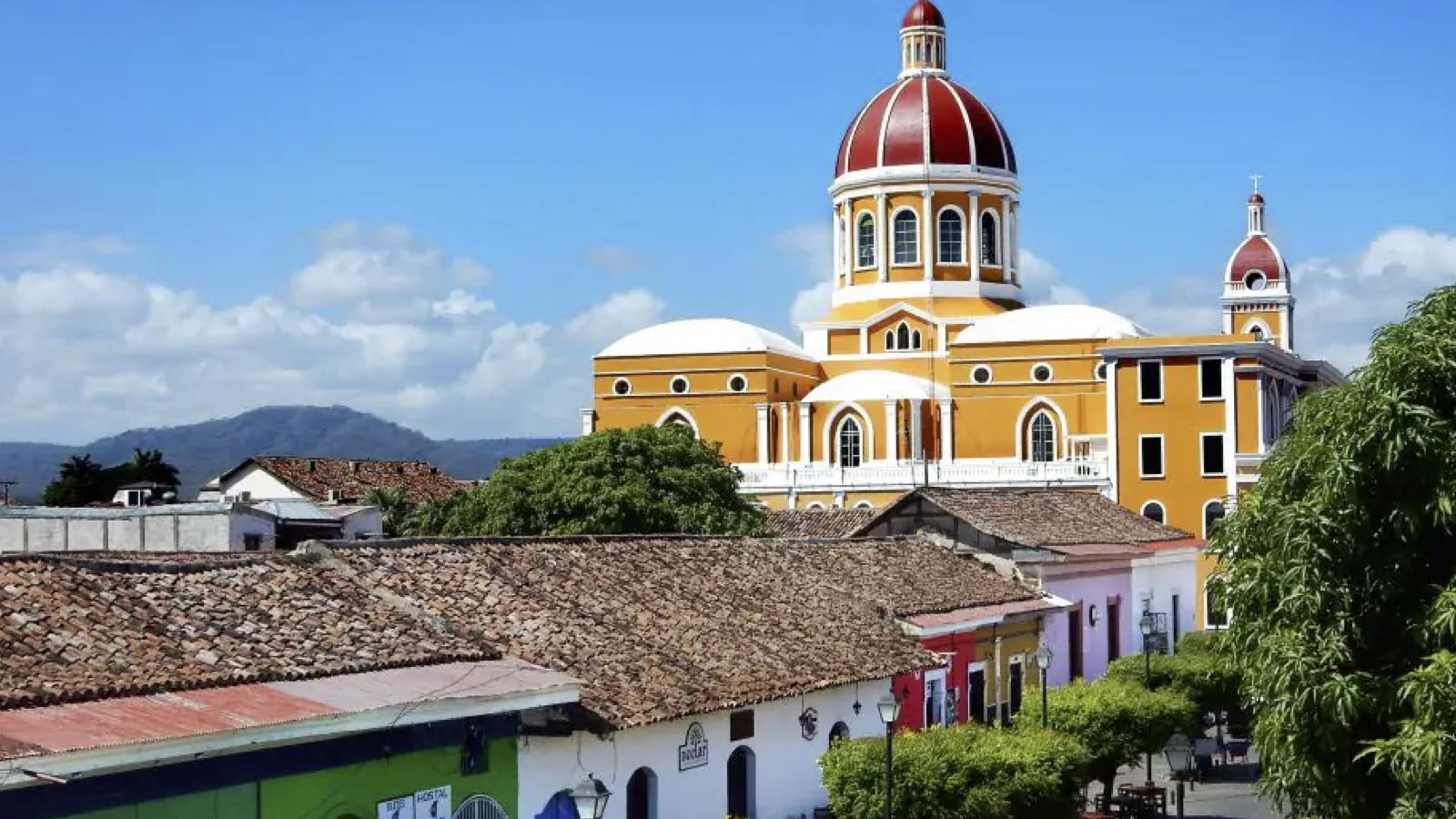
Granada is Nicaragua’s best-known colonial destination, combining colourful streets, lakeside atmosphere and relaxed cultural rhythm within one of Central America’s most charming historic cities.
Accommodation ranges from boutique colonial hotels and heritage-style guesthouses to elegant courtyard properties integrated into the city’s historic architecture.
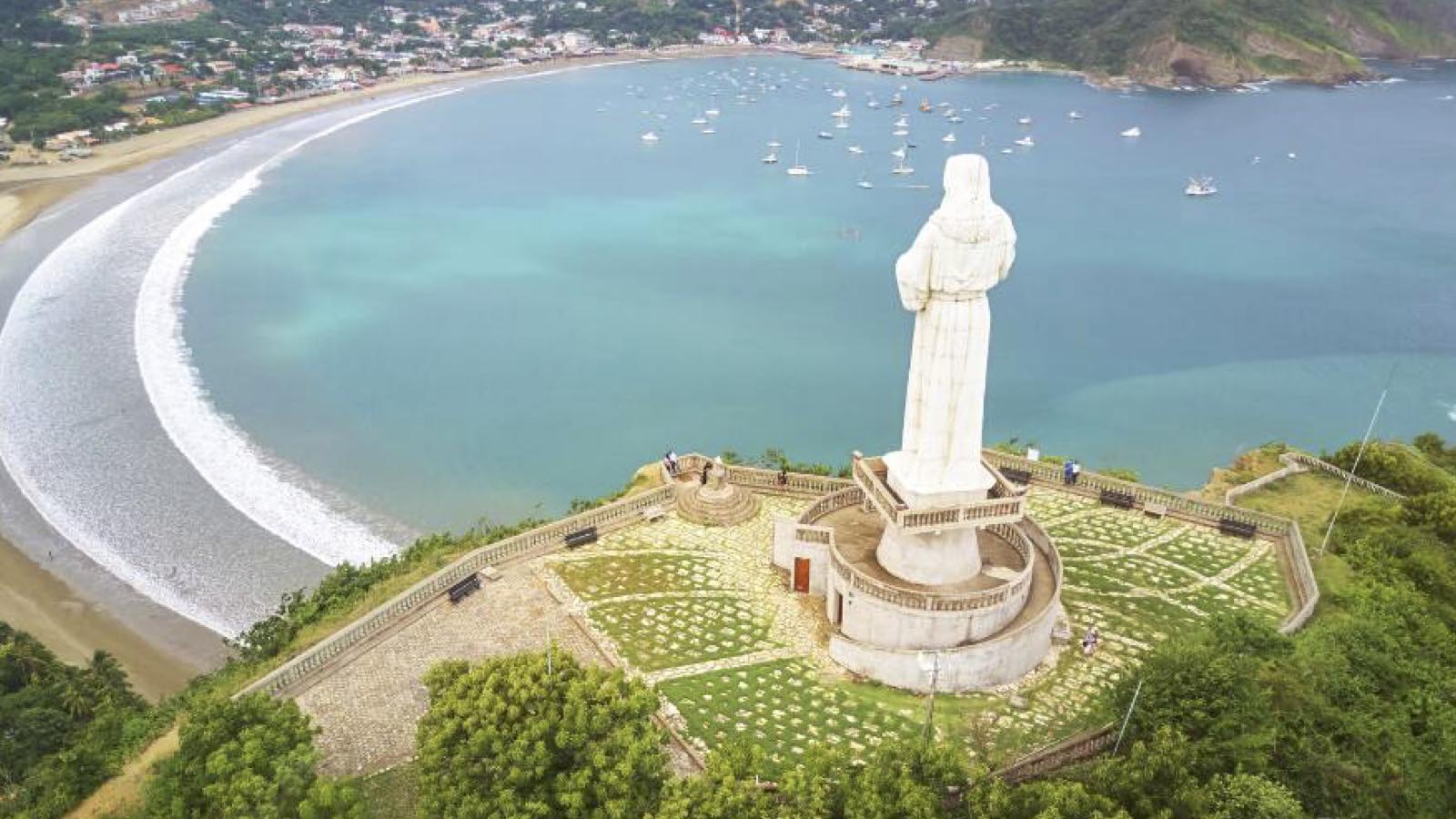
San Juan del Sur combines surf culture, beaches and relaxed tropical atmosphere within one of Nicaragua’s most popular coastal destinations.
Accommodation includes beachfront hotels, boutique surf lodges and hillside retreats designed around outdoor living and ocean views.
Ometepe offers one of Nicaragua’s most immersive nature-focused travel environments through volcanic scenery, lakeside landscapes and slower rural rhythm.
Accommodation often focuses on eco-lodges, boutique countryside stays and nature-integrated retreats connected closely to the surrounding landscape.
León combines colonial atmosphere, artistic identity and proximity to volcanic landscapes within one of the country’s most culturally vibrant urban environments.
Accommodation includes boutique heritage stays, locally inspired guesthouses and smaller lifestyle-oriented properties integrated into the city’s historic districts.
Nicaragua has developed a growing eco-tourism hospitality sector centred on sustainability, nature immersion and environmentally connected travel experiences.
These stays frequently emphasise simplicity, outdoor living and emotional connection with forests, lakes and tropical landscapes.
The Pacific coastline offers a range of relaxed beachfront accommodation environments shaped by surf culture, sunsets and slower tropical rhythm.
Accommodation ranges from boutique beach lodges and eco-resorts to smaller locally inspired coastal retreats.
The country naturally supports wellness-oriented travel through lakeside environments, tropical scenery and calm hospitality atmospheres focused on relaxation and simplicity.
These stays appeal especially to travellers seeking emotional restoration and immersive nature-focused travel experiences.
Nicaragua is best experienced through itineraries that combine colonial cities, volcanoes and coastal regions in order to reveal the country’s environmental and cultural diversity.
This structure creates journeys that feel adventurous, immersive and emotionally rich while maintaining continuity through Nicaraguan hospitality and natural beauty.
The best time to visit Nicaragua is between November and April, during the dry season, when conditions are more favourable for travel and outdoor activities.
Nicaragua has a tropical climate with dry and wet seasons.
Festivals reflect the country’s cultural traditions.
The official currency is the Nicaraguan Córdoba (NIO).
Dining reflects local flavours and regional cuisine.
Nicaragua offers a travel experience shaped by volcanoes, lakes and authentic Central American atmosphere within one of the region’s most naturally immersive destinations. Travellers can explore colonial cities, tropical coastlines and volcanic landscapes while experiencing journeys that feel adventurous, scenic and emotionally grounded.
The country rewards experiential travel where nature, local rhythm and outdoor exploration become central parts of the journey.
Granada combines colourful colonial architecture, lakeside atmosphere and relaxed local rhythm within one of Central America’s most charming historic cities.
Exploring the city often feels immersive because culture, daily life and historic atmosphere remain closely interconnected.
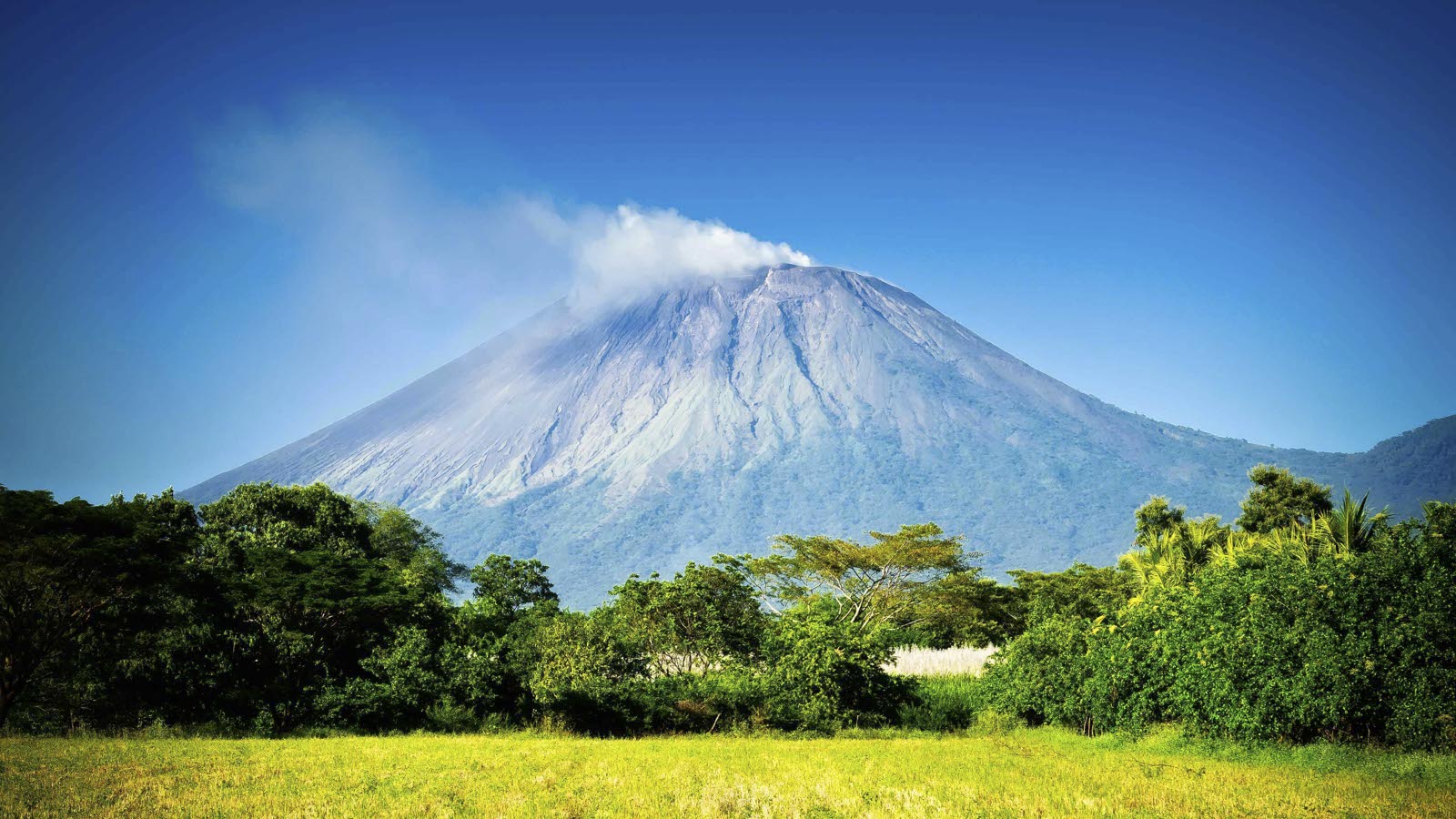
Nicaragua’s volcanic regions provide some of the country’s most visually striking travel experiences through crater lakes, elevated viewpoints and dramatic natural scenery.
Nature exploration here often feels adventurous and emotionally memorable because volcanic landscapes remain highly accessible throughout many regions.
Ometepe combines volcanic landscapes, lakeside environments and slower rural atmosphere within one of Nicaragua’s most distinctive travel destinations.
The island often feels peaceful and deeply immersive because nature and local life remain closely connected.
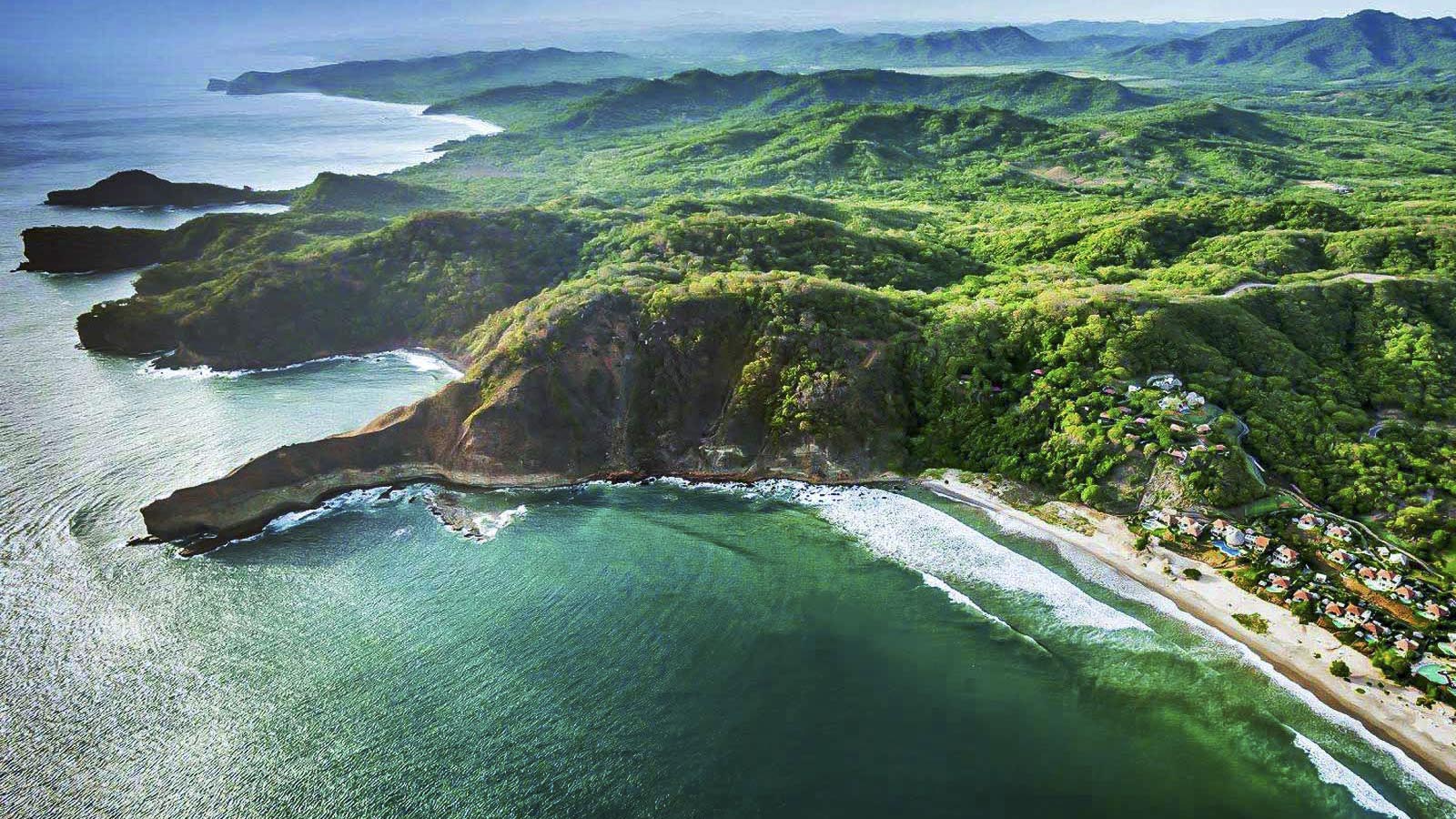
The Pacific coastline offers surf beaches, tropical sunsets and relaxed outdoor lifestyle within scenic coastal environments that appeal particularly to adventurous and lifestyle-focused travellers.
Beach travel here generally feels informal, authentic and strongly connected to local atmosphere.
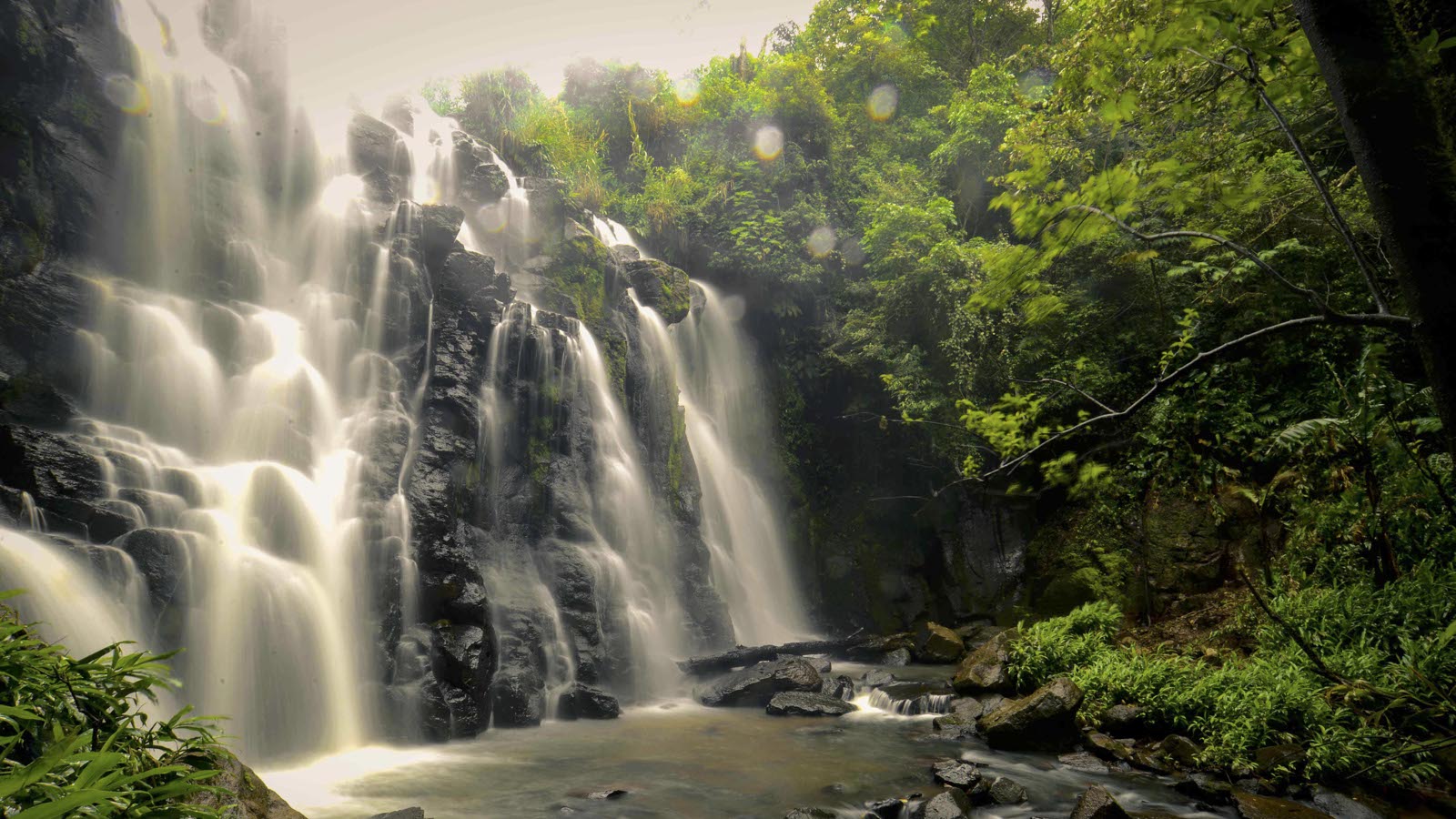
Nicaragua offers forests, lagoons and protected natural areas that reveal the country’s environmental diversity beyond its best-known volcanoes and beaches.
Nature travel here frequently feels calm and restorative because many regions remain relatively untouched and less densely visited.
The country’s welcoming atmosphere and slower social rhythm contribute strongly to the emotional experience of travelling through Nicaragua.
Cultural interaction here often feels genuine and approachable because tourism remains more organically integrated into daily life.
Eco-focused hospitality and nature-oriented stays form an important part of the Nicaragua travel experience, particularly around lakes, forests and quieter coastal regions.
Relaxation travel here is strongly associated with simplicity, scenery and emotional balance rather than large-scale resort tourism.
Nicaragua is especially rewarding for travellers seeking a combination of volcanoes, colonial culture and tropical landscapes within one highly diverse destination. Different regions provide meaningful variation while maintaining continuity through authenticity and environmental beauty.
This diversity creates journeys that feel adventurous, immersive and emotionally restorative from beginning to end.
Nicaragua offers a Central American travel experience shaped by volcanoes, colonial cities and dramatic natural landscapes within a destination where authenticity, outdoor adventure and slower travel rhythm remain central to the journey. The country balances scenic exploration, cultural atmosphere and relaxed local lifestyle in a way that creates travel experiences that feel immersive, adventurous and emotionally grounded.
Travellers can move between lakes, surf beaches, volcanic islands and colourful colonial towns while continuously experiencing strong connection with nature and local identity. Nicaragua is particularly rewarding for travellers seeking authentic exploration, environmental diversity and less commercialised tropical travel.
Nicaragua is internationally recognised for its volcanoes, lakes and lush landscapes that create some of Central America’s most visually dramatic and environmentally diverse travel environments.
Scenic travel here often feels highly immersive because nature remains constantly present throughout many regions of the country.
The country naturally supports adventure-oriented travel through volcano exploration, surfing, hiking and overland journeys shaped by changing landscapes and outdoor lifestyle.
Adventure travel here generally feels authentic and connected closely to local atmosphere rather than highly commercialised tourism infrastructure.
Nicaragua appeals strongly to travellers seeking culturally immersive experiences shaped by local communities, slower rhythms and genuine interaction with place.
Travelling here often feels emotionally engaging because tourism remains more understated and naturally integrated into everyday life.
The country’s Pacific coastline offers beaches, surf culture and relaxed tropical atmosphere within environments that balance nature and local character.
Coastal travel here often feels informal and adventurous while still providing opportunities for relaxation and scenic immersion.
Nicaragua’s colonial cities provide colourful architecture, plazas and historical atmosphere that reveal the country’s cultural identity and regional history.
Cultural travel here frequently feels warm and approachable because local life remains closely connected to public spaces and community rhythm.
The country naturally supports slower and wellness-oriented travel styles through lakeside environments, eco-lodges and relaxed tropical rhythm.
Travellers frequently experience a strong sense of simplicity, calm and emotional disconnection from routine throughout the journey.
Nicaragua offers a growing eco-tourism sector centred on nature immersion, conservation and environmentally connected hospitality experiences.
Eco-travel here often feels authentic because many stays and activities remain closely integrated into the surrounding landscapes and communities.
Nicaragua is particularly rewarding for travellers willing to combine colonial cities, volcanoes and coastal regions within one itinerary. Granada, Ometepe and San Juan del Sur all provide distinct atmospheres while maintaining continuity through landscape and local culture.
This diversity creates journeys that feel adventurous, immersive and emotionally memorable throughout the travel experience.
The best time to visit Nicaragua is generally during the dry season, when weather conditions are more comfortable for exploring cities, volcanoes and coastal regions.
The country’s tropical climate allows for travel throughout much of the year, although conditions can vary between the Pacific coast, inland regions and the Caribbean side.
Visa requirements for Nicaragua depend on your nationality and the duration of your stay. Many travellers from selected countries can enter for short tourist visits without obtaining a visa in advance.
As immigration regulations may change over time, travellers should always verify the latest entry requirements through official government or consular sources before departure.
Nicaragua is generally considered safe for tourism within established travel regions, although travellers are advised to follow local guidance and standard precautions throughout their journey.
As with many destinations, awareness regarding valuables, transport and personal belongings is particularly important in busy public areas and when travelling independently.
The official currency of Nicaragua is the Nicaraguan Córdoba (NIO).
US Dollars are also commonly accepted in some tourism areas, while cash remains useful in smaller towns and local establishments.
Travelling around Nicaragua is mainly done by road through private transfers, organised tours and regional transport connections between major tourism areas.
Many travellers combine colonial cities, volcano regions and coastal destinations within one itinerary, often through overland travel routes.
A stay of seven to ten days is ideal for most travellers wishing to explore several regions and experience both nature and cultural attractions comfortably.
Longer stays can be especially rewarding for travellers interested in slower exploration, surfing, volcano trekking or combining Nicaragua with neighbouring Central American destinations.
Yes, Nicaragua offers a highly authentic cultural travel experience shaped by colonial heritage, local traditions and less commercialised tourism environments.
The country appeals particularly to travellers seeking a more immersive and characterful style of Central American travel combined with dramatic natural scenery.
Explore a visual glimpse of Nicaragua through images that capture its landscapes, cities and coastline.
Discover the character and natural beauty that define this Central American destination.