Oman
Home All Destinations Oman

Oman is a destination defined by natural beauty, cultural authenticity and a slower pace of travel. From rugged mountains and desert dunes to pristine coastline and historic towns, the country offers a journey shaped by landscapes and tradition.
Centred around its capital, Muscat, Oman presents a more understated and immersive experience compared to its regional neighbours. Travellers can explore forts, markets and villages while discovering a diverse environment that invites both exploration and relaxation.
Oman offers a range of destinations combining Arabian heritage, dramatic landscapes and refined hospitality within one of the Middle East’s most naturally immersive countries. Different regions provide varied travel atmospheres ranging from elegant coastal cities and luxury desert camps to mountain retreats and traditional villages.
The destination is especially well suited to travellers seeking scenic exploration, tranquillity and authentic Arabian travel experiences.
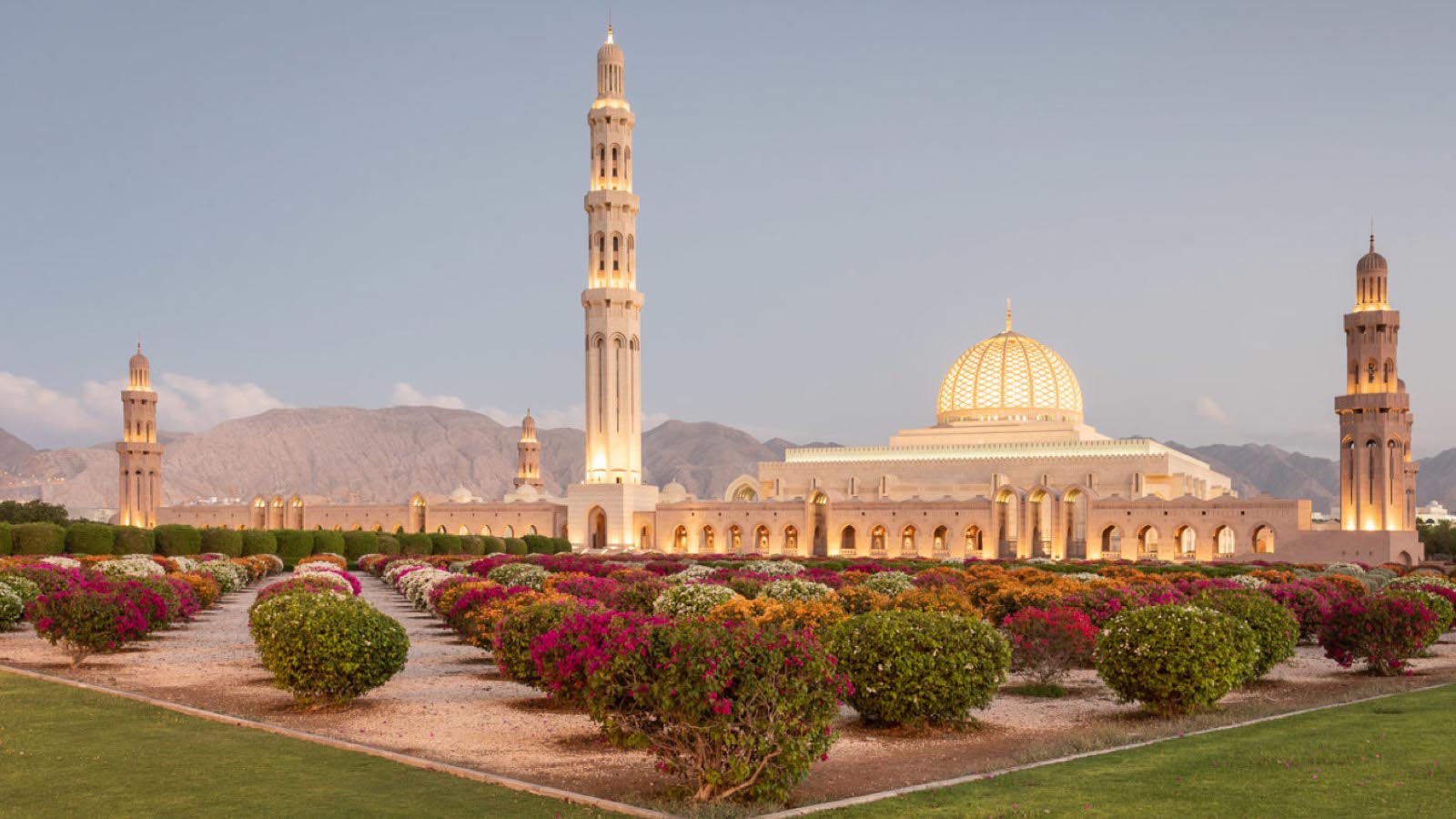
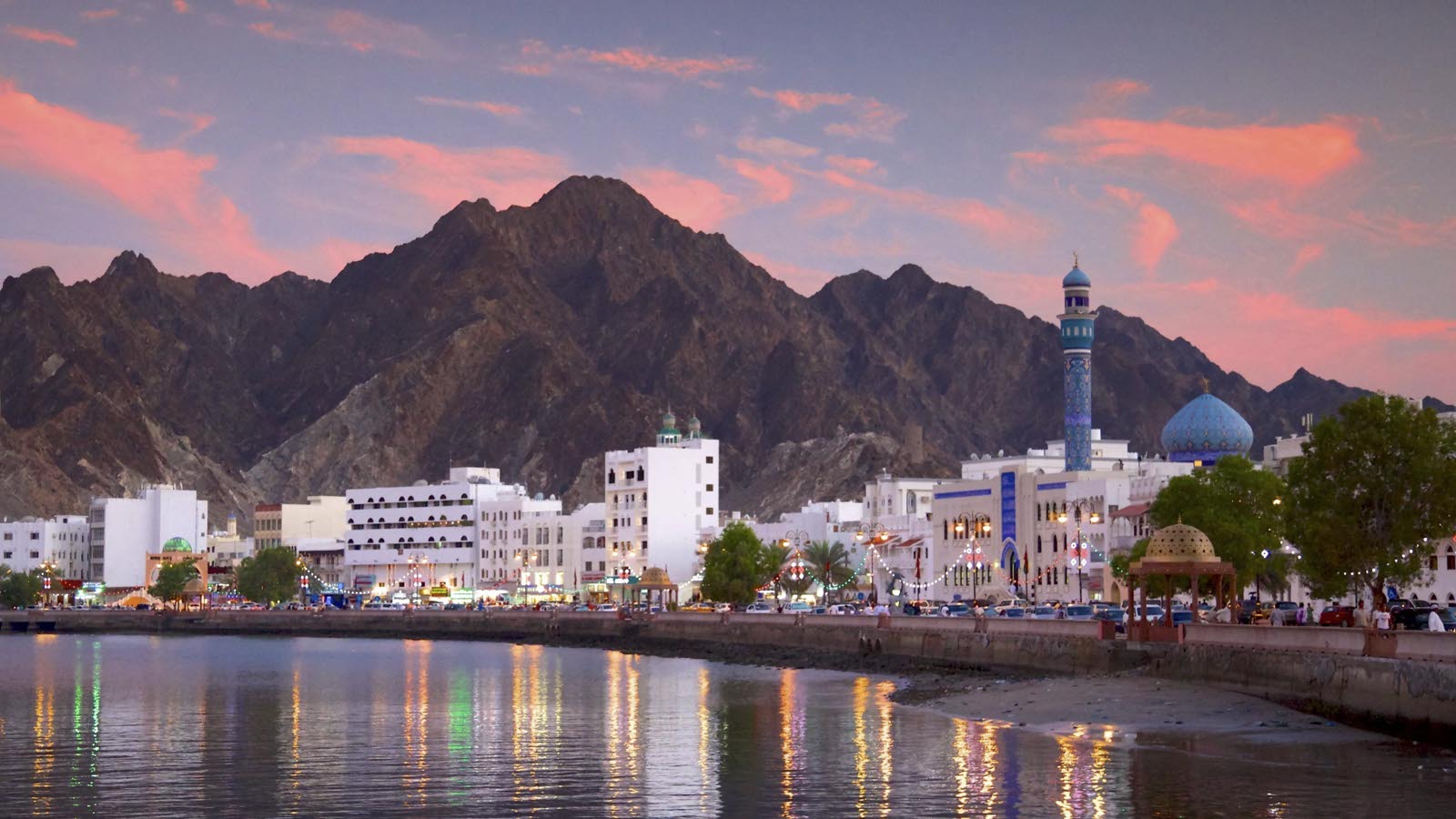
Muscat is Oman’s cultural and hospitality centre, combining coastal scenery, traditional architecture and refined urban atmosphere within a highly accessible setting. The city appeals particularly to travellers seeking a balance between culture, comfort and relaxed exploration.
Accommodation ranges from luxury coastal resorts and boutique city hotels to heritage-inspired properties integrated into the surrounding landscape.
Oman’s desert regions provide some of the country’s most atmospheric accommodation experiences through luxury camps and remote desert lodges surrounded by dunes and open landscapes.
Accommodation here focuses on tranquillity, environmental immersion and emotional connection with the desert rather than large-scale luxury infrastructure.
The mountain regions offer cooler climate, dramatic scenery and elevated landscapes that contrast strongly with Oman’s coastline and desert areas. These regions appeal especially to travellers seeking nature and slower travel rhythms.
Accommodation includes luxury mountain resorts, boutique lodges and nature-focused retreats integrated closely into the surrounding valleys and cliffs.
Salalah provides a greener and more tropical side of Oman through beaches, coastal scenery and seasonal landscapes shaped by the monsoon climate. The region offers a calmer and more nature-focused coastal atmosphere.
Accommodation ranges from beachfront resorts and spa hotels to boutique coastal stays designed around relaxation and scenery.
Historic towns and inland cultural regions reveal another side of Oman through forts, markets and slower rhythms of local life. These destinations are especially attractive for travellers interested in authenticity and cultural immersion.
Accommodation often includes boutique guesthouses, heritage-style properties and smaller hospitality environments connected closely to local identity.
Oman has developed a sophisticated luxury hospitality sector centred on environmental integration, architectural elegance and personalised service. Luxury travel here is generally understated and emotionally immersive rather than highly formal or entertainment-focused.
Many properties integrate traditional Omani aesthetics, panoramic scenery and wellness experiences into the guest experience.
The country naturally supports wellness-oriented travel through calm surroundings, scenic landscapes and slower rhythms of exploration. Many resorts and lodges are designed around relaxation, privacy and emotional balance.
These stays appeal especially to travellers seeking restorative and reflective travel experiences.
Oman is best experienced through itineraries that combine coastline, mountains and desert landscapes in order to reveal the country’s extraordinary environmental diversity. Travellers can move gradually between dramatically different regions while maintaining continuity through hospitality and atmosphere.
This structure creates journeys that feel cinematic, immersive and deeply connected to the natural and cultural identity of Oman.
The best time to visit Oman is between October and April, when temperatures are milder and suitable for outdoor exploration. The summer months are significantly hotter, particularly in inland areas.
Oman has a desert climate, with hot summers and warm winters, though mountain regions offer cooler conditions.
Public holidays are influenced by the Islamic calendar and local traditions.
The local currency is the Omani Rial (OMR). Cards are accepted in most hotels and major areas.
Omani cuisine reflects regional influences, with a focus on traditional dishes and hospitality.
Oman offers a travel experience shaped by desert landscapes, Arabian heritage and dramatic natural scenery. Travellers can explore mountains, wadis and historic towns while experiencing one of the Middle East’s most authentic and visually immersive destinations.
The country rewards slower and experiential travel where atmosphere, landscape and local hospitality become central parts of the journey.
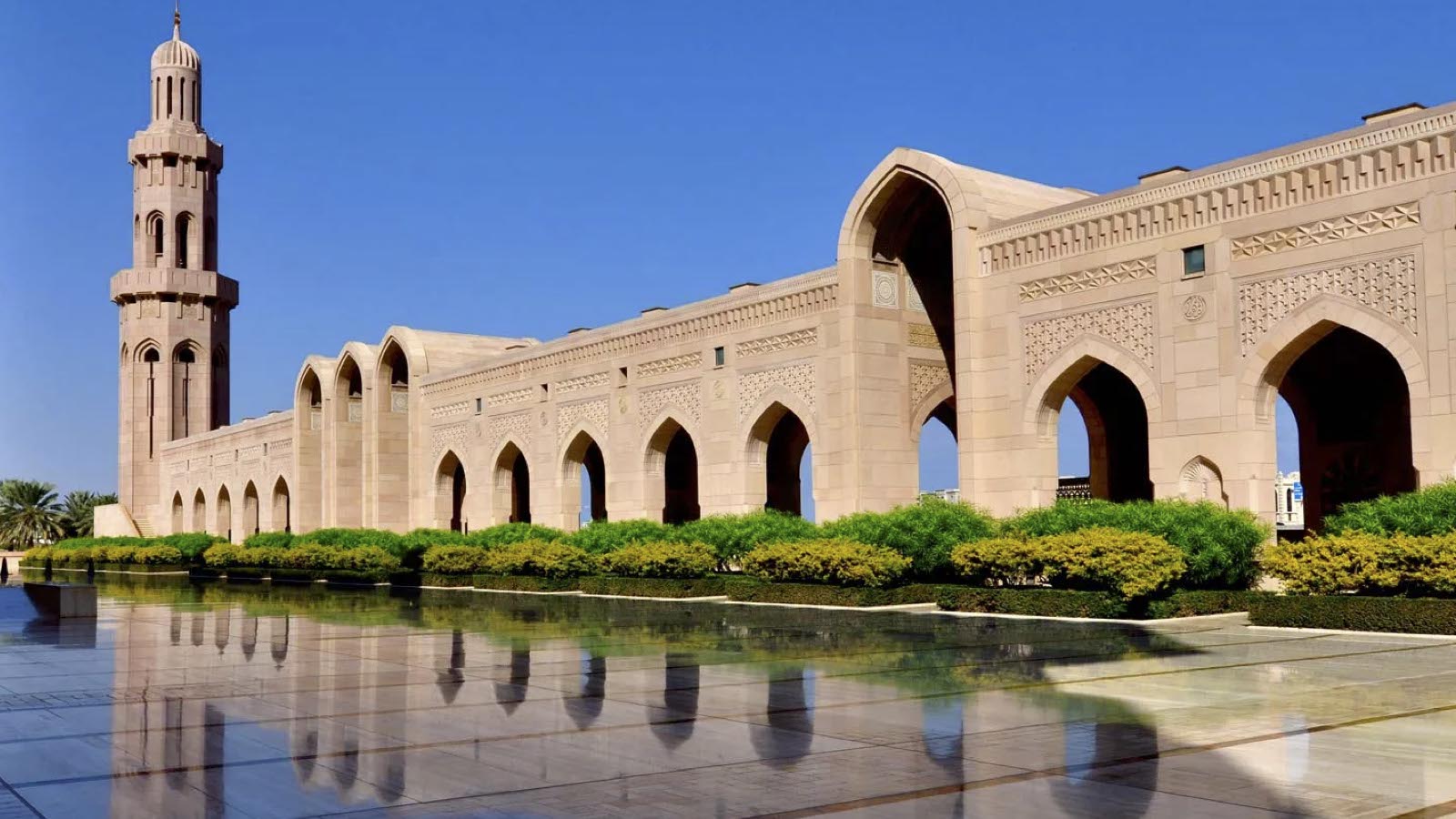
Muscat combines traditional architecture, coastal scenery and refined urban atmosphere within one of the Gulf region’s most elegant capitals. Travellers can experience souqs, mosques and waterfront areas while enjoying the city’s calm and understated rhythm.
The capital often feels highly authentic because modern development remains closely balanced with cultural identity and local tradition.
Oman’s desert regions provide some of the country’s most memorable travel experiences through vast dunes, silence and open landscapes that create a powerful sense of space and tranquillity.
Desert journeys frequently feel reflective and cinematic because of the dramatic scenery and slower rhythm of exploration.
The country’s wadis and mountain landscapes reveal another side of Oman through canyons, natural pools and elevated viewpoints surrounded by dramatic scenery. Scenic exploration often becomes a defining part of travelling through the country.
Nature travel here generally feels immersive and restorative because the landscapes remain remarkably preserved and accessible.
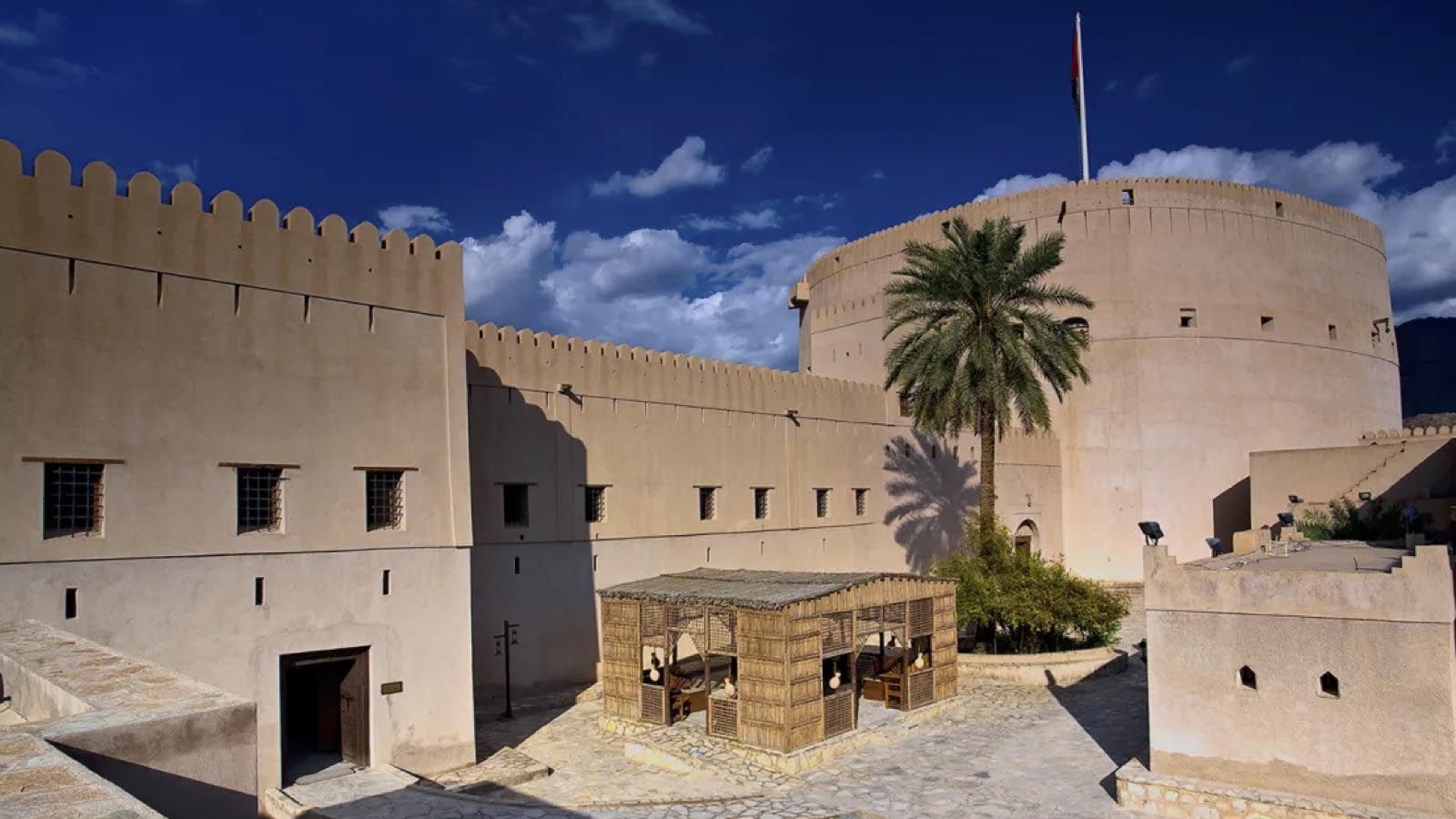
Historic forts, mountain villages and traditional architecture provide insight into Oman’s long cultural history and regional identity. Travellers frequently encounter heritage environments that feel authentic and naturally integrated into everyday life.
Cultural exploration here is often calm and reflective rather than highly commercialised or crowded.
Luxury hospitality is one of Oman’s defining strengths, particularly through desert retreats, coastal resorts and mountain lodges designed around privacy and environmental immersion.
Relaxation travel here is strongly associated with silence, scenery and emotional balance rather than entertainment-focused tourism.
Cuisine forms an important part of travelling through Oman, with Arabian flavours and local hospitality deeply connected to cultural identity. Dining experiences often feel warm and understated, complementing the country’s calm atmosphere.
Food travel here generally reflects simplicity, tradition and strong social hospitality.
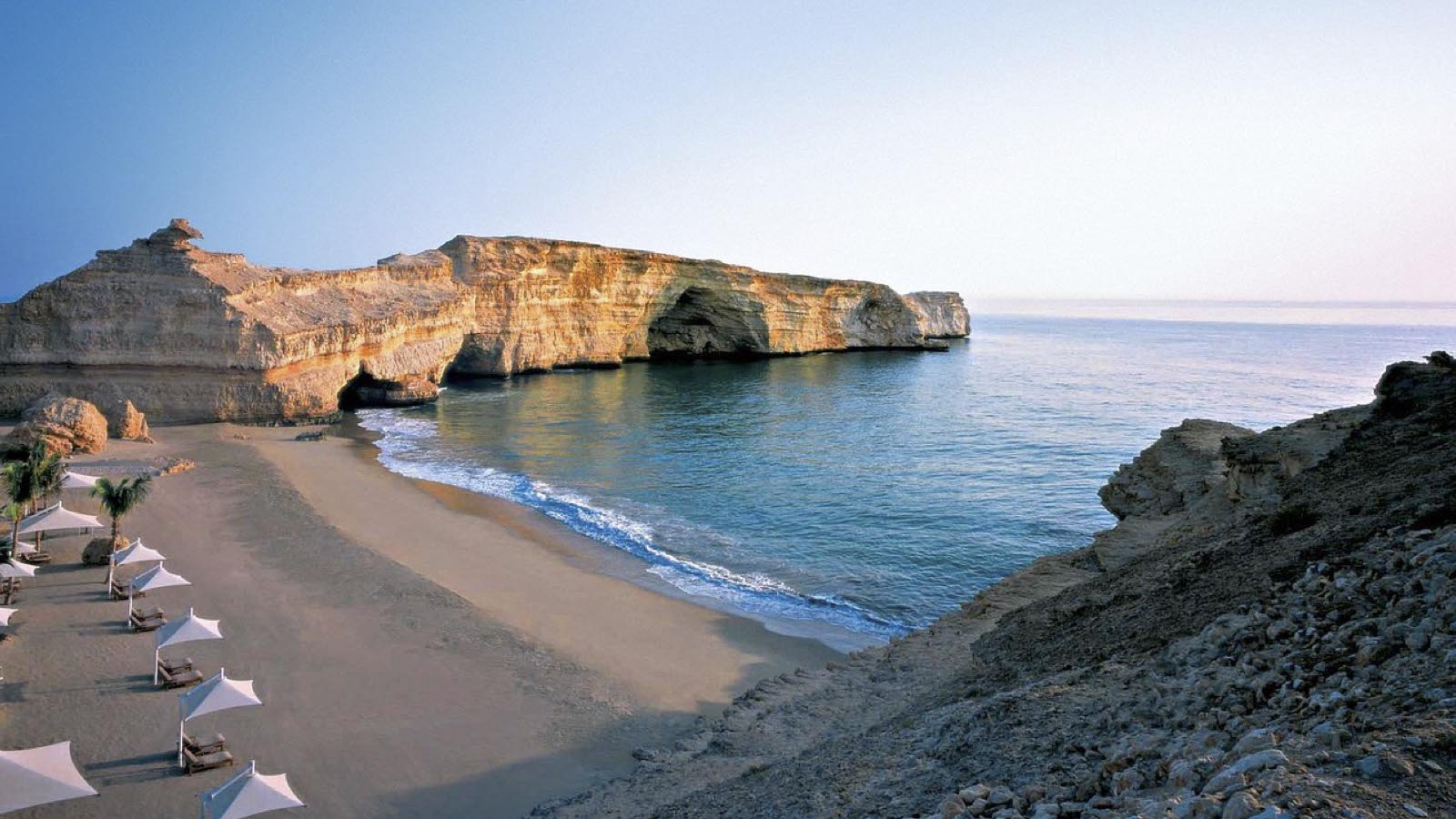
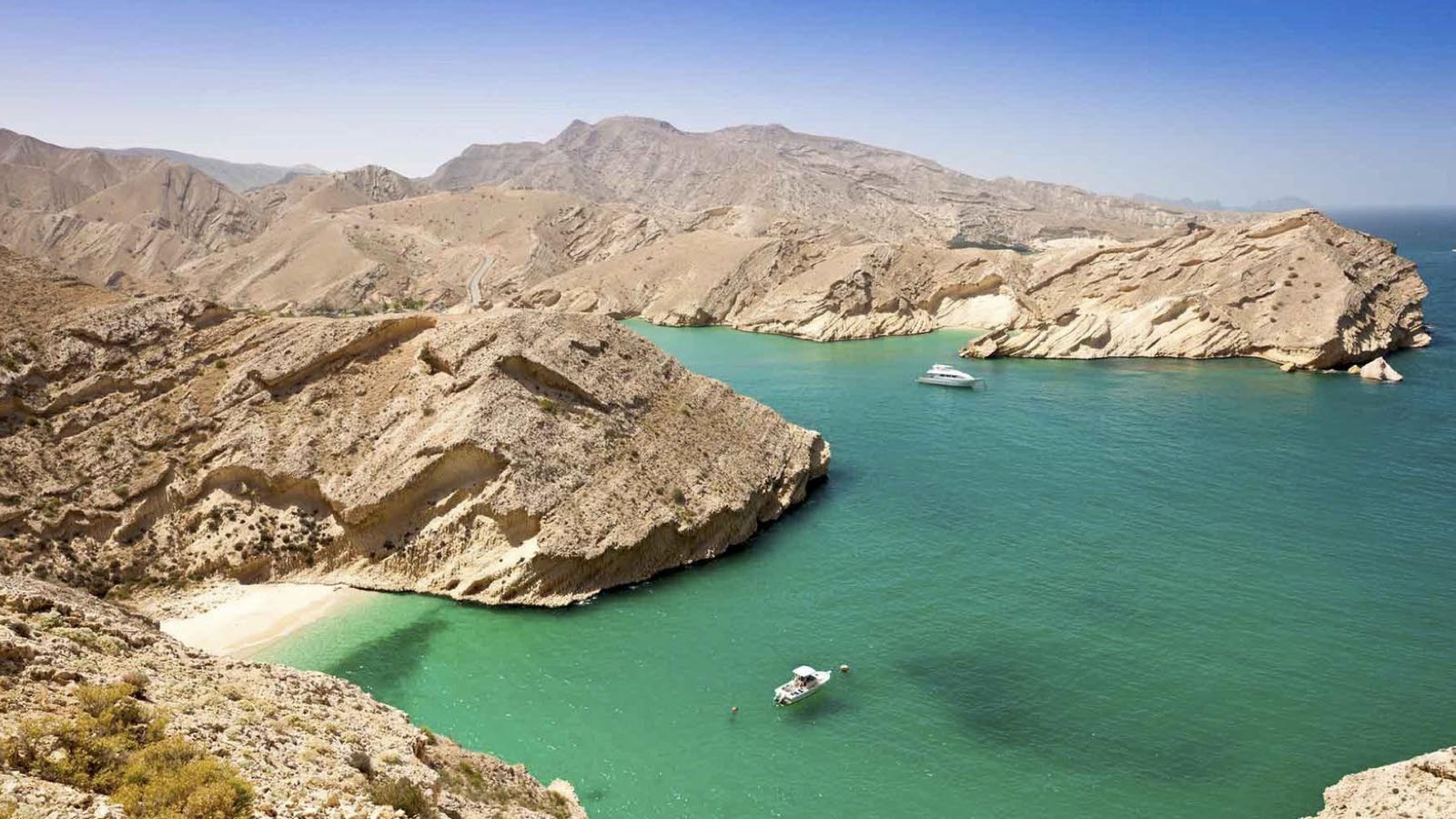
Oman’s coastline combines beaches, cliffs and fishing communities within highly scenic Arabian Sea environments. Coastal travel here feels quieter and more nature-focused compared with many neighbouring destinations.
Seaside experiences often become emotionally restorative because of the calm atmosphere and visual contrast between mountains and sea.
Oman is especially rewarding for travellers seeking a combination of desert landscapes, cultural authenticity and refined hospitality within one accessible destination. Different regions provide varied scenery and atmospheres while maintaining strong continuity through Omani identity.
This diversity creates journeys that feel immersive, cinematic and deeply restorative throughout the travel experience.
Oman offers one of the Middle East’s most refined and naturally immersive travel experiences, combining desert landscapes, dramatic mountains and Arabian heritage within a destination defined by authenticity and understated elegance. The country balances tradition, hospitality and scenic diversity in a way that creates journeys that feel calm, cinematic and deeply atmospheric.
Travellers can move between ancient forts, coastal towns, desert dunes and mountain valleys while continuously experiencing strong cultural identity and connection with nature. Oman is particularly rewarding for travellers seeking authenticity, scenic exploration and slower travel shaped by atmosphere and landscape rather than large-scale urban tourism.
Oman is internationally recognised for its extraordinary environmental diversity through deserts, mountains, wadis and Arabian coastline that create some of the region’s most visually dramatic landscapes. Scenic travel often becomes one of the defining aspects of the journey itself.
Travellers seeking environmental immersion frequently find Oman especially rewarding because the country’s natural beauty feels both expansive and remarkably preserved.
Oman retains a strong sense of authenticity and traditional identity visible through architecture, souqs, forts and local hospitality. Cultural travel here often feels genuine and emotionally engaging because heritage remains deeply integrated into daily life.
The country encourages immersive exploration rather than highly commercialised tourism experiences.
The desert landscapes of Oman provide some of the Arabian Peninsula’s most memorable travel experiences through dunes, remote camps and open scenery that create a strong sense of space and reflection.
Adventure travel here often feels elegant and atmospheric because it combines exploration with tranquillity and cultural depth.
Oman offers a sophisticated luxury hospitality sector centred on desert resorts, coastal retreats and mountain lodges designed around privacy, scenery and local architectural identity. Luxury travel here often focuses on tranquillity, refinement and emotional immersion rather than excessive formality.
Many properties integrate traditional design, open landscapes and wellness elements into the guest experience.
The country naturally supports slower and wellness-oriented travel styles through its calm atmosphere, scenic landscapes and refined hospitality. Wellness travel here is often shaped by silence, space and connection with nature rather than highly structured retreat concepts.
Travellers frequently experience a strong sense of emotional balance and restoration throughout the journey.
Oman’s coastline combines beaches, cliffs and traditional fishing communities within a more understated and nature-focused coastal environment than many neighbouring Gulf destinations. Coastal travel here generally feels calm and authentic.
Marine and seaside experiences are closely connected to local atmosphere and natural scenery rather than large-scale resort development.
The country’s mountain regions and scenic roads support highly rewarding overland journeys through valleys, villages and elevated landscapes. Travelling between regions often becomes one of the most memorable aspects of the overall experience.
These journeys create strong contrast between desert, coastline and mountain scenery while maintaining continuity through Omani hospitality and atmosphere.
Oman is particularly rewarding for travellers seeking a balance between culture, landscapes and refined hospitality within one highly accessible destination. Different regions provide distinct rhythms and environments while maintaining strong authenticity throughout the country.
This diversity creates journeys that feel cinematic, restorative and deeply immersive from beginning to end.
The best time to visit Oman is generally between October and April, when temperatures are milder and more comfortable for sightseeing, desert exploration and outdoor activities.
During the summer months, inland temperatures can become extremely high, although some coastal and southern regions experience different climate patterns.
Visa requirements for Oman depend on nationality and the duration of your stay. Many travellers can apply for an electronic visa online before travel.
As immigration regulations may change over time, travellers should always verify the latest entry requirements through official Omani government or consular sources before departure.
Oman is widely considered one of the safest and most stable destinations in the Middle East, with a strong reputation for hospitality and respectful tourism.
Travellers should still follow normal precautions regarding personal belongings and local customs, particularly in cultural and religious areas.
The official currency of Oman is the Omani Rial (OMR).
Credit and debit cards are widely accepted in hotels, shopping centres and major tourism establishments, although carrying some cash remains useful in smaller towns and remote areas.
Travelling around Oman is relatively straightforward thanks to its modern road infrastructure and well-maintained highways connecting major regions.
Many travellers explore the country through private touring or self-drive itineraries, allowing flexibility to experience deserts, mountains, wadis and coastal landscapes.
A stay of seven to ten days is ideal for most travellers wishing to experience Oman’s cultural highlights and diverse natural landscapes comfortably.
Longer stays can be especially rewarding for travellers interested in slower-paced exploration, adventure activities or combining several regional routes within the country.
Yes, Oman is considered one of the best destinations in the region for self-drive travel thanks to its excellent roads, scenic routes and relatively relaxed driving environment.
Self-drive itineraries allow travellers to experience mountain landscapes, desert scenery and remote coastal areas at their own pace, creating highly flexible and immersive journeys.
Explore a visual glimpse of Oman through images that capture its landscapes, desert and coastal scenery.
Discover the scenes that define this authentic and scenic destination.