Philippines
Home All Destinations Philippines

The Philippines is an island nation defined by its crystal-clear waters, white sand beaches and lush tropical landscapes. Made up of over 7,000 islands, it offers a travel experience centred on natural beauty and a sense of escape.
Travellers can explore remote islands, dramatic limestone formations and vibrant marine environments, often with fewer crowds than other Southeast Asian destinations. The country’s relaxed pace and warm hospitality create a journey that feels both immersive and refreshing.
The Philippines offers an extraordinary variety of tropical destinations combining beaches, island landscapes and marine environments across one of Southeast Asia’s most visually immersive archipelagos. Different islands provide varied travel atmospheres ranging from luxury beachfront resorts and lively island hubs to secluded eco-retreats and quieter coastal communities.
The destination is especially well suited to multi-island itineraries where travellers can balance relaxation, adventure and nature-focused exploration.
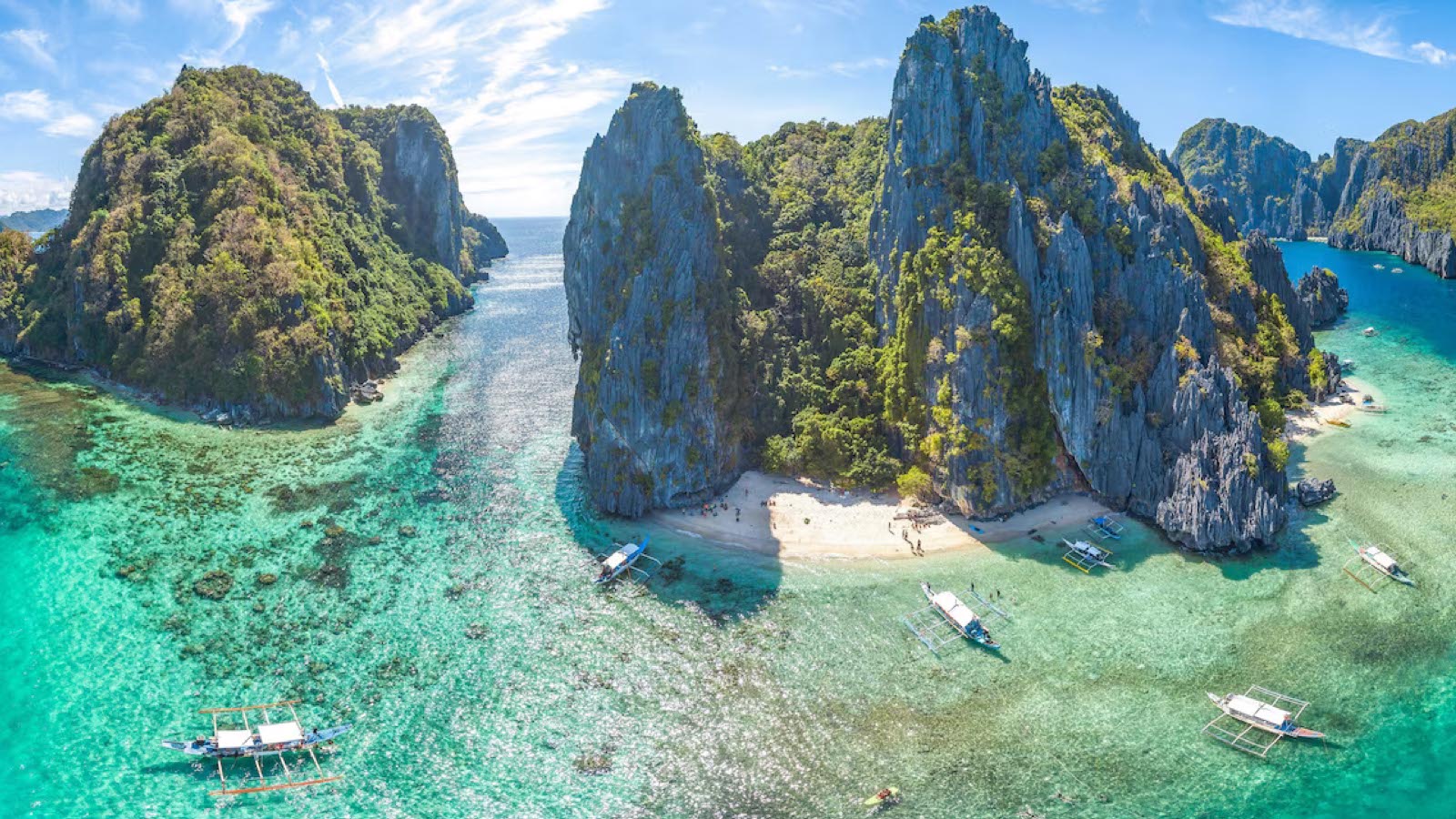
Palawan is one of the Philippines’ most iconic destinations, known for limestone cliffs, turquoise lagoons and highly immersive natural scenery. The region appeals particularly to travellers seeking scenic beauty and island exploration.
Accommodation ranges from luxury island resorts and boutique beachfront stays to eco-lodges integrated closely into tropical surroundings.
Boracay combines white sand beaches, lively atmosphere and accessible resort infrastructure within one of the country’s best-known beach destinations. The island appeals particularly to travellers seeking classic tropical relaxation balanced with social atmosphere.
Accommodation includes beachfront resorts, boutique hotels and villa-style properties designed around outdoor living and easy beach access.
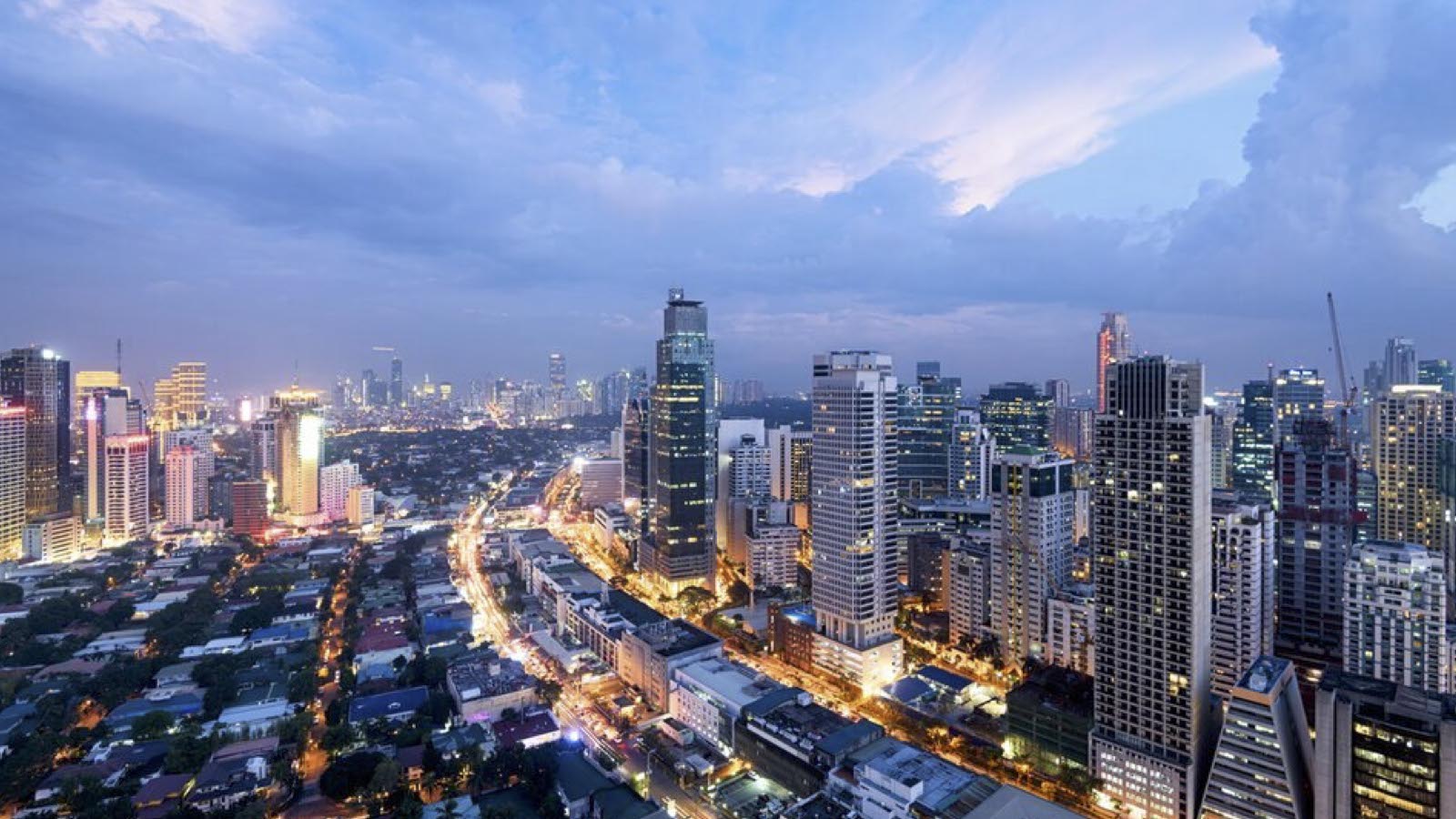
Cebu offers a broader travel experience through beaches, island excursions and urban environments that create a balanced gateway for exploring the central Philippines.
Accommodation ranges from luxury coastal resorts and wellness retreats to modern city hotels connected closely to island-hopping and marine experiences.
Siargao provides a more relaxed and nature-focused island atmosphere through beaches, lagoons and slower travel rhythm that appeal especially to travellers seeking authenticity and tropical immersion.
Accommodation often focuses on boutique island stays, eco-retreats and smaller beachfront properties integrated into the surrounding landscape.
The Philippines has developed a growing luxury hospitality sector centred on beachfront resorts, private islands and nature-integrated accommodation experiences. Luxury travel here is generally relaxed and emotionally immersive rather than highly formal.
Many properties integrate open-air architecture, spa experiences and marine scenery into the guest experience.
The country also offers eco-focused accommodation environments designed around sustainability, tropical landscapes and slower travel rhythms. These stays appeal especially to travellers seeking authenticity and environmental connection.
Accommodation frequently emphasises simplicity, outdoor spaces and integration with the surrounding marine and jungle environments.
Beachfront villas and boutique coastal properties are especially popular throughout the Philippines, creating highly personal and immersive tropical travel experiences.
These stays appeal strongly to couples and travellers seeking privacy, tranquillity and emotional connection with the sea.
The Philippines is best experienced through itineraries that combine several islands in order to reveal the country’s extraordinary diversity in scenery and atmosphere. Travellers can move gradually between lively beach hubs, remote tropical environments and marine-focused destinations.
This structure creates journeys that feel adventurous, immersive and emotionally restorative while maintaining continuity through island hospitality and natural beauty.
The best time to visit the Philippines is between November and May, during the dry season, when conditions are ideal for island travel and outdoor activities. The rainy season can bring more variable weather.
The Philippines has a tropical climate, with distinct dry and wet seasons.
The country celebrates a range of cultural and religious festivals throughout the year.
The local currency is the Philippine Peso (PHP).
Dining reflects a mix of local and international influences.
The Philippines offers a travel experience shaped by tropical islands, turquoise waters and relaxed coastal lifestyle across one of Southeast Asia’s most visually immersive destinations. Travellers can explore lagoons, beaches and island communities while experiencing journeys that feel adventurous, restorative and deeply connected to nature.
The country rewards experiential travel where marine beauty, outdoor living and island rhythm become central parts of the journey.
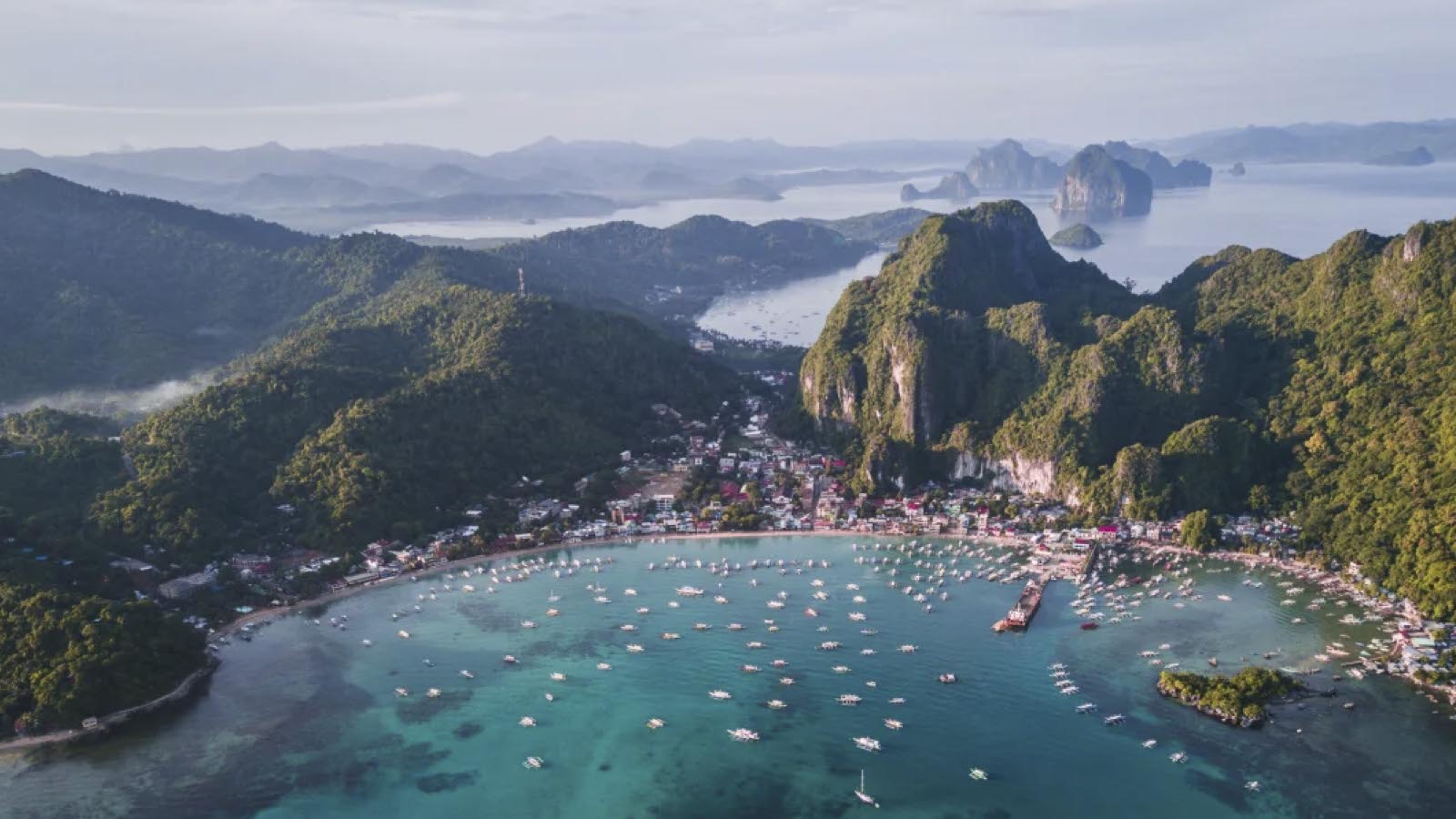
The Philippines is internationally recognised for island-hopping experiences that reveal hidden beaches, limestone cliffs and extraordinary marine scenery across different regions of the archipelago.
Travelling between islands often becomes one of the most memorable parts of the journey because of the beauty and diversity of the surrounding landscapes.
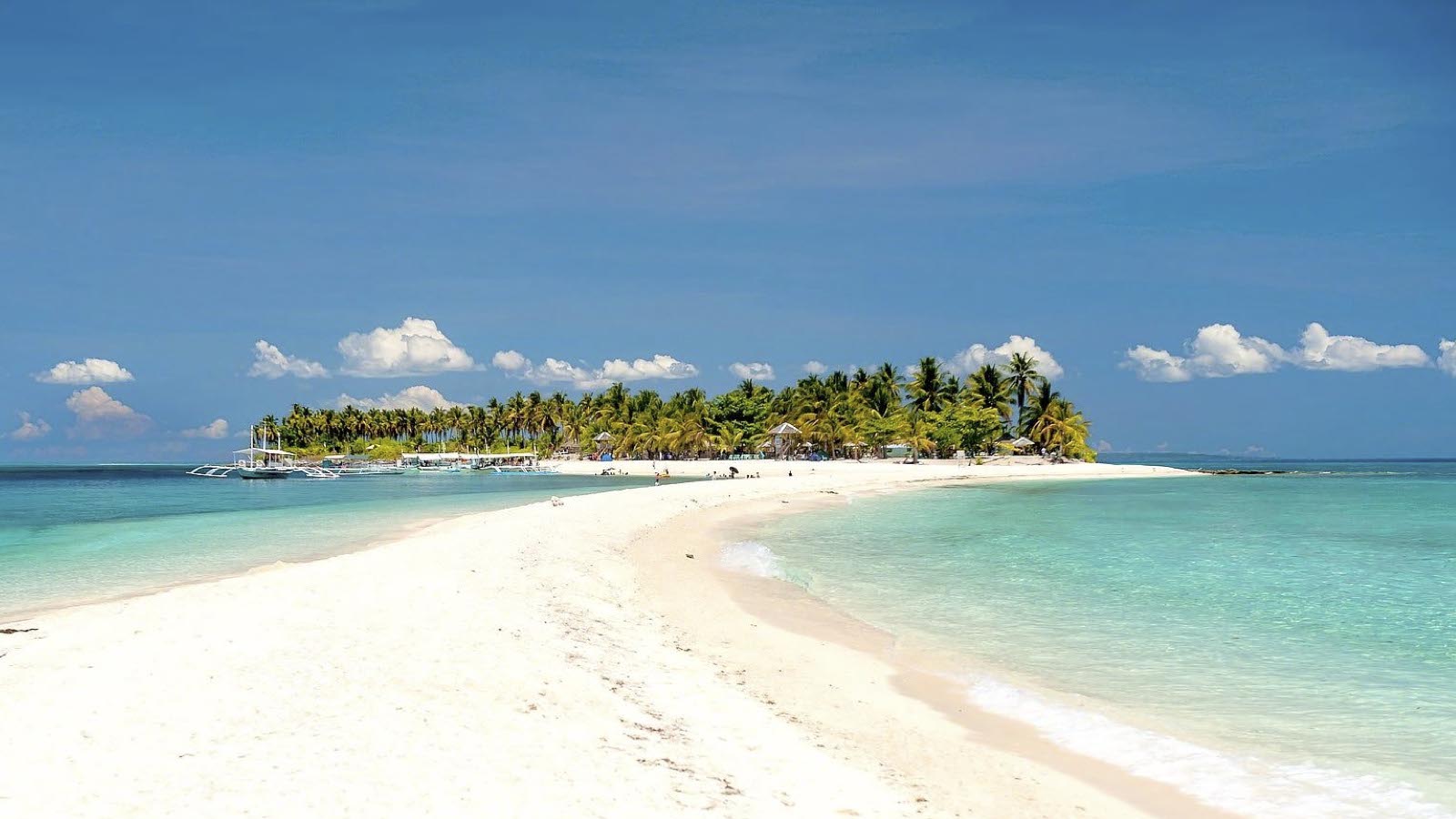
The country offers a wide variety of beach experiences ranging from lively resort coastlines to quieter and more remote tropical escapes. Beach travel here is generally centred on relaxation, swimming and outdoor living.
The calm atmosphere and visual beauty of the coastline contribute strongly to the emotionally restorative character of travelling through the Philippines.
The surrounding seas support snorkelling, diving and marine exploration within some of the world’s richest tropical ecosystems. Ocean experiences frequently become defining highlights of travelling through the country.
Marine travel here often feels immersive and visually extraordinary because of the biodiversity and clarity of the surrounding waters.
Palawan offers some of the Philippines’ most iconic landscapes through lagoons, cliffs and tropical coastlines that create highly cinematic travel environments.
Nature exploration here often feels adventurous and emotionally immersive because of the region’s extraordinary environmental beauty.
Luxury hospitality is one of the country’s defining strengths, particularly through island resorts and boutique beachfront properties designed around privacy and tropical atmosphere.
Relaxation travel here is strongly associated with simplicity, scenery and emotional balance rather than intensive sightseeing schedules.
The Philippines is widely known for its welcoming hospitality and warm local atmosphere that contribute significantly to the emotional tone of travelling through the islands.
Cultural interaction often feels natural and approachable because community life remains closely connected to everyday travel experiences.
Beyond its coastline, the country offers waterfalls, forests and volcanic landscapes that reveal another dimension of the Philippines’ environmental diversity.
Nature travel here generally feels adventurous yet highly accessible because dramatic landscapes are present throughout many islands.
The Philippines is especially rewarding for travellers seeking a combination of beaches, adventure and slower island rhythm within one highly diverse tropical destination. Different islands provide extraordinary variation in scenery and atmosphere while maintaining continuity through marine beauty and hospitality.
This diversity creates journeys that feel adventurous, immersive and emotionally restorative from beginning to end.
The Philippines offers one of Southeast Asia’s most naturally immersive travel experiences, combining tropical islands, crystal-clear waters and warm local hospitality across an extraordinary archipelago shaped by beaches, marine beauty and relaxed island rhythm. The country balances adventure, tranquillity and cultural warmth in a way that creates journeys that feel vibrant, restorative and visually unforgettable.
Travellers can move between white sand beaches, jungle landscapes, volcanic scenery and lively coastal towns while continuously experiencing strong connection with the sea and outdoor living. The Philippines is particularly rewarding for travellers seeking island exploration, marine experiences and emotionally relaxed tropical travel.
The Philippines is internationally recognised for its islands, offering extraordinary diversity through lagoons, limestone cliffs and secluded beaches spread across thousands of tropical environments. Island travel here often feels adventurous and emotionally immersive because each destination provides distinct scenery and atmosphere.
The sea remains central to the travel experience throughout the country, shaping both lifestyle and rhythm.
The country’s beaches range from lively resort destinations and island-hopping hubs to quieter and more remote tropical escapes. Coastal travel here is generally centred on outdoor living, relaxation and scenic marine environments.
Beach experiences often feel highly immersive because of the clarity of the water, natural beauty and relatively undeveloped landscapes in many regions.
The surrounding seas provide exceptional opportunities for snorkelling, diving and marine exploration within some of the world’s richest tropical ecosystems. Marine travel frequently becomes one of the defining aspects of the journey itself.
Ocean experiences here often feel visually extraordinary and emotionally restorative because of the country’s biodiversity and island geography.
The Philippines naturally supports experiential and adventure-oriented travel through island-hopping, waterfalls, volcanoes and scenic overland exploration. Adventure here generally feels connected closely to nature and local atmosphere rather than highly commercialised tourism.
Travellers frequently experience the destination through movement between islands and changing landscapes.
The country offers a growing luxury hospitality sector centred on beachfront resorts, island villas and nature-integrated boutique properties designed around privacy and tropical scenery. Luxury travel here often focuses on tranquillity, emotional balance and connection with nature.
Many properties integrate open-air architecture, spa experiences and marine views into the guest experience.
The Philippines naturally encourages slower and wellness-oriented travel styles through calm beaches, tropical climate and relaxed island rhythm. Wellness travel here is often shaped by simplicity, scenery and emotional restoration rather than highly structured retreat concepts.
Travellers frequently experience a strong sense of freedom and disconnection from routine throughout the journey.
Beyond the beaches, the country offers vibrant local communities, regional traditions and strong hospitality culture that contribute significantly to the emotional warmth of travelling through the islands.
Cultural travel here often feels approachable and genuine because local interaction remains central to many travel experiences.
The Philippines is especially rewarding for travellers willing to combine several islands or regions within one itinerary. Palawan, Cebu, Boracay and Siargao all provide dramatically different atmospheres and travel rhythms.
This diversity creates journeys that feel adventurous, visually extraordinary and continuously immersive throughout the travel experience.
The best time to visit the Philippines is generally during the dry season, when weather conditions are more favourable for beach holidays, island travel and outdoor activities.
As the country is made up of thousands of islands, climate conditions can vary slightly between regions throughout the year.
Many travellers can enter the Philippines visa-free for short tourist stays, although entry requirements depend on nationality and the duration of travel.
As immigration regulations may change over time, travellers should always verify the latest requirements through official Philippine government or consular sources before departure.
The Philippines is generally considered safe for tourism within established visitor regions and popular island destinations.
Travellers should still follow local guidance and standard precautions regarding valuables, transport and personal belongings, particularly in busy urban areas and ports.
The official currency of the Philippines is the Philippine Peso (PHP).
Credit and debit cards are accepted in many hotels, resorts and larger tourism establishments, although carrying cash remains useful on smaller islands and in local communities.
Travelling between islands in the Philippines typically involves a combination of domestic flights, ferries and boat transfers.
As distances between islands can be significant, careful itinerary planning is important to ensure comfortable travel times and smooth connections.
A stay of eight to twelve days is ideal for most travellers wishing to explore several islands and enjoy a balanced tropical itinerary.
Longer journeys can be especially rewarding for travellers interested in diving, remote islands or slower-paced exploration across different regions of the country.
Yes, the Philippines is considered one of the world’s leading destinations for island-hopping thanks to its extraordinary number of tropical islands and marine landscapes.
Travellers can combine white-sand beaches, lagoons, coral reefs and dramatic coastal scenery within one journey, creating highly varied and visually spectacular travel experiences.
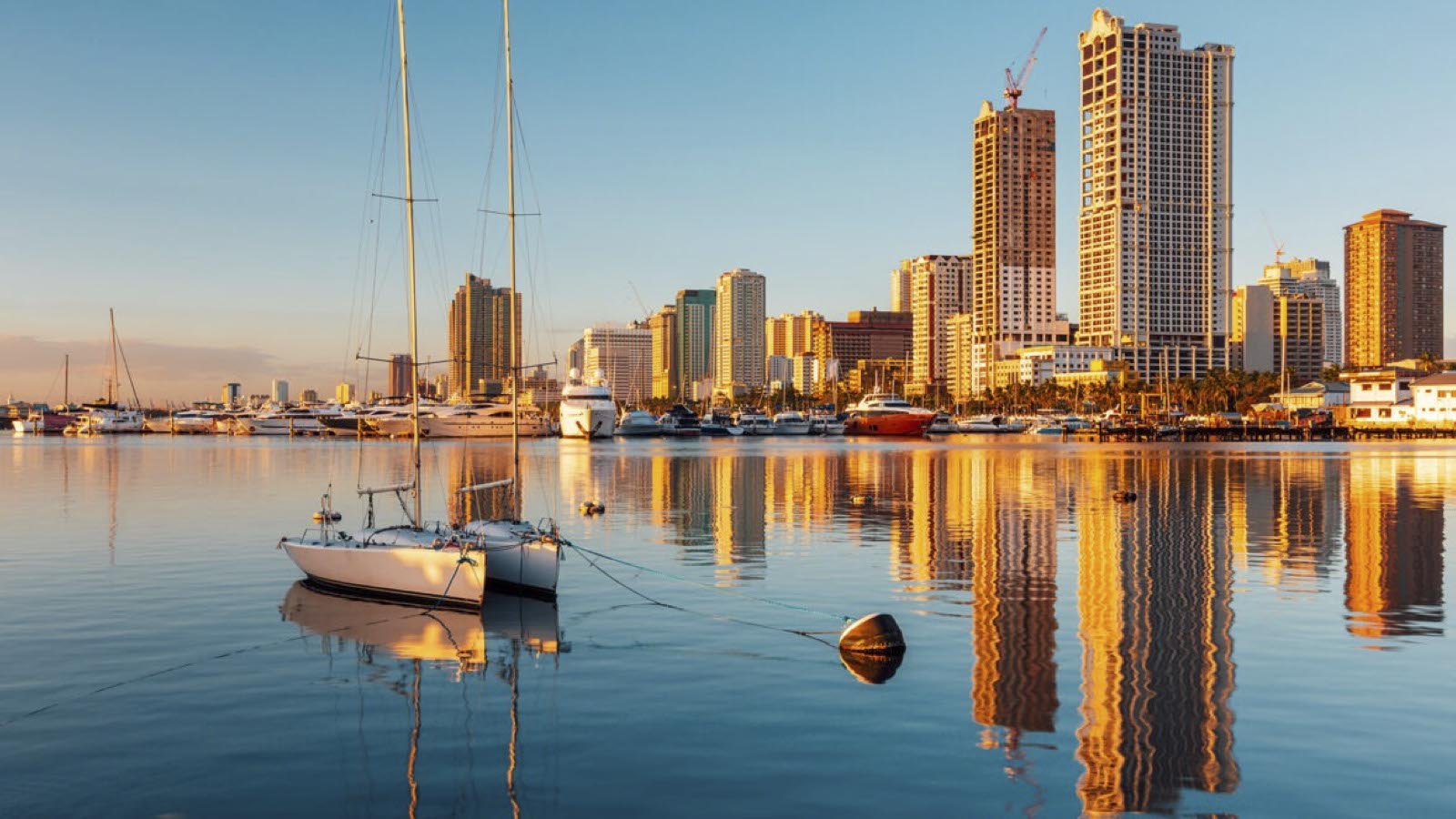
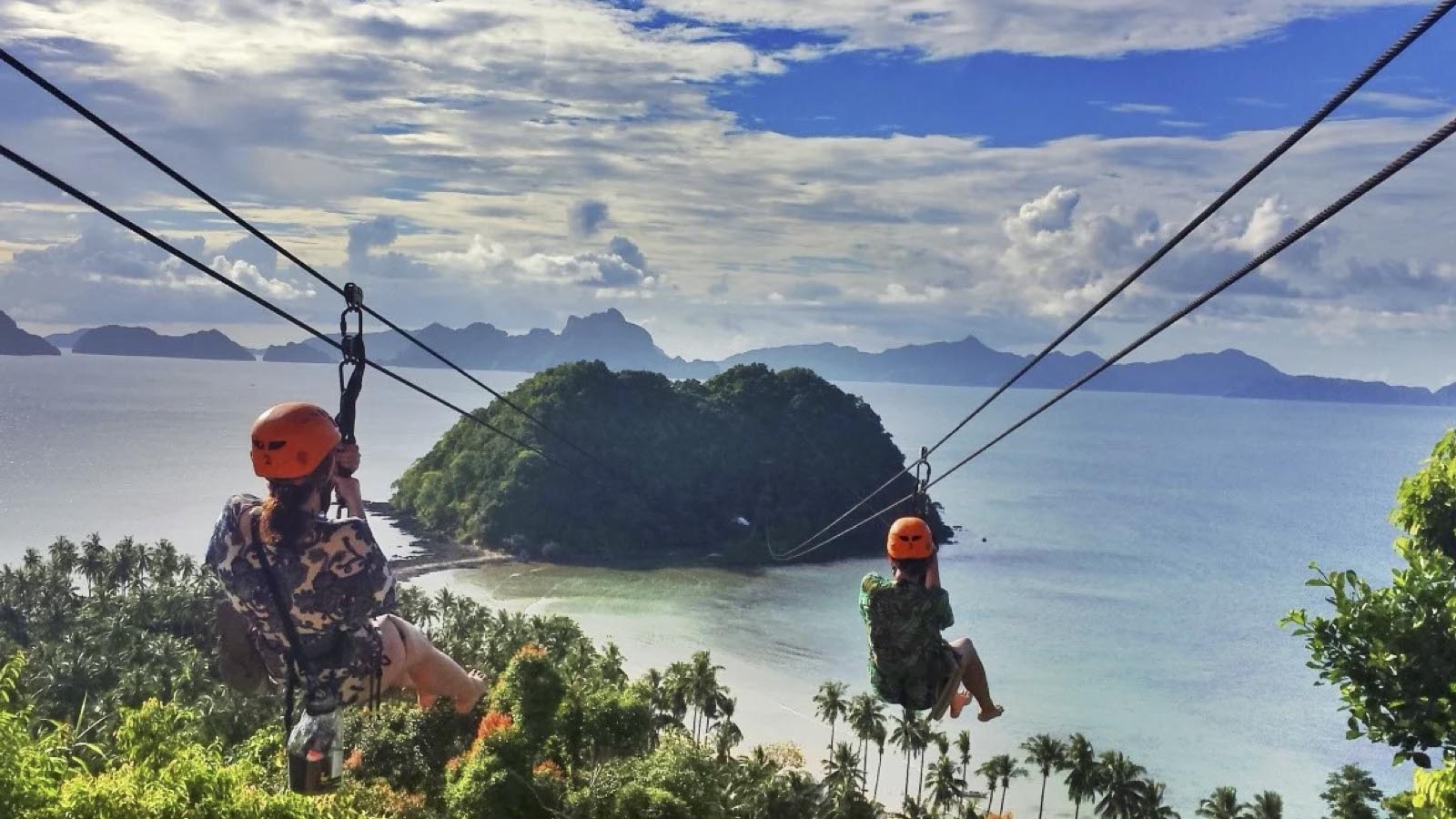
Explore a visual glimpse of the Philippines through images that capture its islands, beaches and marine landscapes.
Discover the scenes that define this tropical destination.