Qatar
Home All Destinations Qatar

Qatar is a destination that combines modern design, cultural heritage and desert landscapes into a compact and accessible travel experience. Centred around its capital, Doha, the country offers a blend of contemporary architecture, museums and traditional influences that reflect its evolving identity.
Beyond the city, the surrounding desert provides a contrasting environment where travellers can experience a quieter and more immersive setting. With its focus on quality, innovation and cultural presentation, Qatar offers a refined and distinctive destination suited to short yet rewarding journeys.
Qatar offers a refined selection of destinations combining luxury hospitality, contemporary architecture and Arabian cultural identity within one highly accessible Gulf country. Different districts provide varied travel atmospheres ranging from waterfront lifestyle environments and cultural quarters to desert retreats and exclusive resort areas.
The destination is especially well suited to travellers seeking luxury, short urban escapes and culturally immersive modern Middle Eastern travel.
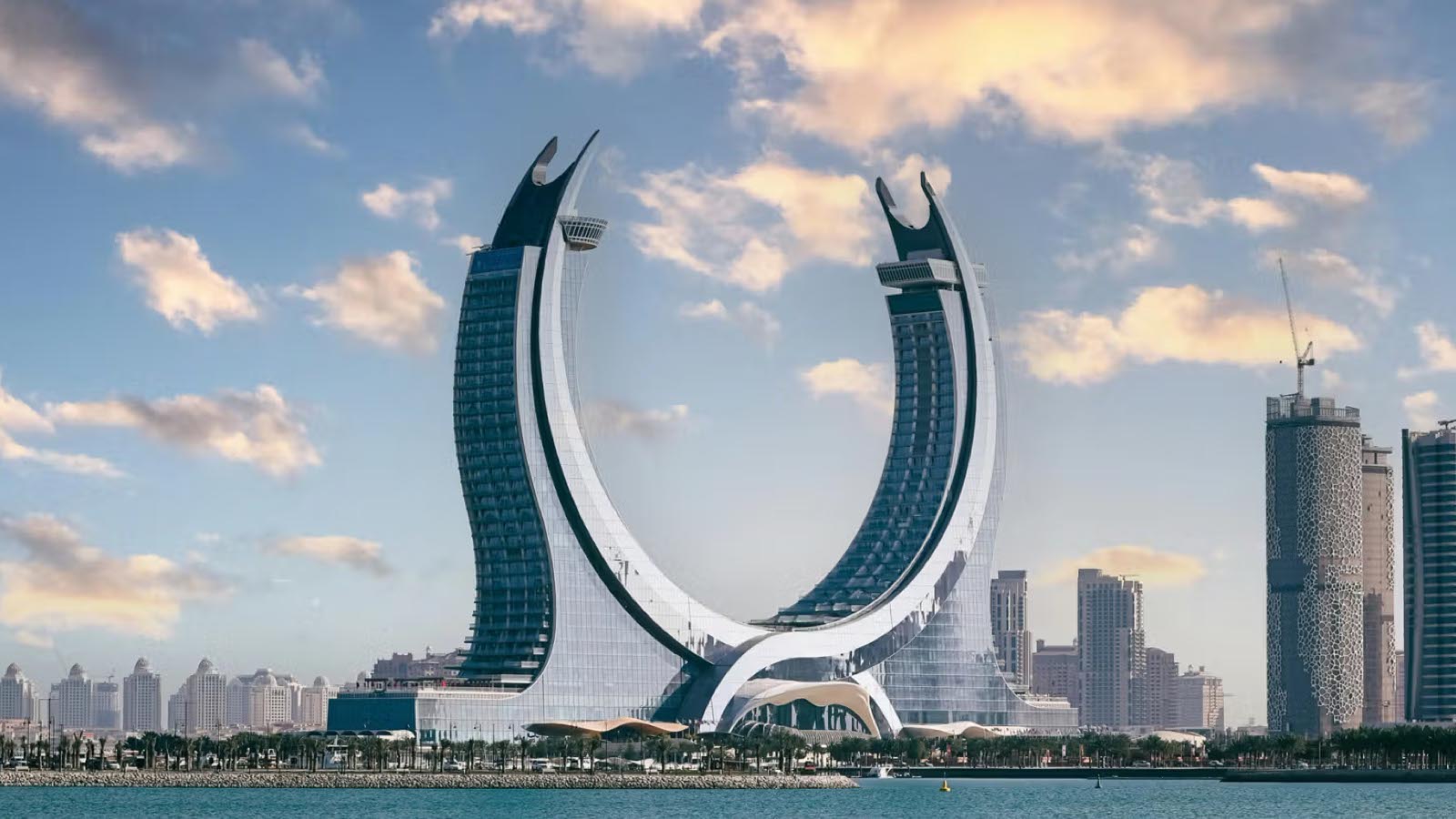
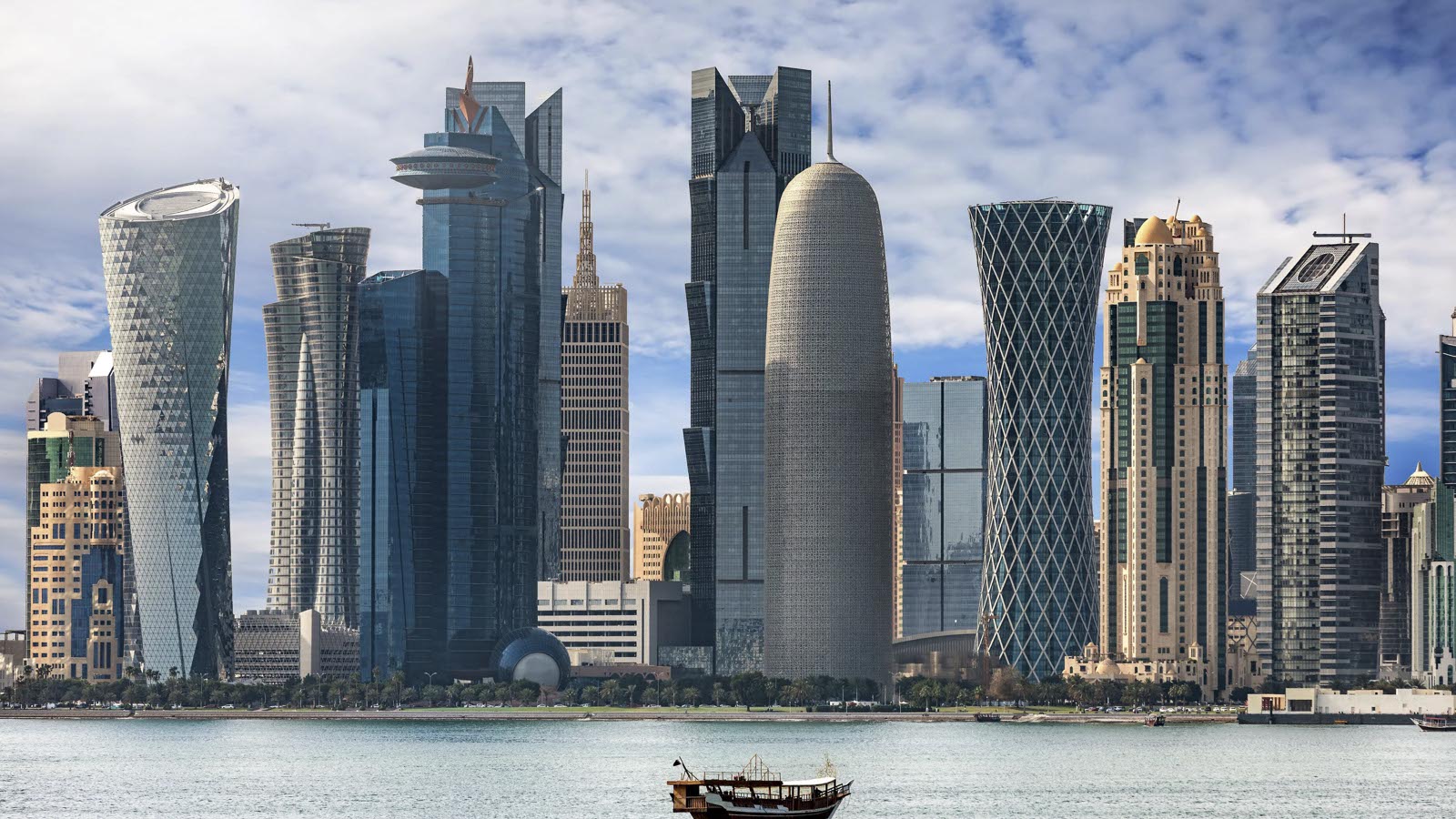
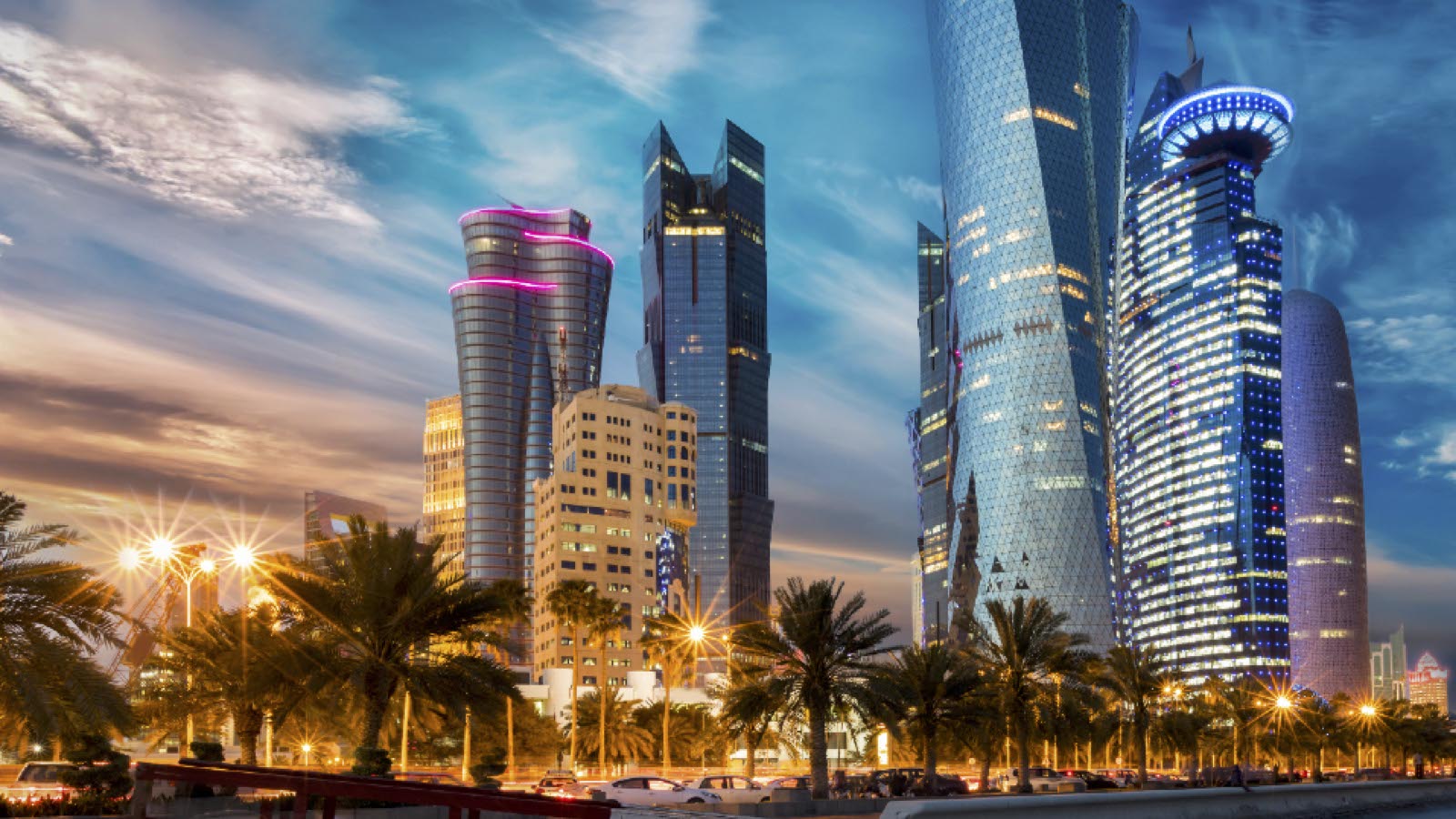
West Bay is Doha’s main luxury and business district, known for skyline views, waterfront access and contemporary architecture. The area appeals particularly to travellers seeking refined hospitality and convenient access to the city’s main attractions.
Accommodation includes international luxury hotels, high-rise waterfront properties and sophisticated urban resorts.
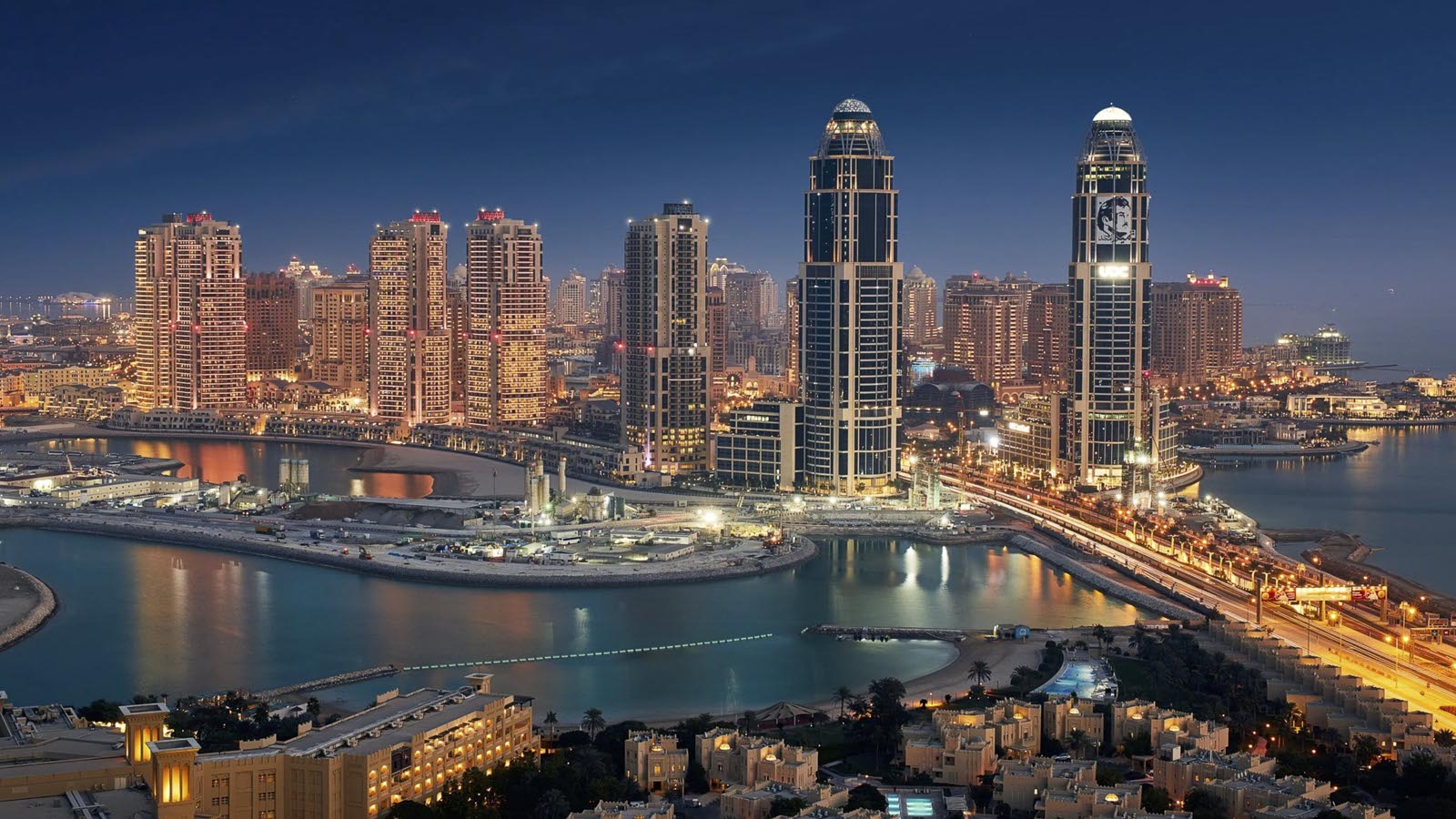
The Pearl combines marina lifestyle, upscale dining and elegant residential atmosphere within one of Doha’s most refined waterfront districts. The area is especially attractive for travellers seeking luxury lifestyle and coastal urban living.
Accommodation includes boutique waterfront hotels, luxury apartments and marina-facing properties designed around modern elegance and sea views.
Staying near Doha’s cultural districts allows travellers to experience traditional architecture, markets and Arabian atmosphere within a more locally connected environment.
Accommodation often focuses on boutique heritage-inspired hotels and smaller luxury properties integrated closely into the surrounding cultural landscape.
Qatar’s desert environments provide some of the country’s most atmospheric accommodation experiences through luxury camps and secluded resorts surrounded by dunes and open landscapes.
These stays focus on tranquillity, privacy and emotional immersion within dramatic desert scenery.
Qatar has developed a highly sophisticated hospitality sector where luxury travel is defined by architecture, refined service and contemporary Arabian design. Many properties integrate spa experiences, fine dining and panoramic city or sea views into the guest experience.
Luxury here often feels polished and cosmopolitan while maintaining strong regional identity.
The country naturally supports wellness-oriented travel through spa resorts, calm waterfront environments and high-end hospitality focused on relaxation and comfort.
These stays appeal especially to travellers seeking emotionally restorative and lifestyle-focused urban escapes.
Doha’s coastal developments and marina environments provide elegant accommodation settings closely connected to the sea and contemporary city lifestyle. Waterfront stays are particularly popular among travellers seeking atmosphere and visual immersion.
Accommodation frequently emphasises panoramic views, outdoor terraces and refined urban living.
Qatar is best experienced through itineraries that combine modern urban districts, cultural areas and desert landscapes in order to reveal the country’s contrast between innovation and tradition. Travellers can move easily between different environments within short distances.
This structure creates journeys that feel elegant, immersive and highly accessible while maintaining strong continuity through architecture, hospitality and Arabian atmosphere.
The best time to visit Qatar is between November and April, when temperatures are milder and more comfortable for outdoor activities. The summer months are significantly hotter, with most activities taking place indoors.
Qatar has a desert climate, with hot summers and mild winters.
Public holidays are often based on the Islamic calendar and vary each year.
The local currency is the Qatari Riyal (QAR). Cards are widely accepted.
Qatar offers a diverse dining scene, with both international cuisine and local influences.
Qatar offers a travel experience shaped by contemporary architecture, Arabian heritage and refined luxury within one of the Gulf region’s most accessible destinations. Travellers can explore cultural districts, desert landscapes and waterfront environments while experiencing a strong contrast between tradition and modernity.
The country rewards immersive urban travel where atmosphere, design and hospitality become central parts of the journey.
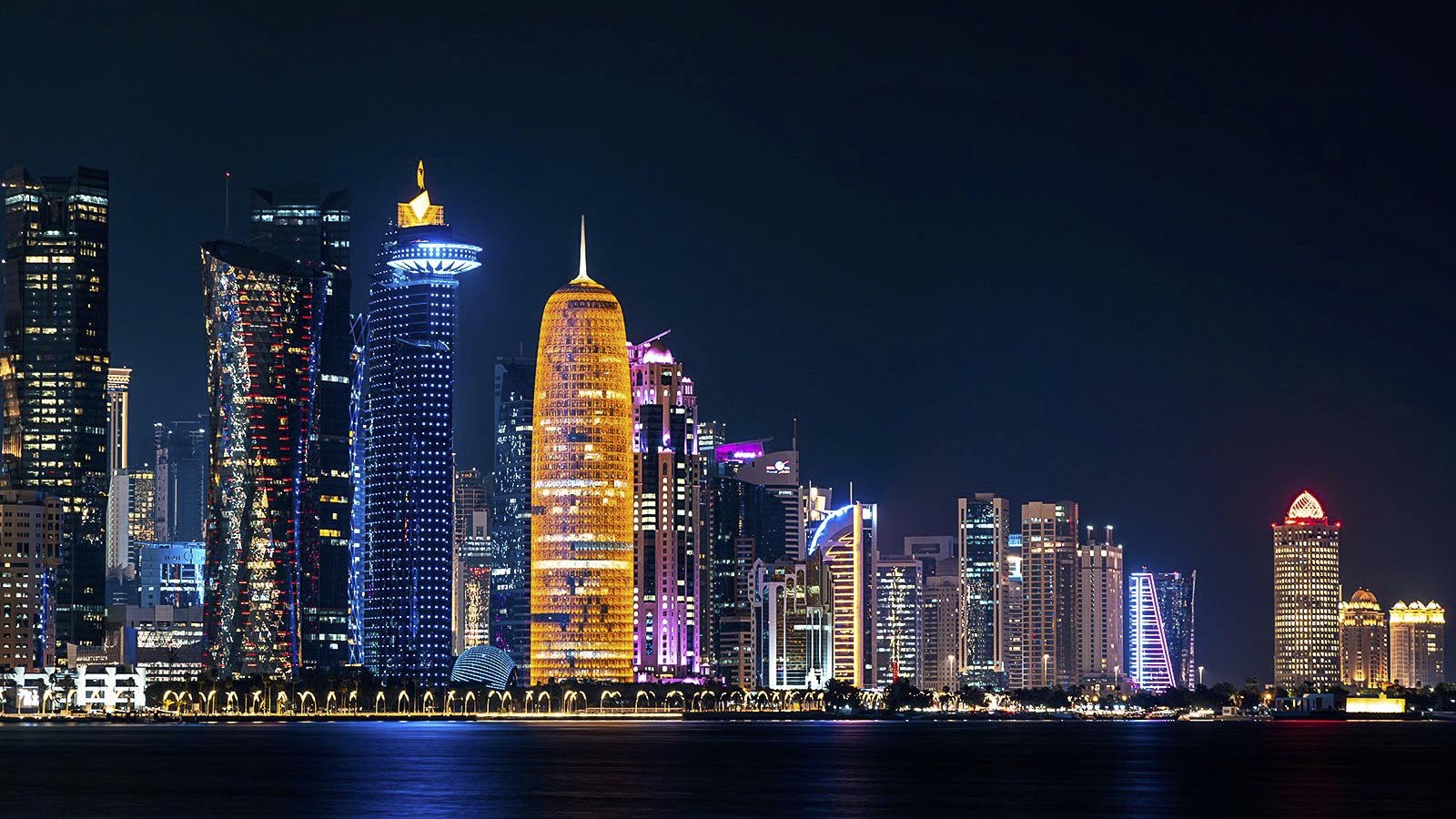
Doha combines futuristic skyline views, waterfront districts and contemporary cultural spaces within one of the Middle East’s most visually striking urban environments. Travellers can experience modern Arabian lifestyle through architecture, promenades and refined hospitality.
The city often feels highly polished and accessible while maintaining strong connection with local identity and Gulf culture.
Qatar’s souqs and heritage districts provide insight into Arabian traditions through markets, local craftsmanship and historic atmosphere integrated into contemporary urban life.
Cultural exploration here often feels immersive because traditional environments remain active and socially connected rather than existing purely as tourist attractions.
The country’s desert regions provide dramatic environmental contrast through dunes, open landscapes and cinematic scenery that reveal another dimension of Qatar beyond its urban skyline.
Desert travel frequently becomes one of the most memorable parts of the journey because of the silence, scale and atmosphere of the landscape.
Luxury hospitality is one of Qatar’s defining strengths, particularly through elegant city hotels and coastal resorts designed around comfort, privacy and refined service.
Relaxation travel here is strongly associated with architecture, spa experiences and sophisticated urban atmosphere rather than traditional beach tourism.
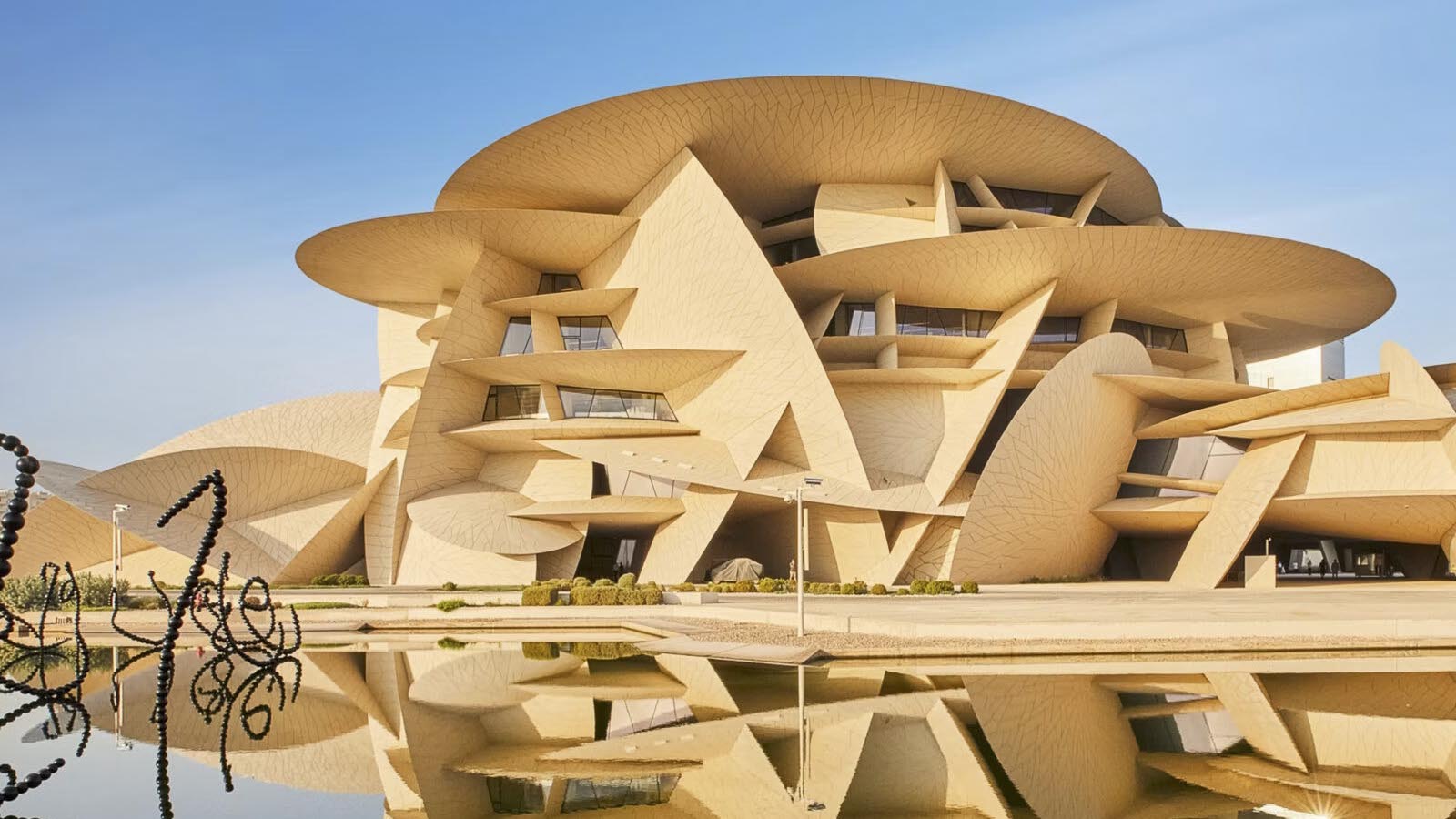
Qatar has invested significantly in cultural spaces and contemporary museums that reflect both regional identity and international artistic influence. These environments contribute strongly to the country’s modern and intellectual atmosphere.
Travellers interested in design, culture and architecture frequently experience Qatar as one of the Gulf’s most visually curated destinations.
Cuisine forms an important part of travelling through Qatar, combining Arabian traditions with international culinary influences within refined dining environments. Food travel here is closely connected to lifestyle and luxury hospitality.
Dining experiences often feel elegant and cosmopolitan while maintaining connection with regional flavours and social culture.
Qatar’s waterfront districts and marinas provide opportunities for slower urban exploration centred on sea views, cafés and contemporary lifestyle atmosphere. These areas contribute strongly to the emotional rhythm of travelling through Doha.
Coastal urban travel here generally feels calm, refined and visually immersive.
Qatar is especially rewarding for travellers seeking a combination of luxury, culture and modern Arabian atmosphere within one compact destination. Different environments provide meaningful contrast while maintaining continuity through hospitality and architectural identity.
This creates journeys that feel sophisticated, immersive and visually memorable from beginning to end.
Qatar offers a contemporary Middle Eastern travel experience shaped by modern architecture, Arabian heritage and refined luxury within a destination that balances innovation with cultural identity. The country combines desert landscapes, waterfront lifestyle and high-end hospitality in a way that creates journeys that feel sophisticated, accessible and visually striking.
Travellers can move between futuristic urban districts, traditional souqs and coastal desert environments while continuously experiencing strong contrast between heritage and modernity. Qatar is particularly rewarding for travellers seeking luxury, culture and shorter but immersive city-focused travel experiences.
Qatar has developed a highly sophisticated hospitality sector centred on luxury hotels, waterfront resorts and refined urban lifestyle experiences. Luxury travel here often focuses on comfort, architecture and personalised service rather than traditional resort-style tourism.
The country’s atmosphere feels polished and contemporary while maintaining strong connection to Arabian aesthetics and hospitality traditions.
Doha offers one of the Gulf region’s most visually distinctive urban environments through skyline architecture, waterfront districts and modern cultural spaces. Urban travel here balances innovation with cultural identity in a highly accessible setting.
Travellers interested in design, architecture and contemporary Middle Eastern lifestyle frequently find Qatar especially rewarding.
Despite its modern image, Qatar retains strong cultural identity through museums, souqs and Arabian traditions that remain visible throughout daily life. Cultural travel often feels immersive because heritage environments continue to coexist naturally with contemporary development.
The destination provides opportunities to experience Gulf culture within a refined and approachable atmosphere.
Qatar’s desert landscapes and inland dune environments provide strong environmental contrast to the urban coastline and contribute significantly to the destination’s atmosphere. Desert travel here often feels cinematic because of the simplicity and scale of the landscape.
Scenic desert experiences frequently become emotional highlights of travelling through the country.
The country naturally supports wellness-oriented and slower styles of travel through spa hospitality, luxury resorts and calm waterfront environments. Wellness travel here is generally centred on comfort, privacy and emotional balance.
Travellers frequently experience a sense of calm and refinement throughout the journey.
Cuisine forms an important part of travelling through Qatar, reflecting both Arabian traditions and international influences through elegant dining culture and contemporary gastronomy. Food travel here is closely connected to lifestyle and hospitality experiences.
Dining environments often combine waterfront atmosphere, modern design and refined social settings.
Qatar’s waterfront developments, marinas and coastal promenades contribute strongly to the country’s modern lifestyle identity. Coastal travel here is generally urban and sophisticated rather than tropical or nature-focused.
The contrast between desert landscapes and contemporary waterfront architecture creates visually distinctive travel experiences.
Qatar is particularly rewarding for travellers seeking a balance between luxury, culture and modern Middle Eastern atmosphere within one compact and accessible destination. Different districts and landscapes provide meaningful variation while maintaining strong continuity through design and hospitality.
This creates journeys that feel elegant, immersive and visually memorable throughout the travel experience.
The best time to visit Qatar is generally between November and April, when temperatures are milder and more comfortable for sightseeing and outdoor activities.
During the summer months, temperatures can become extremely high, particularly during the daytime, making indoor attractions and evening activities more common.
Many travellers can enter Qatar visa-free or obtain a visa on arrival, depending on nationality and the duration of their stay.
As immigration regulations may change over time, travellers should always verify the latest entry requirements through official Qatari government or consular sources before departure.
Qatar is widely considered one of the safest destinations in the Middle East, with modern infrastructure and a strong focus on visitor security.
Travellers should still respect local customs and cultural expectations, particularly regarding dress and behaviour in public and religious areas.
The official currency of Qatar is the Qatari Riyal (QAR).
Credit and debit cards are widely accepted throughout hotels, restaurants, shopping centres and tourism establishments.
Travelling around Qatar is relatively straightforward thanks to its compact geography, modern highways and efficient urban infrastructure.
Most visitors base themselves in Doha while exploring nearby cultural attractions, desert landscapes and coastal areas through taxis, transfers or organised excursions.
A stay of three to five days is ideal for most travellers wishing to experience Qatar’s main cultural, urban and desert highlights comfortably.
Shorter visits are also common, particularly as part of stopover itineraries connecting Europe, Asia and Africa.
Yes, Qatar is considered one of the world’s leading stopover destinations thanks to its modern infrastructure, global flight connectivity and compact tourism offering.
Travellers can comfortably experience cultural attractions, luxury hotels, desert excursions and contemporary city life within a relatively short stay.
Explore a visual glimpse of Qatar through images that capture its cityscapes, desert landscapes and cultural spaces.
Discover the scenes that define this modern and refined destination.