South Korea
Home All Destinations South Korea

South Korea is a dynamic destination where ancient traditions and modern innovation coexist seamlessly, offering a travel experience that is both engaging and accessible. From historic palaces and cultural heritage to vibrant cities and contemporary design, the country presents a compelling balance of past and present.
Travellers can explore lively urban environments, scenic landscapes and cultural landmarks, all connected by an efficient transport network. South Korea’s energy, creativity and evolving identity make it a destination that feels both current and distinctive.
South Korea offers a remarkable variety of destinations combining futuristic cities, cultural heritage and scenic landscapes within one of Asia’s most dynamic travel environments. Different regions provide varied atmospheres ranging from luxury urban districts and entertainment hubs to traditional villages and nature-focused island retreats.
The destination is especially well suited to travellers seeking balanced itineraries that combine culture, lifestyle and contemporary Asian energy.
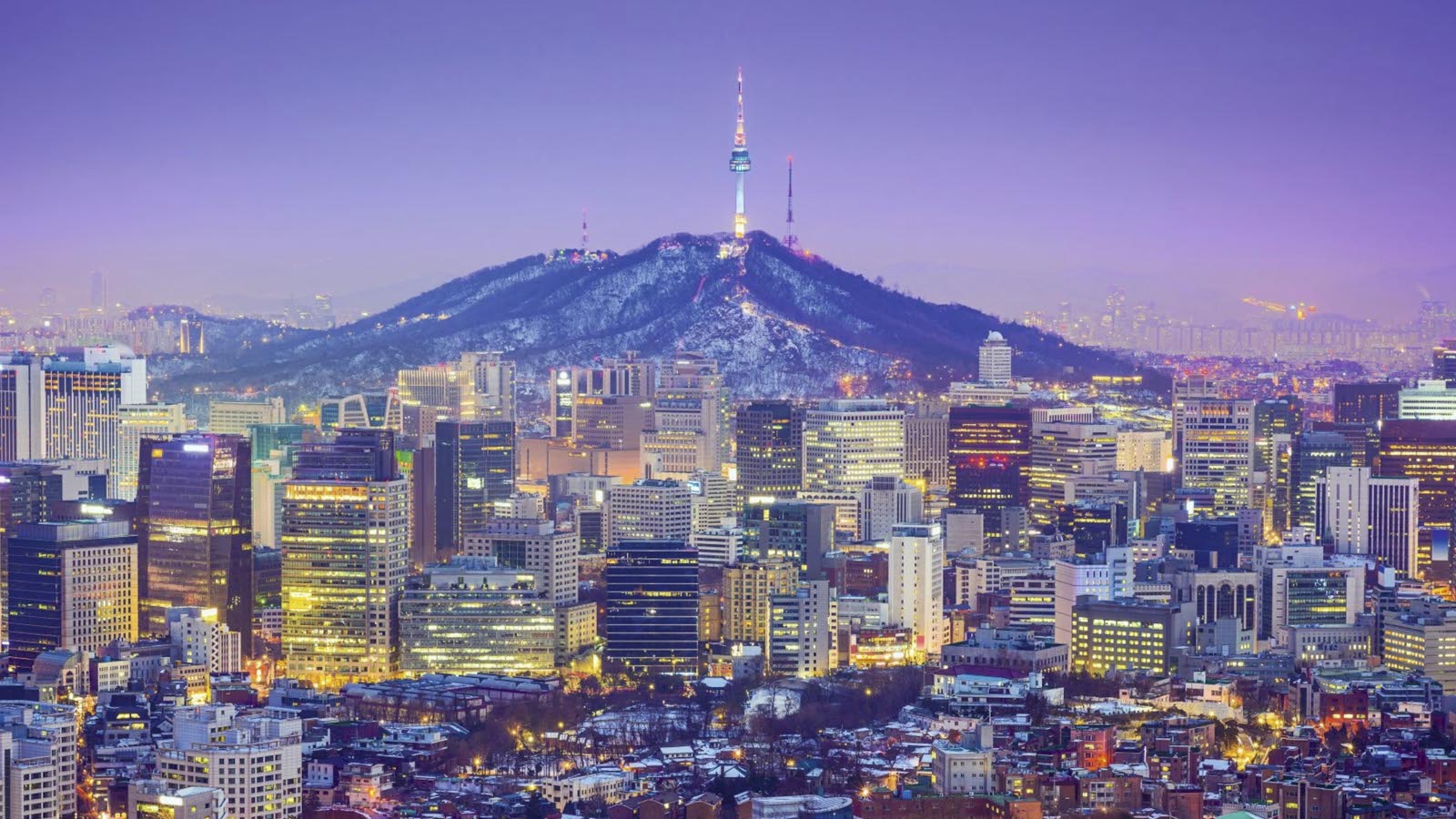
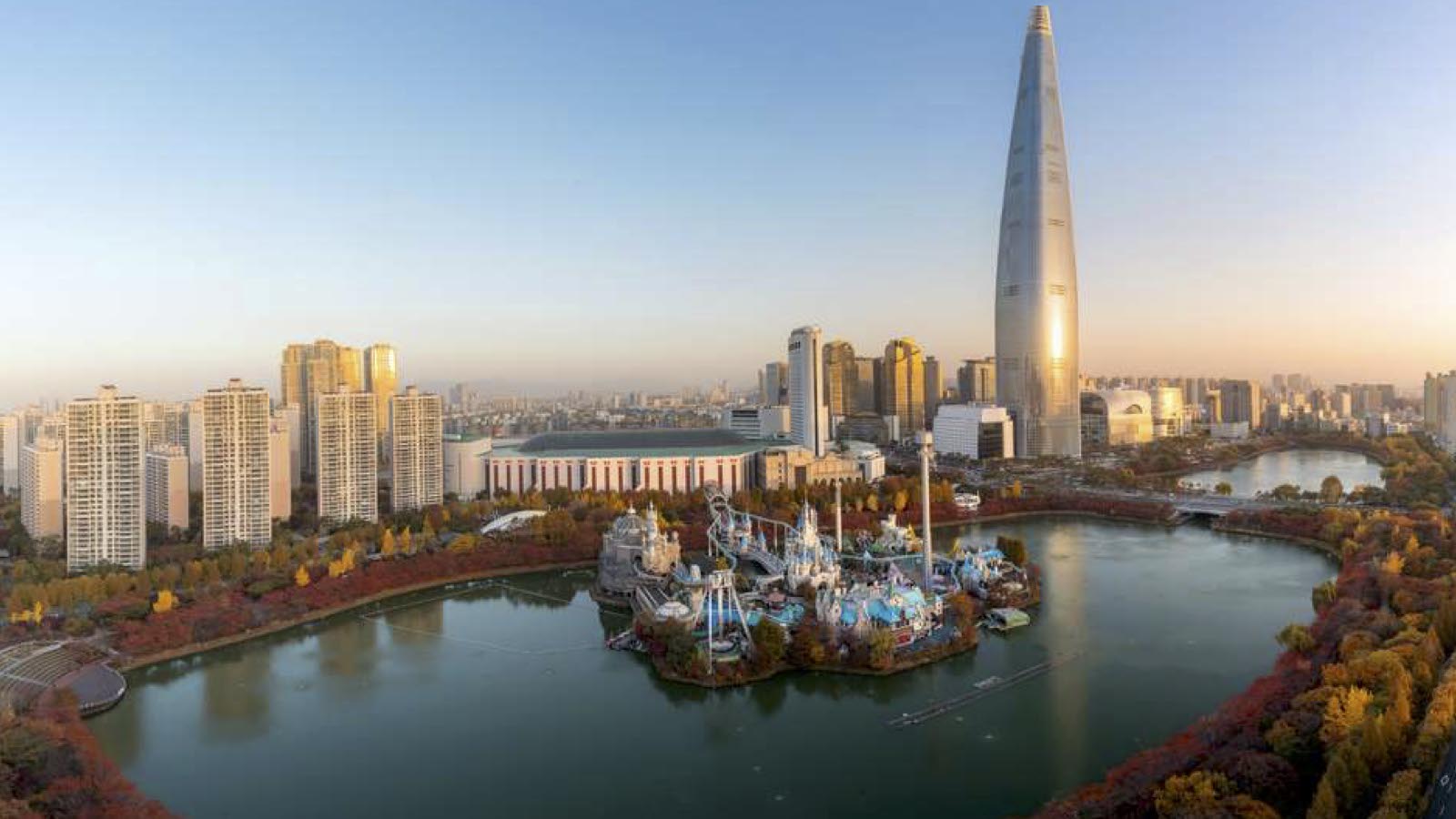
Seoul is South Korea’s cultural and urban centre, combining historical landmarks, modern skyline architecture and vibrant social atmosphere within one of Asia’s most immersive capitals.
Accommodation ranges from luxury skyscraper hotels and boutique lifestyle stays to design-focused properties integrated into the city’s energetic neighbourhoods.
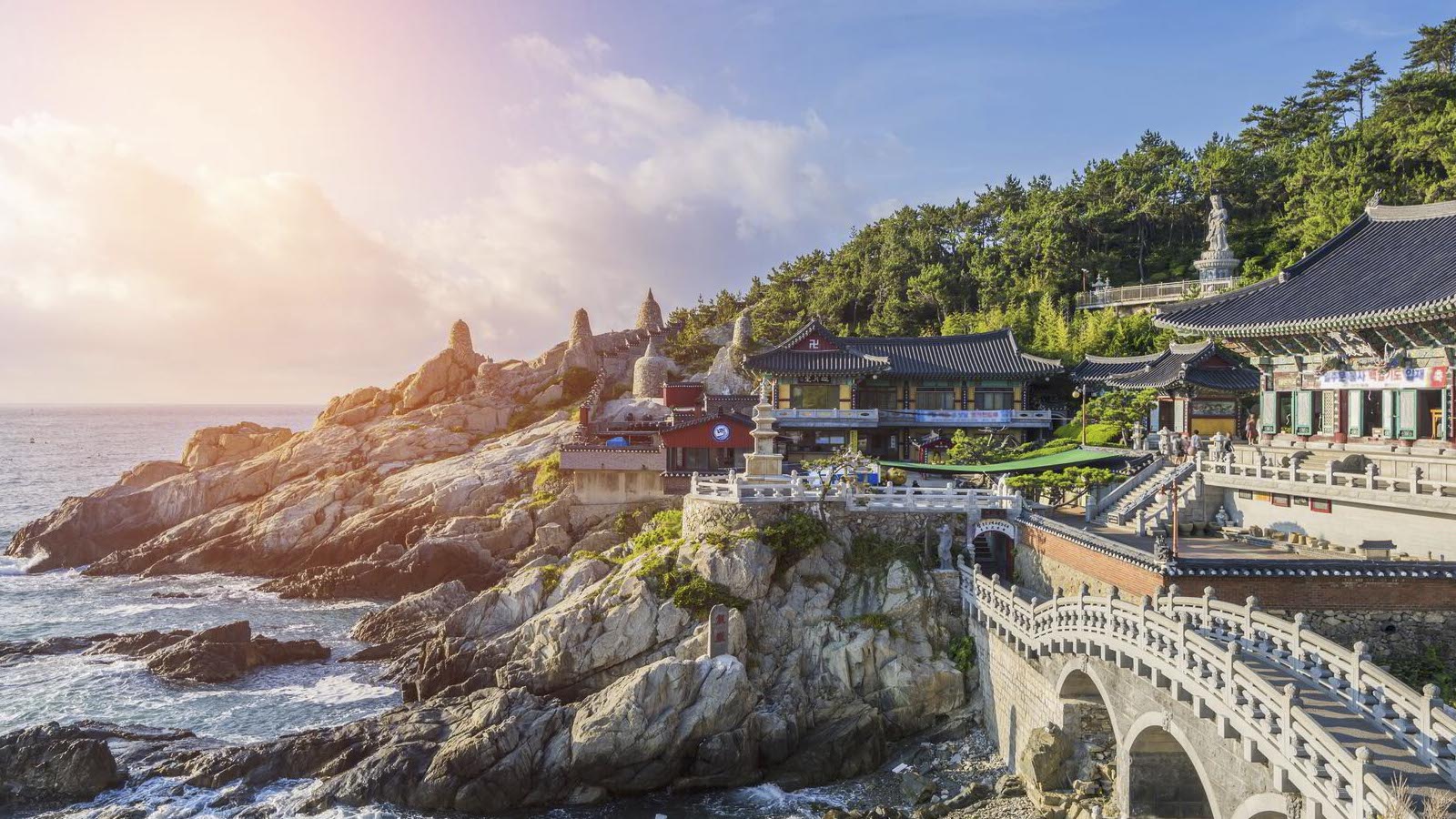
Busan offers beaches, coastal scenery and contemporary urban culture within one of South Korea’s most visually balanced and relaxed cities.
Accommodation includes luxury beachfront hotels, modern city stays and boutique coastal properties connected closely to the ocean and nightlife atmosphere.
Jeju Island provides volcanic landscapes, slower rhythm and scenic coastal environments within South Korea’s most nature-focused destination.
Accommodation often focuses on luxury resorts, wellness retreats and boutique island stays designed around environmental immersion and relaxation.
South Korea’s historic towns and traditional regions offer culturally immersive accommodation experiences connected closely to heritage architecture and local lifestyle.
These stays frequently emphasise authenticity, atmosphere and emotional connection with Korean culture.
South Korea has developed a sophisticated hospitality sector centred on modern design, technological comfort and highly refined service standards.
Luxury travel here is generally polished, efficient and experience-oriented while maintaining strong connection with local aesthetics and culture.
The country naturally supports wellness-oriented travel through spa resorts, mountain retreats and slower hospitality environments shaped by Korean relaxation traditions.
These stays appeal especially to travellers seeking emotional balance, comfort and culturally rooted wellness experiences.
South Korea’s major cities offer accommodation experiences closely connected to nightlife, shopping and contemporary cultural trends.
Many stays are designed around accessibility, social atmosphere and integration with the country’s vibrant urban rhythm.
South Korea is best experienced through itineraries that combine cities, cultural regions and scenic landscapes in order to reveal the country’s extraordinary balance between tradition and innovation.
This structure creates journeys that feel dynamic, immersive and emotionally rich while maintaining continuity through Korean hospitality, design and cultural identity.
The best time to visit South Korea is during spring (April to June) and autumn (September to November), when the weather is mild and landscapes are particularly scenic. Summer can be humid, while winter offers colder conditions.
South Korea has a temperate climate with distinct seasons.
The country celebrates traditional festivals such as Chuseok and Lunar New Year.
The local currency is the South Korean Won (KRW).
Korean cuisine is a central part of the travel experience.
South Korea offers a travel experience shaped by vibrant cities, deep cultural heritage and contemporary lifestyle within one of Asia’s most dynamic and visually immersive destinations. Travellers can explore palaces, coastal landscapes and modern entertainment districts while experiencing journeys that feel energetic, cultural and emotionally engaging.
The country rewards experiential travel where innovation, local rhythm and social atmosphere become central parts of the journey.
Seoul combines futuristic cityscapes, historical landmarks and vibrant social energy within one of Asia’s most exciting capitals.
The city often feels emotionally immersive because technology, fashion and traditional culture remain deeply interconnected throughout daily life.
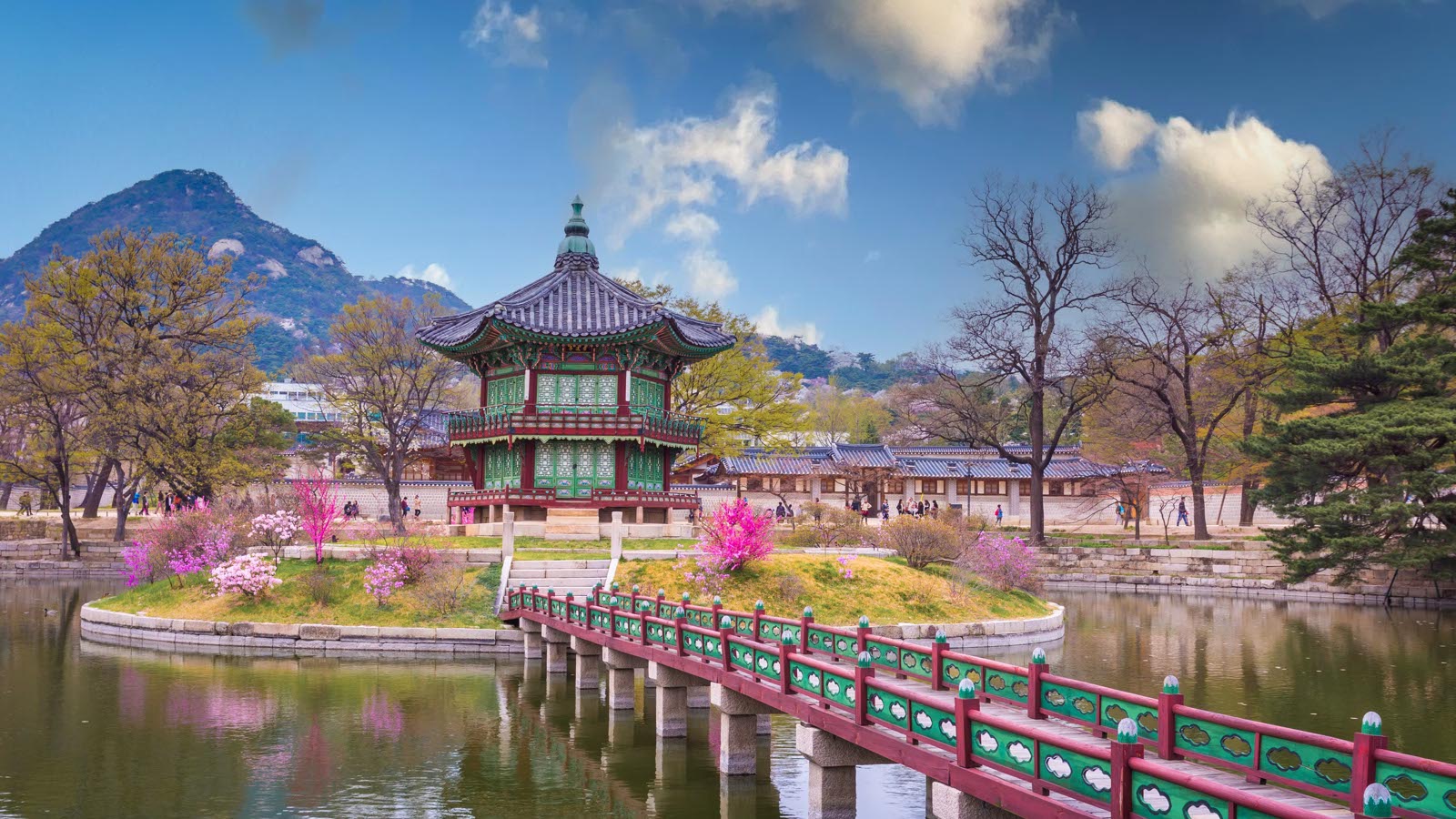
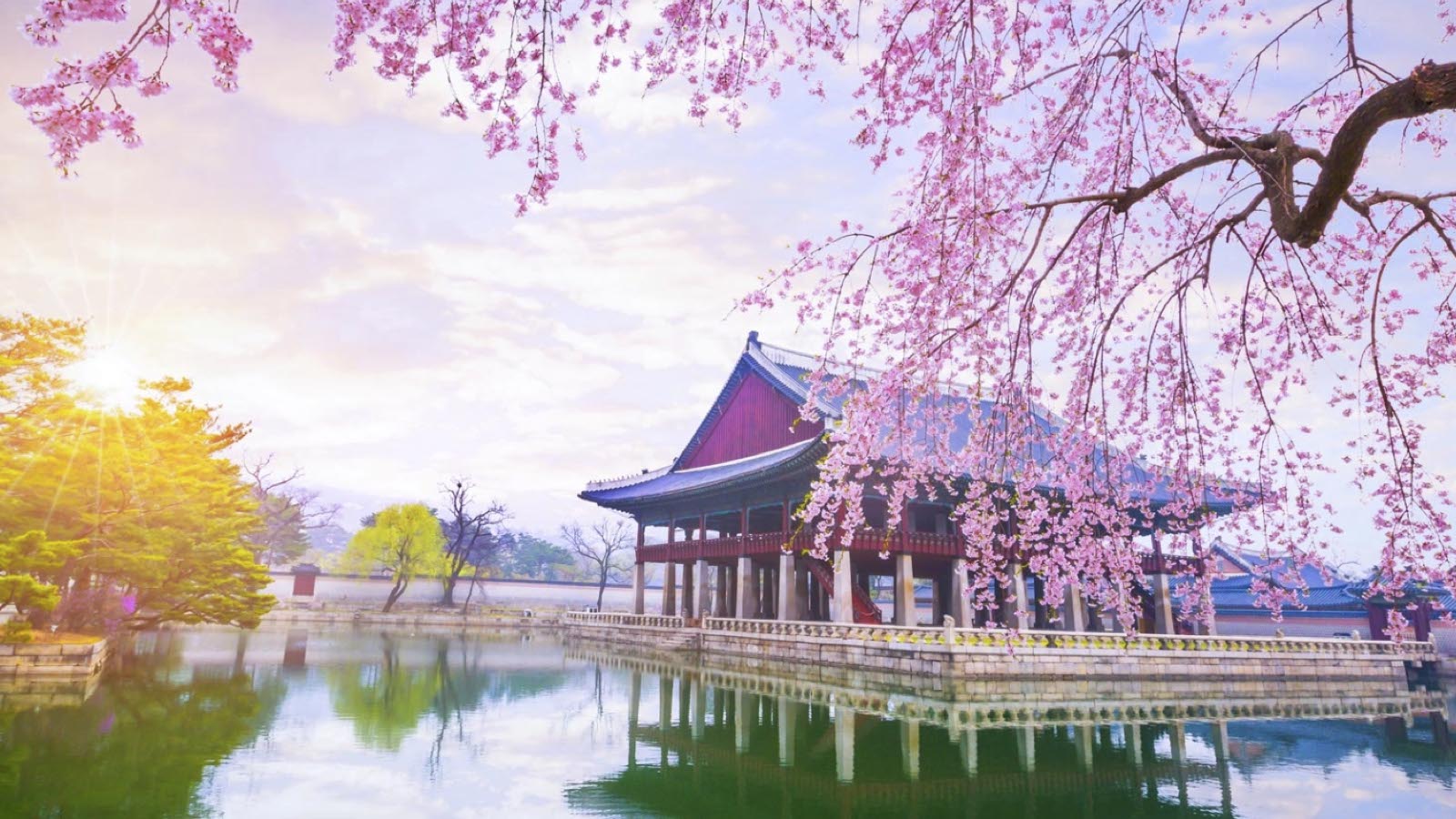
South Korea’s palaces, temples and traditional villages reveal another dimension of the country through architecture, history and preserved cultural identity.
Cultural exploration here often feels layered because historical environments coexist naturally alongside modern urban development.
Cuisine forms an essential part of travelling through South Korea, particularly through markets, barbecue culture and vibrant street food environments.
Food experiences here frequently become emotional highlights because dining remains highly social and closely connected to everyday lifestyle.
Busan combines beaches, mountain scenery and modern urban culture within one of South Korea’s most visually balanced coastal cities.
Travelling here often feels refreshing because the city blends energetic atmosphere with scenic ocean environments.
Jeju Island offers volcanic scenery, coastal beauty and slower travel rhythm within one of the country’s most naturally immersive destinations.
Nature travel here often feels emotionally restorative because landscapes and island atmosphere remain closely connected.
Traditional spas and wellness practices form an important part of South Korean lifestyle and contribute strongly to slower and more reflective travel experiences.
Relaxation travel here often feels culturally immersive because wellness remains integrated into everyday social rhythm.
South Korea offers highly dynamic entertainment and shopping environments shaped by fashion, music and contemporary cultural creativity.
Urban lifestyle experiences here often feel energetic and visually engaging because public spaces remain highly interactive and expressive.
South Korea is especially rewarding for travellers seeking a combination of cities, culture and lifestyle within one highly connected destination. Different regions provide meaningful contrast while maintaining continuity through Korean identity and hospitality.
This diversity creates journeys that feel vibrant, immersive and emotionally unforgettable from beginning to end.
South Korea offers a dynamic Asian travel experience shaped by technological modernity, deep cultural heritage and vibrant urban energy within a destination where tradition and innovation coexist seamlessly. The country balances contemporary lifestyle, historical identity and scenic landscapes in a way that creates journeys that feel immersive, energetic and emotionally engaging.
Travellers can move between futuristic cities, mountain temples, coastal regions and traditional villages while continuously experiencing strong connection with design, culture and everyday social rhythm. South Korea is particularly rewarding for travellers seeking urban exploration, cultural immersion and emotionally rich travel shaped by atmosphere, creativity and lifestyle.
South Korea is internationally recognised for its modern cities, technological innovation and vibrant urban culture that create highly dynamic travel environments.
Urban travel here often feels visually immersive because architecture, fashion, entertainment and public life remain closely interconnected throughout daily rhythm.
The country’s historical identity is visible through palaces, temples and traditional villages that reveal centuries of Korean heritage integrated naturally into contemporary society.
Cultural travel here often feels emotionally layered because tradition and modernity coexist so visibly across many regions.
Cuisine forms an essential part of travelling through South Korea, reflecting strong social culture and regional diversity through street food, markets and highly interactive dining traditions.
Food travel here frequently becomes a defining part of the journey because gastronomy remains closely connected to lifestyle and local rhythm.
South Korea offers a sophisticated hospitality sector combining luxury city hotels, design-focused stays and wellness-oriented resorts designed around comfort and contemporary aesthetics.
Luxury travel here often feels modern, polished and experience-oriented rather than highly formal.
Beyond its cities, the country offers mountains, coastal regions and seasonal landscapes that provide environmental contrast and opportunities for slower scenic exploration.
Nature travel here often feels restorative because scenic environments remain highly accessible from major urban centres.
South Korea naturally supports wellness-oriented travel through traditional spas, mountain retreats and culturally rooted relaxation practices.
Travellers frequently experience emotional balance through slower environments connected to nature and Korean wellness culture.
The country appeals strongly to travellers seeking immersive lifestyle experiences shaped by music, fashion, gaming culture and vibrant social environments.
Experiential travel here often feels energetic and emotionally engaging because creativity and popular culture remain highly visible throughout daily life.
South Korea is particularly rewarding for travellers willing to combine cities, cultural regions and scenic landscapes within one itinerary. Seoul, Busan and Jeju Island all provide distinct atmospheres while maintaining continuity through Korean identity and hospitality.
This diversity creates journeys that feel dynamic, immersive and emotionally memorable throughout the travel experience.
Spring and autumn are generally considered the best times to visit South Korea thanks to their milder temperatures and comfortable travel conditions.
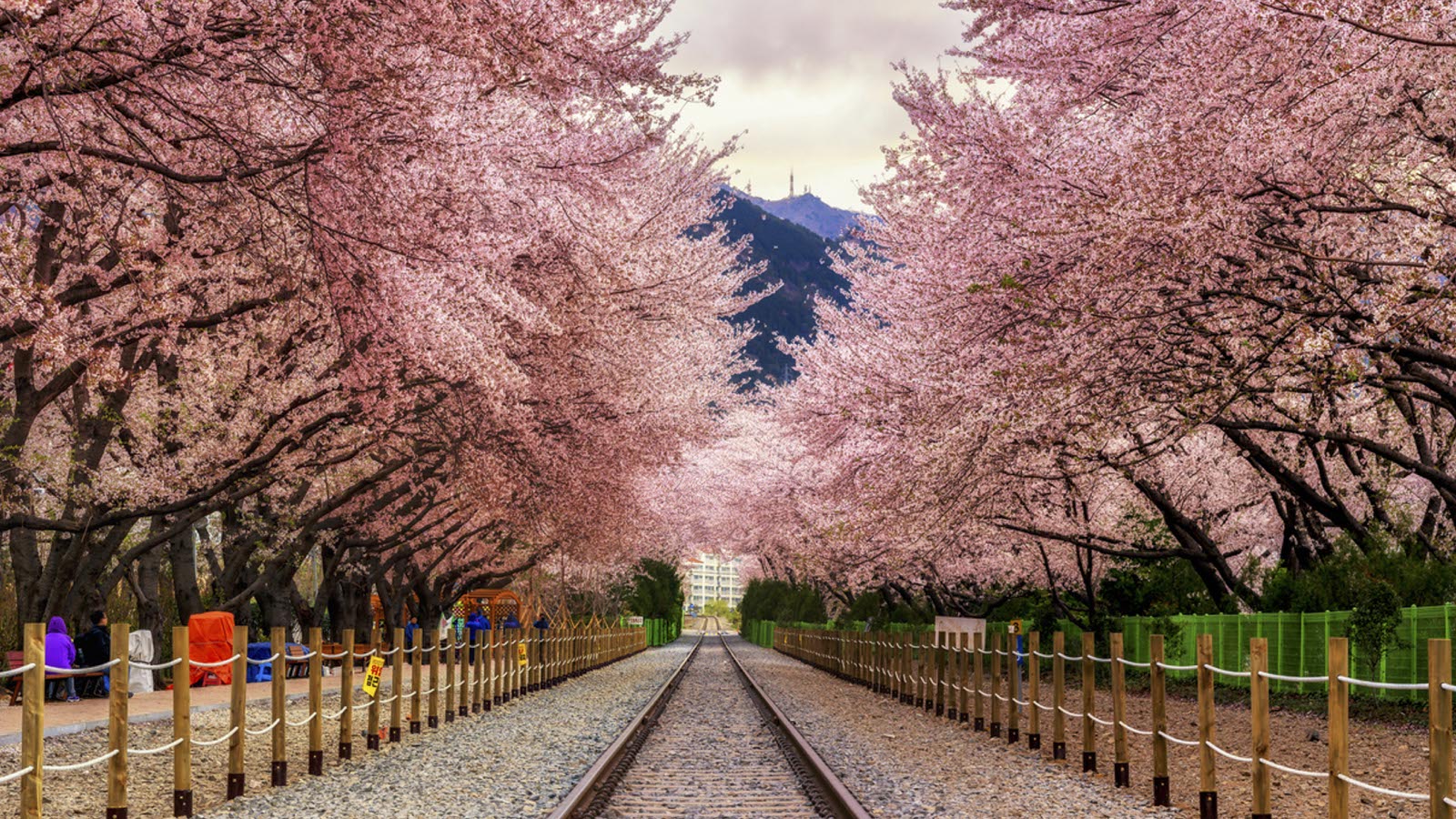
Each season offers different experiences, from cherry blossom landscapes in spring to colourful autumn scenery and winter mountain activities.
Visa requirements for South Korea depend on nationality and the duration of your stay, with many travellers able to enter visa-free for short tourism visits.
As immigration regulations may change over time, travellers should always verify the latest requirements through official government or consular sources before departure.
South Korea is widely regarded as one of Asia’s safest destinations, with modern infrastructure and efficient public services throughout the country.
Travellers can generally move around comfortably both during the day and at night while still following normal travel precautions.
The official currency of South Korea is the South Korean Won (KRW).
Credit and debit cards are widely accepted across hotels, restaurants, shops and transport systems throughout the country.
Travelling around South Korea is extremely efficient thanks to its excellent rail network, domestic transport infrastructure and modern high-speed train services.
Major cities and regional destinations are well connected, making independent travel relatively simple even for first-time visitors.
A stay of seven to ten days is ideal for most travellers wishing to combine Seoul with additional regions such as Busan, Jeju Island or historical areas inland.
Longer stays can provide a more balanced pace and allow time for cultural experiences, scenic areas and regional cuisine.
Yes, South Korea is very well suited to multi-centre itineraries thanks to its compact geography and highly efficient transport network.
Travellers can comfortably combine modern cities, traditional cultural areas, mountains and coastal destinations within the same journey.
Explore a visual glimpse of South Korea through images that capture its cities, culture and landscapes.
Discover the scenes that define this dynamic destination.