Sri Lanka
Home All Destinations Sri Lanka

Sri Lanka is a small island with an extraordinary sense of contrast, where golden beaches, misty highlands and ancient cities exist within just a few hours of each other. From the cultural heart of the island, where centuries-old temples and UNESCO-listed sites tell stories of a rich past, to the lush tea plantations and wildlife-rich national parks, every journey feels varied and immersive.
Warm hospitality, vibrant traditions and a slower pace of life define the experience, making Sri Lanka not just a destination, but a place that leaves a lasting impression long after you return home.
Sri Lanka may be small in size, but it offers an extraordinary diversity of places to stay, each shaped by its landscape, culture and pace of life. Along the southwest coast, golden beaches and relaxed seaside towns such as Kalutara, Bentota and Galle provide the perfect setting for unwinding, with a mix of boutique hotels and elegant resorts set beside the Indian Ocean. Negombo, just north of Colombo, offers a convenient coastal base with a more local feel, combining beach time with lagoon scenery and colonial heritage.
Inland, the island reveals a completely different character. The cultural city of Kandy, surrounded by lush hills, is a gateway to Sri Lanka’s rich traditions, temples and historic sites. Beyond, the central highlands unfold into tea country, where cooler temperatures, misty landscapes and scenic train journeys define the experience. For wildlife encounters, national parks such as Yala and Udawalawe bring you closer to elephants, leopards and abundant birdlife, with lodges and camps designed to immerse you in nature.
One of Sri Lanka’s greatest strengths is how easily these regions connect. A single journey can blend coast, culture, highlands and wildlife into a seamless and rewarding itinerary.
Colombo is the country’s main gateway and largest urban centre, offering a mix of colonial heritage, modern development and coastal atmosphere. While many travellers use the city primarily as an arrival or departure point, Colombo also provides insight into contemporary Sri Lankan life through its markets, restaurants and historic districts.
The city offers a broad accommodation range, from international luxury hotels to boutique properties and heritage-style stays. Colombo is particularly useful as a starting point before continuing towards the island’s cultural, scenic or coastal regions.
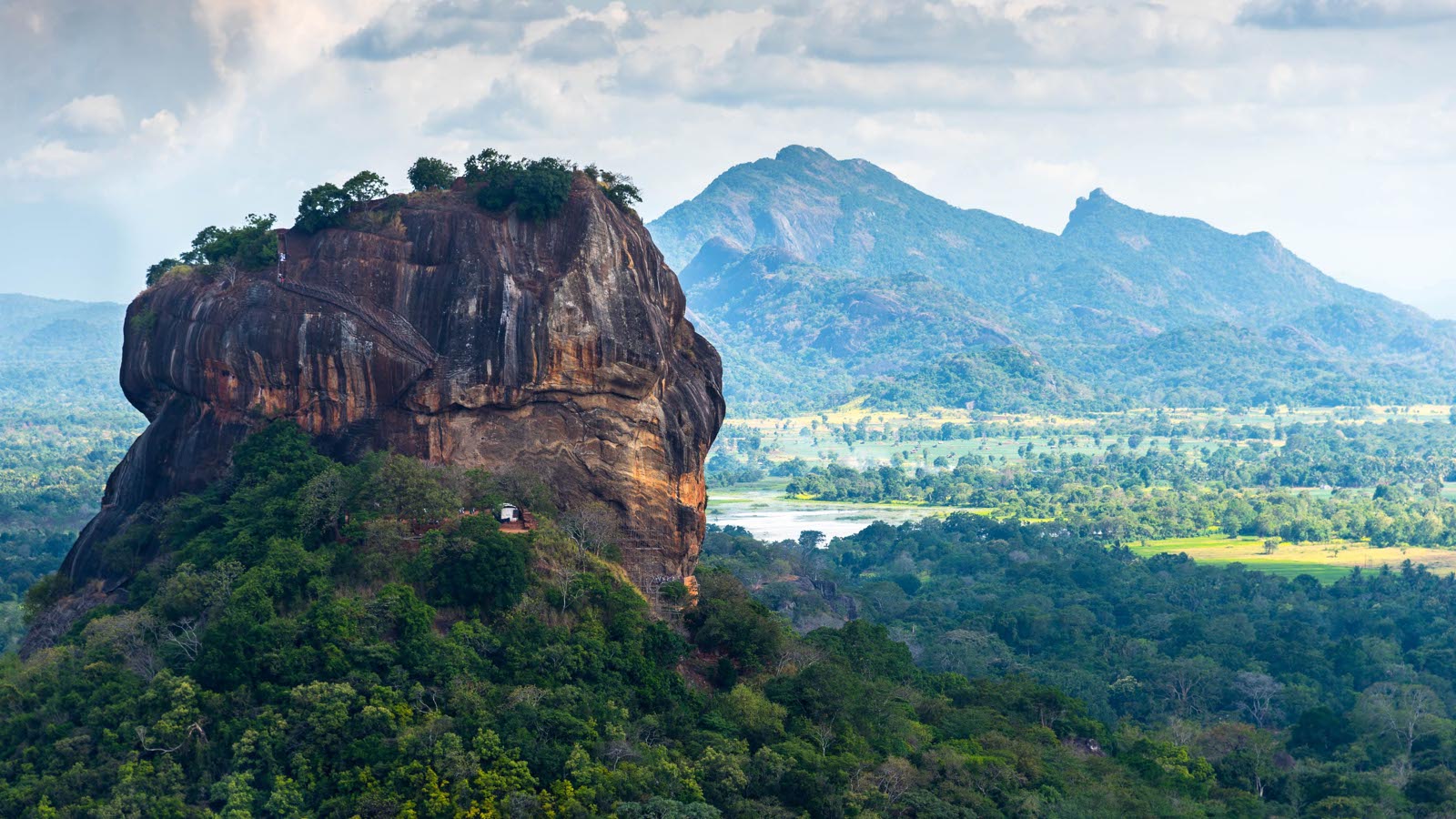
The Cultural Triangle forms one of Sri Lanka’s most historically significant regions, connecting destinations such as Sigiriya, Dambulla, Polonnaruwa and Anuradhapura. Staying within this area allows travellers to explore ancient cities, temples and archaeological sites while experiencing a quieter and more traditional atmosphere.
Accommodation here often focuses on landscape integration and proximity to cultural landmarks, ranging from boutique lodges to nature-based resorts. The region works particularly well for travellers interested in heritage and immersive cultural exploration.
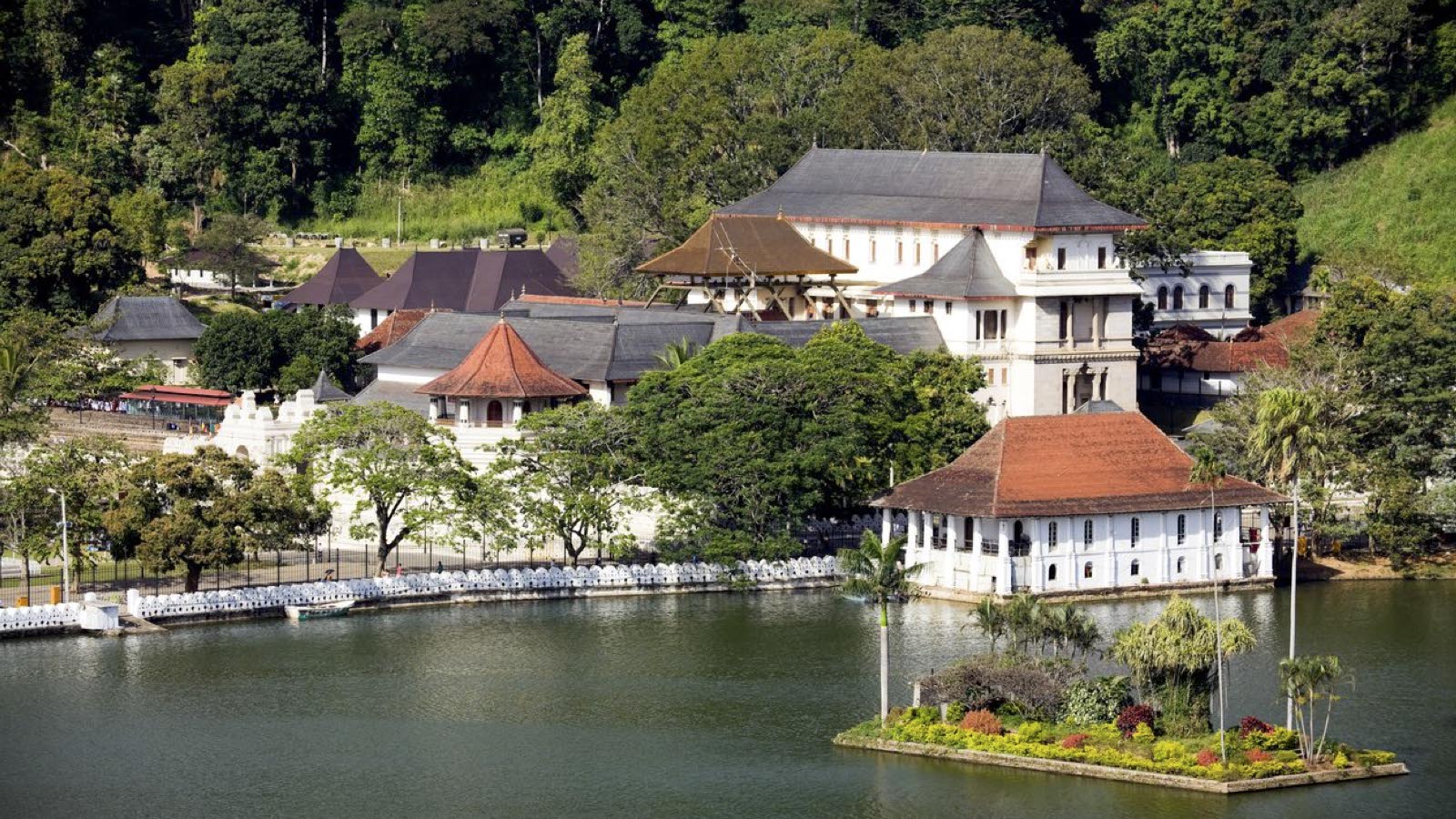
Kandy offers a transition between Sri Lanka’s historic regions and the hill country, combining cultural significance with greener landscapes and a slower rhythm of travel. The city is known for the Temple of the Tooth and its strong connection to Buddhist traditions.
Many travellers stay in Kandy before continuing into the central highlands, using the city as both a cultural stop and a scenic base. Accommodation ranges from hillside hotels with panoramic views to smaller boutique properties with a more local atmosphere.
Sri Lanka’s hill country provides one of the island’s most visually distinctive environments, characterised by tea plantations, mountain scenery and cooler temperatures. Destinations such as Ella and Nuwara Eliya offer a calmer and more scenic atmosphere compared with the coastline and larger cities.
Staying in this region allows travellers to experience scenic rail journeys, plantation landscapes and slower-paced exploration. Accommodation often focuses on panoramic views, colonial-style properties and immersion in the surrounding scenery.
Safari regions such as Yala and Udawalawe provide access to Sri Lanka’s wildlife and natural environments, allowing travellers to combine safari experiences with broader cultural and coastal itineraries. Accommodation in these areas is generally centred around nature lodges, tented camps and resorts integrated into the landscape.
Travellers staying near the parks often seek quieter environments and closer interaction with nature. Safari regions add strong environmental contrast to the journey and are frequently combined with beaches or hill country stays.
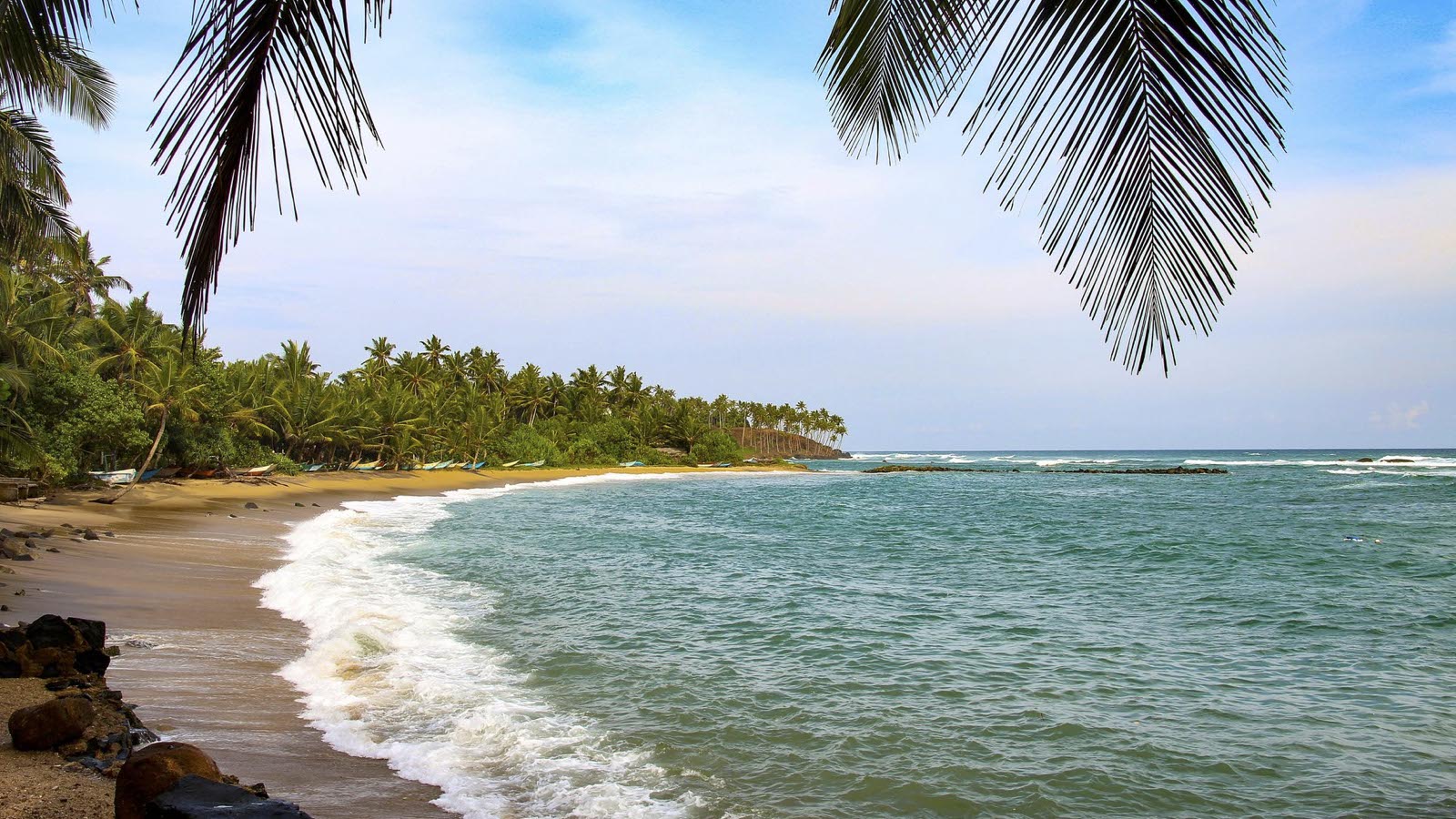
Sri Lanka’s southern coastline combines beaches, boutique hotels and relaxed coastal towns that appeal strongly to travellers seeking balance between exploration and rest. Areas such as Galle, Mirissa and Tangalle provide different atmospheres, ranging from historic coastal settings to quieter beachfront environments.
The south coast is particularly popular for slower travel, combining scenic beaches with local culture, surfing and relaxed dining experiences. Accommodation ranges from luxury beachfront resorts to smaller boutique villas and design-focused stays.
The east coast offers a more seasonal and less developed coastal experience, with quieter beaches and a slower atmosphere compared with the more established southern regions. Areas such as Pasikuda and Trincomalee appeal particularly to travellers seeking calm environments and fewer crowds.
This side of the island often feels more remote and less commercialised, making it attractive for travellers looking for a quieter beach experience while still maintaining access to comfortable accommodation and natural scenery.
Sri Lanka has developed a strong boutique hospitality sector that combines personalised service, local character and strong integration with the surrounding environment. Luxury accommodation across the island often focuses on scenery, atmosphere and cultural identity rather than large-scale resort development.
Travellers can stay in beachfront villas, colonial-style tea bungalows, wildlife lodges and contemporary design hotels depending on the region and style of journey. This diversity allows itineraries to feel highly personalised while maintaining a consistent sense of place throughout the trip.
One of Sri Lanka’s greatest strengths is the ease with which travellers can combine multiple regions within a relatively short timeframe. Itineraries often evolve gradually from cultural exploration to mountain landscapes, wildlife areas and finally coastal relaxation.
This structure creates journeys that feel varied and immersive without becoming logistically complex. Accommodation choices become an important part of shaping the rhythm and atmosphere of the overall travel experience.
The best time to visit Sri Lanka depends on which part of the island you plan to explore. For the southwest coast and the hill country, the most favourable months are typically from December to April, with warm temperatures and lower rainfall. The east coast, on the other hand, is best visited between May and September, when conditions are generally dry and sunny.
Thanks to its unique climate patterns, Sri Lanka can be enjoyed at almost any time of year. Many travellers choose to combine different regions in one trip, following the best weather across the island for a more rewarding experience.
Sri Lanka’s tropical climate varies across the island, making it a year-round destination depending on where you travel. The southwest coast and hill country are best visited between December and April, while the east coast enjoys its best conditions from May to September. Temperatures remain consistently warm throughout the year, with coastal areas typically hotter and more humid, and the central highlands offering a cooler, more temperate climate.
Sri Lanka’s cultural calendar is rich and diverse, shaped by Buddhist, Hindu, Muslim and Christian traditions. Festivals and public holidays take place throughout the year, often following lunar cycles, meaning dates can vary. One of the most significant events is the Kandy Esala Perahera, a vibrant procession of dancers, drummers and decorated elephants. While holidays can occasionally affect opening times or transport, they also offer a unique opportunity to experience the island’s traditions and local life at their most colourful.
The local currency is the Sri Lankan Rupee (LKR). Credit and debit cards are widely accepted in hotels, restaurants and larger establishments, particularly in tourist areas. However, it is advisable to carry some cash when travelling to more rural regions or smaller towns. ATMs are readily available in cities and main tourist hubs, and currency exchange services can be found at the airport and in major towns.
Sri Lankan cuisine is flavourful and varied, with an emphasis on spices, fresh ingredients and regional specialities. Rice and curry is a staple, often served with a selection of small dishes that reflect local flavours. Seafood is particularly fresh along the coast, while the hill country offers milder dishes influenced by its cooler climate. International cuisine is also widely available in hotels and larger towns, ensuring a good balance between local and familiar options.
Sri Lanka offers a highly varied travel experience where culture, nature and coastline are closely connected throughout the journey. Travellers can move between ancient cities, wildlife regions, tea plantations and beaches within relatively short distances, creating itineraries that feel diverse and continuously engaging.
The island’s compact geography allows experiences to change rapidly between regions, giving travellers access to very different landscapes and atmospheres within a single trip. This balance between exploration, relaxation and cultural immersion is one of Sri Lanka’s defining strengths.
Sri Lanka’s cultural heritage is reflected through ancient capitals, temples and sacred sites spread across the island’s historic regions. Destinations such as Sigiriya, Polonnaruwa and Anuradhapura provide insight into the country’s Buddhist traditions and architectural history.
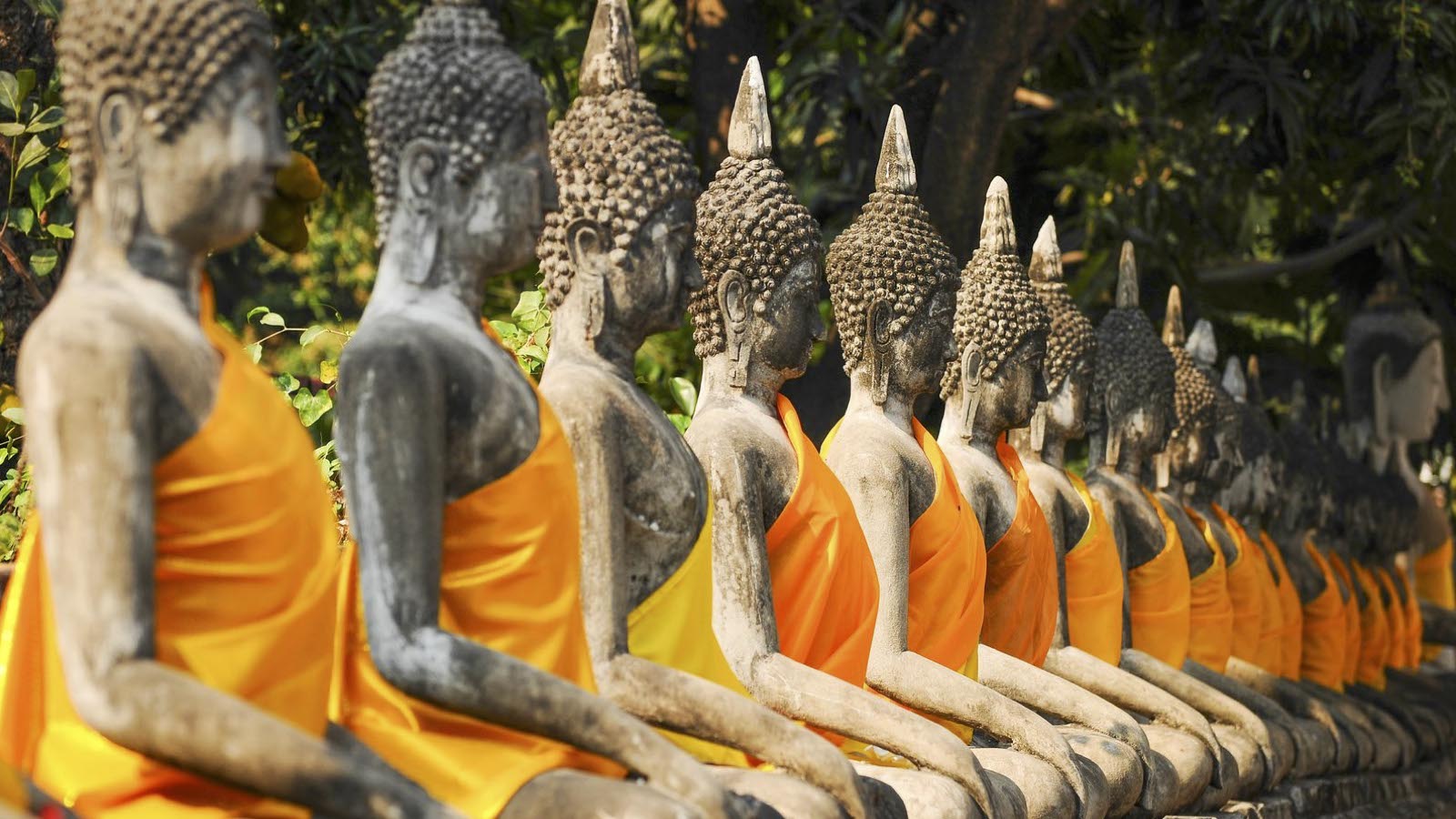
Travellers can explore temple complexes, archaeological ruins and religious landmarks that remain active parts of local life today. Cultural exploration in Sri Lanka often feels immersive and atmospheric rather than purely historical.
Wildlife experiences are among the most distinctive aspects of travelling in Sri Lanka, particularly through the country’s national parks and protected reserves. Safari regions such as Yala and Udawalawe are known for elephant populations, birdlife and opportunities to encounter wildlife in natural environments.
Unlike larger African safari destinations, Sri Lanka combines wildlife experiences with beaches, culture and mountain landscapes within the same itinerary. This accessibility and variety make safari travel here feel integrated into the broader journey.
The central highlands provide a very different perspective on Sri Lanka, with cooler temperatures, tea plantations and mountainous landscapes creating a slower and more scenic atmosphere. Areas such as Ella and Nuwara Eliya are particularly popular for their natural beauty and relaxed rhythm of travel.
Tea country journeys often include scenic train routes, walking trails and panoramic viewpoints that contrast strongly with the coastline and historic regions. The hill country adds visual diversity and a more reflective pace to the itinerary.
Sri Lanka’s coastline offers a range of beach experiences that vary according to region and season. Southern coastal areas combine relaxed beaches with boutique hotels and surfing spots, while quieter stretches of coastline provide a more secluded atmosphere.
Beach travel in Sri Lanka is often experienced as part of a wider itinerary rather than as a standalone resort stay. This creates a balance between relaxation and exploration that appeals strongly to travellers seeking variety within their journey.
Rail travel is one of Sri Lanka’s most memorable experiences, particularly through the hill country where routes pass tea plantations, forests and mountain scenery. Journeys between Kandy and Ella are especially well known for their changing landscapes and immersive atmosphere.
These routes encourage slower travel and provide opportunities to experience the island beyond traditional sightseeing. Scenic rail journeys often become one of the emotional highlights of travelling through Sri Lanka.
Sri Lankan cuisine reflects a blend of spices, regional traditions and local ingredients that vary across the island. Markets, small restaurants and local cafés provide opportunities to engage with everyday culture in an accessible and authentic way.
Food experiences are often closely connected to regional identity, allowing travellers to discover different flavours and traditions throughout their journey. Dining becomes part of the cultural exploration rather than simply a supporting activity.
Sri Lanka also supports wellness-focused travel through its slower rhythm, tropical environments and Ayurvedic traditions. Many travellers incorporate spa stays, yoga retreats and nature-based accommodation into their itineraries as a way to balance exploration with rest.
Wellness experiences are often integrated into scenic coastal or hillside environments, creating a strong connection between relaxation and the natural surroundings. This slower pace is one of the destination’s most appealing characteristics.
One of Sri Lanka’s greatest strengths is the ability to combine very different experiences within a single itinerary. Travellers can move from ancient cities and wildlife parks to tea plantations and beaches without losing a sense of continuity in the journey.
This flexibility makes Sri Lanka particularly suitable for experiential travel, where the emphasis is placed on variety, immersion and discovery rather than remaining in a single destination throughout the trip.
Sri Lanka offers one of the most balanced travel experiences in Asia, combining coastline, wildlife, culture and landscapes within a relatively compact island setting. Its diversity allows travellers to experience very different environments and rhythms of travel without requiring extensive internal journeys.
The destination is particularly well suited to multi-centre itineraries that combine heritage sites, hill country landscapes, beaches and safari experiences. Sri Lanka’s atmosphere feels both immersive and accessible, making it appealing to travellers seeking a journey shaped by contrast, discovery and variety.
Sri Lanka has a strong cultural identity shaped by Buddhist heritage, ancient kingdoms and centuries of regional influence. Historic sites such as Sigiriya, Polonnaruwa and Anuradhapura provide opportunities to explore temples, ruins and sacred landmarks that reflect the island’s long and layered history.
Cultural travel in Sri Lanka often feels integrated into the broader journey rather than limited to isolated attractions. Temples, local traditions and historic environments appear naturally throughout the itinerary, creating a destination that feels culturally rich without becoming overwhelming.
Wildlife and natural landscapes form a central part of the Sri Lankan travel experience, particularly through the country’s national parks and protected areas. Safari experiences in regions such as Yala and Udawalawe allow travellers to encounter elephants, birdlife and other native species within accessible natural environments.
The island’s diversity also creates strong environmental contrasts, ranging from tropical forests and lakes to mountainous regions and coastal scenery. This combination of wildlife and varied landscapes makes Sri Lanka especially appealing for nature-focused itineraries.
Sri Lanka’s coastline offers a wide range of beach experiences, from relaxed southern resorts to quieter and more scenic coastal areas. Different regions provide distinct atmospheres throughout the year, allowing travellers to adapt their itineraries according to seasonal conditions and travel preferences.
Unlike destinations focused purely on resort travel, Sri Lanka’s beaches are often experienced as part of a broader journey that includes culture, wildlife and inland exploration. This creates a more varied and dynamic coastal experience.
One of Sri Lanka’s most distinctive travel experiences comes from its scenic routes through the hill country, where tea plantations, mountains and mist-covered landscapes create a slower and highly visual atmosphere. Rail journeys between destinations such as Kandy and Ella are particularly well known for their scenery and immersive character.
Travel through the interior of the island often becomes an important part of the experience itself, with landscapes changing gradually between regions and elevations. This creates journeys that feel connected and continuously engaging.
Sri Lanka naturally supports slower and more reflective travel styles through its landscapes, hospitality and relaxed pace of life. Many travellers are drawn to coastal retreats, wellness-focused stays and nature-based environments that encourage rest and disconnection from busier routines.
Ayurvedic traditions and holistic wellness experiences are also integrated into many parts of the destination, particularly in resorts and retreats focused on balance and wellbeing. The island’s atmosphere lends itself naturally to slower and more immersive journeys.
Sri Lanka is particularly well suited to experiential travel because of the variety it offers within a compact geography. Travellers can combine ancient cities, wildlife, tea country and beaches within a single itinerary while maintaining a strong sense of continuity throughout the journey.
This flexibility allows itineraries to feel highly personalised and varied, appealing to travellers seeking more than a traditional single-destination beach holiday. Sri Lanka’s structure encourages exploration and gradual discovery across different regions and environments.
Sri Lanka is increasingly popular among couples seeking journeys that combine scenery, culture and relaxation within one destination. Boutique hotels, scenic train journeys, coastal retreats and wildlife experiences create itineraries that feel both memorable and emotionally engaging.
The destination offers a balance between comfort, authenticity and exploration, allowing couples to experience a wide range of environments without excessive travel complexity. This versatility makes Sri Lanka particularly rewarding for longer and more immersive journeys.
Sri Lanka can be visited year-round thanks to its varied climate. The southwest coast and hill country are best between December and April, while the east coast enjoys its most favourable weather from May to September. By planning your itinerary carefully, it is possible to experience the best conditions across different regions at almost any time of year.
Most travellers need to apply for an Electronic Travel Authorisation (ETA) before arrival. The process is straightforward and completed online, typically granting a short-term tourist stay. It is advisable to check current requirements based on your nationality before travelling.
Sri Lanka is well connected by international flights, with Colombo’s Bandaranaike International Airport serving as the main gateway. Direct and connecting flights are available from major international hubs, making access relatively straightforward from Europe, the Middle East and Asia.
The local currency is the Sri Lankan Rupee (LKR). Credit and debit cards are widely accepted in hotels and larger establishments, particularly in tourist areas, although it is recommended to carry some cash when visiting smaller towns or rural regions. ATMs and exchange services are widely available.
Travelling around Sri Lanka is relatively easy, although journey times can be longer than expected due to road conditions. Many travellers opt for a private driver for comfort and flexibility, while trains offer scenic routes, particularly through the hill country.
The southwest coast is home to some of the most popular beaches, including Bentota, Beruwala and Galle, known for their golden sands and well-developed resorts. The east coast also offers excellent beaches, particularly during its peak season, with a more laid-back and less crowded atmosphere.
Yes, Sri Lanka is an excellent destination for families, offering a wide variety of experiences including beaches, wildlife, cultural sites and family-friendly resorts. Its relatively compact size also makes it easy to combine different regions within one trip.
It is recommended to check with a healthcare professional before travelling, as some vaccinations may be advised depending on your itinerary. In certain cases, proof of yellow fever vaccination may be required if arriving from a risk area. General travel health advice should always be reviewed in advance.
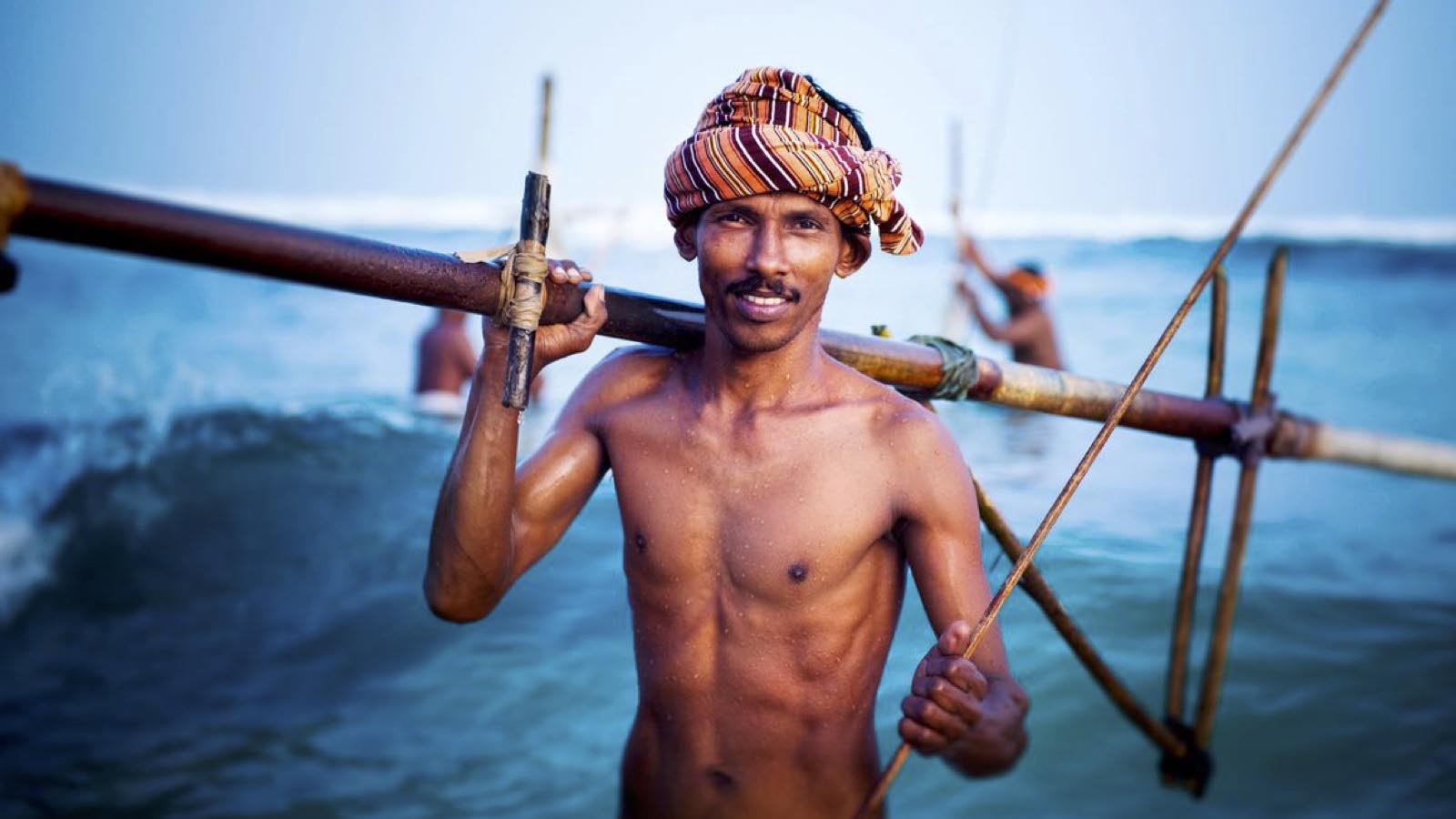
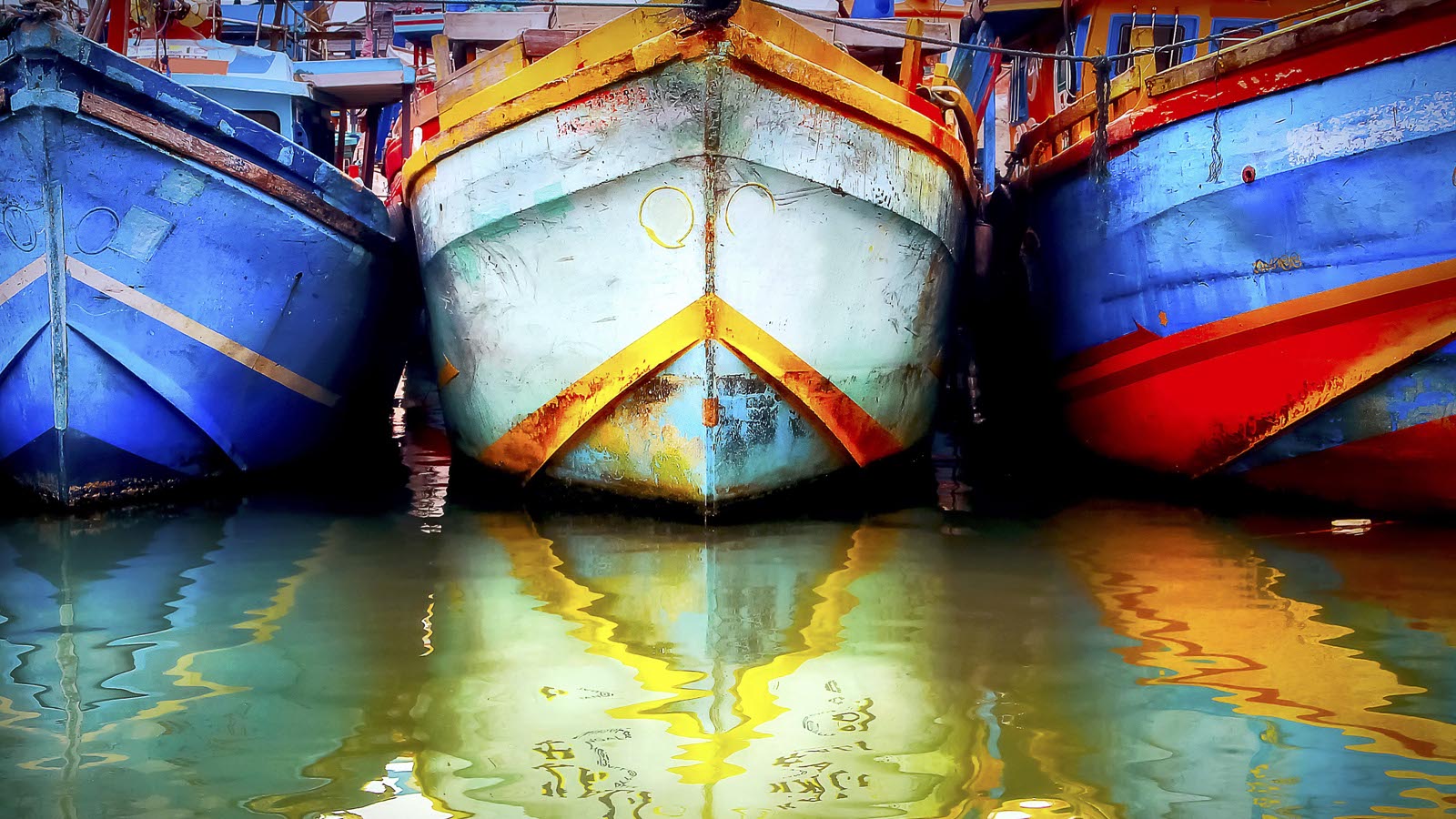
Explore a visual glimpse of Sri Lanka through a selection of images that capture the island’s landscapes, culture and atmosphere.
Browse through the gallery to discover some of the scenes that make Sri Lanka such a rewarding and memorable place to visit.