Thailand
Home All Destinations Thailand

Thailand is a destination that blends vibrant culture, natural beauty and a relaxed pace of travel into one seamless experience. From the energy of Bangkok and the historic temples of the north to the tropical beaches of the south, the country offers a diverse and accessible journey across contrasting landscapes.
Known for its warm hospitality, rich traditions and renowned cuisine, Thailand appeals to a wide range of travellers. Whether exploring cultural landmarks, enjoying island life or discovering its natural scenery, the country offers a balance of adventure and relaxation that defines its enduring appeal.
Thailand offers an exceptionally varied range of destinations, allowing travellers to combine cities, beaches, islands and nature within a single itinerary. Each region presents a distinct atmosphere and rhythm of travel, making the country particularly well suited to multi-centre journeys that balance exploration, relaxation and cultural discovery.
From the energy of Bangkok to the calm of tropical islands and the cultural richness of the north, Thailand adapts easily to different travel styles and expectations. The country’s strong infrastructure and domestic connectivity also make it possible to move efficiently between regions while experiencing very different environments.
Bangkok is the country’s main gateway and one of Asia’s most dynamic capitals, offering a layered combination of modern skyline, historic landmarks, riverside districts and contemporary lifestyle. The city provides a strong introduction to Thailand through its contrast between traditional culture and urban energy.
Many travellers use Bangkok as both an arrival point and an essential part of the journey itself, spending time exploring temples, rooftop dining, markets and cultural districts before continuing to other regions. The city also offers one of the widest accommodation ranges in the country, from boutique hotels to internationally recognised luxury properties.
Phuket is Thailand’s largest island and one of its most versatile coastal destinations, combining beaches, resort areas and access to nearby islands and maritime excursions. Different parts of the island provide contrasting atmospheres, ranging from lively beach hubs to quieter and more exclusive settings.
The destination is particularly popular for travellers seeking a balance between relaxation, convenience and luxury hospitality. Phuket also works well as a base for exploring surrounding islands and coastal scenery across the Andaman region.
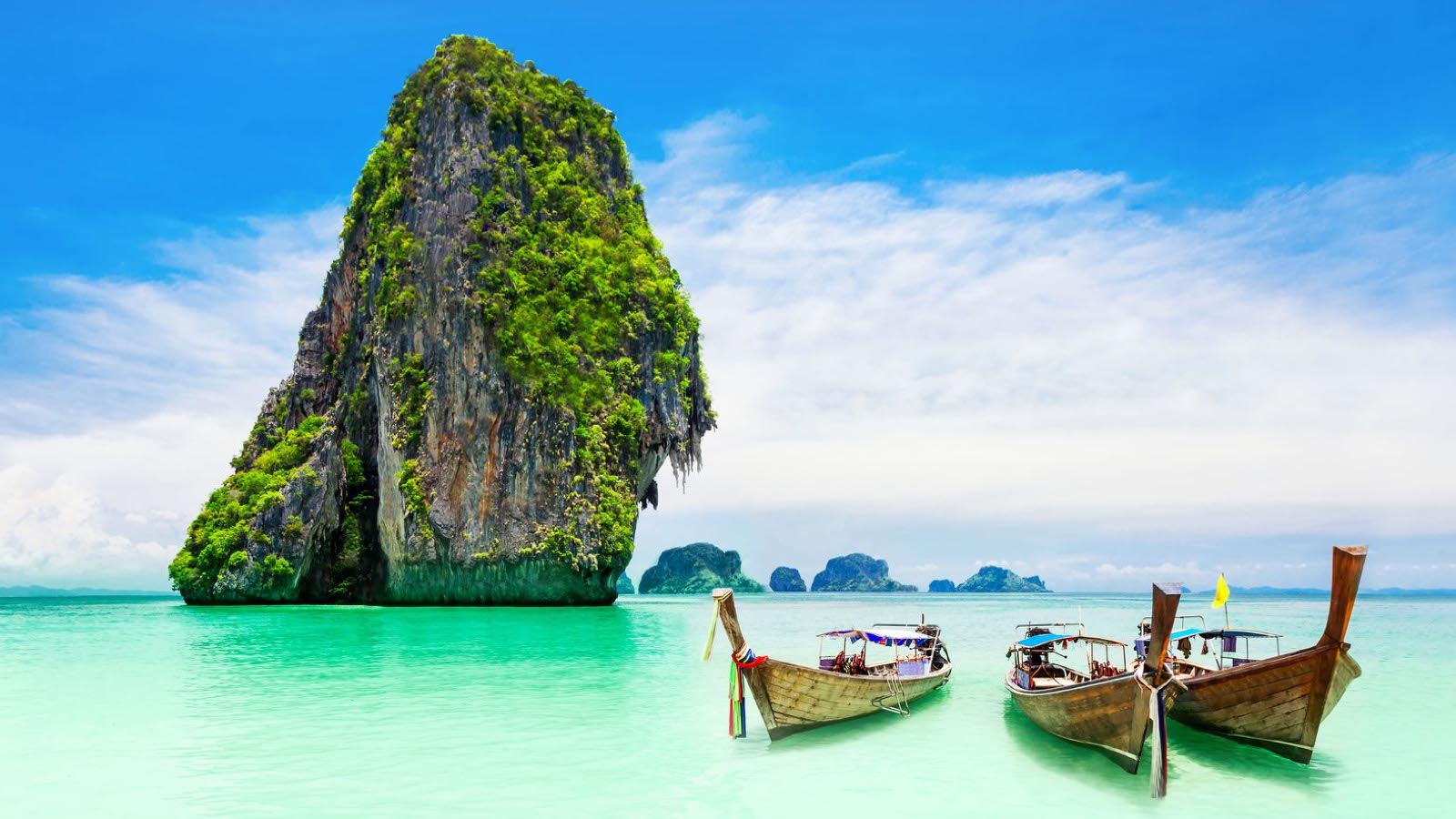
Krabi is known for its dramatic limestone landscapes, coastal scenery and more relaxed atmosphere compared with larger resort destinations. Areas such as Railay Beach and Ao Nang provide access to beaches, island excursions and outdoor experiences within a highly scenic environment.
The region appeals strongly to travellers seeking a more nature-focused coastal experience while still maintaining access to quality accommodation and infrastructure. Krabi is often combined with nearby islands and other southern destinations within broader itineraries.
Koh Samui offers a more refined and resort-oriented island experience, combining tropical beaches, luxury accommodation and a slower pace of travel. The island is particularly well suited to couples, wellness-focused travellers and visitors looking for comfort within a relaxed coastal environment.
Different beach areas provide varied atmospheres, from lively stretches with restaurants and nightlife to quieter bays centred on privacy and tranquillity. Koh Samui is also frequently combined with neighbouring islands such as Koh Phangan and Koh Tao.
Chiang Mai provides a very different perspective on Thailand, centred on culture, mountains and a more traditional rhythm of life. Located in the north of the country, it is known for its temples, markets and surrounding natural landscapes.
The city combines accessibility with strong cultural identity, making it particularly appealing for travellers interested in heritage, cuisine and slower-paced exploration. Chiang Mai is often included in itineraries seeking balance between cultural depth and coastal relaxation.
Khao Lak offers a quieter coastal alternative focused on nature, open beaches and relaxed resorts, while nearby Khao Sok introduces one of Thailand’s most immersive rainforest environments. Together, these regions create a combination of beach and jungle experiences that contrasts strongly with busier tourist hubs.
Travellers choosing this part of Thailand often seek slower travel rhythms, scenic landscapes and stronger connection with nature. The region works particularly well for travellers interested in combining relaxation with outdoor exploration.
Thailand is one of Asia’s best destinations for island-hopping, with ferry routes and domestic transport connections allowing travellers to combine multiple islands and coastal regions within one journey. This flexibility creates itineraries that can vary significantly in atmosphere, scenery and pace.
Some islands focus on nightlife and social travel, while others prioritise privacy, diving, wellness or nature. The ability to combine these different environments is one of Thailand’s strongest travel advantages and a major reason why many visitors return to the destination multiple times.
Thailand has developed an internationally recognised hospitality sector that combines high service standards with strong value and distinctive settings. Luxury accommodation ranges from beachfront villas and jungle retreats to urban design hotels and wellness-focused resorts.
Boutique properties are also widely available across the country, often reflecting local architecture and regional identity more closely than larger international resorts. This diversity allows travellers to personalise their experience according to style, atmosphere and level of exclusivity.
The best time to visit Thailand is generally between November and April, when the weather is drier and temperatures are more comfortable. The monsoon season typically runs from May to October, bringing heavier rainfall, particularly in coastal regions.
Thailand has a tropical climate, with warm temperatures throughout the year and seasonal variations in rainfall depending on the region.
Thailand celebrates a variety of cultural festivals, including Songkran and Loy Krathong, which offer unique insights into local traditions.
The local currency is the Thai Baht (THB). Cards are widely accepted, though cash is useful in markets and smaller establishments.
Thai cuisine is known for its balance of flavours, with street food and restaurants offering a wide variety of dishes across the country.
Thailand offers a highly diverse range of experiences that combine culture, landscapes, coastline and lifestyle within a single destination. Travellers can move between vibrant cities, historic regions, tropical islands and natural environments with relative ease, creating itineraries that feel varied and immersive.
The country’s accessibility and regional diversity make it suitable for both first-time visitors and returning travellers seeking deeper exploration. Whether focused on relaxation, discovery or cultural engagement, Thailand provides experiences that adapt naturally to different travel rhythms and interests.
Thailand’s cities combine modern energy with strong cultural identity, creating environments that feel both dynamic and approachable. Bangkok in particular offers a mix of contemporary skyline, historic temples, local markets and riverside districts, making it one of Asia’s most layered urban experiences.
Beyond the capital, cities such as Chiang Mai provide a slower and more traditional atmosphere, allowing travellers to experience local culture, cuisine and daily life in a more relaxed setting. Urban exploration in Thailand often balances intensity and calm within the same journey.
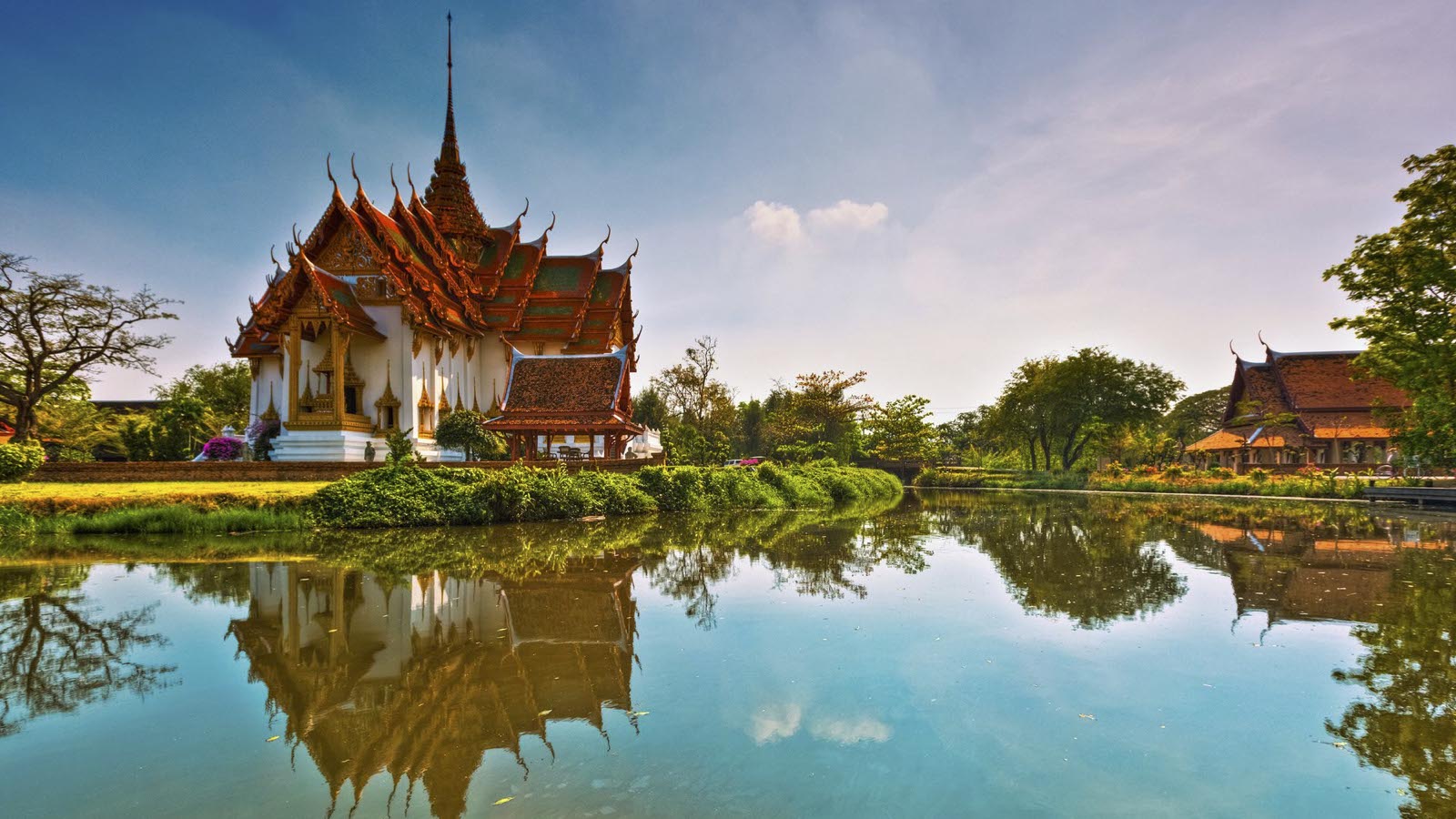
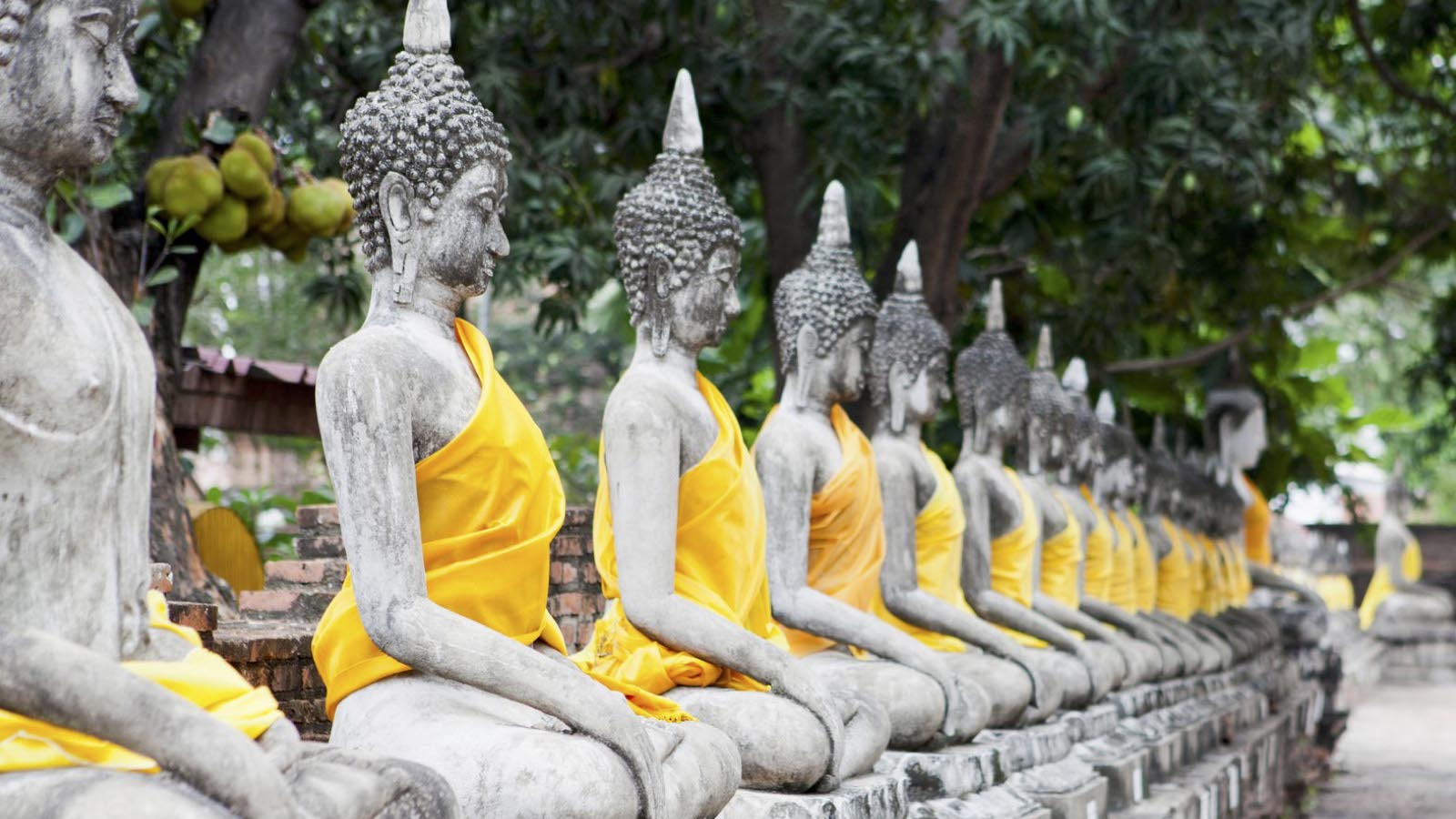
Thailand’s Buddhist heritage is visible throughout the country, from grand temple complexes to smaller community shrines and spiritual landmarks. Historic areas such as Ayutthaya and Sukhothai provide insight into the country’s cultural foundations through architecture, ruins and preserved heritage sites.
Cultural experiences in Thailand often extend beyond sightseeing, allowing travellers to engage with local traditions, ceremonies and craftsmanship. This creates a deeper and more meaningful perspective on the destination beyond its coastal appeal.
Thailand’s coastline is one of the country’s defining attractions, offering a combination of tropical scenery, island landscapes and varied coastal atmospheres. Destinations such as Phuket, Krabi and Koh Samui provide easy access to beaches, nearby islands and maritime activities.
Island exploration can range from lively and social environments to quieter and more secluded settings focused on relaxation and nature. Travellers often combine several islands within one itinerary, creating journeys that balance scenery, leisure and discovery.
Thailand’s natural environments include rainforests, limestone formations, waterfalls and mountainous regions that contrast strongly with the coastline and urban centres. National parks and protected areas offer opportunities for hiking, wildlife observation and slower-paced exploration.
Regions such as Khao Sok provide immersive jungle landscapes where lakes, forests and natural scenery become central to the travel experience. Outdoor travel in Thailand is often defined by visual contrast and accessibility rather than extreme adventure.
Thai cuisine is an essential part of the travel experience and varies noticeably between regions. Street food markets, local restaurants and contemporary dining venues all contribute to a culinary culture that feels both accessible and deeply rooted in local tradition.
Travellers can experience everything from casual market dining to refined gastronomy, often discovering regional flavours and ingredients that differ across the country. Food in Thailand is not simply an activity but an important expression of culture and everyday life.
Thailand has become one of Asia’s leading destinations for wellness-focused travel, combining spa traditions, holistic therapies and nature-based relaxation. Many resorts and retreats are designed around wellbeing experiences that emphasise calm environments and personalised treatments.
Wellness travel here often integrates naturally into broader itineraries, particularly in island and coastal destinations where slower rhythms and tropical settings encourage rest and disconnection from everyday routines.
One of Thailand’s greatest strengths is the variety of experiences that can be combined within a single journey. Travellers can move from urban exploration to island relaxation, cultural discovery and natural landscapes without losing a sense of continuity in the itinerary.
This flexibility makes Thailand particularly suited to experiential travel, where the focus is placed on atmosphere, contrast and immersion rather than simply visiting landmarks. The destination encourages travellers to engage with different environments and rhythms throughout the journey.
Thailand offers one of the most versatile travel experiences in Asia, combining tropical coastlines, vibrant cities, cultural heritage and natural landscapes within a single destination. Its diversity allows travellers to create itineraries that range from relaxed beach escapes to immersive cultural journeys and luxury experiences.
The country is particularly well suited to multi-centre travel, where different regions reveal contrasting atmospheres and experiences. From the energy of Bangkok to the calm of island resorts and the cultural depth of the north, Thailand adapts easily to different travel styles and traveller profiles.
Thailand is internationally recognised for its islands and coastal scenery, offering everything from lively beach destinations to quieter and more secluded environments. Regions such as Phuket, Krabi and Koh Samui combine clear waters, tropical landscapes and a wide range of accommodation styles, from boutique hotels to luxury resorts.
Island-hopping is one of the defining travel experiences in the country, allowing visitors to combine different islands and coastal regions within a single itinerary. Whether focused on relaxation, scenery or maritime exploration, Thailand’s coastline remains one of its strongest travel appeals.
Thailand has developed a strong reputation for luxury hospitality, combining high service standards with exceptional value and scenic settings. Luxury travel here often focuses on space, privacy and personalised experiences, particularly in beachfront resorts, jungle retreats and wellness-focused properties.
Many travellers choose Thailand for journeys centred on comfort and exclusivity while still maintaining access to local culture and landscapes. From private pool villas to refined wellness resorts, the destination offers a broad spectrum of high-end experiences across multiple regions.
Beyond its beaches, Thailand offers a rich cultural identity shaped by Buddhist traditions, historic cities and regional customs. Destinations such as Chiang Mai and Ayutthaya provide opportunities to explore temples, traditional architecture and local markets, creating a deeper connection with the country’s heritage.
Cultural travel in Thailand often combines historic exploration with everyday experiences, allowing travellers to engage with local traditions, cuisine and craftsmanship. This balance between accessibility and authenticity makes the country particularly rewarding for travellers seeking more than a purely resort-based holiday.
Thailand’s landscapes extend far beyond the coastline, ranging from mountainous regions in the north to rainforests, lakes and national parks in the south. Areas such as Khao Sok offer a more immersive natural environment, where jungle scenery and slower-paced travel become central to the experience.
The country’s varied geography allows travellers to combine beaches with inland exploration, creating itineraries with strong visual and environmental contrast. Nature-focused travel in Thailand is ideal for visitors looking to balance relaxation with outdoor discovery.
Thailand is also recognised as one of Asia’s leading wellness destinations, with many travellers drawn to its spa culture, holistic retreats and slower rhythm of travel. Wellness experiences range from luxury spa resorts to yoga retreats and nature-based escapes focused on rest and reconnection.
The destination’s relaxed atmosphere and hospitality naturally support slower and more intentional travel styles, particularly in coastal and rural areas where the emphasis shifts towards wellbeing, balance and immersion in the surroundings.
One of Thailand’s greatest strengths is its ability to support highly varied itineraries within a relatively accessible travel structure. Travellers can combine urban experiences, cultural regions, beaches and nature within a single journey, often without long travel times between destinations.
This flexibility makes Thailand particularly suitable for experiential travel, where the journey is shaped by contrast and discovery rather than a single location. The country’s infrastructure, hospitality and diversity allow travellers to move easily between different environments and experiences.
The best time to visit Thailand is generally between November and April, when conditions are typically drier and temperatures more comfortable across much of the country.
Weather patterns can vary depending on the region, particularly between the Gulf of Thailand and the Andaman coast, making some destinations more suitable than others at different times of year.
Many nationalities can enter Thailand without a visa for short stays, although entry conditions and permitted stay durations may vary depending on nationality and purpose of travel.
As immigration regulations can change, travellers should always verify the latest official requirements before departure.
Thailand is considered a safe and well-established destination with a long-standing tourism industry and extensive visitor infrastructure.
As with any international destination, travellers should take standard precautions, particularly in crowded tourist areas and nightlife districts.
The official currency of Thailand is the Thai Baht (THB).
Credit and debit cards are widely accepted in hotels, shopping centres and major restaurants, although cash remains useful for markets, local businesses and smaller establishments.
Thailand has a well-developed transport network that makes travelling between regions relatively straightforward.
Domestic flights, trains, ferries and road transfers connect the country’s main cities, islands and tourist destinations efficiently.
Light and breathable clothing is recommended due to Thailand’s warm tropical climate.
When visiting temples and religious sites, travellers are expected to dress modestly, covering shoulders and knees where appropriate.
A stay of ten to fourteen days is ideal for combining multiple regions, including cities, cultural areas and beach destinations.
Longer itineraries allow for a more relaxed pace and the inclusion of lesser-known islands or northern regions.
Yes, Thailand is particularly well suited to multi-centre itineraries that combine urban, cultural and beach experiences.
Popular combinations often include Bangkok, Chiang Mai and one or more southern island destinations within the same journey.
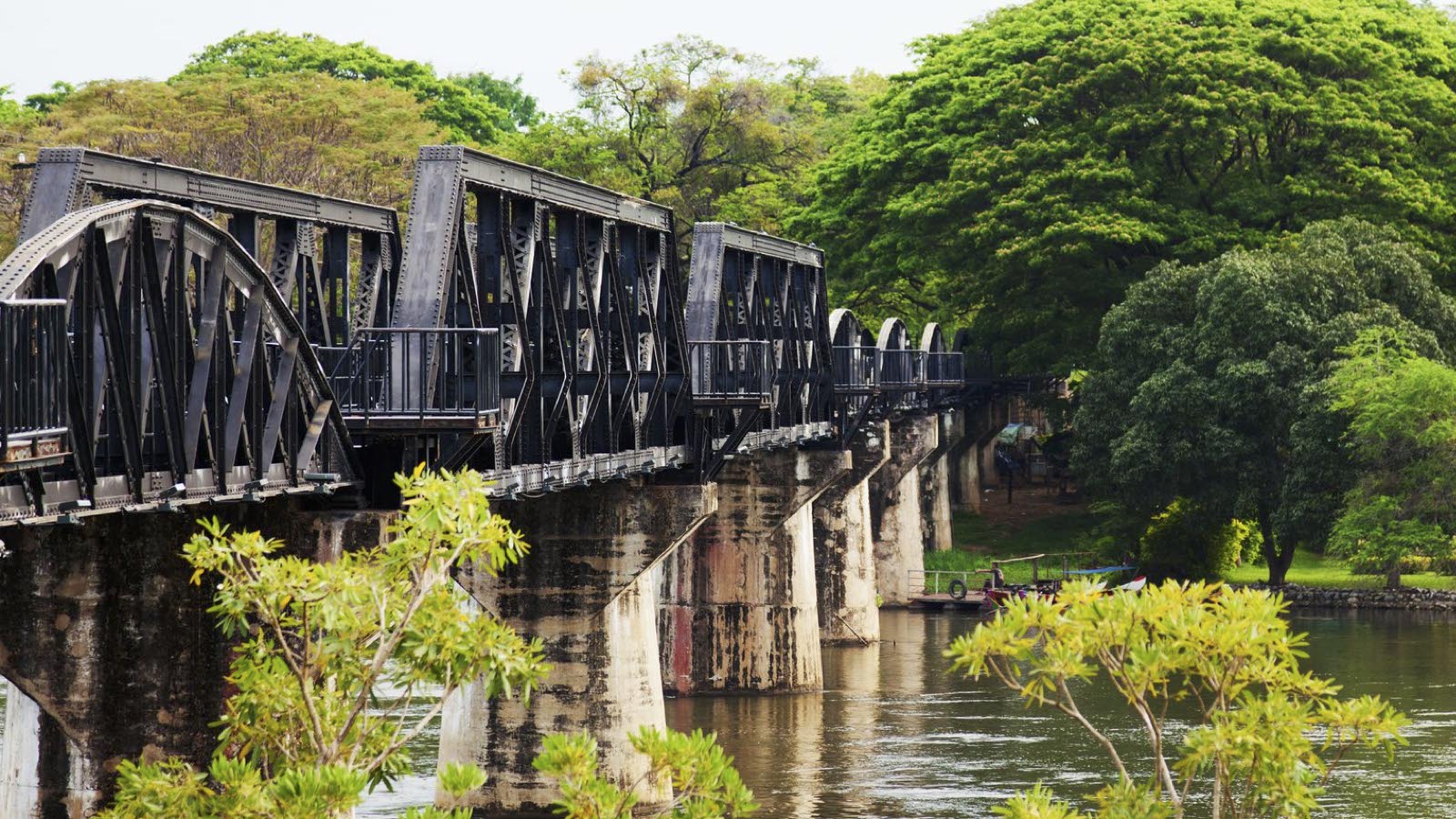
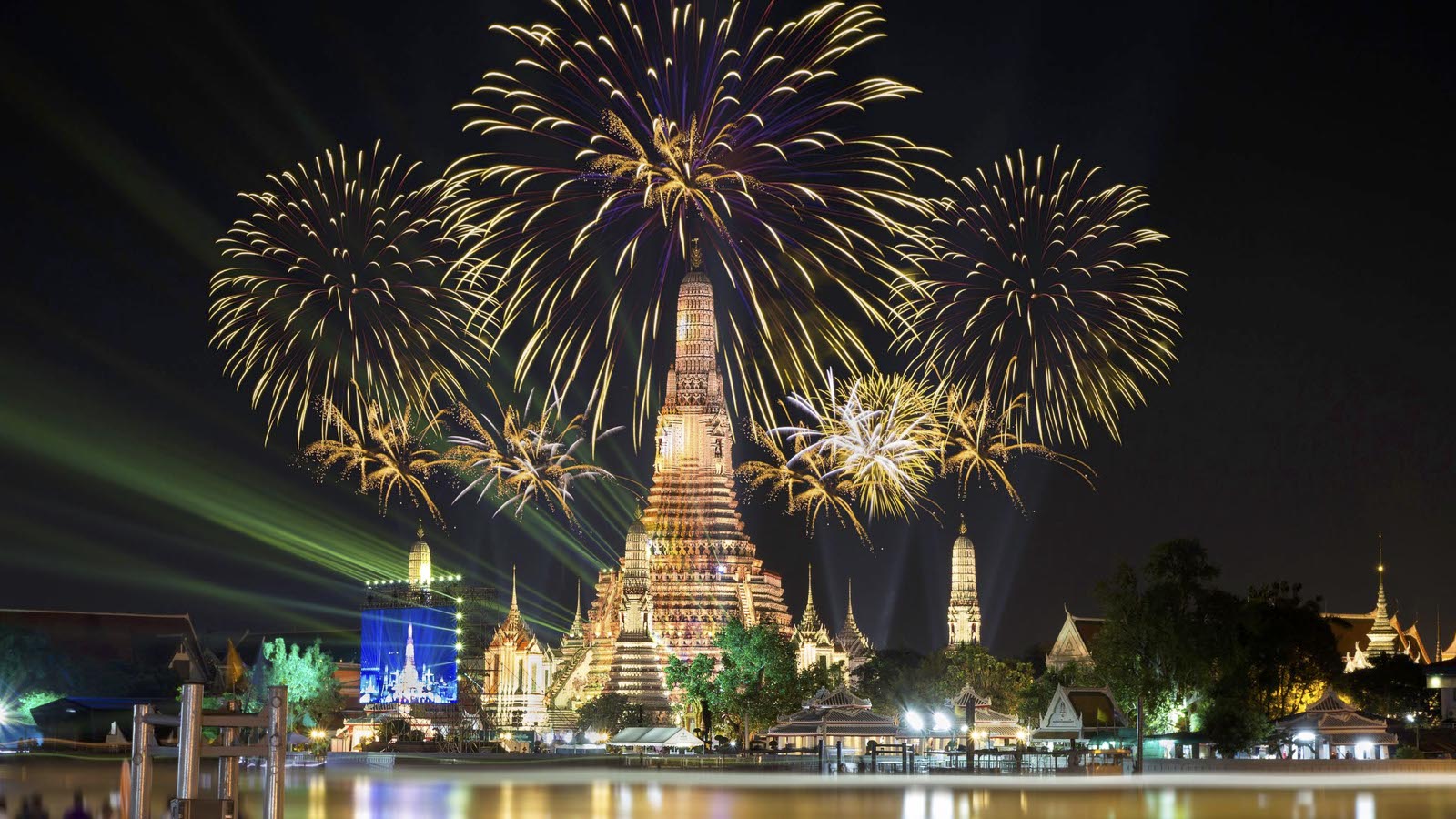
Explore a visual glimpse of Thailand through images that capture its landscapes, culture and atmosphere.
Discover the scenes that define this vibrant destination.