Trinidad And Tobago
Home All Destinations Trinidad And Tobago

Trinidad and Tobago is a dual-island Caribbean destination where vibrant culture, diverse landscapes and coastal beauty come together to create a rich and dynamic travel experience. Each island offers a distinct character, combining energy and tranquillity within a single journey.
Trinidad is known for its lively atmosphere, cultural events and urban energy, while Tobago offers a more relaxed and scenic setting with beaches and nature. Together, they provide a balanced destination that blends rhythm, heritage and natural surroundings.
Trinidad and Tobago offers two very different island experiences within one destination, combining vibrant cultural environments with tropical beaches and rainforest landscapes. Accommodation choices are often shaped by whether travellers prioritise cultural immersion, nature exploration or slower coastal relaxation.
The contrast between Trinidad and Tobago creates opportunities for balanced multi-island itineraries where travellers can experience both energetic local culture and quieter Caribbean scenery within the same journey.
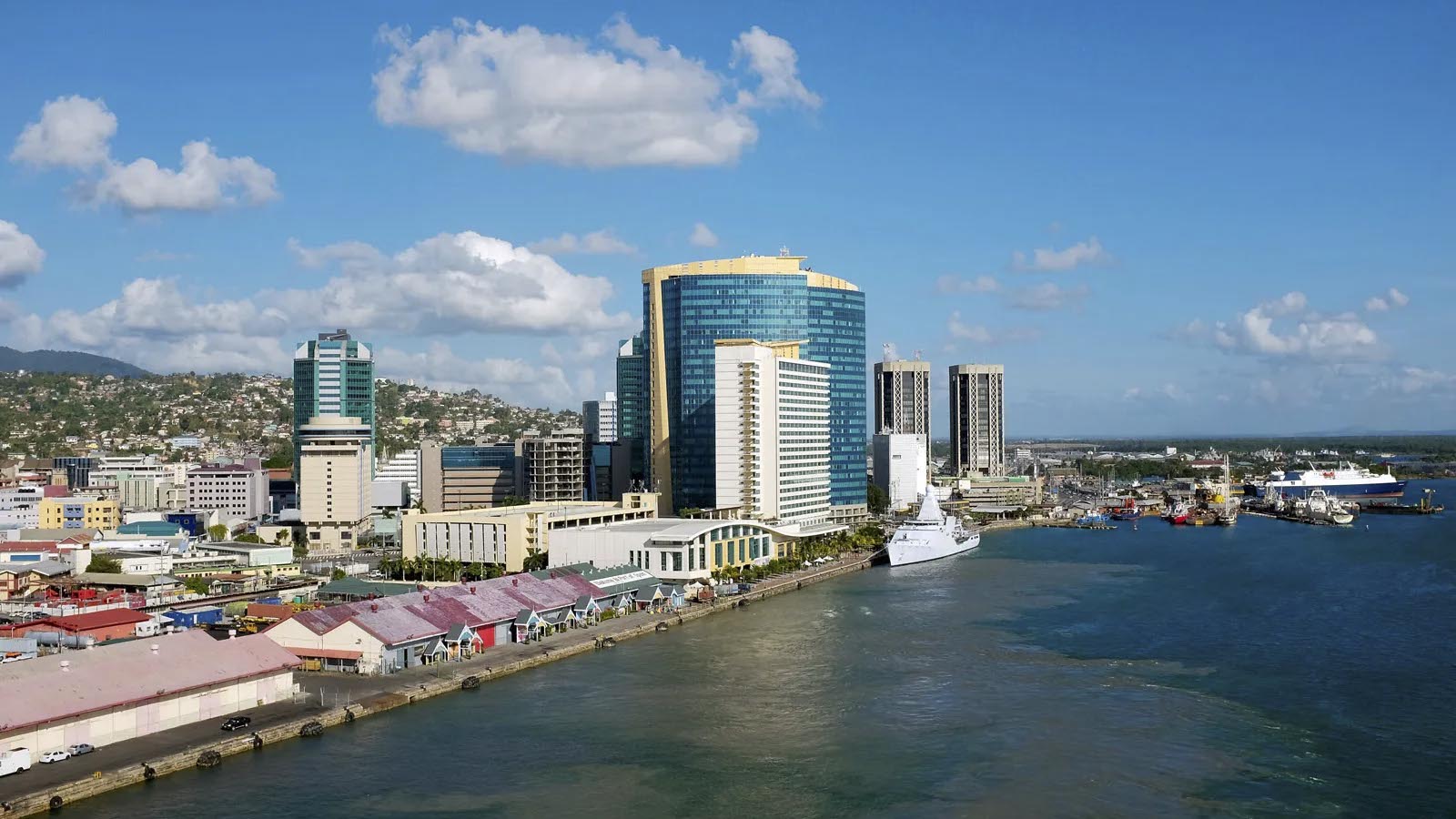
Port of Spain is the cultural and commercial centre of Trinidad, offering an energetic urban atmosphere shaped by music, cuisine and local life. The city is particularly important during Carnival periods, when it becomes one of the Caribbean’s most vibrant cultural destinations.
Accommodation ranges from modern business hotels and lifestyle properties to smaller boutique stays suited to travellers seeking access to restaurants, nightlife and cultural experiences.
Trinidad’s northern coastal regions provide a more scenic and nature-focused environment compared with the urban atmosphere of Port of Spain. Areas along the coast combine rainforest landscapes, quieter beaches and slower travel rhythms.
Accommodation in these regions often focuses on smaller guesthouses, eco-retreats and scenic properties integrated into tropical surroundings.
Tobago offers a more relaxed and nature-oriented Caribbean experience centred on beaches, tropical scenery and outdoor living. The island appeals particularly to travellers seeking quieter environments and less commercialised coastal travel.
Accommodation ranges from beachfront resorts and boutique villas to eco-lodges and smaller family-run properties integrated into coastal and rainforest landscapes.
The southwest region of Tobago, including Crown Point, provides some of the island’s most accessible beaches and resort environments while maintaining a relaxed Caribbean atmosphere. The area combines beach travel with local restaurants, marine excursions and outdoor activities.
Accommodation includes beachfront hotels, boutique stays and smaller resorts suited to travellers seeking convenience and easy access to coastal experiences.
Tobago in particular has developed a strong eco-lodge and nature retreat atmosphere where accommodation focuses on tropical landscapes, wildlife and environmental immersion rather than large-scale resort development.
These stays appeal especially to travellers seeking slower and more environmentally connected journeys shaped by rainforest scenery and coastal tranquillity.
The islands offer a range of boutique and beachfront accommodation experiences focused on local character, relaxed hospitality and scenic surroundings. Boutique stays are often smaller in scale and designed around atmosphere rather than formal luxury.
This approach to hospitality creates journeys that feel personal, authentic and closely connected to the identity of the islands themselves.
Although Trinidad and Tobago is less resort-focused than some Caribbean destinations, the islands also offer luxury villas and premium coastal properties suited to travellers seeking privacy and comfort. These stays are generally defined by scenery and exclusivity rather than large-scale luxury infrastructure.
Villa-style accommodation is particularly popular in Tobago where travellers can enjoy tropical surroundings and quieter beach environments.
Many travellers choose to combine both Trinidad and Tobago within one journey in order to experience the destination’s cultural and environmental contrasts. Trinidad introduces music, urban rhythm and cultural immersion, while Tobago offers beaches, nature and slower travel.
This structure creates itineraries that feel balanced and layered while allowing accommodation choices to shape the rhythm and atmosphere of the overall experience.
The best time to visit is between January and May, when the weather is drier and conditions are favourable for travel. The Carnival season in February or March is a major highlight.
The islands have a tropical climate with warm temperatures year-round.
Events such as Carnival reflect the destination’s cultural identity.
The official currency is the Trinidad and Tobago Dollar (TTD).
Trinidad and Tobago offers a Caribbean travel experience shaped by culture, music, nature and tropical coastline rather than large-scale resort tourism alone. Travellers can combine vibrant local life, rainforest exploration and relaxed beach environments while experiencing strong contrasts between the two islands.
The destination rewards travellers seeking authenticity, regional identity and immersive experiences closely connected to local culture and natural landscapes.
Trinidad is internationally recognised for its Carnival celebrations, music traditions and energetic cultural atmosphere. Steelpan music, calypso and soca rhythms form part of everyday life and contribute strongly to the identity of the islands.
Even outside festival periods, travellers can experience local culture through live music venues, street life, markets and community events that reveal the country’s vibrant social character.
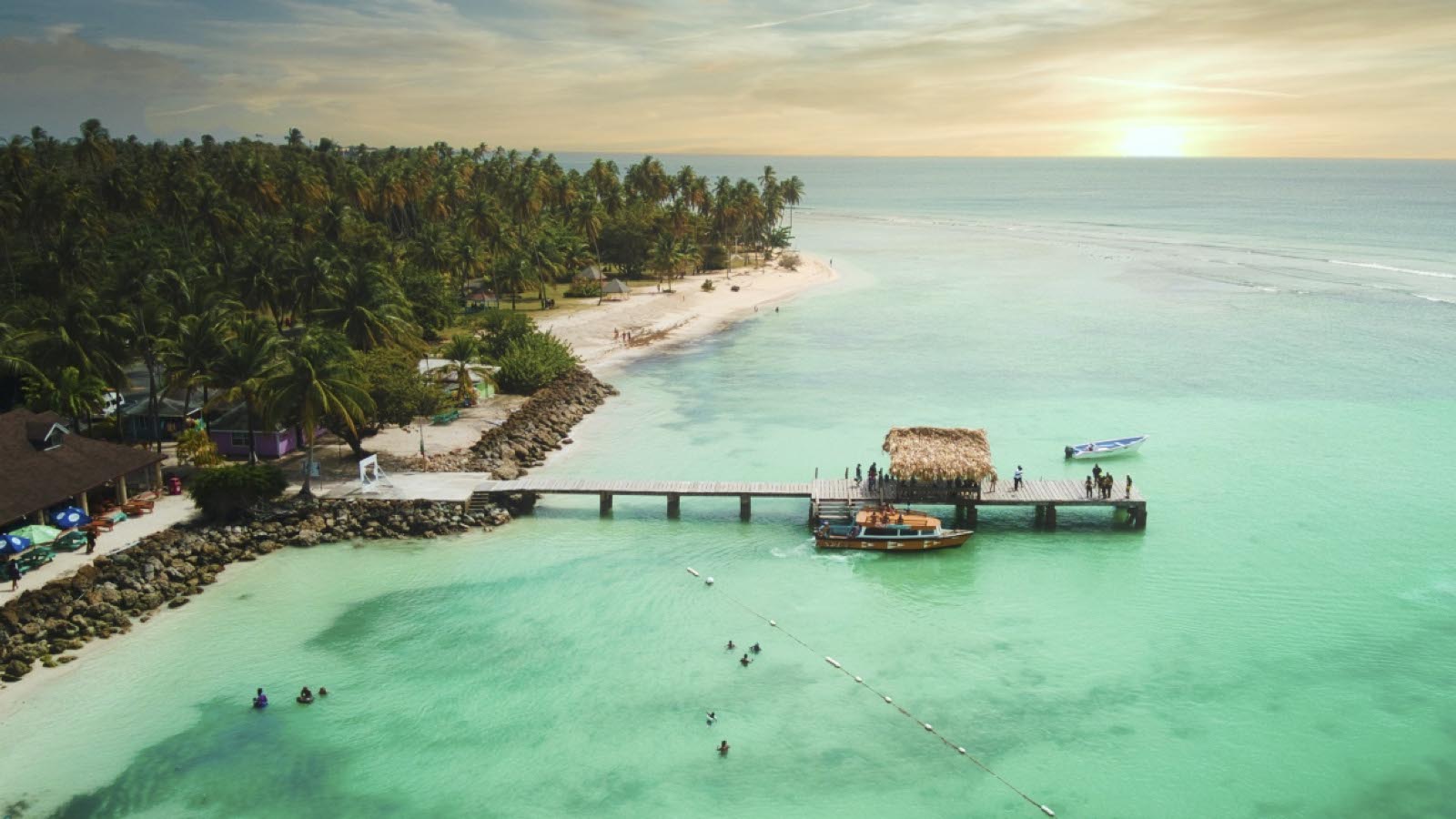
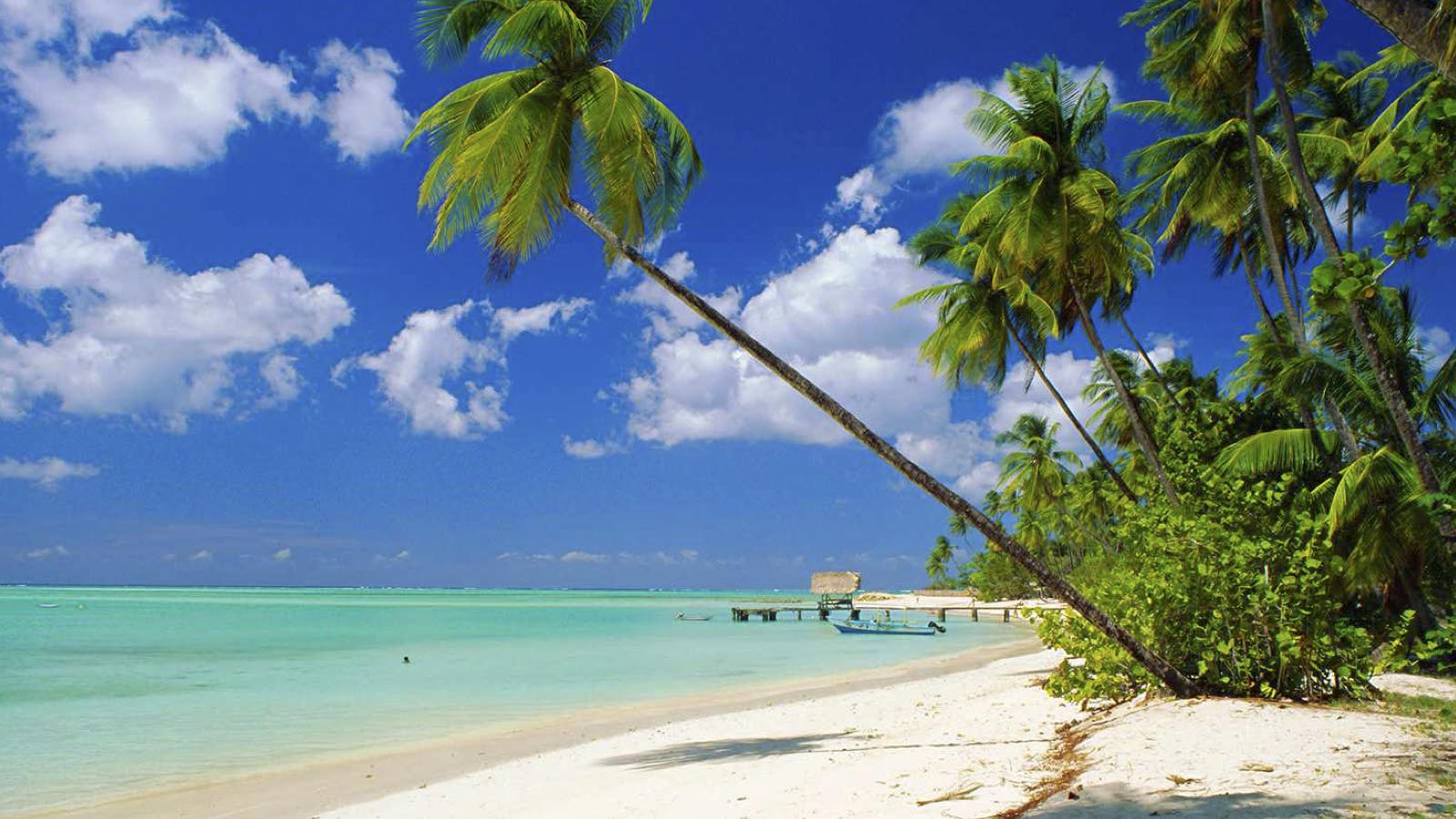
Tobago offers some of the Caribbean’s most relaxed and scenic beach environments, combining tropical coastline with a slower and more nature-focused atmosphere. Beaches here are often less commercialised than in larger Caribbean resort destinations.
Travellers can experience calm bays, palm-lined shores and quieter coastal landscapes that encourage slower and more immersive beach travel.
Nature plays an important role in the identity of both islands, particularly through rainforests, birdlife and protected natural areas. Tobago’s Main Ridge Forest Reserve is one of the oldest protected rainforest areas in the Western Hemisphere and offers scenic hiking and wildlife experiences.
Nature exploration in Trinidad and Tobago often feels intimate and accessible, allowing travellers to experience tropical landscapes without extensive travel distances.
Marine environments are an important part of travelling through the islands, particularly in Tobago where snorkelling, diving and boat excursions reveal coral reefs and tropical waters. Coastal exploration is generally relaxed and closely connected to the natural environment.
Water-based activities are often integrated into broader beach and nature itineraries rather than functioning as isolated tourism experiences.
Food culture reflects the islands’ multicultural identity through Caribbean, Indian and Creole influences visible in both street food and traditional cuisine. Travellers can explore local flavours through markets, roadside vendors and small restaurants across both islands.
Culinary experiences are often highly social and connected to local daily life, making food exploration an essential part of understanding the destination’s atmosphere and culture.
Port of Spain provides a more energetic urban experience shaped by culture, music and local identity rather than large-scale tourism development. The city acts as the cultural and commercial centre of Trinidad and introduces travellers to the country’s vibrant social rhythm.
Travellers can explore local markets, cultural venues and neighbourhoods that reflect the diversity and creativity of Trinidadian life.
Tobago offers a calmer and more restorative environment compared with Trinidad, making it especially appealing for travellers seeking beach relaxation and nature immersion. The island encourages slower travel rhythms focused on scenery and outdoor living.
Many visitors combine Tobago’s beaches and rainforest environments with simple and scenic accommodation experiences that feel highly connected to the local landscape.
Trinidad and Tobago is particularly rewarding for experiential travel because the two islands provide very different atmospheres within one destination. Travellers can combine cultural immersion, music and urban life with tropical beaches and nature-focused exploration.
This contrast creates journeys that feel layered, authentic and highly memorable while remaining relatively accessible and easy to navigate.
Trinidad and Tobago offers a highly distinctive Caribbean travel experience shaped by cultural diversity, tropical landscapes and the contrast between its two islands. Unlike destinations focused purely on resort tourism, the country combines beaches, music, nature and local identity within a more authentic and less commercial atmosphere.
Travellers can experience vibrant urban culture, rainforest environments and quieter coastal regions while enjoying strong regional contrast between the energetic atmosphere of Trinidad and the slower rhythm of Tobago. The destination is particularly rewarding for travellers seeking immersive and culturally rich Caribbean journeys.
Culture forms one of the defining aspects of travelling through Trinidad and Tobago, particularly through music, festivals and local traditions deeply integrated into everyday life. Trinidad is internationally recognised for Carnival, calypso and steelpan culture, creating a destination strongly connected to rhythm, creativity and celebration.
Cultural travel here often feels highly immersive because music, cuisine and social life are experienced naturally throughout the journey rather than only through organised attractions or performances.
Tobago in particular offers scenic Caribbean beaches, quieter coastal environments and a slower pace compared with more resort-focused islands in the region. Beach travel here is generally centred on nature, simplicity and atmosphere rather than large-scale tourism infrastructure.
The combination of tropical coastline and relatively undeveloped scenery creates journeys that feel more relaxed and environmentally connected than in heavily commercialised beach destinations.
Rainforests, birdlife and marine environments form an important part of the destination’s identity, especially in Tobago where nature-focused exploration is closely linked to the island’s atmosphere. Travellers can experience tropical forests, coral reefs and protected natural areas within relatively compact distances.
Nature travel often feels intimate and accessible, allowing visitors to engage with landscapes and wildlife without requiring extensive or remote expeditions.
Trinidad and Tobago appeals strongly to travellers seeking authentic Caribbean experiences shaped by local culture and community rather than highly curated tourism environments. Markets, local food and everyday street life contribute significantly to the overall travel experience.
The destination encourages travellers to engage more directly with local identity, creating journeys that feel personal, immersive and culturally vibrant.
Cuisine reflects the islands’ multicultural heritage through strong influences from African, Indian, Creole and Caribbean traditions. Food culture is deeply integrated into everyday life and forms an important part of exploring the destination.
Street food, local restaurants and market environments allow travellers to experience regional identity through flavour, social atmosphere and culinary diversity.
Tobago naturally supports slower and more restorative travel styles through its relaxed atmosphere, tropical scenery and quieter coastal environments. Many travellers visit specifically to disconnect from fast-paced routines and experience a calmer Caribbean rhythm.
Wellness travel here is generally informal and connected to nature, beaches and outdoor living rather than structured luxury retreat concepts.
The islands also support active travel experiences including hiking, diving, snorkelling and coastal exploration. Rainforest trails and marine environments create opportunities for outdoor immersion within highly scenic tropical settings.
Adventure travel in Trinidad and Tobago is generally shaped by landscape and authenticity rather than large-scale tourism infrastructure or extreme activity.
One of the destination’s greatest strengths is the contrast between Trinidad and Tobago themselves. Trinidad offers energy, culture and urban rhythm, while Tobago provides beaches, nature and slower-paced coastal environments.
This dual-island structure creates journeys that feel balanced and varied, allowing travellers to experience two very different Caribbean atmospheres within one itinerary.
The dry season, typically between January and May, offers the most comfortable conditions for travel and outdoor activities.
Different times of year also provide unique experiences, including Carnival season in Trinidad and quieter beach escapes in Tobago.
Visa requirements depend on nationality, with many travellers able to enter visa-free for short stays.
As entry regulations may change, travellers should always check the latest official requirements before departure.
Trinidad and Tobago is a well-established destination, though travellers should follow standard precautions and local guidance, particularly in urban areas.
Tourist regions and organised travel experiences are generally straightforward and accessible.
The official currency is the Trinidad and Tobago Dollar (TTD).
Cards are widely accepted in hotels and larger establishments, although carrying some cash is recommended for smaller purchases and local businesses.
Flights and ferry services connect Trinidad and Tobago regularly, making it possible to combine both islands within a single itinerary.
Tobago is generally more relaxed and beach-focused, while Trinidad is known for its culture, nightlife and events.
A stay of six to eight days is ideal for combining both islands comfortably.
Longer stays allow for a more relaxed pace and additional time to explore beaches, rainforest areas and cultural attractions.
Yes, Trinidad and Tobago is considered one of the Caribbean’s richest destinations for music, cuisine and cultural traditions.
The destination is particularly well known for Carnival, live music and its blend of African, Indian and Caribbean influences.
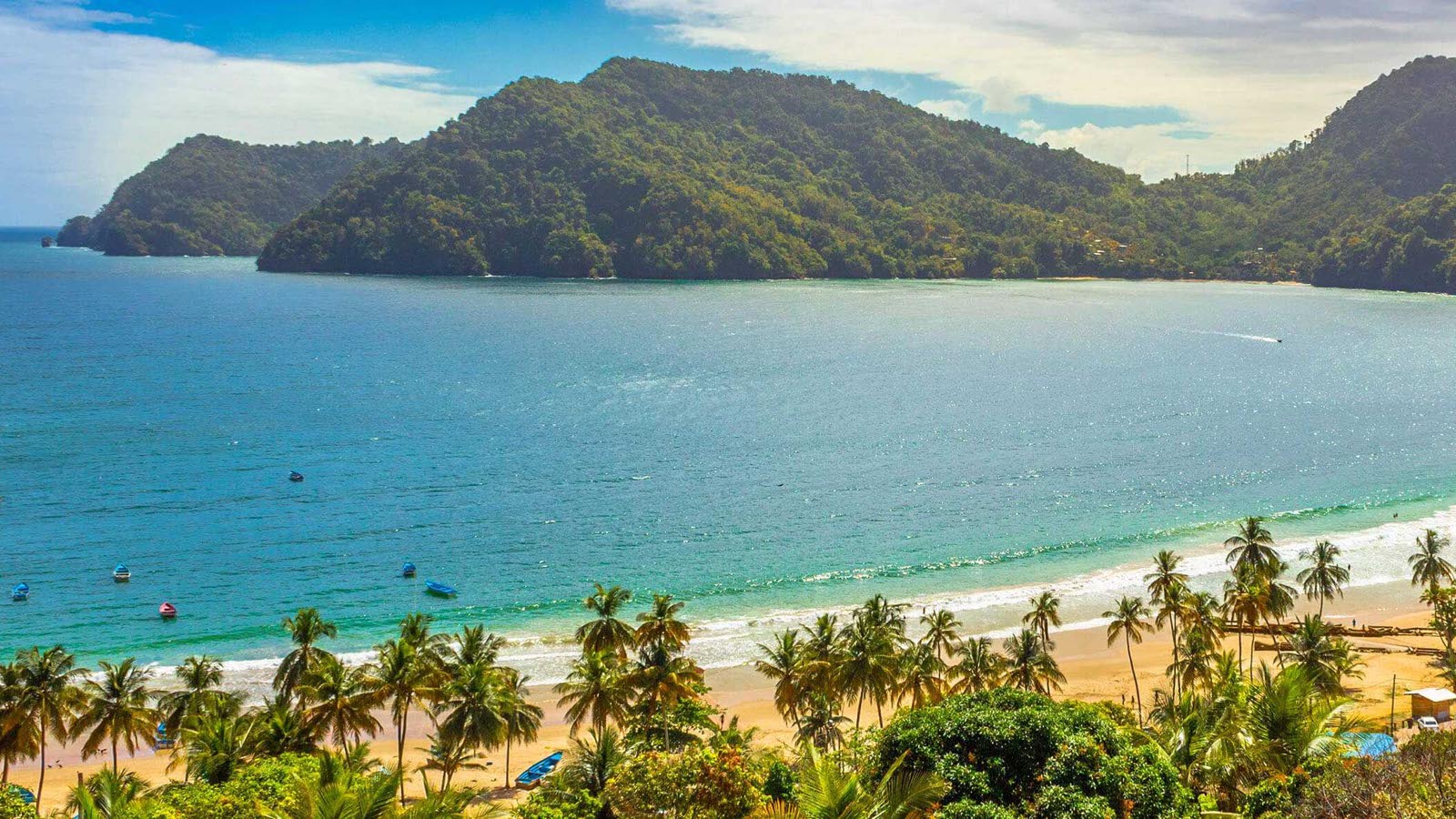
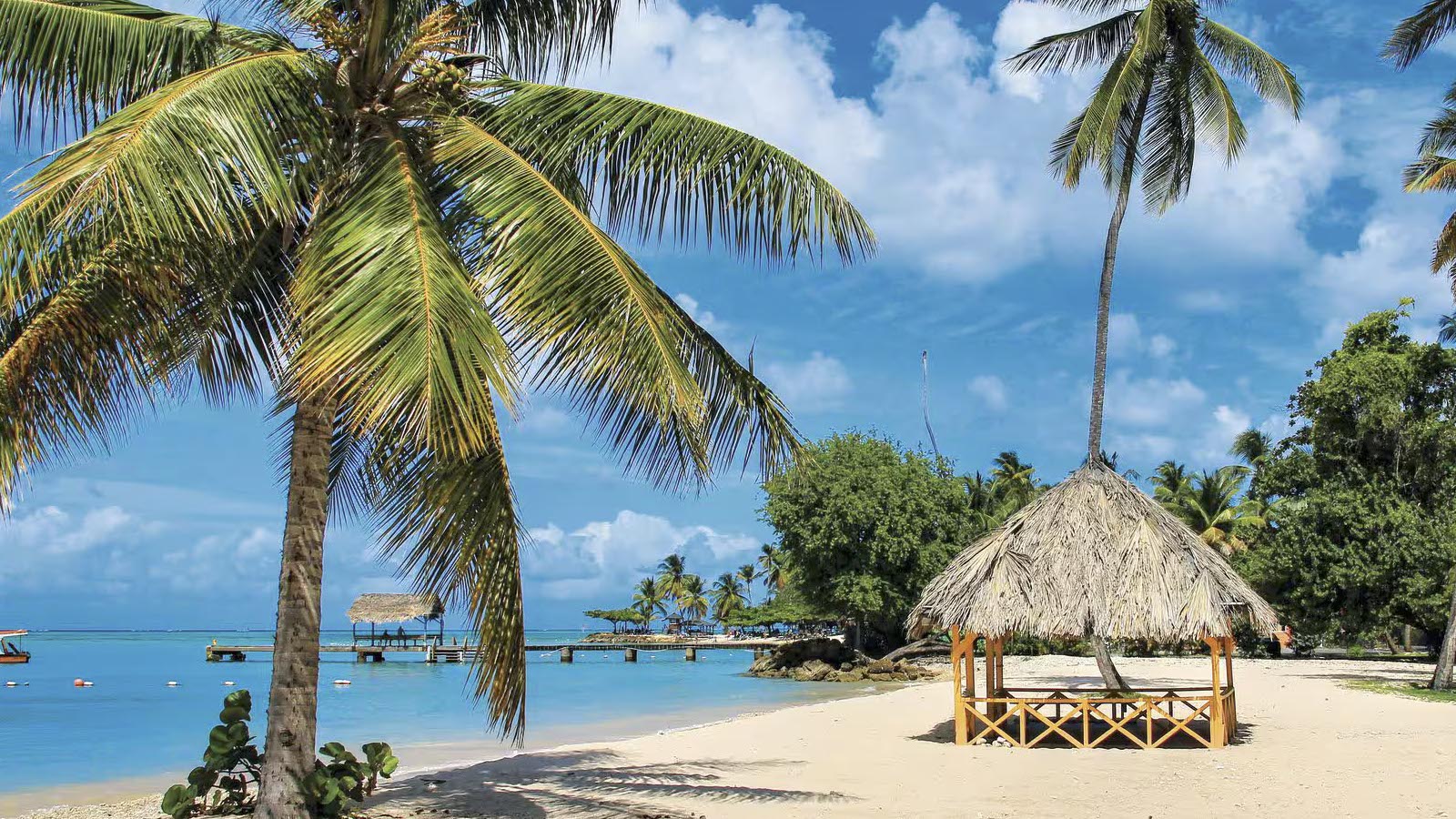
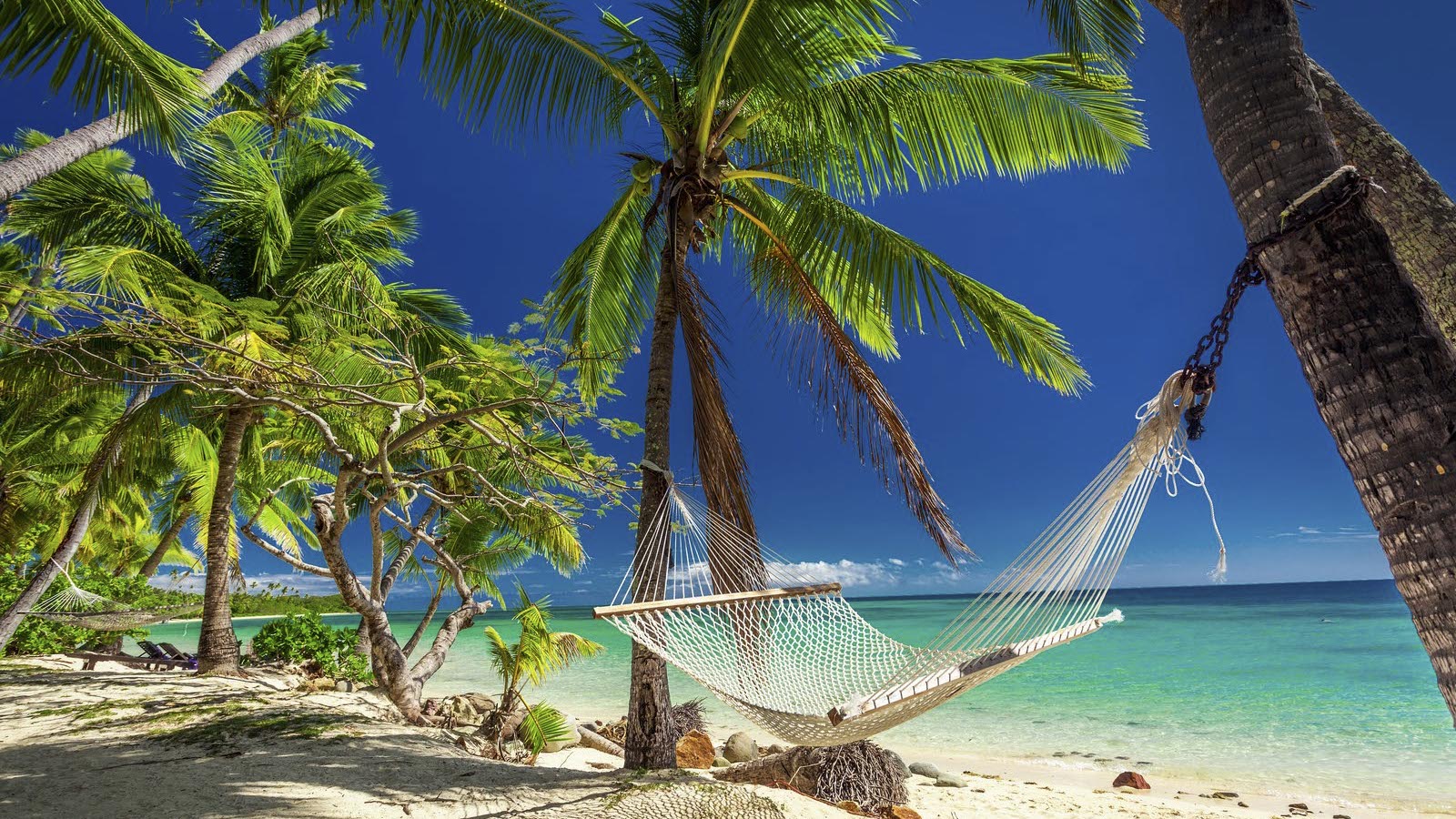
Explore a visual glimpse of Trinidad and Tobago through images that capture its culture, landscapes and coastline.
Discover the energy and contrast that define this Caribbean destination.