Uzbekistan
Home All Destinations Uzbekistan

Uzbekistan is a Central Asian destination known for its Silk Road heritage, monumental architecture and deep cultural identity. It offers a travel experience shaped by history, craftsmanship and a sense of discovery.
Travellers can explore cities such as Samarkand, Bukhara and Khiva, where intricate architecture and historic sites reflect centuries of trade and cultural exchange. Uzbekistan’s distinctive atmosphere and visual richness make it one of the most unique destinations in the region.
Uzbekistan offers a collection of historic Silk Road cities combining monumental architecture, traditional atmosphere and growing boutique hospitality within one of Central Asia’s most culturally immersive destinations. Different regions provide varied rhythms and environments ranging from grand historical centres to quieter desert-edge towns and mountain landscapes.
The destination is especially well suited to multi-city itineraries where travellers can experience architecture, heritage and authentic local atmosphere throughout the journey.
Samarkand is Uzbekistan’s most iconic historical destination, combining monumental architecture, grand public spaces and extraordinary Silk Road atmosphere. The city appeals particularly to travellers seeking visual heritage and cultural immersion.
Accommodation ranges from luxury heritage hotels and boutique properties to traditional-style stays integrated into historic surroundings.
Bukhara offers one of the country’s most atmospheric travel environments through preserved old streets, historic buildings and slower rhythms of exploration. The city works especially well for travellers seeking authenticity and immersive cultural travel.
Accommodation often focuses on boutique heritage hotels, restored mansions and smaller traditional properties connected closely to local architecture and atmosphere.
Khiva provides one of Uzbekistan’s most visually distinctive accommodation experiences through stays located within or near its historic walled city. The atmosphere feels intimate, reflective and strongly connected to Silk Road history.
Accommodation generally includes traditional-style guesthouses and boutique heritage properties designed around local craftsmanship and architectural identity.
Tashkent combines modern urban life with cultural landmarks and acts as the country’s main gateway for broader exploration. The city offers a more contemporary atmosphere while still maintaining strong connection to Uzbek culture and hospitality.
Accommodation includes international luxury hotels, boutique city stays and modern properties suited to travellers beginning or ending wider Silk Road itineraries.
Beyond the major cities, Uzbekistan offers quieter countryside and desert-edge regions where travellers can experience broader landscapes and slower rhythms of local life. These areas appeal especially to travellers interested in overland exploration and environmental contrast.
Accommodation often focuses on smaller guesthouses, eco-inspired stays and traditional hospitality experiences.
Uzbekistan has developed a growing boutique hospitality sector where many properties focus on architectural authenticity, craftsmanship and personalised service. Luxury travel here is generally understated and centred on atmosphere and cultural immersion.
Many stays integrate local textiles, courtyards and traditional design into the overall guest experience.
The country naturally supports slower and more reflective travel through peaceful courtyards, tea houses and heritage-inspired accommodation environments. Many properties are designed around calm atmosphere and connection with local rhythm.
These stays appeal especially to travellers seeking emotionally immersive and culturally rich travel experiences.
Uzbekistan is best experienced through itineraries that combine several Silk Road cities in order to reveal the country’s architectural and atmospheric diversity. Travellers can move gradually between monumental heritage sites, quieter towns and broader landscapes.
This structure creates journeys that feel layered, cinematic and deeply connected to the historical identity of Central Asia.
The best time to visit Uzbekistan is during spring and autumn, when temperatures are milder and suitable for city exploration.
Uzbekistan has a continental climate with hot summers and cold winters.
Festivals reflect cultural traditions and heritage.
The official currency is the Uzbekistani Som (UZS).
Dining reflects Central Asian cuisine and traditions.
Uzbekistan offers a travel experience shaped by Silk Road heritage, Islamic architecture and authentic Central Asian atmosphere. Travellers can explore ancient cities, colourful bazaars and monumental landmarks while experiencing one of the world’s most culturally immersive historical destinations.
The country rewards slower and experiential travel where architecture, atmosphere and cultural continuity become central parts of the journey.
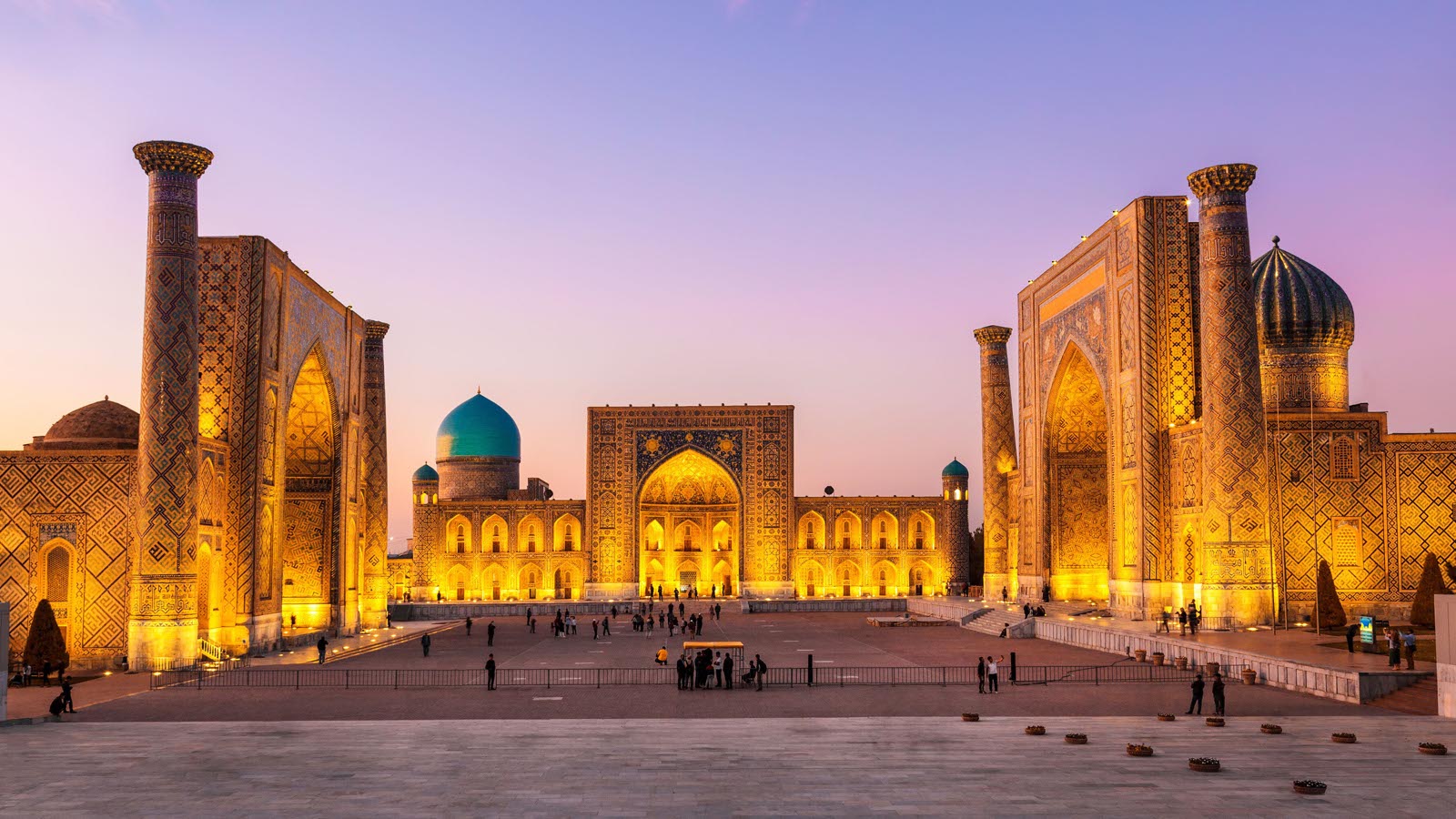
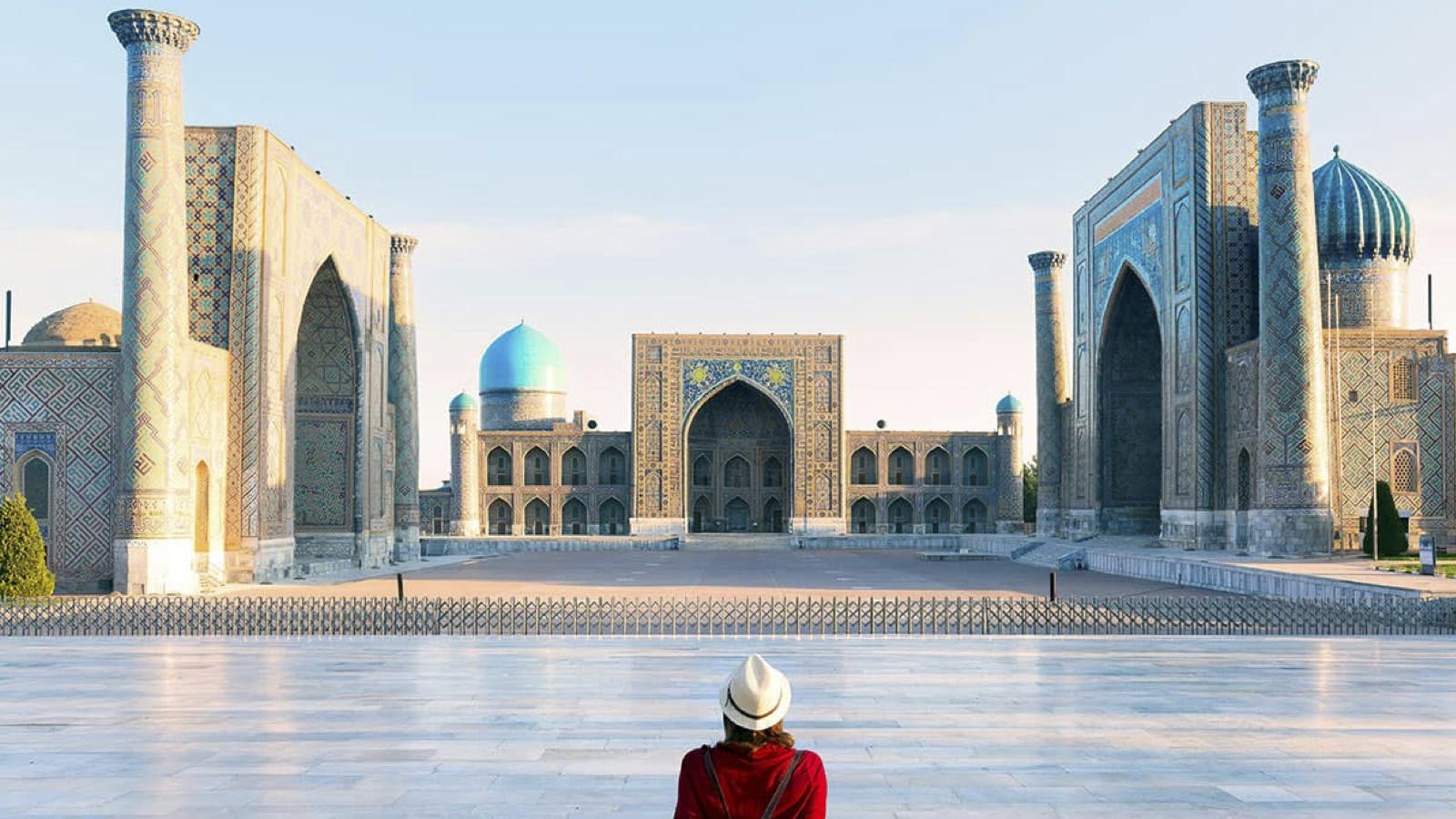
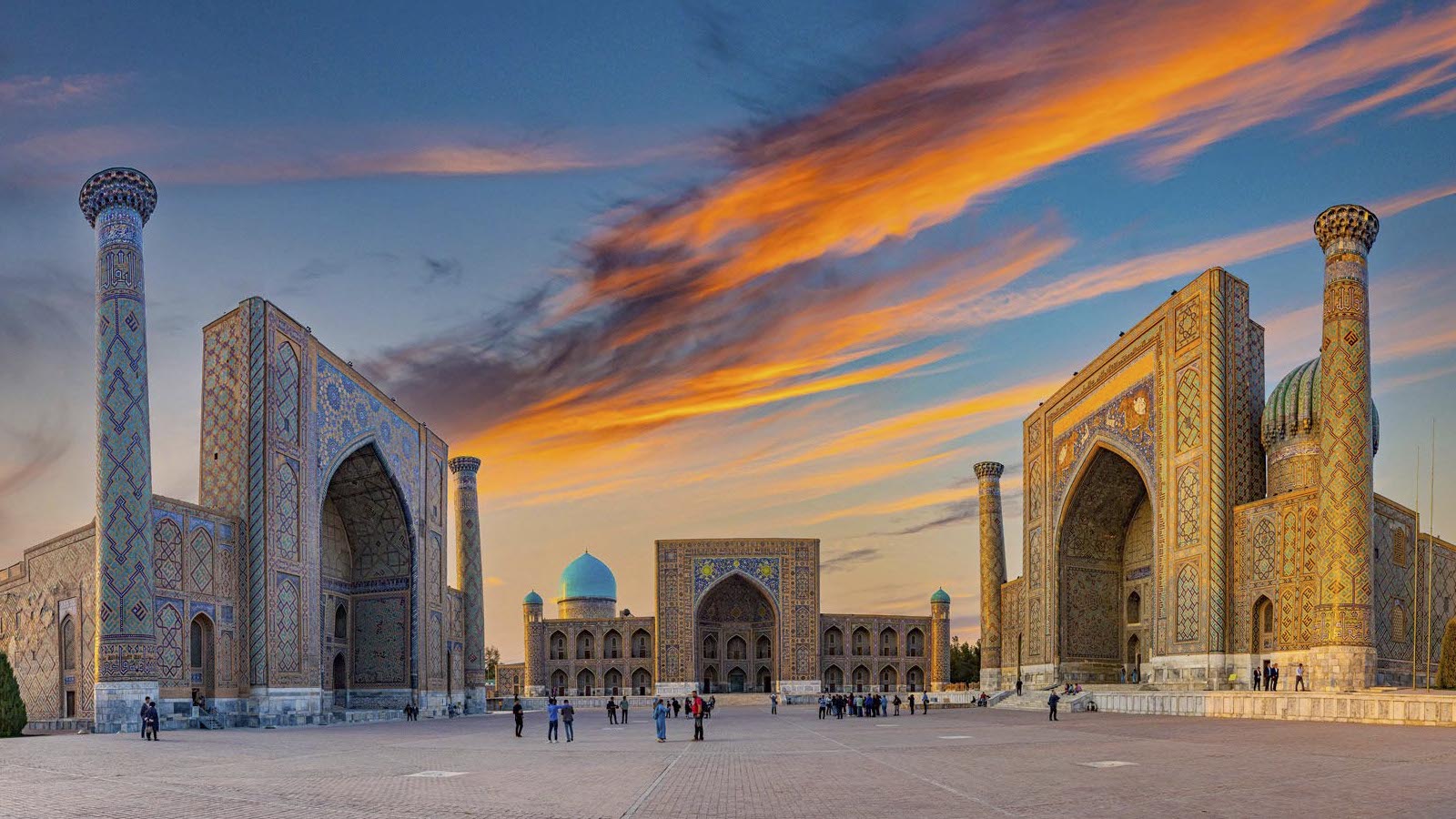
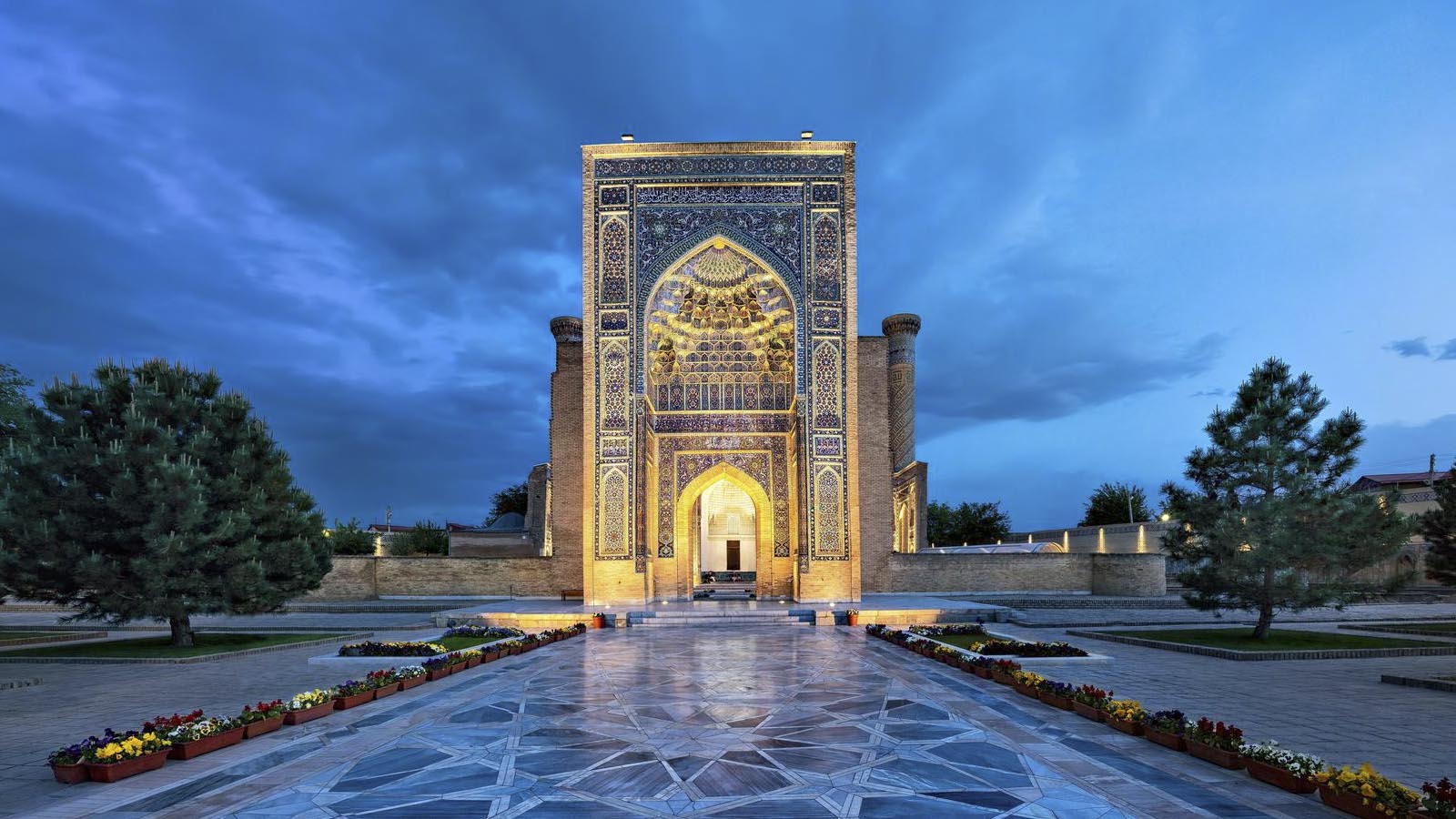
Samarkand is one of the world’s most iconic Silk Road cities, known for monumental architecture, turquoise domes and extraordinary historical atmosphere. Exploring the city often feels cinematic because of the scale and beauty of its architectural landmarks.
Travellers frequently experience Samarkand as the emotional and visual highlight of travelling through Uzbekistan.
Bukhara offers one of Central Asia’s most immersive historic environments through preserved streets, mosques and caravanserai architecture closely connected to centuries of cultural exchange. The city encourages slower exploration and reflection.
Travelling through Bukhara often feels deeply atmospheric because history remains naturally integrated into daily life.
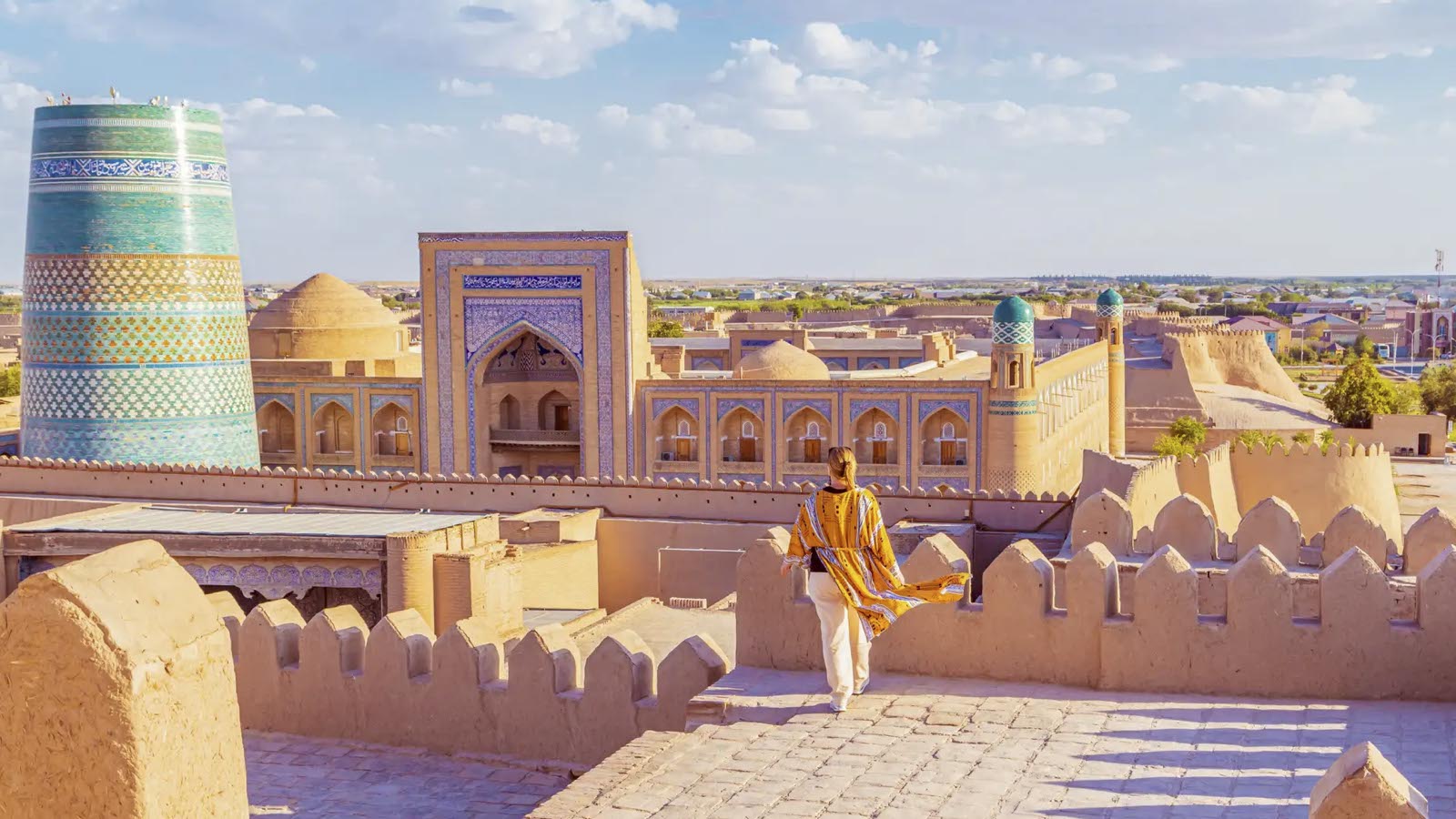
Khiva provides a highly distinctive travel experience through fortified walls, desert surroundings and remarkably preserved Silk Road architecture. The city feels almost timeless, allowing travellers to experience Central Asian heritage in a highly immersive way.
The contrast between desert landscapes and monumental architecture contributes strongly to the emotional impact of the journey.
Markets and bazaars form an important part of travelling through Uzbekistan, revealing traditional craftsmanship, textiles and everyday social life closely connected to Silk Road culture.
Travellers frequently experience local hospitality and cultural authenticity naturally through market environments and artisan communities.
Cuisine is an essential part of the Uzbek travel experience, reflecting Central Asian traditions through communal meals, spices and warm hospitality. Dining experiences are often highly social and deeply connected to local identity.
Tea culture and shared meals contribute strongly to the slower and more reflective rhythm of travelling through the country.
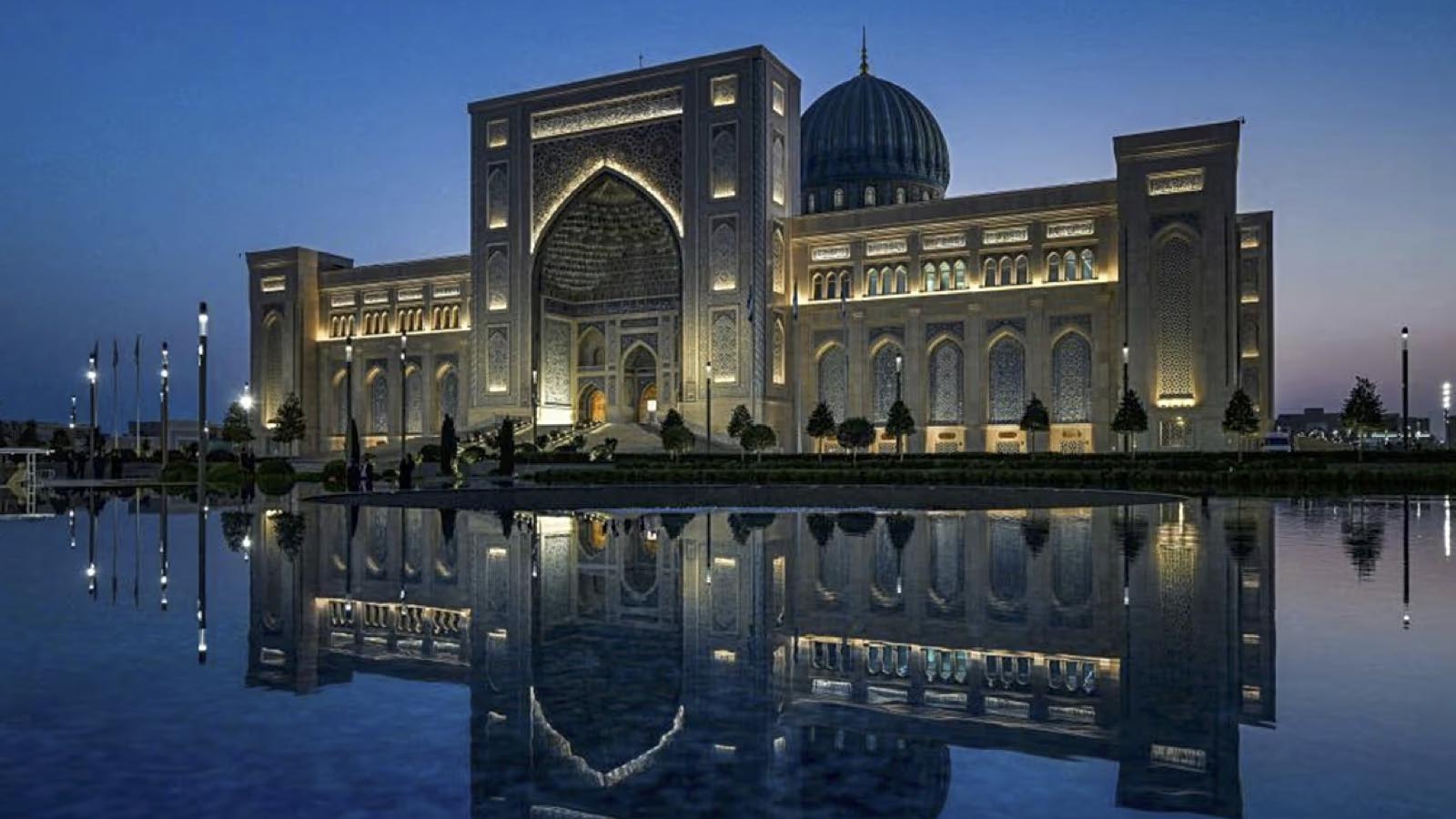
Uzbekistan’s mosques, madrasas and monumental public spaces provide some of the most visually extraordinary Islamic architecture in the world. Architectural exploration often becomes a central emotional element of the journey.
The scale, colour and artistic detail of these spaces create travel experiences that feel immersive and visually unforgettable.
Travelling between Uzbekistan’s historic cities reveals desert landscapes, rural regions and wide open scenery that reinforce the atmosphere of Silk Road exploration. Overland travel often becomes an important and memorable part of the experience itself.
The country’s geography contributes strongly to the sense of historical continuity and journey-based travel.
Uzbekistan is especially rewarding for travellers seeking slower and emotionally immersive journeys centred on culture, architecture and historical atmosphere. The destination encourages observation, conversation and gradual exploration.
This creates travel experiences that feel reflective, authentic and deeply memorable from beginning to end.
Uzbekistan offers one of Central Asia’s most fascinating cultural travel experiences, combining Silk Road heritage, Islamic architecture and desert landscapes within a destination shaped by centuries of trade and cultural exchange. The country balances monumental history, traditional craftsmanship and authentic local atmosphere in a way that creates journeys that feel immersive, reflective and visually extraordinary.
Travellers can move between ancient cities, bazaars and vast landscapes while continuously experiencing strong historical continuity and regional identity. Uzbekistan is particularly rewarding for travellers seeking architecture, heritage and slower journeys shaped by atmosphere and cultural depth.
Uzbekistan is internationally recognised for its Silk Road cities and extraordinary architectural heritage visible through madrasas, mosques and historic trading centres. Destinations such as Samarkand, Bukhara and Khiva provide some of the world’s most atmospheric urban heritage environments.
Cultural travel here often feels immersive and emotionally powerful because history remains deeply integrated into everyday life and urban rhythm.
The country offers some of Central Asia’s most iconic Islamic architecture through turquoise domes, mosaics and monumental public spaces that reflect centuries of artistic and cultural development. Architectural exploration frequently becomes one of the defining aspects of the journey itself.
Travellers interested in visual heritage and craftsmanship often find Uzbekistan especially memorable because of the extraordinary preservation and atmosphere of its historic cities.
Uzbekistan appeals strongly to travellers seeking authentic cultural experiences shaped by traditional markets, hospitality and local customs that remain visible throughout the country. Travel here generally feels grounded in local rhythm rather than highly commercialised tourism.
The destination encourages slower exploration and observation, allowing travellers to connect more deeply with the surrounding cultural atmosphere.
Cuisine forms an important part of travelling through Uzbekistan, reflecting Central Asian traditions and Silk Road influences through dishes, spices and communal dining culture. Markets and local restaurants create highly social culinary environments connected closely to daily life.
Food travel here often feels warm and authentic because hospitality remains central to the cultural identity of the country.
Beyond its cities, Uzbekistan offers desert landscapes, mountain regions and wide open scenery that provide strong environmental contrast and reinforce the atmosphere of Silk Road exploration. Overland travel often becomes an essential part of the overall experience.
Scenic journeys here frequently feel expansive and reflective because of the country’s geography and slower travel rhythms.
The country has developed a growing boutique hospitality sector centred on restored heritage buildings, traditional design and immersive cultural atmosphere. Luxury travel here often focuses on authenticity, architecture and emotional connection rather than excessive formality.
Many properties integrate local craftsmanship and historical identity into the guest experience.
Uzbekistan naturally supports slower and more reflective styles of travel through its historic cities, tea culture and relaxed social rhythm. Travellers frequently experience a sense of timelessness while moving through ancient streets and public squares.
The destination rewards patience and immersion rather than fast-paced sightseeing.
Uzbekistan is particularly rewarding for travellers willing to combine several Silk Road cities within one itinerary. Samarkand, Bukhara and Khiva each provide distinct atmospheres and architectural identities while maintaining strong historical continuity.
This diversity creates journeys that feel layered, cinematic and deeply memorable throughout the travel experience.
Spring and autumn generally offer the most comfortable conditions for travelling across Uzbekistan.
These seasons are particularly suitable for exploring historic cities and outdoor cultural sites due to milder temperatures.
Visa requirements depend on nationality, with some travellers eligible for visa-free entry or simplified electronic visas.
As regulations may change, travellers should always check the latest official entry requirements before departure.
Uzbekistan is generally considered a safe and welcoming destination for travellers.
The country has a growing tourism infrastructure and major cultural cities are well accustomed to international visitors.
The official currency is the Uzbekistani Som (UZS).
Cash remains widely used, although cards are increasingly accepted in hotels, restaurants and larger establishments.
Modern rail connections and road transport make travelling between the country’s main cities relatively straightforward.
High-speed trains connect destinations such as Tashkent, Samarkand and Bukhara efficiently and comfortably.
A stay of six to eight days is ideal for a classic Silk Road itinerary covering the country’s main cultural highlights.
Longer stays allow additional time for lesser-known regions and a more relaxed pace of travel.
Yes, Uzbekistan is considered one of the most distinctive cultural destinations in Central Asia.
The country is particularly renowned for its Silk Road history, Islamic architecture and historic trading cities.
Explore a visual glimpse of Uzbekistan through images that capture its architecture, cities and cultural heritage.
Discover the detail and atmosphere that define this Silk Road destination.