Vietnam
Home All Destinations Vietnam

Vietnam is a destination of striking contrasts, where historic cities, dramatic landscapes and a rich cultural heritage come together along a narrow stretch of Southeast Asia. From the limestone karsts of Ha Long Bay to the lantern-lit streets of Hoi An and the energy of Ho Chi Minh City, the country offers a journey defined by variety and movement.
Shaped by its history and traditions, Vietnam combines cultural depth with natural beauty and a strong sense of everyday life. Whether travelling from north to south or focusing on specific regions, the experience unfolds through changing scenery, local encounters and a vibrant culinary scene.
Vietnam offers a highly diverse range of destinations shaped by historic cities, mountain landscapes, tropical coastline and river environments. Each region presents a distinct atmosphere and cultural identity, allowing travellers to create itineraries focused on exploration, scenery and immersive regional travel.
The destination is particularly well suited to multi-centre journeys where travellers move gradually between north, centre and south while continuously experiencing strong contrasts in landscape, cuisine and rhythm of travel.
Hanoi is Vietnam’s cultural and historic capital, offering an atmospheric combination of colonial architecture, lakes, traditional neighbourhoods and vibrant street life. The city provides one of the country’s most immersive urban travel experiences.
Accommodation ranges from luxury hotels and French colonial-style properties to boutique stays integrated into the Old Quarter and lakeside districts.
Ha Long Bay offers one of Vietnam’s most iconic accommodation experiences through overnight cruises and scenic bay exploration. Staying on the water allows travellers to experience the landscape in a slower and more immersive way.
Accommodation ranges from traditional-style vessels to luxury cruise experiences focused on comfort, panoramic scenery and curated excursions throughout the bay.
Hội An combines historic architecture, riverside atmosphere and nearby beaches within one of Vietnam’s most charming destinations. The town is particularly popular among travellers seeking slower-paced cultural immersion and boutique hospitality.
Accommodation often includes heritage-style hotels, boutique villas and smaller luxury properties integrated into traditional surroundings and tropical landscapes.
Da Nang provides a more contemporary coastal atmosphere while maintaining strong access to beaches, cultural landmarks and nearby historic destinations. The region works especially well for travellers combining beach relaxation with broader exploration of central Vietnam.
Accommodation ranges from modern beachfront resorts and luxury hotels to boutique coastal properties with strong access to outdoor activities and gastronomy.
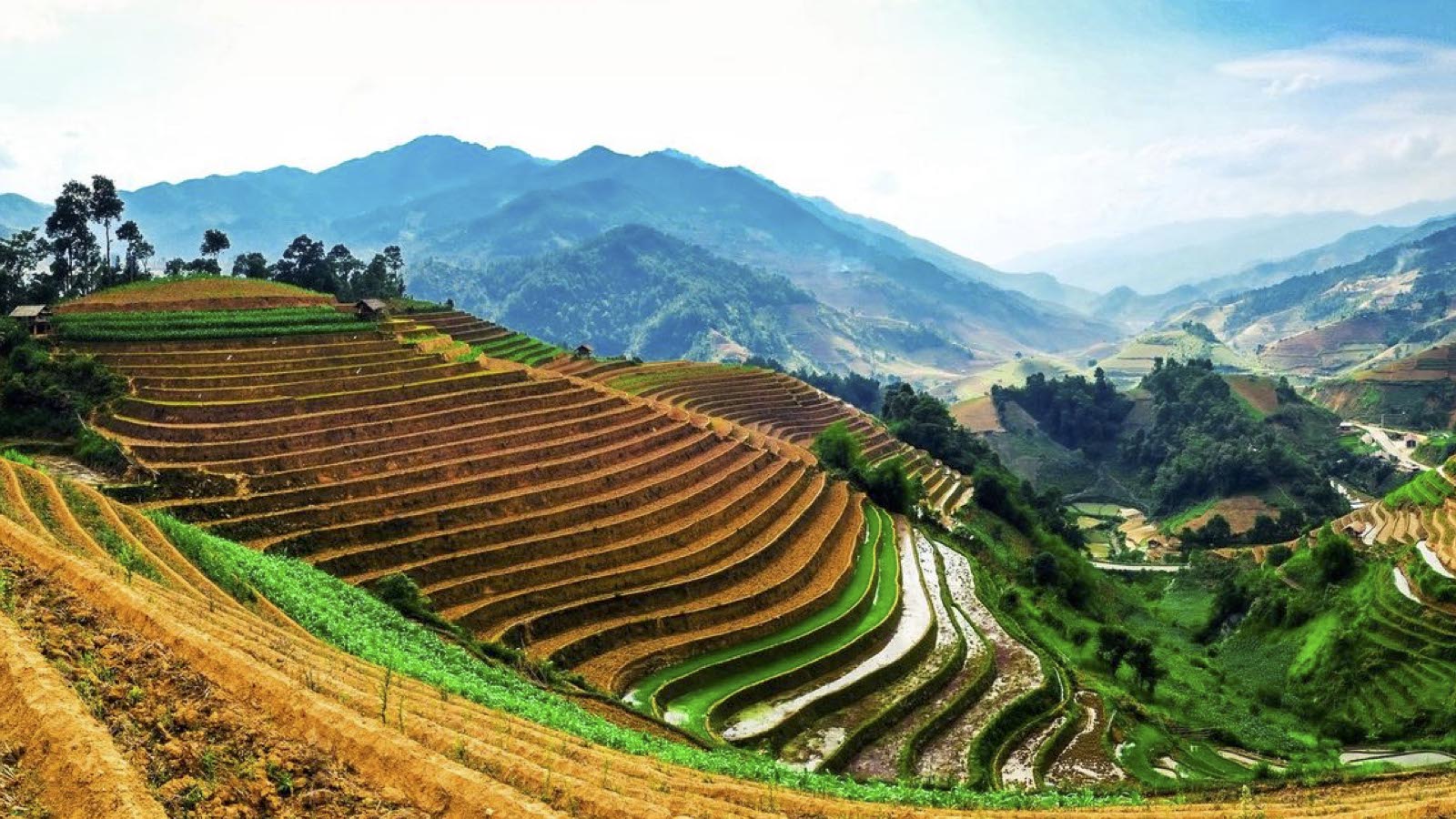
Northern mountain regions such as Sapa provide highly scenic and nature-focused travel experiences shaped by rice terraces, valleys and rural landscapes. These areas appeal particularly to travellers seeking environmental immersion and slower-paced exploration.
Accommodation includes mountain lodges, boutique eco-retreats and smaller properties designed around panoramic scenery and local cultural integration.
Ho Chi Minh City offers a more modern and fast-paced urban environment compared with Hanoi, combining contemporary lifestyle, commerce and energetic street culture. The city acts as the main gateway to southern Vietnam and the Mekong Delta.
Accommodation includes luxury international hotels, modern lifestyle properties and boutique urban stays suited to travellers seeking convenience and contemporary comfort.
Phú Quốc provides a tropical island atmosphere focused on beaches, resorts and slower travel rhythms. The island is especially appealing for travellers seeking relaxation at the end of broader Vietnam itineraries.
Accommodation ranges from luxury beachfront resorts and wellness retreats to boutique villas integrated into tropical coastal environments.
Vietnam has developed a strong boutique hospitality sector where many properties combine local design influences, personalised service and strong integration with regional identity. Boutique stays are particularly common in heritage towns and scenic regions.
Luxury hospitality in Vietnam is often defined by atmosphere, location and authenticity rather than large-scale resort formality, creating journeys that feel immersive and culturally connected.
Vietnam is best experienced through multi-region itineraries that combine urban centres, mountain landscapes, coastal regions and river environments within one journey. Travellers frequently experience strong changes in scenery and atmosphere while maintaining accessible travel connections.
This structure creates itineraries that feel layered and continuously engaging, allowing accommodation choices to shape the rhythm and emotional tone of the overall travel experience.
Vietnam can be visited year-round, though the best time depends on the regions included in your itinerary. Generally, spring and autumn offer favourable conditions across much of the country, while weather patterns vary between north, centre and south.
Vietnam’s climate varies significantly by region, with tropical conditions in the south and more seasonal variations in the north.
Festivals such as Tet (Vietnamese New Year) are central to the cultural calendar and influence travel periods.
The local currency is the Vietnamese Dong (VND). Cards are accepted in major areas, though cash is widely used.
Vietnamese cuisine is a highlight of any trip, offering fresh, balanced flavours and regional variety.
Vietnam offers a highly varied travel experience combining vibrant cities, historic heritage, mountain landscapes and tropical coastline. Travellers can move between cultural districts, river environments, rice terraces and beach regions while continuously experiencing strong regional diversity and changing atmospheres.
The destination rewards immersive and experiential travel, where local life, cuisine and landscape interaction become central parts of the journey rather than secondary elements.
Hanoi offers one of Southeast Asia’s most atmospheric urban environments, combining colonial architecture, lakes, markets and traditional street life within a highly walkable city. Travellers can explore historic districts, cafés and temples while experiencing the rhythm and energy of everyday local culture.
The city often becomes a cultural introduction to Vietnam through its balance of heritage, cuisine and urban authenticity.
Ha Long Bay is one of Vietnam’s most iconic natural landmarks, known for limestone formations rising from emerald waters and highly scenic cruise experiences. Travellers can explore bays, islands and floating environments while experiencing one of the country’s most visually distinctive landscapes.
Boat journeys through the bay create slower and more immersive travel experiences shaped by scenery and atmosphere rather than fast-paced sightseeing.
Hội An is one of Vietnam’s most charming historic destinations, recognised for its preserved architecture, lantern-lit streets and riverside atmosphere. The town combines cultural heritage with relaxed travel rhythms and strong culinary identity.
Travellers often spend time exploring local markets, tailoring workshops and nearby coastal areas while enjoying a slower and more intimate travel environment.
Northern Vietnam offers mountain landscapes, rice terraces and rural environments that contrast strongly with the country’s larger cities and coastal regions. Areas such as Sapa provide opportunities for scenic trekking and cultural interaction with local communities.
These regions create some of Vietnam’s most visually striking and immersive travel experiences, particularly for travellers seeking environmental diversity and slower-paced exploration.
Cuisine is one of the most important aspects of travelling through Vietnam, with regional dishes and street food culture deeply integrated into everyday life. Markets, local restaurants and roadside cafés allow travellers to experience the country’s culinary identity in highly accessible ways.
Food exploration often becomes one of the emotional highlights of the journey because flavours, ingredients and dining atmospheres vary significantly between regions.
Vietnam’s coastline provides a wide variety of beach experiences ranging from lively resort cities to quieter tropical islands and fishing villages. Coastal destinations often combine beach relaxation with local culture, gastronomy and outdoor activities.
Beach travel in Vietnam generally feels more integrated into broader exploratory itineraries rather than purely resort-focused tourism.
River landscapes play an important role in southern Vietnam, particularly within the Mekong Delta where waterways, floating markets and agricultural landscapes shape daily life. Travellers can explore canals and riverside communities through slower and more immersive journeys.
These regions provide a different perspective on Vietnam’s identity and geography while adding environmental contrast to the itinerary.
Vietnam is particularly well suited to experiential travel because each region presents distinct landscapes, cuisine and atmosphere. Travellers can combine cities, mountains, rivers and coastline within one journey while continuously experiencing regional variation.
This diversity creates itineraries that feel dynamic, authentic and highly memorable, making Vietnam especially rewarding for travellers seeking exploration and cultural immersion.
Vietnam offers a highly immersive travel experience shaped by cultural depth, dramatic landscapes, regional diversity and strong local identity. The country combines vibrant cities, historic towns, mountain regions and tropical coastline within one long and geographically varied destination.
Travellers can move between energetic urban centres, rice terrace landscapes, river environments and coastal regions while continuously experiencing shifts in atmosphere, cuisine and rhythm of travel. Vietnam is particularly rewarding for travellers seeking journeys defined by exploration, authenticity and sensory immersion.
Vietnam’s cultural identity reflects centuries of regional influence, local traditions and historic resilience, visible through architecture, temples, cuisine and everyday life. Destinations such as Hanoi, Huế and Hội An provide opportunities to experience historic districts, imperial heritage and traditional craftsmanship.
Cultural travel in Vietnam often feels highly immersive because local traditions and everyday street life remain closely integrated into the travel experience rather than isolated within formal attractions alone.
Vietnam offers remarkable environmental diversity ranging from limestone bays and river deltas to mountain valleys and tropical coastline. Landscapes often become central to the journey itself, particularly in regions such as Ha Long Bay, Sapa and Ninh Bình.
Travellers frequently experience strong visual contrast throughout the country, creating itineraries that feel continuously evolving and highly scenic.
Cuisine is one of Vietnam’s defining travel experiences, shaped by regional variation, fresh ingredients and highly social food culture. Street food, local markets and regional specialties form an essential part of exploring the country.
Dining in Vietnam often feels deeply connected to local life and atmosphere, allowing travellers to experience cultural identity through everyday culinary traditions rather than formal gastronomy alone.
Vietnam supports a wide range of active and experiential travel styles including trekking, cycling, river journeys and nature exploration. Mountain regions and rural landscapes provide opportunities for slower and more immersive exploration beyond the country’s larger urban centres.
Experiential travel in Vietnam is often shaped by interaction with landscapes and local communities rather than large-scale tourism infrastructure.
Vietnam’s coastline stretches across much of the country and offers beach destinations ranging from lively resort environments to quieter and more scenic coastal regions. Areas such as Da Nang, Nha Trang and Phú Quốc combine beaches with strong access to culture and local cuisine.
Coastal travel in Vietnam generally feels more integrated into broader itineraries rather than existing as isolated resort-only experiences.
Vietnam also supports slower and more reflective travel styles through countryside retreats, beach resorts and nature-focused stays. Regions with rice fields, rivers and coastal landscapes naturally encourage calmer travel rhythms and immersion in the environment.
Wellness travel here is often connected to scenery, local hospitality and simplicity rather than highly structured luxury retreat concepts.
Vietnam is especially rewarding for multi-region travel because the north, centre and south each present distinct cultural identities, climates and landscapes. Travellers frequently experience dramatic changes in atmosphere throughout the journey.
This diversity creates itineraries that feel layered, authentic and highly immersive, making Vietnam particularly appealing for travellers seeking gradual discovery and strong regional contrast.
Vietnam increasingly appeals to couples and lifestyle-focused travellers seeking journeys that combine scenery, gastronomy and boutique hospitality. Luxury river cruises, heritage hotels and coastal resorts create travel experiences that feel both atmospheric and accessible.
The destination balances adventure and comfort particularly well, allowing travellers to experience authenticity while maintaining high-quality hospitality and scenic accommodation.
The best time to visit Vietnam depends largely on the regions included in the itinerary, as weather conditions vary significantly between north, central and southern areas.
Spring and autumn are generally considered favourable for travelling across multiple regions within the same trip.
Visa requirements vary depending on nationality, with many travellers able to apply online through the e-visa system before departure.
As immigration regulations may change, travellers should always verify the latest official entry requirements before travel.
Vietnam is considered a safe and well-established destination with a growing international tourism sector.
As with any destination, travellers should take standard precautions, particularly in busy urban areas and tourist locations.
The official currency is the Vietnamese Dong (VND).
Cash is widely used throughout the country, although cards are commonly accepted in hotels, larger restaurants and many tourist-oriented businesses.
Domestic flights, rail services and road transfers make travelling between Vietnam’s main regions relatively straightforward.
Many itineraries combine major cities, cultural destinations and coastal areas within a single journey.
A stay of ten to fourteen days is ideal for exploring several regions at a comfortable pace.
Longer itineraries allow for more in-depth experiences and additional time in less-visited areas.
Yes, travelling through Vietnam from north to south is one of the country’s most popular and recommended itinerary styles.
Many travellers combine destinations such as Hanoi, Ha Long Bay, Hoi An and Ho Chi Minh City within the same journey.
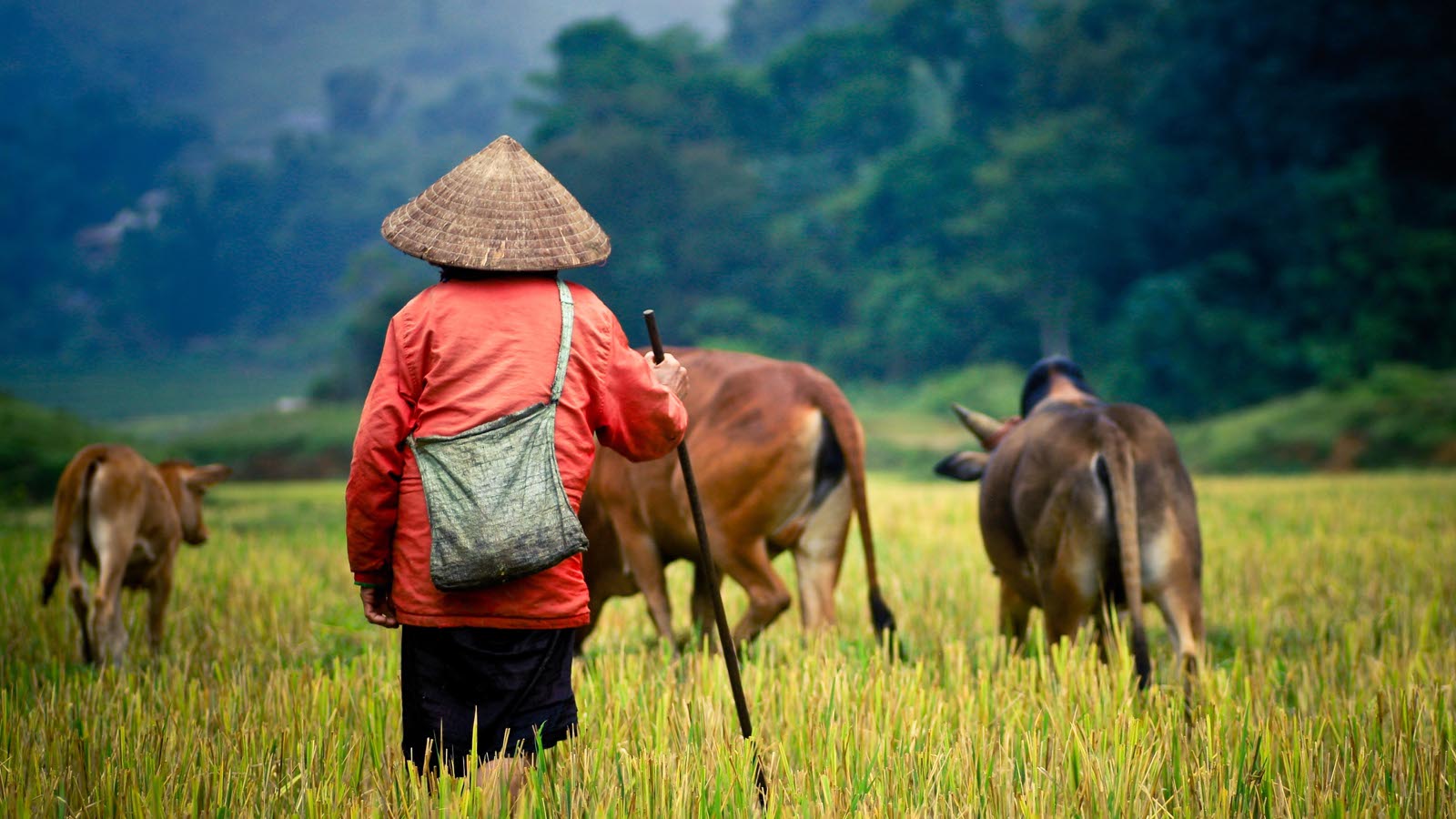
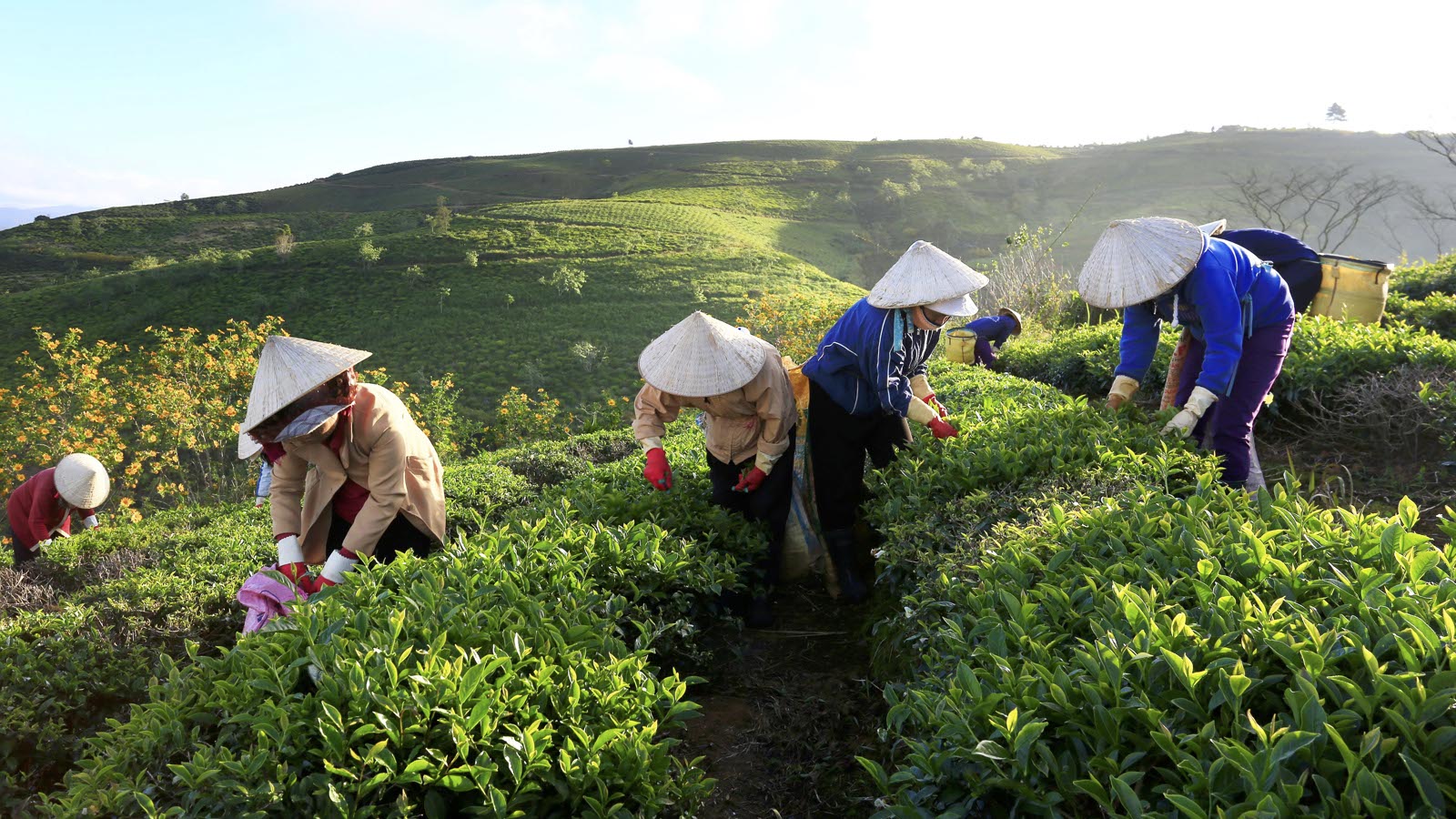
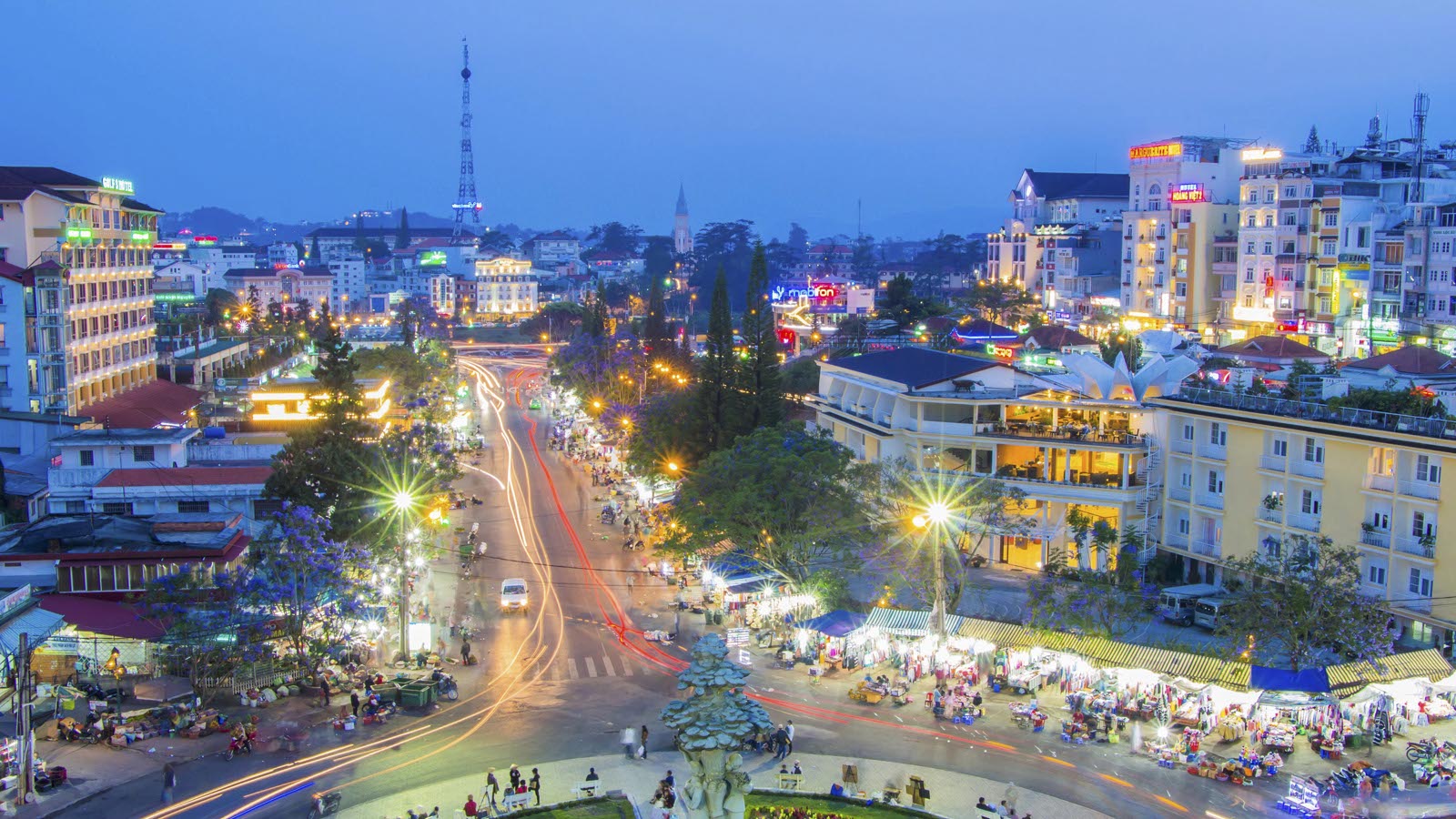
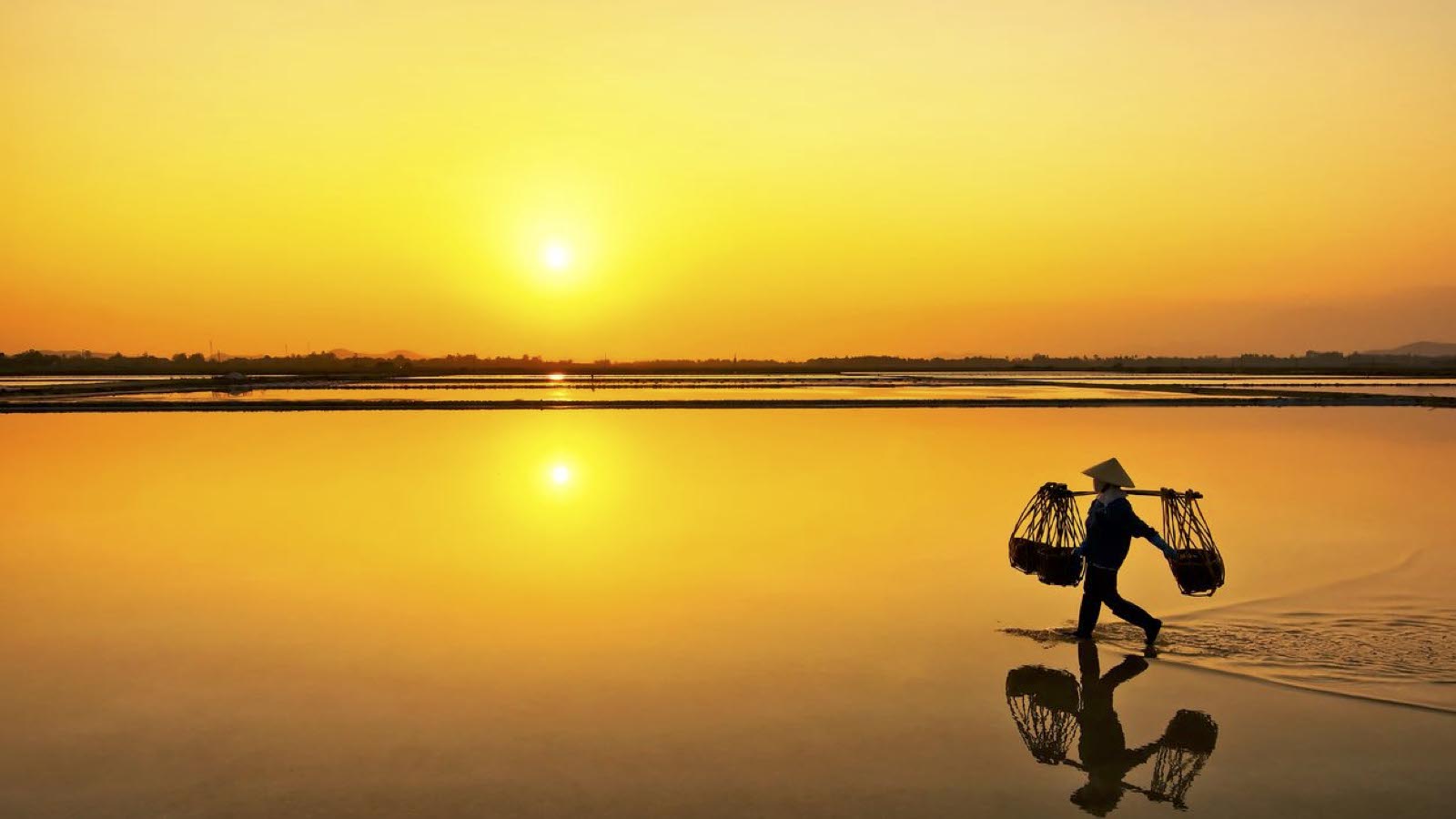
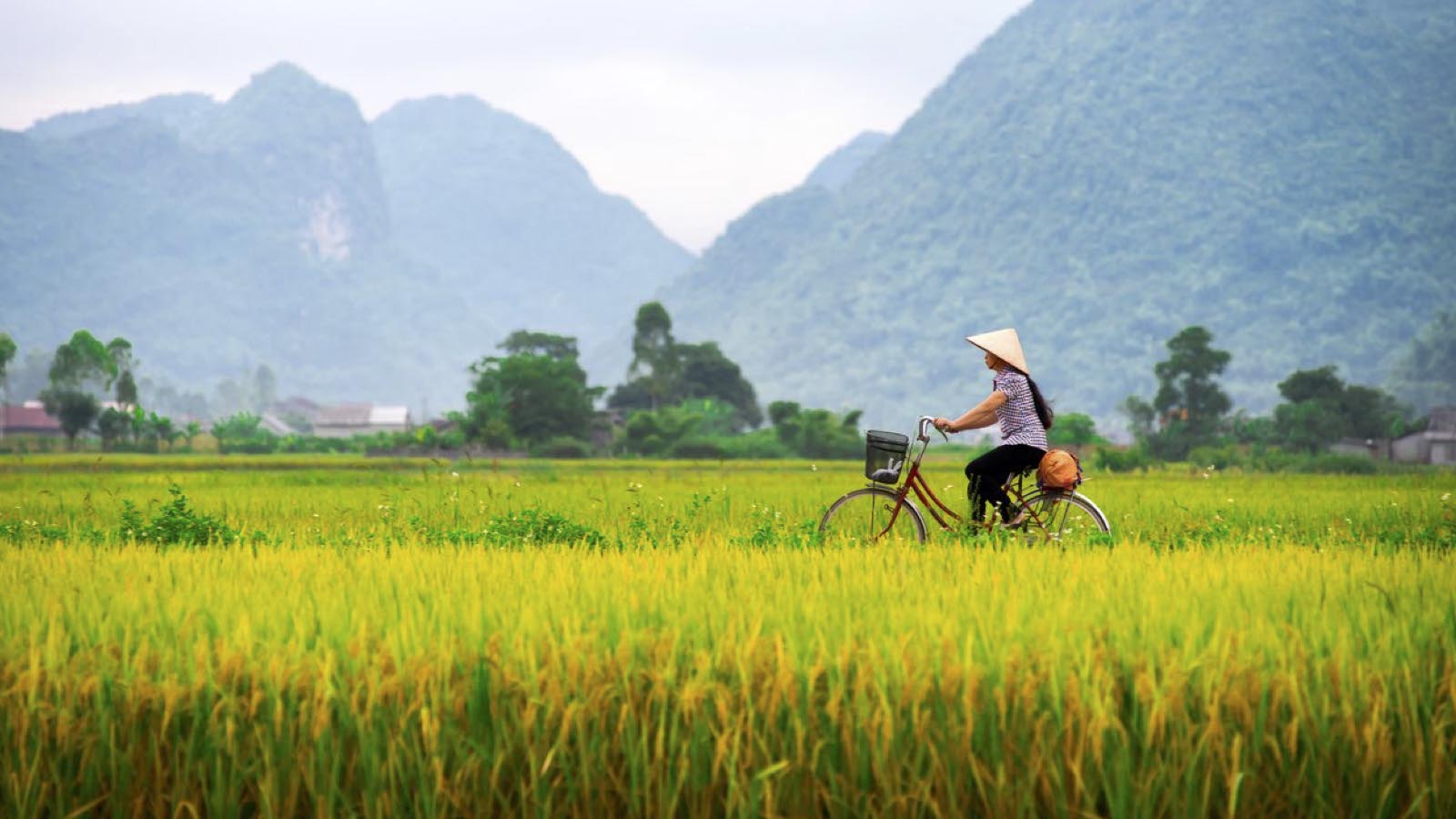
Explore a visual glimpse of Vietnam through images that capture its landscapes, cities and cultural atmosphere.
Discover the scenes that define this dynamic and diverse destination.